 Français
 Deutsch
 Italiano
 Português
 Español
Hung Kings Festival: A Sacred Journey to Vietnam’s Origins
Discover the Hung Kings Festival, one of Vietnam’s most important cultural events. Learn its meaning, key rituals, and how to experience this unique spiritual journey in depth.
“Even if you travel far and wide, remember the 10th day of the third lunar month.”
This centuries-old proverb captures something deeply rooted in the soul of Vietnam—a collective memory that calls people back to where it all began. Each year, on this sacred day, millions of Vietnamese make a pilgrimage to honor the Hung Kings, the legendary founders of the nation, in a tradition that blends myth, history, and spiritual devotion.
For international travelers, the Hung Kings Festival is far more than a cultural event. It is a rare window into Vietnam’s living heritage—where ancient rituals are not preserved behind glass, but actively practiced, deeply felt, and shared across generations. The atmosphere is both solemn and vibrant, where incense smoke rises alongside the quiet pride of a people remembering their origins.
If you’re seeking more than just beautiful landscapes—if you want to understand the spirit of Vietnam from within—this is an experience that deserves a place on your journey.

Fast Facts for Travelers
Date (2026): April 26th (10th day of the 3rd Lunar Month)
Location: Hung Temple Complex, Viet Tri City, Phu Tho Province (~90 km from Hanoi)
Best for: Culture seekers, history lovers, photographers
Entrance fee: Free (expect large crowds on peak day)
The Meaning Behind The Hung Kings Festival: Myth, Identity & Belief
The Legend of the Hung Kings
To truly understand the Hung Kings Festival, it begins with a story—one that every Vietnamese child grows up hearing. According to legend, Vietnam was born from the union of a dragon lord and a fairy princess, whose children became the ancestors of the Vietnamese people. From this lineage came the Hung Kings, the first rulers who laid the foundations of the nation thousands of years ago.
While the story carries mythical elements, its meaning runs deeper than history alone. It reflects how Vietnamese people see themselves—not just as individuals, but as part of a shared origin. For visitors, this legend offers a powerful cultural lens: Vietnam is not only a country, but a story of belonging that has been passed down through generations.

Ancestor Worship in Vietnamese Culture
At the heart of the Hung Kings Festival lies a core value deeply embedded in Vietnamese culture—the tradition of honoring ancestors. Across the country, families maintain ancestral altars in their homes, offering food, incense, and prayers as a way of expressing gratitude and remembrance.
The festival elevates this practice to a national scale. Instead of honoring individual family ancestors, people come together to pay respect to the Hung Kings—the symbolic forefathers of the entire nation. It is a moment where personal identity merges with collective identity, where past and present are connected through shared belief.
More than a ritual, this is an expression of unity. It reflects a cultural mindset rooted in respect, continuity, and the idea that understanding one’s origins is essential to understanding oneself.

A UNESCO-Recognized Living Heritage
The cultural significance of the Hung Kings Festival has been recognized globally by UNESCO as an Intangible Cultural Heritage of Humanity.
What makes this recognition meaningful is not just the history behind the festival, but the fact that it is still very much alive today. The rituals are not staged performances—they are genuine acts of devotion, carried out by communities who have preserved these traditions for centuries.
Key insight: The Hung Kings Festival is not simply an event on the calendar. It is a living expression of Vietnam’s spiritual identity—a rare opportunity to witness how history, belief, and culture continue to shape everyday life.
Hung Kings Festival – When & Where It Takes Place (Essential Travel Info)
When is Hung Kings Festival?
The Hung Kings Festival is held annually on the 10th day of the 3rd lunar month, a date deeply rooted in Vietnam’s traditional calendar.
Because the lunar calendar shifts each year, the festival falls on different dates in the Gregorian calendar. For example, in 2026, it is expected to take place on 26th April.
Travel tip: If you’re planning your trip around this event, always check the exact dates in advance to align your itinerary with the main celebration.
Where is it held?
The heart of the festival is the Hung Temple Complex, a sacred historical site located on Nghia Linh Mountain in northern Vietnam.
This complex of temples is dedicated to the Hung Kings and is considered one of the most important spiritual landmarks in the country. Surrounded by forested hills, it offers not only cultural significance but also a peaceful natural setting.
Location context:
- Approximately 90 km from Hanoi
- Easily accessible by car, bus, or guided tour
- Suitable for a day trip or a short overnight journey
-720.webp)
Festival Duration
While the main celebration takes place on the official day, the Hung Kings Festival is not limited to a single moment.
Festivities and cultural activities typically begin several days earlier, building up to the peak on the 10th day of the lunar month. This extended period allows visitors to experience both the solemn rituals and the vibrant cultural atmosphere at a more comfortable pace.
Insider tip: Visiting a day or two before the main event can offer a more relaxed experience, while still allowing you to witness key ceremonies and performances.
What Makes the Hung Kings Festival Unique
A National Pilgrimage Unlike Any Other
What sets the Hung Kings Festival apart is its scale—not just in numbers, but in emotion. Every year, millions of Vietnamese people travel from all corners of the country to the sacred Hung Temple Complex to pay their respects to the nation’s legendary founders.
This is not tourism in the conventional sense—it is a collective journey of remembrance. Families, elders, young travelers, and even overseas Vietnamese return to this spiritual site, creating an atmosphere that feels deeply personal yet profoundly national.
As you walk among the crowds, you’ll notice something unique: a quiet sense of unity. Despite the scale, the energy is not chaotic—it is reverent, emotional, and meaningful. For international visitors, witnessing this shared moment of cultural identity offers a rare and authentic connection to the Vietnamese spirit.
-720.webp)
A Blend of Ritual & Celebration
Unlike many festivals that are purely ceremonial or purely festive, the Hung Kings Festival seamlessly combines both.
On one hand, you’ll experience solemn rituals such as incense offerings, traditional processions, and formal ceremonies that reflect centuries-old spiritual beliefs. On the other, the surrounding festival atmosphere is vibrant and full of life—featuring folk performances, traditional games, and community gatherings.
This contrast creates a dynamic experience:
- Sacred yet accessible
- Historical yet alive
- Spiritual yet celebratory
Rather than observing from the outside, visitors are naturally drawn into the rhythm of the festival—whether by following a procession, listening to traditional music, or simply sharing space with locals.
What to Experience – Ceremony & Festivities
The Sacred Rituals (The Ceremony)
At the core of the Hung Kings Festival are sacred rituals that reflect the deep spiritual values of Vietnamese culture. The most important is the incense offering ceremony, held at the revered Hung Temple Complex, where people gather to honor the legendary founders of the nation.
During these moments, the atmosphere becomes quietly powerful. Pilgrims move with intention, incense smoke drifts through the air, and traditional ceremonial music adds a sense of timelessness. Alongside this are traditional processions, where locals in ceremonial costumes carry offerings through the temple grounds—an authentic expression of community devotion that has been preserved for generations.
Formal state rituals also take place, reinforcing the national importance of the occasion. These ceremonies are not staged for visitors—they are genuine acts of remembrance, marked by respect, solemnity, and cultural continuity.
This is where the festival reveals its most profound side—a living expression of belief and identity.
-720.webp)
Folk Culture & Performances (The Festivity)
Beyond the rituals, the festival opens into a vibrant cultural space filled with performances, traditional games, and local celebrations. This is where visitors can experience the energy and creativity of Vietnamese folk culture firsthand.
Xoan Singing – A Rare Heritage
One of the most unique highlights is Xoan singing, a traditional art form native to Phu Tho and recognized by UNESCOas an Intangible Cultural Heritage.
Performed in communal spaces and temples, Xoan singing blends music, rhythm, and storytelling. Originally linked to rituals honoring the Hung Kings, it remains a deeply spiritual and cultural performance. For visitors, it offers a rare glimpse into a tradition that has been passed down through generations, largely unchanged.
-720.webp)
Traditional Competitions & Folk Games
Adding to the festive spirit are traditional competitions and games that bring the community together. Among the most meaningful are the contests to prepare Bánh Chưng and Bánh Dày—two symbolic rice cakes connected to ancient legends of the Hung Kings and representing the harmony between earth and sky.
Throughout the festival, you’ll also encounter folk games and activities that reflect rural traditions and communal life, from playful competitions to interactive performances.
What makes this experience stand out is its authenticity—visitors are not just spectators, but participants. Whether tasting local specialties, joining a game, or engaging with local communities, you become part of the cultural experience itself.
-720.webp)
The Pilgrimage Route – A Cultural Walk Through History
The Sacred Path
Visiting the Hung Kings Festival is not only about attending ceremonies—it is about following a path that carries centuries of meaning. The journey up Nghia Linh Mountain, within the Hung Temple Complex, is a gradual ascent through history, where each stop reveals a different layer of Vietnam’s cultural and spiritual identity.
The route begins at the Lower Temple (Đền Hạ), a place closely tied to the origin stories of the Vietnamese people. According to legend, this is where the mother of the nation gave birth to the first generation of Hung Kings, making it a symbolic starting point for the entire pilgrimage.
-720.webp)
Continuing upward, you reach the Middle Temple (Đền Trung), believed to be where the Hung Kings once gathered to discuss important national affairs. This site represents not only leadership but also the early formation of a unified society.
At the summit stands the Upper Temple (Đền Thượng)—the most sacred point of the journey. Here, major rituals and incense offerings take place, and it is where visitors pause to pay their deepest respects. Reaching this point is more than a physical achievement; it carries a quiet sense of completion, as if you’ve walked through the story of a nation from its origins to its spiritual peak.
More than just a climb, this is a symbolic journey through time, belief, and identity.
Panoramic Views & Atmosphere
Beyond its cultural significance, the pilgrimage route is set within a peaceful natural landscape that enhances the entire experience. The path winds through forested hills, shaded by ancient trees, creating moments of calm between the more crowded ceremonial areas.
As you ascend, glimpses of the surrounding countryside begin to appear, offering panoramic views that contrast beautifully with the dense greenery of the mountain. The higher you go, the quieter and more reflective the atmosphere becomes—especially away from peak hours.
-720.webp)
What makes this setting special is the balance it creates. The spiritual energy of the festival is grounded by the natural environment, allowing visitors to experience both a sense of reverence and a connection to nature at the same time.
It’s not just the destination that matters here—it’s the feeling of moving through a sacred landscape, where every step adds to the experience.
Local Food to Try in Phu Tho
No cultural journey is complete without experiencing the local cuisine, and a visit to Phu Tho during the Hung Kings Festival offers a chance to discover flavors that are deeply rooted in the region’s traditions. These dishes are not just about taste—they reflect local ingredients, history, and everyday life in Vietnam’s ancestral land.
Thịt chua (fermented pork): This dish is made from finely sliced pork mixed with roasted rice powder and natural fermentation, then wrapped in leaves. The result is a slightly tangy, savory flavor balanced with fresh herbs and chili. It’s a unique culinary experience that may surprise first-time visitors, but it perfectly represents the creativity of local food preservation techniques.

Bánh tai: a traditional rice cake that is both simple and comforting. Shaped like a small ear—hence its name—this dish is made from rice flour and filled with minced pork. It’s typically served warm, with a soft, slightly chewy texture and a mild, savory taste that reflects the everyday cuisine of the region.
Palm fruit (quả cọ): Often boiled or prepared in rustic ways, palm fruit has a rich, buttery texture and a subtle nutty flavor. While it may be unfamiliar to international travelers, it offers an authentic glimpse into local eating habits and seasonal produce.
Practical Travel Guide & Insider Tips (For International Visitors)
Planning your visit to the Hung Kings Festival is just as important as understanding its cultural meaning. With large crowds, sacred spaces, and a unique pilgrimage setting, a few practical insights can make the difference between a rushed visit and a truly meaningful experience.
How to Get There
The festival takes place at the Hung Temple Complex, located about 90 km from Hanoi. Getting there is relatively straightforward, with several options depending on your travel style:
- Private car: The most convenient option, especially if you prefer flexibility or want to combine multiple destinations in one trip.
- Bus: A more budget-friendly choice, with regular departures from Hanoi to Viet Tri city.
- Guided tour: Ideal for first-time visitors, offering transportation, cultural insights, and a more structured experience.
For the smoothest journey, consider departing early in the morning to avoid traffic and arrive before peak hours.

Best Time to Visit
The main festival day—the 10th day of the 3rd lunar month—is the most significant, but also the most crowded. Millions of pilgrims gather on this day, creating a powerful yet very busy atmosphere.
For a more comfortable experience, consider visiting 1–2 days earlier, when:
- Ceremonies and cultural activities have already begun
- The atmosphere remains authentic
- Crowds are more manageable
This approach allows you to experience both the spiritual and cultural aspects without feeling overwhelmed.
What to Wear
As this is a sacred site, respectful attire is essential. Visitors are encouraged to:
- Wear clothing that covers shoulders and knees
- Avoid overly revealing or flashy outfits
- Choose comfortable walking shoes, as the pilgrimage route involves climbing many steps
Dressing appropriately not only shows respect but also helps you blend more naturally into the local environment.
-720.webp)
Insider Tips – The Difference Maker
These small but practical tips can significantly enhance your experience:
Arrive early in the morning: This is the best way to avoid peak crowds and enjoy a quieter, more reflective atmosphere.
Take alternative paths when possible: Main routes can become congested, especially near the upper temples. Exploring side paths can offer a more peaceful journey.
Stay hydrated and prepared: Bring water and be ready for a moderate amount of walking, especially in warm weather.
Respect local customs: Keep noise levels low, follow the flow of visitors during rituals, and be mindful when taking photos.
FAQs About Hung Kings Festival
What is the Hung Kings Festival?
The Hung Kings Festival is one of Vietnam’s most important national holidays, held annually to honor the country’s legendary founders—the Hung Kings. It takes place at the Hung Temple Complex and combines sacred rituals, cultural performances, and community celebrations. More than just a festival, it represents Vietnam’s deep-rooted tradition of ancestor worship and national identity.
Is it suitable for foreign visitors?
Yes, absolutely. The festival is open to everyone, including international travelers. In fact, it’s a unique opportunity to experience authentic Vietnamese culture beyond typical tourist attractions. While some rituals may feel unfamiliar, visitors are welcome to observe, explore, and engage respectfully.
If you’re interested in culture, history, or spirituality, this is one of the most meaningful experiences you can have in Vietnam.
How crowded is it?
The festival can be very crowded, especially on the main day (10th day of the 3rd lunar month), when millions of pilgrims gather. The atmosphere is powerful but can feel overwhelming for first-time visitors.
For a more comfortable experience, consider visiting 1–2 days before the main day, when activities are already taking place but crowds are more manageable.
Do I need a guide to visit?
A guide is not required, but it can greatly enhance your experience. The festival is rich in symbolism, history, and cultural meaning—many of which are not immediately obvious without context.
A knowledgeable guide can help you understand the significance of each temple, ritual, and tradition, turning your visit from simple sightseeing into a deeper cultural journey.
Is it respectful to visit as a tourist?
Yes—visiting as a tourist is completely appropriate, as long as you show respect for the cultural and spiritual nature of the event.
Simple guidelines to follow:
- Dress modestly (cover shoulders and knees)
- Keep noise levels low, especially in sacred areas
- Ask permission before taking close-up photos of people or rituals
By being mindful and respectful, you are not just a visitor—you become part of a shared cultural experience that values tradition, gratitude, and community.
Hung Kings Festival: More Than a Festival
The Hung Kings Festival is not just another stop on a travel itinerary—it is a journey into the very origins of Vietnam. Beyond the crowds, the rituals, and the celebrations lies something far more meaningful: a deep connection between people, history, and identity that has been preserved for generations.
For international travelers, thia rare opportunity to witness a form of living heritage—not displayed behind glass, but activs is ely practiced, felt, and shared by millions. It’s a moment where culture is not explained, but experienced.
In a world where many traditions are fading, the Hung Kings Festival remains powerfully alive—rooted in gratitude, shaped by belief, and carried forward by community.
If you’re seeking more than just places to visit—if you want to understand the soul of a country—add the Hung Kings Festival to your Vietnam cultural journey.
>>> Top 10 Best Temples And Pagodas In Vietnam
>>> Top 20 Festivals In Vietnam: Iconic Cultural Celebrations From North To South
Thuy Nguyen is a passionate travel blogger and storyteller who has spent years exploring the hidden corners of Vietnam and Southeast Asia. With a love for authentic experiences, she writes about local life, culture, and off-the-beaten-path adventures. Through her words, Anh invites readers to travel deeper, connect with people, and find beauty in every journey — whether it’s a quiet sunrise in Hoi An or a mountain trail in Ha Giang.
Send us your comments about : Hung Kings Festival: A Sacred Journey to Vietnam’s Origins
Required fields*
You may also like
You may also like

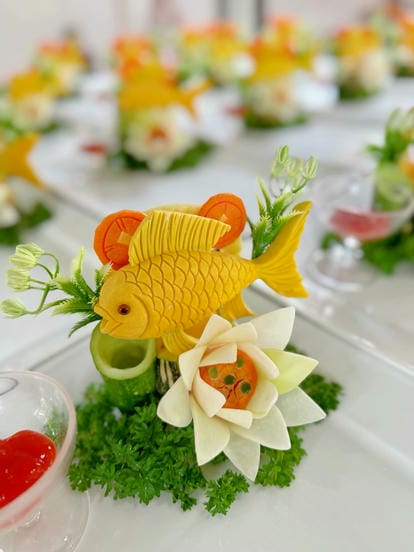
To He: Discovering Vietnam’s Vibrant "Edible" Folk Art & Street Magicians
Meet the “Street Magicians” of Vietnam! To He is a vibrant, biodegradable folk art made from rice dough—a fleeting masterpiece and soulful bridge to legends and traditions.

Dong Xam Silver Carving Village: The Shimmering Legacy of Vietnam’s Royal Craft
Beyond shimmering silver lies 600 years of history. Dong Xam Village is where master artisans craft royal masterpieces by hand—a must-visit for lovers of fine art and tradition.

Ha Thai Lacquer Village – Where Vietnamese Art Reaches Its Finest Expression
Discover Ha Thai Lacquer Village, where centuries-old techniques create exquisite lacquer art—one of the most unique experiences near Hanoi, rich in tradition and craftsmanship.
Travel ideas
Need some inspiration? Discover some of the best tours in Vietnam, which are highly appreciated by our clients. An excellent starting point to help you choose the right trip to Vietnam, Laos, Cambodia, Burma or Thailand, whether you are traveling alone, as a couple, as a family or with friends.
And because this trip is yours, feel free to customize it as you wish!
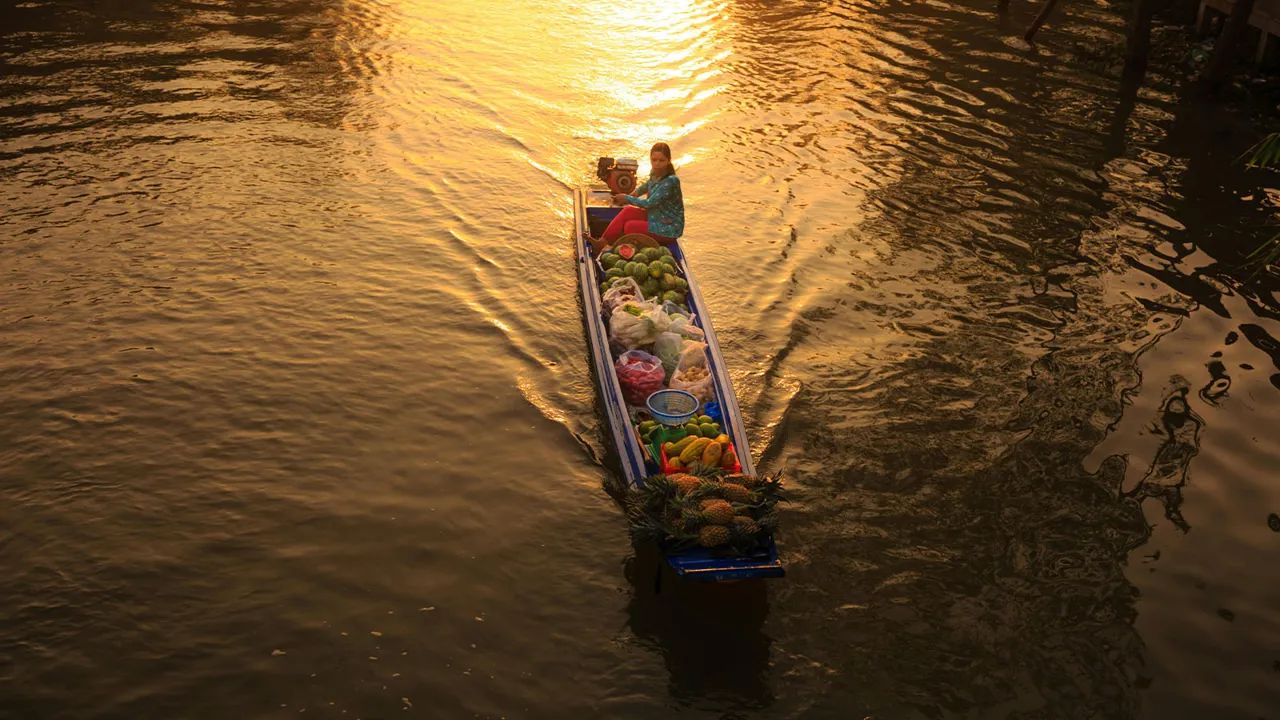
Vietnam Itinerary 2 Weeks
Hanoi - Ninh Binh - Lao Cai - Sapa - Muong Hum market - Ha Long Bay - Hue - Danang - Hoi An - Saigon - Mekong Delta - Cai Rang floating market - Departure

The Best of Ha Giang Trekking Tours
Discover Ha Giang on trekking tours where you live local life, enjoy breathtaking views and escape the crowded routes.

Vietnam and Laos 14 days
Saigon - My Tho - Da Nang- Hoian – Hue - Hanoi - Halong Bay - Vientiane Luang Prabang - Pak Ou – Khuang Si - Luang Prabang – Departure
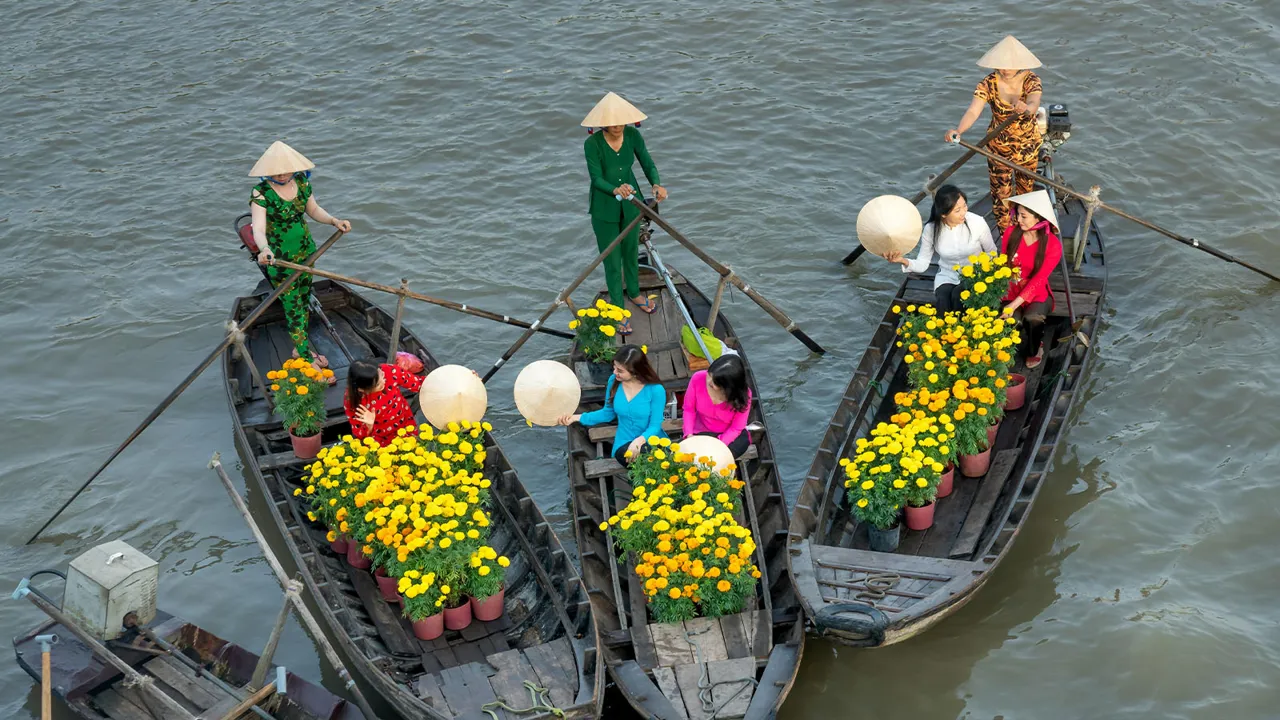
Vietnam Cambodia Itinerary 14 Days
Hanoi – Hoa Binh – Mai Chau – Ninh Binh – Halong bay – Hue - Danang – Hoian – Saigon – Ben Tre - Can Tho – Saigon - Siem Reap Angkor - Tonlé Sap - Siem Reap – Ta Prohm - Departure

Authentic Hoang Su Phi Trekking Tours
Hoang Su Phi trekking tours take you to stunning terraces, meet few tourists, connect with locals and enjoy authentic culture.

Honeymoon Tour Packages In Vietnam 12 Days
Saigon Arrival - City Tour – Mekong Delta – Danang – Hoian - by flight - Da Nang – Hanoi - by flight – Halong - overnight on junk – Departure
Are you interested in this tour?

Our testimonials
Whether it's a short or long tour, to discover must-see sites or to travel less-traveled paths, by car, junk, on foot, by bike or by motorbike... upon their return from their trip to Indochina, our clients tell us about their experiences. We thank them for entrusting us with the organization of their stay in Vietnam, Cambodia, Laos, Thailand and Myanmar!
Tailor-made trips to Vietnam
Are you a couple, a family, a group of friends? Are you planning a trip to Vietnam and/or Southeast Asia? Or maybe you want an individual, personalized trip, operated directly by a local agency? Perhaps you're thinking of a customized trip accompanied by a perfectly French-speaking guide and a private car with a professional driver... Are you the kind of traveler who likes to go where others don't? Our tailor-made tours adapt to your desires, your choices, your pace and your budget.... You decide, we create a trip that suits you!

Don't miss anything from Southeast Asia
The press talks about us

Comment
No comments yet. Be the first to leave a comment!