 Français
 Deutsch
 Italiano
 Português
 Español


Best Villages Near Hanoi for a Perfect Day Trip (Craft, Culture & Local Life)
Step beyond Hanoi’s busy streets and discover traditions still lived. These day trips to craft villages and local communities offer a deeper, more authentic cultural experience
What’s the first thing that comes to mind when you think of Hanoi? The iconic Turtle Tower shimmering on Hoan Kiem Lake, rows of weathered houses packed tightly along narrow streets, the constant hum of motorbikes, and the rhythm of everyday local life.
But beyond this familiar image, Hanoi holds something deeper. Just 30 to 60 minutes from the city center, you’ll find a completely different world—one that moves slower, quieter, and more rooted in tradition. This is the cradle of some of Vietnam’s most renowned craft villages, where skills have been passed down for generations.
These are not staged attractions, but living heritage. Here, you can step into workshops, meet artisans, and experience culture in its most authentic form. For those seeking meaningful travel, these nearby escapes offer a rare chance to connect—through hands-on experiences, local stories, and a slower, more soulful side of Vietnam.
Why Take a Day Trip from Hanoi to Traditional Villages?
Hanoi’s energy is captivating—but it can also be overwhelming. A short day trip to nearby traditional villages offers the perfect escape from the city’s constant buzz, replacing traffic noise with the calm rhythm of rural life.
More importantly, it’s a chance to experience the “real Vietnam.” Beyond the tourist hotspots, these villages reveal how traditions are still preserved in everyday life—from handcrafting silk and pottery to preparing local specialties the same way for generations.

By visiting, you’re also directly supporting local artisans and small communities. Many of these crafts are under pressure from modernization, and your presence helps sustain both livelihoods and cultural heritage.
And unlike typical sightseeing, these experiences are hands-on. You don’t just observe—you participate. Whether it’s shaping clay, weaving silk, or painting lacquer, you learn by doing, creating a deeper and more memorable connection to Vietnam’s culture.
How to Choose the Right Village (Quick Guide)
Not all villages offer the same experience—each tells a different story. Instead of trying to visit them all, choose one that matches your travel style and what you want to feel, not just see.
|
Travel Style |
Best Villages |
What to Expect |
|
Craft lovers |
Bat Trang, Van Phuc, Ha Thai, Dong Xam |
Hands-on workshops, artisan skills, traditional crafts |
|
Food lovers |
Phu Thuong |
Local specialties, culinary traditions, daily life |
|
Cultural curiosity |
Duong Lam, Chuong, Xuan La |
Ancient houses, folk heritage, authentic village life |
|
Instagram seekers |
Van Phuc, Chuong |
Colorful streets, photogenic scenes, unique visuals |
Each destination offers a different lens into Vietnamese culture—so pick the one that aligns with your interests for a more meaningful and memorable day trip.
Top Villages to Visit Near Hanoi
Bat Trang Pottery Village – The Art of Ceramics
Located about 13 km southeast of Hanoi, on the banks of the Red River, Bat Trang is one of Vietnam’s most famous and oldest ceramic villages, with a history dating back over 700 years. Thanks to its rich clay resources and strategic location near ancient trade routes, the village became a major center for pottery production as early as the Ly and Tran dynasties.
Today, Bat Trang is renowned for its wide range of ceramics—from everyday household items to intricate decorative pieces and fine art. What makes it especially appealing is its blend of tradition and accessibility. Visitors can wander through narrow alleys lined with workshops, explore historic kiln houses, and browse vibrant local markets filled with handcrafted goods.
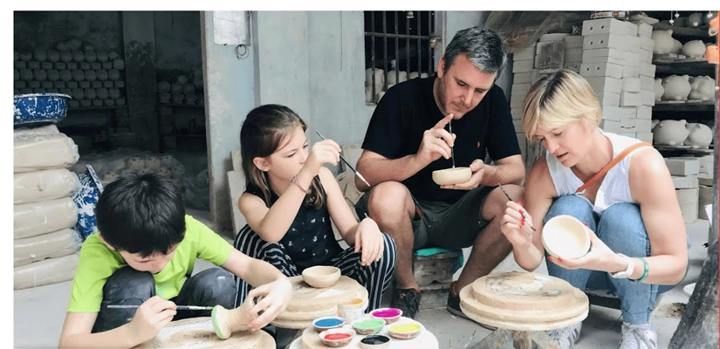
One of the highlights is the hands-on experience: you can try shaping your own pottery on a wheel under the guidance of local artisans. It’s a fun and memorable activity, especially for families and creative travelers.
Beyond ceramics, Bat Trang also offers a glimpse into local life. Small eateries serve simple Northern Vietnamese dishes, making it a great place to spend a relaxed half-day immersed in craft, culture, and community.
Van Phuc Silk Village – Vietnam’s Silk Heritage
Located about 10 km southwest of Hanoi in Ha Dong District, Van Phuc is one of Vietnam’s oldest and most prestigious silk villages, with a history spanning over 1,000 years. Once supplying silk to royal courts, the village has long been synonymous with high-quality craftsmanship and refined textile artistry.
Van Phuc is especially known for its signature “Van Silk” (lụa vân), a type of silk woven with subtle patterns that appear directly in the fabric rather than being printed on. Walking through the village, you’ll hear the rhythmic sound of traditional looms still in use today, alongside modern workshops producing silk for both domestic and international markets.

The main street is lined with colorful silk shops showcasing everything from scarves and dresses to tailored garments. One of the most iconic spots is the vibrant umbrella street—perfect for photography and a favorite among visitors looking for Instagram-worthy moments.
Beyond shopping, Van Phuc offers a cultural experience rooted in living tradition. You can observe the weaving process up close, learn about silk production, and interact with local artisans. It’s an ideal destination for travelers who enjoy a mix of culture, craftsmanship, and visual charm.
Quang Phu Cau Village – The Incense Village
Located about 35 km southwest of Hanoi in Ung Hoa District, Quang Phu Cau is one of Vietnam’s most famous incense-making villages, with a history of over 100 years. Once supplying incense for temples and households across the region, the village has become a symbol of spiritual tradition and visual artistry.
Quang Phu Cau is best known for its vibrant bundles of incense sticks, dyed in shades of red, pink, and yellow, then laid out to dry in the sun. The sight of these colorful arrangements—often shaped like blooming flowers—creates a striking and highly photogenic landscape, making it a favorite destination for photographers.

Visitors can walk through family-run workshops to observe each step of the process, from splitting bamboo and dyeing sticks to coating them with fragrant incense paste. While it’s less hands-on than some other craft villages, the experience offers a fascinating look into a tradition deeply tied to Vietnamese spiritual life.
There’s not much in terms of food or dining here, but the cultural value and visual uniqueness more than make up for it. Quang Phu Cau is best suited for those interested in photography, traditional crafts, and experiencing a quieter, more authentic side of rural Vietnam.
Important note: Many households now charge a small photography fee (around 50,000–100,000 VND) if you want to take photos in their drying yards. It’s best to ask politely beforehand—locals are generally welcoming when approached respectfully.
Duong Lam Ancient Village – A Step Back in Time
Located about 45 km west of Hanoi in Son Tay Town, Duong Lam is one of the oldest surviving villages in Northern Vietnam, often referred to as a “living museum” of rural architecture and history. With roots dating back over 1,200 years, it is famous for its traditional laterite houses—built from reddish-brown stone that gives the village its distinctive, timeless character.
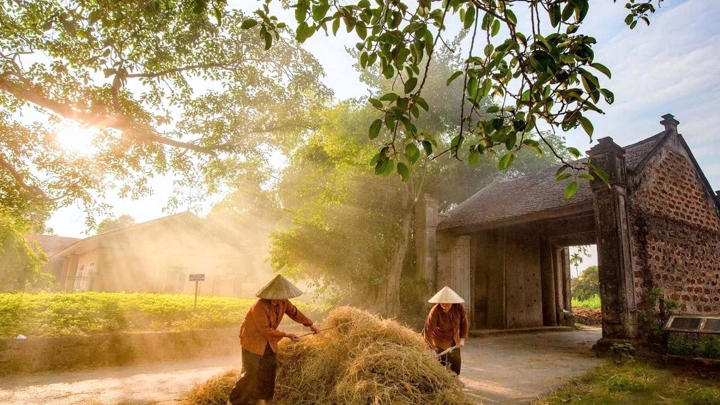
Walking through Duong Lam feels like stepping into the past. Narrow lanes, ancient communal houses, moss-covered gates, and quiet courtyards create a peaceful atmosphere far removed from the city. The best way to explore is on foot or by bicycle, allowing you to slow down, take in the surroundings, and interact with friendly locals who still live in these historic homes.

The experience here is less about “things to do” and more about how it makes you feel—quiet, slow, and deeply nostalgic. You can visit centuries-old houses, stop by small family-run shops, or simply sit and observe daily life unfolding at its own gentle pace.
Duong Lam is ideal for travelers seeking cultural depth and a sense of authenticity, offering a rare glimpse into Vietnam’s rural heritage that has remained largely unchanged over time.
Chuong Conical Hat Village – The Icon of Vietnam
Located about 30 km southwest of Hanoi in Thanh Oai District, Chuong Village is one of the most well-known centers for making Vietnam’s iconic conical hats (nón lá). With a history spanning hundreds of years, the village has long supplied hats not only for daily use but also for cultural performances and traditional attire across the country.
Walking through Chuong, you’ll see artisans skillfully crafting hats by hand—layering palm leaves, shaping bamboo frames, and stitching each piece with remarkable precision. The process is delicate and time-consuming, reflecting both craftsmanship and cultural pride. Visitors are welcome to observe these techniques up close and learn about the meaning behind this simple yet symbolic item of Vietnamese identity.

One of the best times to visit is during the local market days, when the village comes alive with traders, stacks of freshly made hats, and a vibrant glimpse into rural commerce. It’s also the perfect opportunity to buy authentic nón lá directly from the makers.
Chuong Village is ideal for travelers interested in traditional crafts and cultural icons, offering a deeper appreciation of an everyday object that has become a timeless symbol of Vietnam.
Insider tip: Chuong’s traditional market takes place on lunar calendar days (4, 10, 14, 20, 24, and 30). Visiting on these days offers a much livelier and more authentic experience, with hundreds of hats traded in a vibrant local setting.
Ha Thai Lacquer Village – The Hidden Art of Vietnamese Lacquer
Located about 20 km south of Hanoi in Thuong Tin District, Ha Thai is one of the oldest lacquer craft villages in Vietnam, with a history dating back over 200 years. Known for its traditional sơn mài (lacquerware), the village has long been a center for producing both decorative art and functional objects, blending ancient techniques with contemporary design.
What makes Ha Thai truly special is its complex, multi-layer lacquer process. Each piece can go through dozens of meticulous steps—coating, drying, sanding, polishing, and layering again—often taking weeks or even months to complete. This makes lacquer one of the most time-consuming and technically demanding crafts in Vietnam, requiring patience, precision, and artistic vision.

Visitors to Ha Thai can step inside workshops to witness this intricate process firsthand. From hand-painting delicate motifs to polishing surfaces to a deep, glossy finish, every stage reveals the dedication behind each artwork. Some studios also offer hands-on experiences, allowing you to try basic techniques and gain a deeper appreciation for the craft.
Despite its rich heritage, Ha Thai remains relatively under the radar, making it a perfect destination for travelers seeking something authentic and less touristy. It’s especially appealing for art lovers and those curious about Vietnam’s traditional craftsmanship—where every piece tells a story of time, skill, and cultural identity.
Phu Thuong Sticky Rice Village – A Taste of Hanoi Tradition
Located about 10 km west of Hanoi, near the Red River in Tay Ho District, Phu Thuong Village has been known for its traditional xôi (sticky rice) for generations. This is not a craft village in the usual sense, but a culinary one—where recipes and techniques have been carefully preserved and passed down within families over decades.
The best time to visit is early in the morning, when the village comes alive with the soft rhythm of daily preparation. You’ll see locals washing rice, soaking grains, and steaming them in large bamboo baskets over charcoal stoves. The process may seem simple, but it requires precision and experience to achieve the perfect texture—soft, fragrant, and slightly chewy.

What makes Phu Thuong special is its authenticity. There are no staged performances or souvenir shops here—just real life unfolding as it always has. Women carry trays of freshly made xôi to markets across Hanoi, continuing a quiet but essential part of the city’s food culture.
This is not a place you “visit” in the traditional sense—it’s a place you observe. For travelers seeking genuine local experiences, Phu Thuong offers a rare glimpse into everyday life, where tradition is not preserved for show, but lived naturally each day.
Xuan La Village – The Home of Tò He Folk Toys
Located about 40 km west of Hanoi in Phu Xuyen District, Xuan La Village is the birthplace of tò he—a unique Vietnamese folk art made from colored glutinous rice dough. For centuries, artisans here have shaped these tiny figures by hand, turning simple ingredients into vibrant characters full of life and meaning.
Watching the process is mesmerizing. With just a few quick movements, artisans transform soft dough into animals, flowers, or legendary figures. Visitors can also try making their own, creating playful shapes under the guidance of skilled craftsmen.

In many ways, tò he is similar to modeling clay or Play-Doh in Western cultures—but with a meaningful twist. It’s completely biodegradable and even edible, traditionally made from steamed rice flour and natural dyes. More importantly, each figure carries cultural stories, from zodiac animals to folk tales. Today, you’ll also find modern characters like superheroes alongside traditional forms—where imagination meets heritage.
This is more than just a toy—it’s a form of storytelling. From zodiac animals to Spider-Man, tò he reflects how tradition evolves while staying rooted in culture. For visitors, it’s a joyful and nostalgic experience that connects creativity, childhood, and Vietnamese identity in the most delightful way.
Travel Tips for Visiting Villages Near Hanoi
A little preparation can make your village visits far more meaningful and enjoyable. These simple tips will help you travel smoothly while respecting local culture.
Go early in the morning: Villages are most authentic at the start of the day, when artisans begin their work and daily life unfolds naturally. It’s also cooler, quieter, and better for photography.
Bring cash: Most small workshops and local vendors don’t accept cards, so having cash on hand makes it easier to buy crafts, food, or join hands-on activities.
Respect artisans and their space: These are working villages, not staged attractions. Be mindful, avoid interrupting their work, and show appreciation for their skills and time.
Ask before taking photos: Some artisans are happy to be photographed, others prefer privacy—especially inside workshops. A simple gesture or smile goes a long way.
Combine nearby villages: To make the most of your trip, pair villages that are close to each other. This helps you explore more without spending too much time on the road.
Insider tip: Weekdays offer a more authentic, local atmosphere, while weekends are livelier with more visitors and activity—choose based on your travel style.
FAQs About Hanoi Village Day Trips
Which village is closest to Hanoi?
Van Phuc Silk Village and Bat Trang Pottery Village are among the closest, both within 10–15 km from the city center and easily accessible by car, taxi, or motorbike.
Which village is best for hands-on experience?
Bat Trang is the top choice for interactive activities, where you can try pottery making yourself. Ha Thai also offers hands-on lacquer workshops for art lovers.
Can I visit multiple villages in one day?
Yes. Many villages are located near each other, so combining 2 stops in a full-day trip is very doable. Just avoid rushing—focus on quality over quantity.
Are these villages touristy?
Some, like Bat Trang and Van Phuc, are more developed for visitors. Others such as Phu Thuong or Ha Thai remain less touristy and offer a more local, authentic feel.
What should I buy as souvenirs?
Ceramics from Bat Trang, silk from Van Phuc, lacquerware from Ha Thai, and conical hats from Chuong are all meaningful, locally made souvenirs.
Do locals speak English?
Basic English is spoken in more touristy villages, but it’s limited in smaller communities. A translation app or guide can be helpful.
Is it easy to travel without a guide?
Yes, most villages are easy to reach independently by Grab, taxi, or motorbike. However, a guide can enhance the experience with deeper cultural insights and smoother logistics.
Conclusion – Discover the Soul of Northern Vietnam
These are not just day trips—they are cultural encounters. Each village you visit offers more than sights; it reveals a way of life shaped by generations of craft, community, and quiet resilience.
From the rhythm of weaving looms to the careful hands shaping clay or rice dough, every detail tells a story that continues to live and evolve. This is where Vietnam’s heritage is not preserved behind glass, but practiced daily, in real homes and real lives.
Each village is a living story—of craft, community, and continuity. And by stepping into these spaces, you become part of that story, even if just for a moment. So next time you’re in Hanoi, go beyond the Old Quarter—and discover the villages where Vietnam’s traditions still breathe.
>>> Phu Thuong Sticky Rice Village: Hanoi’s Traditional Xoi Craft Heritage
>>> Bat Trang Pottery Village: A 700-Year-Old Vietnamese Craft Hub

Thuy Nguyen is a passionate travel blogger and storyteller who has spent years exploring the hidden corners of Vietnam and Southeast Asia. With a love for authentic experiences, she writes about local life, culture, and off-the-beaten-path adventures. Through her words, Anh invites readers to travel deeper, connect with people, and find beauty in every journey — whether it’s a quiet sunrise in Hoi An or a mountain trail in Ha Giang.
Send us your comments about : Best Villages Near Hanoi for a Perfect Day Trip (Craft, Culture & Local Life)
Required fields*
You may also like


You may also like

Bat Trang Pottery Museum: A Complete Guide to Vietnam’s Living Ceramic Heritage
Just outside Hanoi, the Bat Trang Pottery Museum offers a hands-on journey into Vietnam’s ceramic heritage. Discover what to see, do, and plan for a perfect half-day trip.

24 Hours in Saigon: A Journey Through the City’s Contrasts
Forget the standard tourist loops. To understand Saigon, you must embrace its paradoxes. Spend your 24 hours navigating the extremes—where the hum of ancient temples meets the buzz of rooftop bars.

Cam Thanh Coconut Village – The Ultimate Guide to Hoi An’s Basket Boat Experience
Discover Cam Thanh Coconut Village in Hoi An. Learn about basket boat rides, ticket prices, best time to visit, local culture, and insider tips for an authentic eco-adventure.
Travel ideas
Need some inspiration? Discover some of the best tours in Vietnam, which are highly appreciated by our clients. An excellent starting point to help you choose the right trip to Vietnam, Laos, Cambodia, Burma or Thailand, whether you are traveling alone, as a couple, as a family or with friends.
And because this trip is yours, feel free to customize it as you wish!
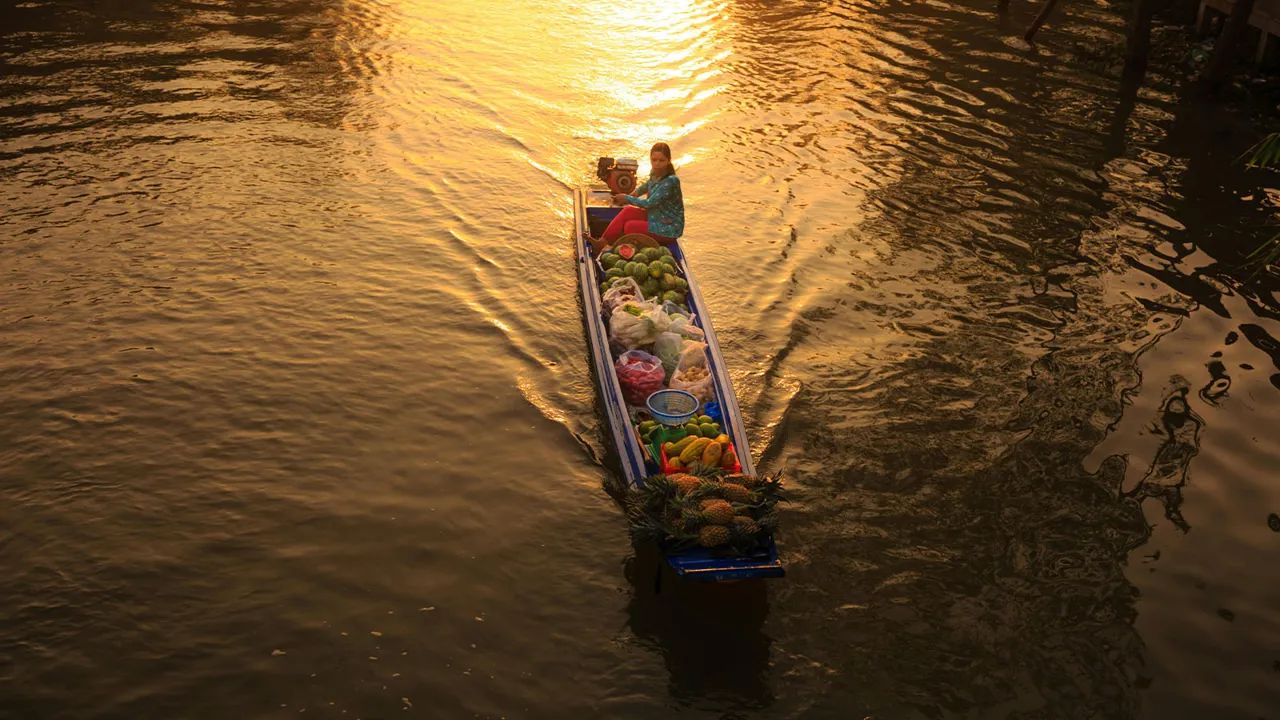
Vietnam Itinerary 2 Weeks
Hanoi - Ninh Binh - Lao Cai - Sapa - Muong Hum market - Ha Long Bay - Hue - Danang - Hoi An - Saigon - Mekong Delta - Cai Rang floating market - Departure

The Best of Ha Giang Trekking Tours
Discover Ha Giang on trekking tours where you live local life, enjoy breathtaking views and escape the crowded routes.

Vietnam and Laos 14 days
Saigon - My Tho - Da Nang- Hoian – Hue - Hanoi - Halong Bay - Vientiane Luang Prabang - Pak Ou – Khuang Si - Luang Prabang – Departure
Vietnam Cambodia Itinerary 14 Days
Hanoi – Hoa Binh – Mai Chau – Ninh Binh – Halong bay – Hue - Danang – Hoian – Saigon – Ben Tre - Can Tho – Saigon - Siem Reap Angkor - Tonlé Sap - Siem Reap – Ta Prohm - Departure

Authentic Hoang Su Phi Trekking Tours
Hoang Su Phi trekking tours take you to stunning terraces, meet few tourists, connect with locals and enjoy authentic culture.

Honeymoon Tour Packages In Vietnam 12 Days
Saigon Arrival - City Tour – Mekong Delta – Danang – Hoian - by flight - Da Nang – Hanoi - by flight – Halong - overnight on junk – Departure
Are you interested in this tour?


Our testimonials
Whether it's a short or long tour, to discover must-see sites or to travel less-traveled paths, by car, junk, on foot, by bike or by motorbike... upon their return from their trip to Indochina, our clients tell us about their experiences. We thank them for entrusting us with the organization of their stay in Vietnam, Cambodia, Laos, Thailand and Myanmar!
Tailor-made trips to Vietnam
Are you a couple, a family, a group of friends? Are you planning a trip to Vietnam and/or Southeast Asia? Or maybe you want an individual, personalized trip, operated directly by a local agency? Perhaps you're thinking of a customized trip accompanied by a perfectly French-speaking guide and a private car with a professional driver... Are you the kind of traveler who likes to go where others don't? Our tailor-made tours adapt to your desires, your choices, your pace and your budget.... You decide, we create a trip that suits you!





Don't miss anything from Southeast Asia
The press talks about us




Comment
No comments yet. Be the first to leave a comment!