 Français
 Deutsch
 Italiano
 Português
 Español
Vietnamese New Year Traditions: Meaningful Customs During Tet Holiday
Discover meaningful Vietnamese New Year traditions during Tet, from ancestral worship and lucky money to festive foods and customs reflecting the heart of Vietnamese culture.
“Vietnamese Tet,” commonly known as the Lunar New Year (Tet Nguyen Dan), is not only the most important celebration of the year but also a distinctive symbol of Vietnam’s culture and traditions. With its deeply rooted customs, warm family feasts, and joyful atmosphere of reunion, Tet brings profound spiritual values to every household. Join Vietnam Original Travel in discovering the unique beauty and meaningful traditions of Tet in this article!
Understanding Tet – More Than Just a New Year
What Is Tet?
Tet, short for Tet Nguyen Dan, is the Vietnamese Lunar New Year and the most important celebration of the year in Vietnam. It marks the arrival of spring based on the lunar calendar and symbolizes renewal, fresh beginnings, and hope for the year ahead.
Unlike Western New Year celebrations, which often focus on countdowns and fireworks, Tet is deeply rooted in family values, ancestral traditions, and spiritual reflection. It is a time when millions of Vietnamese people return to their hometowns to reunite with loved ones, honor their ancestors, and prepare for a prosperous year.
For visitors, Tet offers a rare opportunity to witness Vietnam at its most meaningful and culturally vibrant moment.

When Does Tet Take Place?
Tet follows the lunar calendar, so its date changes each year, usually falling between late January and mid-February. The celebration officially begins on the first day of the Lunar New Year, but preparations start weeks in advance.
In the days leading up to Tet, families clean their homes, decorate with peach blossoms or apricot flowers, prepare traditional foods, and settle unfinished matters to welcome the new year with clarity and positivity. The festive atmosphere can be felt across the country, from busy flower markets to quiet family altars prepared for ancestral worship.
What Does Tet Mean to Vietnamese People?
Beyond festive decorations and traditional foods, Tet carries profound emotional and spiritual significance for Vietnamese people. At its heart, Tet is about reunion, remembrance, renewal, and inner reflection.
Family Reunion and Togetherness
Tet is the most important occasion for family reunions in Vietnam. Millions of people travel back to their hometowns to gather with parents, grandparents, and relatives after months or even years apart. These shared meals and conversations strengthen family bonds and reaffirm the importance of connection in Vietnamese society.

Gratitude and Ancestor Remembrance
A central part of Tet is honoring ancestors. Families prepare offerings of food, fruit, and incense on home altars to invite departed relatives to “celebrate” the New Year with them. This tradition reflects the deeply rooted belief in gratitude and the moral principle of remembering one’s origins — a value that continues to shape Vietnamese identity today.
A New Beginning Filled with Hope
Tet marks the transition from the old year to the new, symbolizing a fresh start. People set aside past difficulties and welcome the year ahead with wishes for health, prosperity, and good fortune. The first days of the year are considered especially important, as they are believed to influence the months to come.

Spiritual Renewal and Inner Cleansing
Preparing for Tet is not only about cleaning homes or decorating streets. It is also a time for emotional renewal — letting go of misunderstandings, resolving conflicts, and beginning the year with a clear mind and a peaceful heart. In this sense, Tet represents both an external celebration and an inner transformation.
Key Vietnamese New Year Traditions You Should Know
Today, although the way Tet is celebrated has evolved over time, the core values of reunion, gratitude, and the aspiration for a peaceful new year remain the very soul of Vietnam’s traditional Lunar New Year. Tet is marked by time-honored customs that beautifully preserve the nation’s cultural heritage.
Farewell Ceremony for the Kitchen Gods (23rd Day of Lunar December)
One of the earliest and most meaningful rituals leading up to Tet is the Farewell Ceremony for the Kitchen Gods, which takes place on the 23rd day of the last lunar month. This tradition marks the symbolic departure of the Kitchen Gods to Heaven, where they report on each household’s affairs over the past year.

In Vietnamese belief, the Kitchen Gods (Ông Công, Ông Táo) reside in every home, watching over daily life and maintaining harmony within the family. As guardians of the household, they observe both good deeds and shortcomings. Before Tet, families prepare a small offering ceremony to send them off respectfully.
A key element of this ritual is the offering of live carp fish. According to tradition, the carp serves as a vehicle that carries the Kitchen Gods to Heaven. After the ceremony, the fish are often released into rivers or lakes, symbolizing kindness and the wish for a smooth journey.
Cleaning Graves and the Year-End Family Gathering
As Tet approaches, many Vietnamese families take time to visit and clean the graves of their ancestors. This practice, often referred to as tomb sweeping, is an important gesture of remembrance and respect. Families clear weeds, tidy the surroundings, and light incense to honor those who came before them. It is both a physical act of care and a symbolic expression of gratitude.

For European readers, this tradition may feel similar in spirit to All Souls’ Day or other memorial customs, where families visit cemeteries to remember loved ones. In Vietnam, however, this ritual is closely tied to Tet, reinforcing the belief that the presence of ancestors remains an essential part of family life.
Alongside tomb sweeping, households organize a year-end family dinner known as Tat Nien. This gathering takes place before Lunar New Year’s Eve and serves as a final meal of the old year. Family members come together to share traditional dishes, reflect on the year that has passed, and express appreciation for one another.
Making Banh Chung and Banh Tet
No Tet celebration in Vietnam is complete without banh chung in the North or banh tet in the South. These traditional sticky rice cakes are more than festive dishes — they are powerful symbols of Vietnam’s agricultural heritage and cultural identity.
In northern Vietnam, banh chung is square-shaped, carefully wrapped in green leaves and filled with glutinous rice, mung beans, and pork. In the South, banh tet takes a cylindrical form but uses similar ingredients. The difference in shape reflects regional variations, yet both cakes carry the same deep meaning.

According to Vietnamese legend, the square shape of banh chung represents the Earth, honoring the ancient belief in harmony between Heaven and Earth. Made primarily from rice — the foundation of Vietnam’s traditional rice-based civilization — these cakes symbolize prosperity, nourishment, and gratitude for nature’s blessings.
The process of wrapping and cooking the cakes is often a communal activity. Families gather to prepare the ingredients, fold the leaves, and watch over the pot as the cakes slowly boil for hours. This shared effort strengthens family bonds and creates cherished memories across generations.
New Year’s Eve & The First Footstep (Xong Dat)
New Year’s Eve during Tet marks a powerful moment of transition — the farewell to the old year and the welcoming of the new one. As midnight approaches, families gather at home, light incense on ancestral altars, and step into the new year with wishes for health, prosperity, and harmony. This moment is not only festive but symbolic, representing renewal and the turning of fate.
One of the most meaningful customs that follows is Xong Dat, or the “First Footstep.” According to tradition, the first person to enter a home after midnight plays an important role in shaping the family’s luck for the year ahead. This visitor is carefully chosen, often someone believed to bring positive energy, success, and good fortune.

The belief reflects a broader cultural idea: that the beginning of the year influences what follows. Starting well means setting the tone for the months to come.
For European readers, this custom may feel familiar. In Scotland, for example, the tradition of “first footing” during Hogmanay also places importance on the first visitor of the New Year, who is thought to bring luck to the household. Such parallels highlight how different cultures, despite their distance, share a common hope — that a good beginning leads to a fortunate year.
New Year Greetings & Lucky Money (Li Xi)
One of the most joyful and heartwarming moments of Tet is the exchange of New Year greetings and li xi, or lucky money. On the first days of the Lunar New Year, younger family members respectfully offer wishes of health, longevity, and prosperity to their elders. In return, elders give red envelopes containing small amounts of money as a symbol of blessings and good fortune.

This tradition reflects the strong sense of hierarchy and respect within Vietnamese families. Children greet grandparents and parents first, often using carefully chosen phrases that express gratitude and filial piety. The act is not merely ceremonial — it reinforces family bonds and the cultural value of honoring those who came before.
The red envelopes themselves carry deep symbolism. The color red represents luck, happiness, and protection against misfortune. The money inside is less about material value and more about conveying prosperity, encouragement, and positive energy for the year ahead.
Visiting Pagodas, Picking Lucky Buds & Calligraphy
During the first days of Tet, many Vietnamese people visit pagodas and temples to pray for peace, health, and good fortune. This is not a festive celebration in the loud sense, but rather a quiet and reflective moment. Families light incense, make small offerings, and take time to set personal intentions for the year ahead. The atmosphere is calm and spiritual, emphasizing inner balance as much as outward prosperity.
Another popular custom is hai loc, or “picking lucky buds.” After praying at the pagoda, visitors gently take a small branch or young leaf as a symbol of new growth and fresh beginnings. The tender bud represents vitality, renewal, and the hope that the coming year will flourish just like spring leaves.

Tet is also a time to ask for calligraphy, a tradition deeply connected to Vietnam’s respect for learning and education. Scholars or calligraphy masters write meaningful words — such as “Prosperity,” “Peace,” or “Happiness” — on red paper. These characters are then displayed in homes as reminders of personal aspirations and moral values.
Together, these customs reflect an essential aspect of Tet: beyond celebration and reunion, the New Year is also about spiritual reflection, intellectual respect, and setting thoughtful intentions for the future.
Buying Salt at the Beginning of the Year
Among the many simple yet meaningful customs of Tet is the tradition of buying salt during the first days of the Lunar New Year. In Vietnam, there is a well-known saying: “Buy salt at the beginning of the year, buy lime at the end of the year.” The act of purchasing a small packet of salt symbolizes the wish for a balanced, harmonious, and prosperous year ahead.

In Vietnamese culture, salt carries layered meanings. It represents purity, preservation, and protection against negative influences. Because salt has long been used to preserve food and enhance flavor, it also symbolizes durability and strength — qualities that families hope to maintain in their relationships throughout the year.
Choosing an Auspicious Time & First Writing (Xuat Hanh, Khai But)
As Tet begins, many Vietnamese families pay close attention to timing. The custom of Xuat Hanh refers to choosing an auspicious hour and direction for the first departure from home in the New Year. Whether visiting relatives, going to the pagoda, or simply stepping outside, this symbolic first outing is believed to influence the flow of luck and opportunity in the months ahead.

Similarly, Khai But, or “first writing,” is a cherished tradition that reflects Vietnam’s long-standing respect for learning and education. On an auspicious day during Tet, individuals — especially students and scholars — write their first words of the year. These may be meaningful phrases, personal goals, or simply neat lines of handwriting. The act represents intellectual renewal and the hope for academic or professional success.
What Travelers Should Know When Visiting Vietnam During Tet
Visiting Vietnam during Tet offers a unique and memorable cultural experience, but it also requires some practical awareness. As the most important holiday of the year, Tet significantly affects daily life across the country.
Businesses may close during first days: Many local businesses, family-run shops, and small restaurants temporarily close so owners can spend time with relatives. Major tourist attractions and hotels usually remain open, but services may operate on reduced schedules. Planning ahead and confirming reservations in advance is highly recommended.
Transportation busy: Transportation can also be particularly busy in the days leading up to Tet, as millions of people travel back to their hometowns. Domestic flights, trains, and buses often sell out quickly. Booking tickets early is essential if your trip coincides with this peak travel period.
Atmosphere is festive but slower pace: Streets are decorated with flowers and lights, families gather in traditional clothing, and cities feel both celebratory and calmer than usual. In major urban centers, the pace may slow slightly during the first few days, creating a quieter, more reflective environment.
Great opportunity for authentic cultural immersion: Tet is an exceptional time to observe authentic traditions, family rituals, and spiritual customs.
Respectful behavior tips: Dressing modestly when visiting pagodas, asking permission before photographing people, and understanding the importance of family time will enhance both your experience and local interactions.
Experiencing Tet as a Cultural Journey
To experience Tet is to step beyond sightseeing and into the living heart of Vietnamese culture. While landscapes, cuisine, and historic sites may draw travelers to Vietnam, Tet reveals something deeper — the values, beliefs, and traditions that shape everyday life.
For those who travel during the Lunar New Year, Tet offers an unforgettable cultural experience. It is a moment when tradition becomes visible in every home, street, and shared meal. By exploring Vietnam not only through its landscapes but also through its customs and stories, travelers gain a richer and more authentic understanding of the country.
In the end, Tet is more than a holiday — it is an invitation to witness the spirit of Vietnam at its most genuine and heartfelt.
>>> Should You Travel to Vietnam During Tet holiday?
>>> Top 4 Things To Do In Saigon After Tet Holidays
Giang is a Vietnam destination expert with over a decade of experience guiding travelers through the country’s most inspiring regions. Born and raised in the Red River Delta, Giang has an intimate understanding of local traditions, cuisine, and culture. Her articles reflect her mission: to help travelers discover the authentic Vietnam — beyond the postcards — through meaningful encounters and immersive journeys.
Send us your comments about : Vietnamese New Year Traditions: Meaningful Customs During Tet Holiday
Required fields*
You may also like

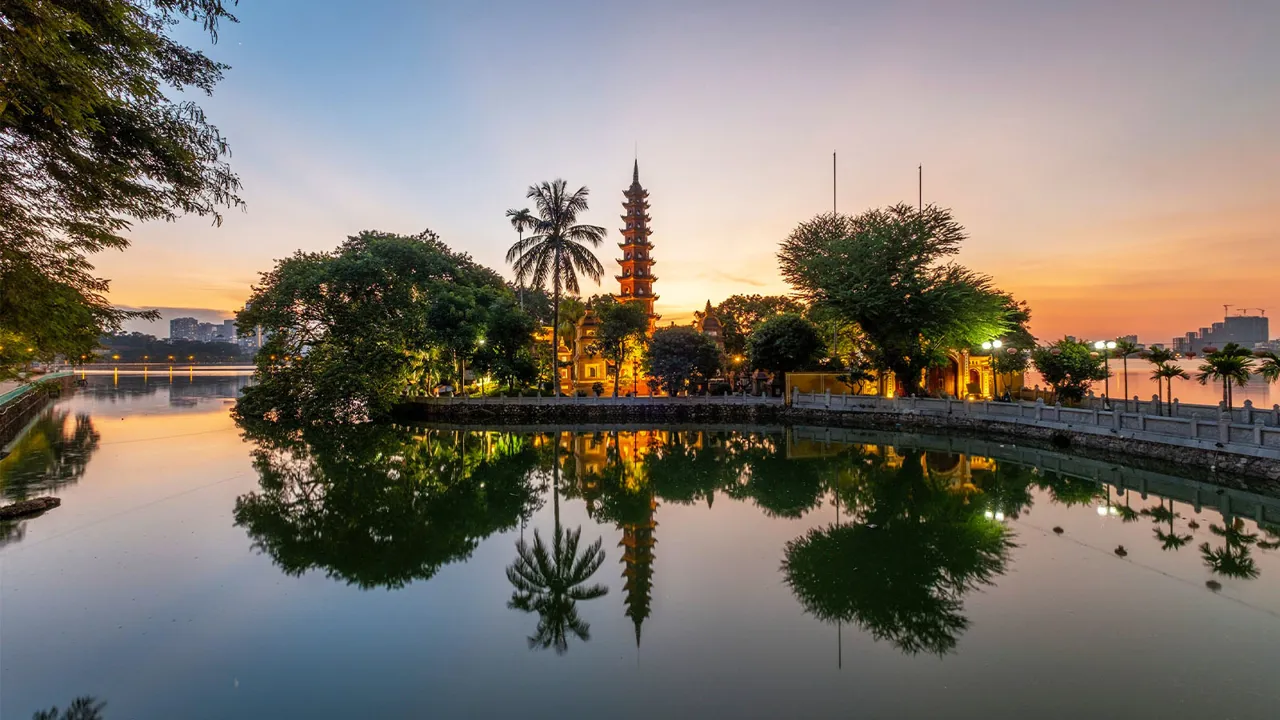
You may also like

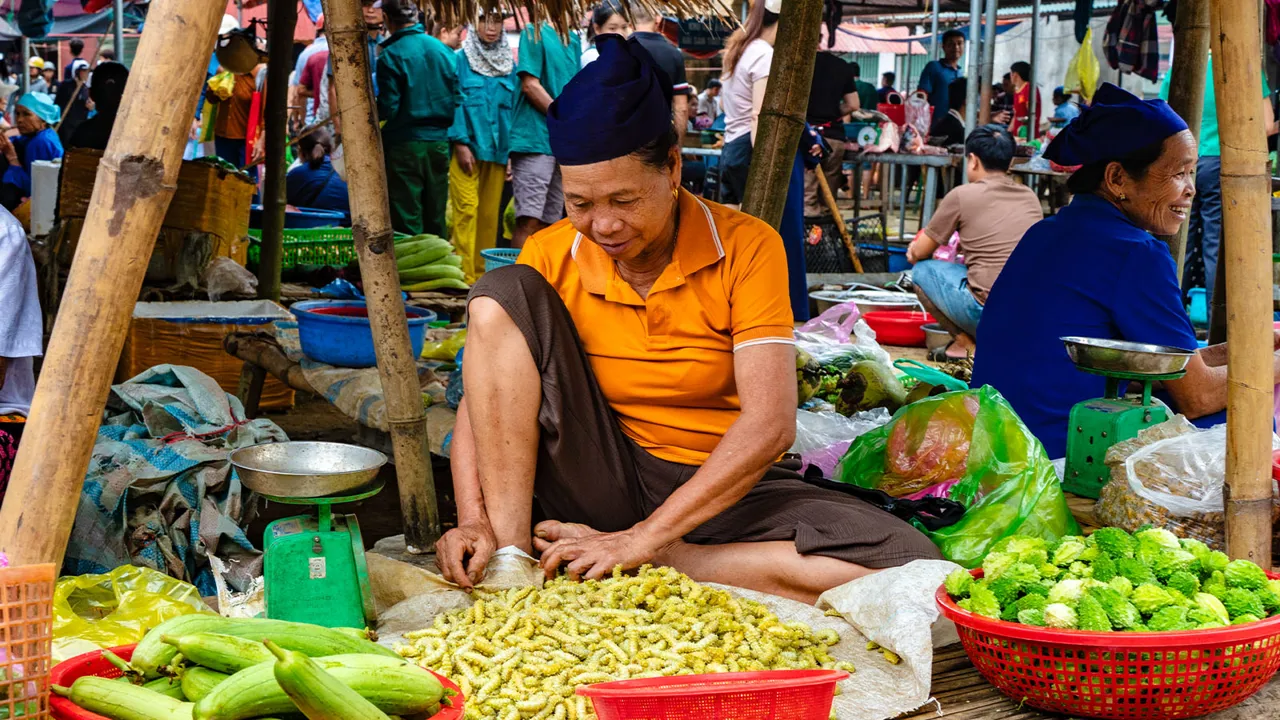
Phu Thuong Sticky Rice Village: Hanoi’s Traditional Xoi Craft Heritage
Discover Phu Thuong Sticky Rice Village in Hanoi, where generations preserve the art of traditional xoi, a culinary heritage deeply rooted in Vietnam’s rice culture and history.
-480.webp)
Cyclo (Rickshaw) in Vietnam – A Timeless Way to Explore the Streets
Discover the charm of cyclo rides in Vietnam—a slow, immersive way to explore bustling streets, historic landmarks, and everyday local life from Hanoi to Hue and beyond today.

Phuoc Hai Beach, Vung Tau: A Quiet Seaside Escape Beyond the Crowds
Phuoc Hai Beach offers a quieter side of Vung Tau, where unspoiled coastline meets local fishing life—perfect for relaxation, fresh seafood, and an authentic coastal escape.
Travel ideas
Need some inspiration? Discover some of the best tours in Vietnam, which are highly appreciated by our clients. An excellent starting point to help you choose the right trip to Vietnam, Laos, Cambodia, Burma or Thailand, whether you are traveling alone, as a couple, as a family or with friends.
And because this trip is yours, feel free to customize it as you wish!
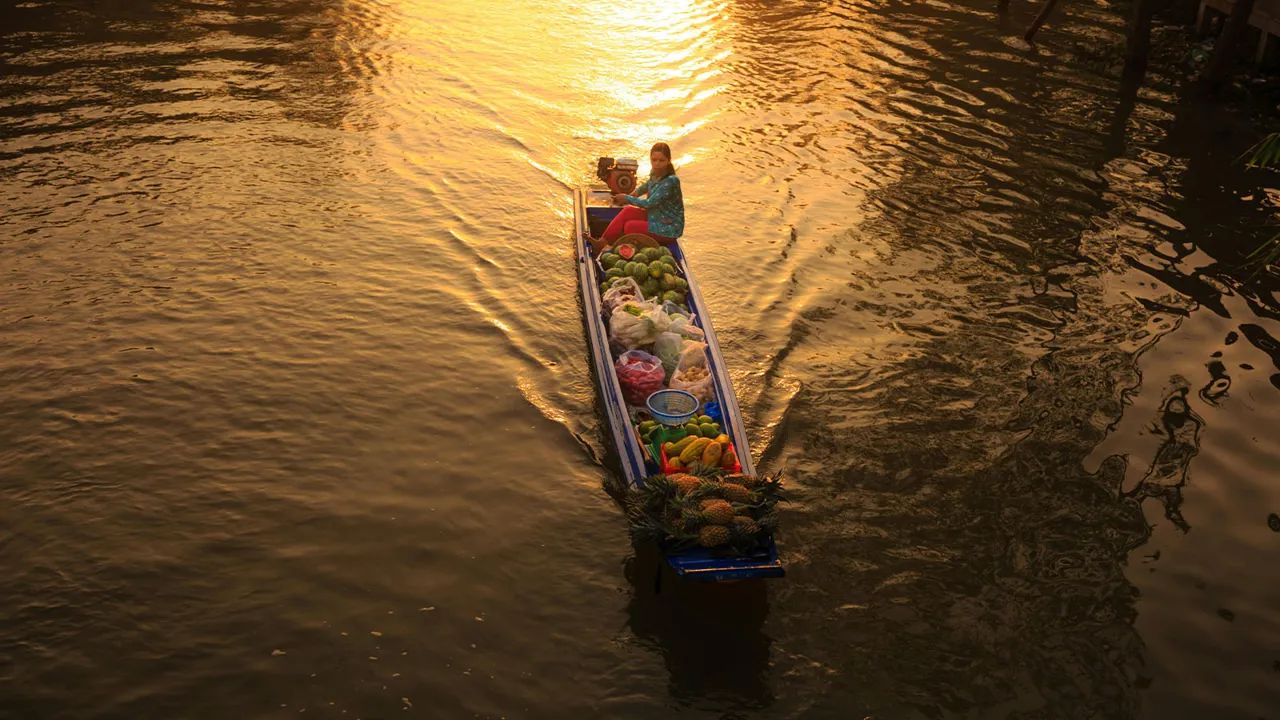
Vietnam Itinerary 2 Weeks
Hanoi - Ninh Binh - Lao Cai - Sapa - Muong Hum market - Ha Long Bay - Hue - Danang - Hoi An - Saigon - Mekong Delta - Cai Rang floating market - Departure

The Best of Ha Giang Trekking Tours
Discover Ha Giang on trekking tours where you live local life, enjoy breathtaking views and escape the crowded routes.

Vietnam and Laos 14 days
Saigon - My Tho - Da Nang- Hoian – Hue - Hanoi - Halong Bay - Vientiane Luang Prabang - Pak Ou – Khuang Si - Luang Prabang – Departure
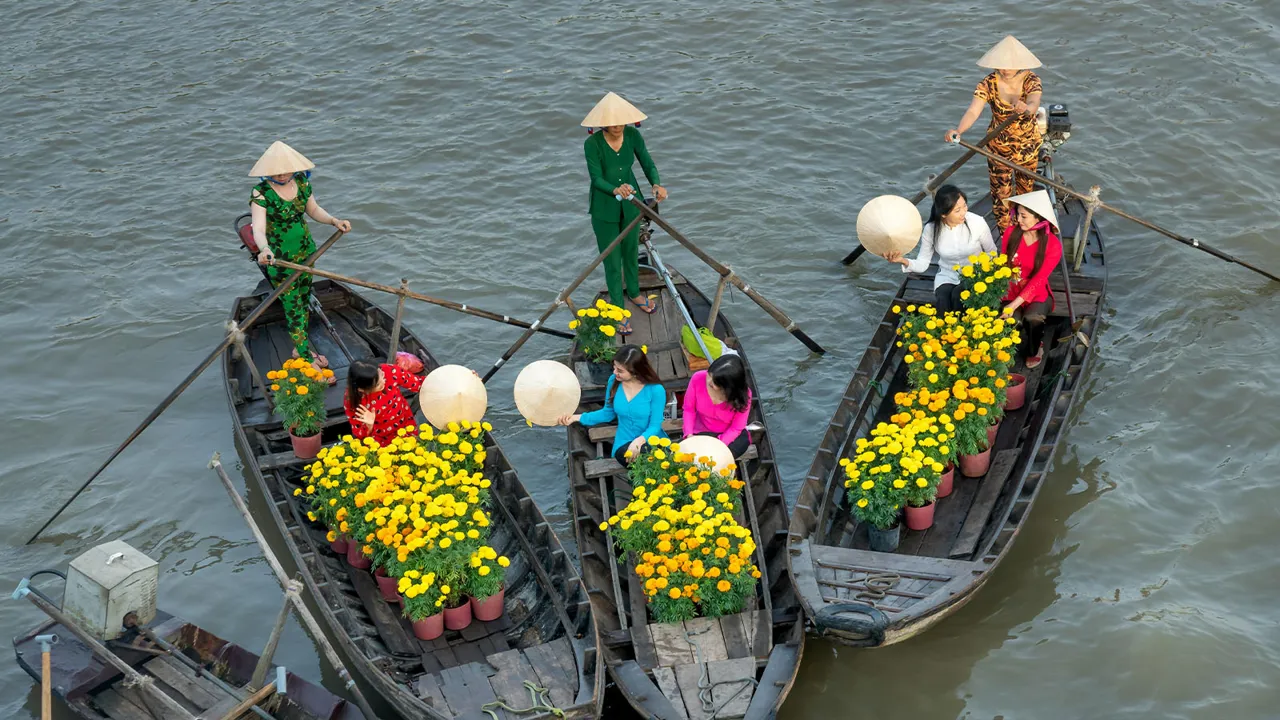
Vietnam Cambodia Itinerary 14 Days
Hanoi – Hoa Binh – Mai Chau – Ninh Binh – Halong bay – Hue - Danang – Hoian – Saigon – Ben Tre - Can Tho – Saigon - Siem Reap Angkor - Tonlé Sap - Siem Reap – Ta Prohm - Departure

Authentic Hoang Su Phi Trekking Tours
Hoang Su Phi trekking tours take you to stunning terraces, meet few tourists, connect with locals and enjoy authentic culture.

Honeymoon Tour Packages In Vietnam 12 Days
Saigon Arrival - City Tour – Mekong Delta – Danang – Hoian - by flight - Da Nang – Hanoi - by flight – Halong - overnight on junk – Departure
Are you interested in this tour?

Our testimonials
Whether it's a short or long tour, to discover must-see sites or to travel less-traveled paths, by car, junk, on foot, by bike or by motorbike... upon their return from their trip to Indochina, our clients tell us about their experiences. We thank them for entrusting us with the organization of their stay in Vietnam, Cambodia, Laos, Thailand and Myanmar!
Tailor-made trips to Vietnam
Are you a couple, a family, a group of friends? Are you planning a trip to Vietnam and/or Southeast Asia? Or maybe you want an individual, personalized trip, operated directly by a local agency? Perhaps you're thinking of a customized trip accompanied by a perfectly French-speaking guide and a private car with a professional driver... Are you the kind of traveler who likes to go where others don't? Our tailor-made tours adapt to your desires, your choices, your pace and your budget.... You decide, we create a trip that suits you!

Don't miss anything from Southeast Asia
The press talks about us


Comment
No comments yet. Be the first to leave a comment!