 Français
 Deutsch
 Italiano
 Português
 Español


Phu Thuong Sticky Rice Village: Hanoi’s Traditional Xoi Craft Heritage
Discover Phu Thuong Sticky Rice Village in Hanoi, where generations preserve the art of traditional xoi, a culinary heritage deeply rooted in Vietnam’s rice culture and history.
Beyond Pho and Banh Mi, Vietnam also offers a world of flavors that rarely make international headlines. Among them is xoi - Vietnamese sticky rice - a humble yet deeply meaningful dish woven into everyday life. From early morning street corners to ancestral altars during festive celebrations, xoi is more than breakfast; it is a reflection of Vietnam’s rice-based civilization and family traditions. In Hanoi, this culinary heritage is preserved with particular pride in Phu Thuong Village, where generations of artisans have transformed simple grains of sticky rice into a symbol of craftsmanship, community, and cultural identity.
Phu Thuong Village: A Village Built on the Aroma of Sticky Rice
Located in Phu Thuong Ward, Tay Ho District of Hanoi, Phu Thuong Village has long been known as the cradle of traditional Vietnamese sticky rice. For centuries, this small riverside community has preserved the craft of making xoi, turning simple glutinous rice into a culinary art passed down through generations.

In Hanoi’s food culture, sticky rice is far more than a quick breakfast. It appears at family gatherings, wedding ceremonies, ancestral offerings, and important festivals — carrying symbolic meanings of prosperity, unity, and gratitude. In Phu Thuong, the early morning air is often filled with the gentle aroma of steaming rice rising from traditional bamboo baskets, a sensory reminder of the village’s enduring heritage.
What began as a humble rural staple has gradually evolved into a recognized cultural treasure. Today, Phu Thuong sticky rice represents not only a beloved dish, but also a living testament to Hanoi’s rice-based civilization, where craftsmanship, community, and tradition continue to thrive.
The Origin of Phu Thuong Sticky Rice Village
Phu Thuong’s sticky rice craft dates back several centuries, rooted in the agricultural traditions of northern Vietnam. Like many ancient villages in the Red River Delta, Phu Thuong developed alongside a rice-based civilization, where wet rice cultivation shaped not only livelihoods but also culture and identity. Over time, local families refined the art of steaming glutinous rice, transforming a staple crop into a dish that carried ceremonial and symbolic value.

The craft has been carefully preserved and passed down through generations. Knowledge of selecting rice, controlling steam, and balancing texture was traditionally taught within families, from parents to children. Phu Thuong Ward is currently home to around 600 households specializing in sticky rice cooking (with women making up 95% of the workforce), and some families have preserved the craft across five to six generations. From humble street vendors carrying woven baskets at dawn to elaborate ceremonial trays prepared for weddings and ancestral offerings, Phu Thuong sticky rice gradually became an essential part of Hanoi’s culinary landscape.
What Makes Phu Thuong Sticky Rice Special?
Ingredients: Simplicity with Precision
At first glance, Phu Thuong sticky rice appears simple — glutinous rice paired with familiar toppings. Yet its excellence begins with careful selection of ingredients. The preferred rice variety is nep cai hoa vang, a prized fragrant glutinous rice known for its natural sweetness and elasticity when steamed correctly.

Complementary ingredients such as mung beans, shredded coconut, peanuts, gac fruit, and fresh lotus leaves are chosen with equal care. Each element must meet strict standards of freshness and quality. In Phu Thuong, artisans believe that even the finest technique cannot compensate for inferior ingredients. Precision begins long before the rice touches the steamer.
Flavor & Texture
The defining characteristic of Phu Thuong sticky rice lies in its texture. The grains are soft yet separate, tender yet not sticky in excess. Properly prepared xoi should never be mushy or dry; instead, it achieves a delicate balance that reflects both experience and patience.

The aroma is equally important. When freshly steamed, the rice releases a gentle fragrance — warm, slightly sweet, and distinctly natural. There are no artificial flavors or heavy seasonings. The purity of taste highlights the quality of the rice itself, reinforcing the village’s commitment to authenticity.
Unique Characteristics
Traditional techniques further distinguish Phu Thuong from other sticky rice producers. The rice is steamed in wooden or bamboo baskets placed over large pots — a method that allows steam to circulate evenly and prevents excess moisture. Timing is critical, and artisans carefully monitor heat and water levels to achieve the ideal consistency.
Natural coloring is another hallmark of the craft. Vibrant red from gac fruit, soft green from pandan leaves, and golden hues from turmeric are all derived from natural sources. These colors are not merely decorative; they carry symbolic meanings of prosperity, vitality, and good fortune.
Through meticulous technique and generational knowledge, Phu Thuong has elevated sticky rice from a simple daily staple into a refined culinary expression — one that embodies both Hanoi’s taste and Vietnam’s agricultural heritage.
How Phu Thuong Sticky Rice Is Made
Preparing the Rice
The process begins long before the rice is steamed. Selecting the right glutinous rice — typically high-quality nep cai hoa vang — is essential. The grains must be uniform, fragrant, and free from impurities. Artisans carefully wash and soak the rice for the precise amount of time, allowing it to absorb just enough water without becoming overly soft.

Timing is critical. Soaking too long can cause the grains to break or lose structure during steaming; too short, and the rice will not cook evenly. This stage may appear simple, yet it reflects years of experience passed down through generations.
The Steaming Process
Phu Thuong sticky rice is traditionally steamed using a method that emphasizes patience and control. Many households practice a double-steaming technique, in which the rice is partially steamed, then gently loosened and steamed again to achieve optimal texture.

Controlling the flow of steam is a delicate task. Too much moisture can make the rice heavy and sticky, while too little heat results in uneven cooking. Skilled artisans monitor water levels, temperature, and timing throughout the process, ensuring each batch reaches the perfect balance — soft yet separate, tender yet structured.
Traditional Tools and Craftsmanship
Traditional wooden or bamboo steamers, known as cho, remain central to the craft. These conical baskets allow steam to circulate evenly around the rice, preventing condensation from dripping back onto the grains. Beneath them, charcoal stoves are often used, providing steady and adjustable heat.

Unlike industrial cooking methods, Phu Thuong sticky rice relies on manual skill and sensory judgment. Artisans do not rely on timers alone; they assess texture, aroma, and appearance by sight and touch. This hands-on approach highlights the craftsmanship behind each batch and preserves the authenticity that has defined the village for centuries.
In Phu Thuong, making sticky rice is not simply cooking — it is a practiced art shaped by experience, intuition, and respect for tradition.
How to Enjoy Phu Thuong Sticky Rice Like a Local
Best Time to Eat
In Hanoi, sticky rice is most commonly enjoyed in the early morning. As the city slowly wakes, vendors prepare freshly steamed xoi, still warm and fragrant, ready to be wrapped and carried away. Eating sticky rice at dawn is part of the local rhythm — simple, comforting, and deeply rooted in daily life.
Beyond breakfast, Phu Thuong sticky rice also plays an important role during special occasions. It appears at weddings, ancestral offerings, and festive celebrations, where it symbolizes prosperity, unity, and respect for tradition. During Tet and other important ceremonies, carefully prepared trays of sticky rice become part of sacred family rituals.
Popular Variations
Phu Thuong offers a variety of sticky rice styles, each with its own texture and symbolism:
Xoi do xanh (mung bean sticky rice): smooth, mild, and subtly sweet
Xoi gac (red gac fruit sticky rice): vibrant in color, often served at weddings for good luck

Xoi vo (separated mung bean sticky rice): light, fluffy, and delicately crumbly
Xoi lac (peanut sticky rice): simple yet hearty, highlighting natural flavors
Xoi xeo (sticky rice with mung bean and fried shallots): a Hanoi favorite known for its savory richness
Each variation reflects a balance of taste, color, and cultural symbolism, showing how one basic ingredient can be transformed in multiple meaningful ways.
Cultural Etiquette and Local Experience
Sticky rice is best enjoyed hot, shortly after steaming, when the grains remain soft and aromatic. Traditionally, it is wrapped in lotus leaves or banana leaves, which enhance the fragrance and maintain warmth — a detail that adds both practicality and charm.

Although it may appear as a quick street breakfast, xoi carries far greater significance. It represents a connection to Vietnam’s agricultural roots and long-standing culinary traditions. Taking a moment to appreciate its texture, aroma, and craftsmanship allows visitors to experience not just a meal, but a piece of Hanoi’s living heritage.
Phu Thuong Sticky Rice Festival: From Humble Village Dish to Cultural Heritage
The Village Festival
Each year, Phu Thuong Village organizes a traditional festival to honor the ancestors of the sticky rice craft. Usually held in the early months of the lunar calendar, the festival gathers villagers, artisans, and visitors in a celebration that blends ritual, pride, and community spirit.
Central to the event are ceremonies dedicated to the craft’s founding ancestors. Offerings are prepared, incense is lit, and villagers express gratitude for the generations who preserved and developed the art of making sticky rice. These rituals reaffirm the spiritual connection between the community and its nghề tổ — the founding trade.

One of the festival’s highlights is the sticky rice cooking competition. Local families showcase their skills, presenting carefully prepared trays judged on texture, aroma, presentation, and color. This friendly yet meaningful competition not only celebrates technical mastery but also reinforces the standards and traditions that define Phu Thuong’s reputation.
Recognition as Intangible Cultural Heritage
In recent years, Phu Thuong sticky rice has been officially recognized as an element of intangible cultural heritage. This acknowledgment reflects its historical value, craftsmanship, and cultural significance within Hanoi and beyond.
For the local community, this recognition is a source of immense pride. It affirms that their daily work — waking before dawn, carefully selecting rice, and patiently steaming each batch — represents more than livelihood. It is a cultural asset worthy of preservation.
Heritage recognition also brings responsibility. Efforts are being made to document traditional techniques, encourage younger generations to continue the craft, and maintain quality standards in the face of modernization.
Community and Identity
In Phu Thuong, sticky rice is not simply a product — it is a symbol of identity. The craft has traditionally been passed from mother to daughter, embedding both skill and values within family life. Children grow up watching elders prepare rice before sunrise, absorbing knowledge through observation and practice.
The shared labor of soaking, steaming, and selling sticky rice strengthens community bonds. During festivals, ceremonies, and daily routines alike, the craft acts as a thread connecting generations.
From a modest rural staple to a recognized cultural heritage, Phu Thuong sticky rice embodies the resilience and continuity of Vietnamese tradition. It stands as proof that even the simplest dish can carry the soul of a village — and the story of a people.
Visiting Phu Thuong Village Today
Located in Tay Ho District, just a short distance from West Lake, Phu Thuong Village is easily accessible from central Hanoi. Despite the city’s rapid development, the village retains a quiet residential atmosphere where traditional craft continues alongside modern life.
The best time to visit is early in the morning, when the village is at its most authentic. Before sunrise, the aroma of freshly steamed sticky rice fills the air as families begin their daily work. Observing this routine offers visitors a rare glimpse into Hanoi’s living culinary heritage.

Some local households and community initiatives also provide opportunities for visitors to experience the craft firsthand. Learning how to soak the rice, wrap it in leaves, or steam it using traditional baskets allows travelers to better appreciatethe patience and skill behind each portion of xoi.
A visit to Phu Thuong can be easily combined with a walk around West Lake, one of Hanoi’s most scenic and peaceful areas. Exploring nearby pagodas, lakeside cafés, and residential streets creates a well-rounded cultural morning — blending gastronomy, tradition, and local life.
For travelers seeking experiences beyond famous landmarks, Phu Thuong Village offers a meaningful detour — one where the soul of Hanoi can be found in the steam rising from a simple basket of sticky rice.
Phu Thuong Sticky Rice: A Living Heritage of Hanoi’s Culinary Soul
Phu Thuong sticky rice is more than a traditional dish — it is a living heritage that continues to shape the cultural identity of Hanoi. Through generations of dedication, what began as a humble rural staple has become a symbol of craftsmanship, community pride, and Vietnam’s enduring rice-based civilization.
In every carefully selected grain and every basket of rising steam lies a story connected to history, family, and resilience. Phu Thuong’s artisans preserve not only a recipe, but a way of life that links past and present.
For travelers exploring Hanoi, discovering Phu Thuong offers a deeper perspective on the city’s culinary landscape. Beyond the internationally celebrated bowls of pho or crisp banh mi, sticky rice reveals another side of Vietnam — quieter, more intimate, and deeply rooted in tradition. To taste xoi in its place of origin is to experience a small yet meaningful part of Hanoi’s soul.
>>> Duong Lam Ancient Village in Hanoi
>>> Dong Ho Folk Paintings Village: Echoes Of Vietnamese Tradition On Paper
Thuy Nguyen is a passionate travel blogger and storyteller who has spent years exploring the hidden corners of Vietnam and Southeast Asia. With a love for authentic experiences, she writes about local life, culture, and off-the-beaten-path adventures. Through her words, Anh invites readers to travel deeper, connect with people, and find beauty in every journey — whether it’s a quiet sunrise in Hoi An or a mountain trail in Ha Giang.
Send us your comments about : Phu Thuong Sticky Rice Village: Hanoi’s Traditional Xoi Craft Heritage
Required fields*
You may also like

You may also like

Vietnamese New Year Traditions: Meaningful Customs During Tet Holiday
Discover meaningful Vietnamese New Year traditions during Tet, from ancestral worship and lucky money to festive foods and customs reflecting the heart of Vietnamese culture.
-480.webp)
Cyclo (Rickshaw) in Vietnam – A Timeless Way to Explore the Streets
Discover the charm of cyclo rides in Vietnam—a slow, immersive way to explore bustling streets, historic landmarks, and everyday local life from Hanoi to Hue and beyond today.

Phuoc Hai Beach, Vung Tau: A Quiet Seaside Escape Beyond the Crowds
Phuoc Hai Beach offers a quieter side of Vung Tau, where unspoiled coastline meets local fishing life—perfect for relaxation, fresh seafood, and an authentic coastal escape.
Travel ideas
Need some inspiration? Discover some of the best tours in Vietnam, which are highly appreciated by our clients. An excellent starting point to help you choose the right trip to Vietnam, Laos, Cambodia, Burma or Thailand, whether you are traveling alone, as a couple, as a family or with friends.
And because this trip is yours, feel free to customize it as you wish!
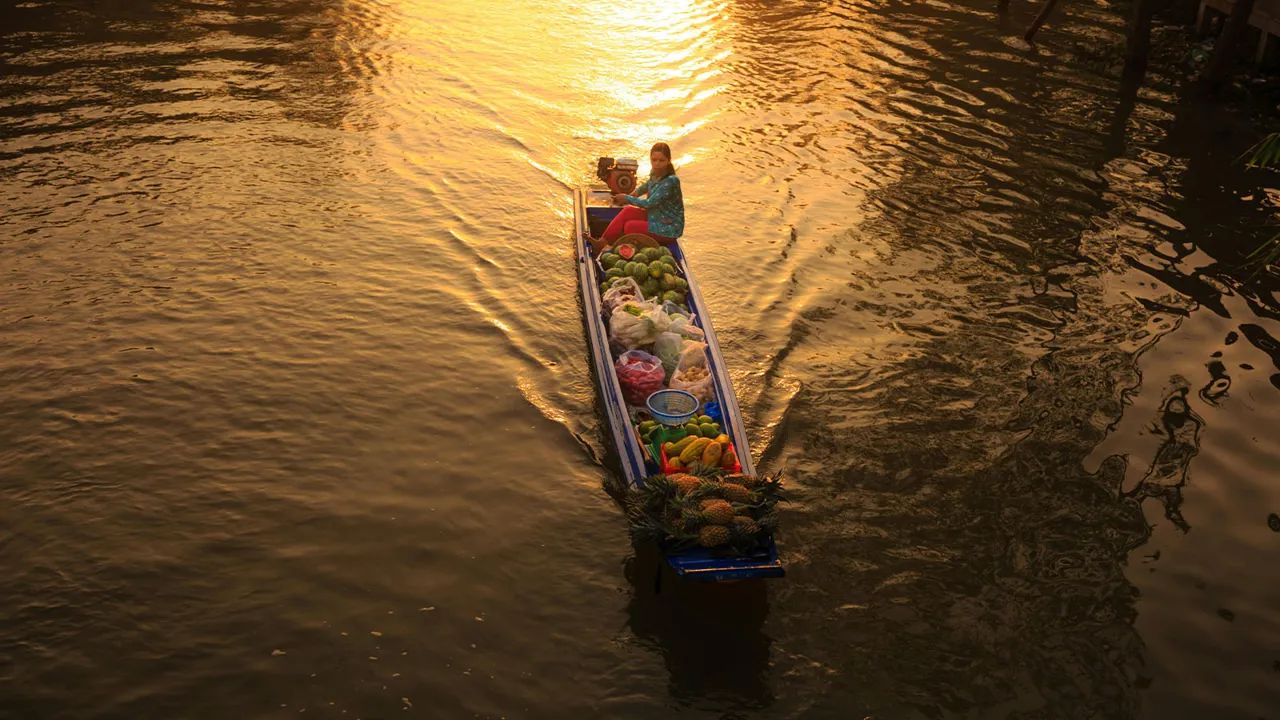
Vietnam Itinerary 2 Weeks
Hanoi - Ninh Binh - Lao Cai - Sapa - Muong Hum market - Ha Long Bay - Hue - Danang - Hoi An - Saigon - Mekong Delta - Cai Rang floating market - Departure

The Best of Ha Giang Trekking Tours
Discover Ha Giang on trekking tours where you live local life, enjoy breathtaking views and escape the crowded routes.

Vietnam and Laos 14 days
Saigon - My Tho - Da Nang- Hoian – Hue - Hanoi - Halong Bay - Vientiane Luang Prabang - Pak Ou – Khuang Si - Luang Prabang – Departure
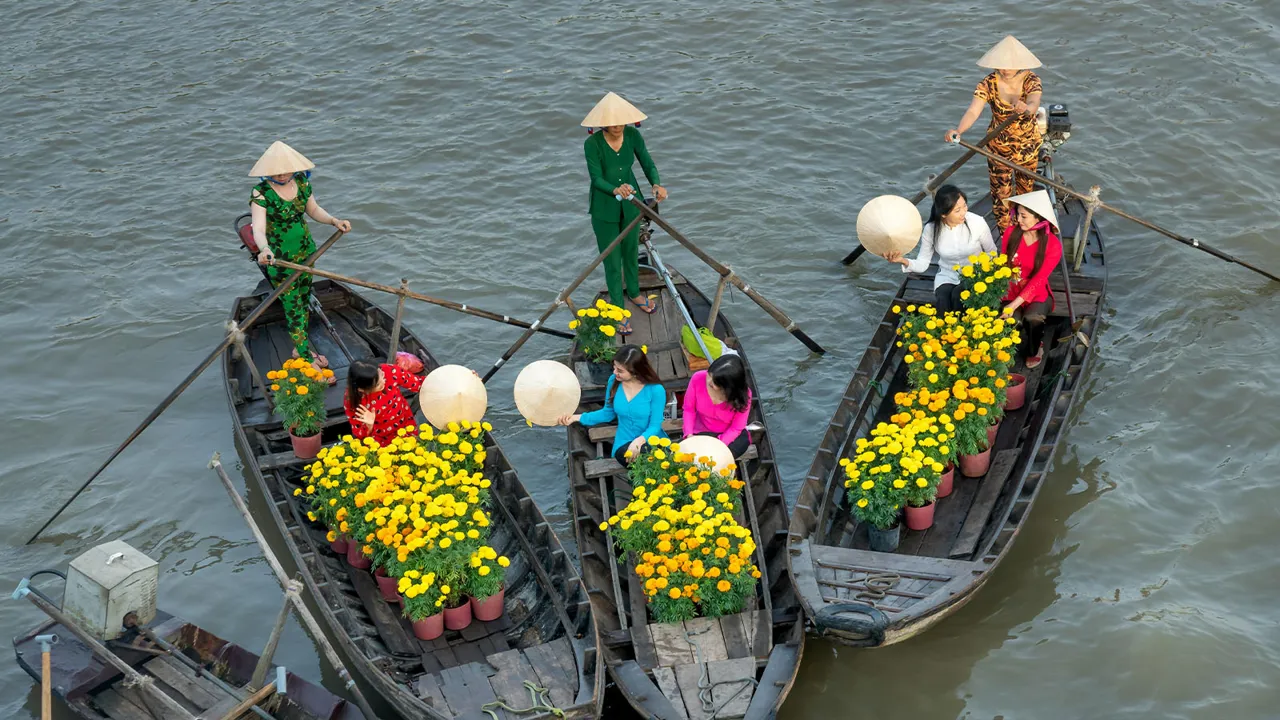
Vietnam Cambodia Itinerary 14 Days
Hanoi – Hoa Binh – Mai Chau – Ninh Binh – Halong bay – Hue - Danang – Hoian – Saigon – Ben Tre - Can Tho – Saigon - Siem Reap Angkor - Tonlé Sap - Siem Reap – Ta Prohm - Departure

Authentic Hoang Su Phi Trekking Tours
Hoang Su Phi trekking tours take you to stunning terraces, meet few tourists, connect with locals and enjoy authentic culture.

Honeymoon Tour Packages In Vietnam 12 Days
Saigon Arrival - City Tour – Mekong Delta – Danang – Hoian - by flight - Da Nang – Hanoi - by flight – Halong - overnight on junk – Departure
Are you interested in this tour?

Our testimonials
Whether it's a short or long tour, to discover must-see sites or to travel less-traveled paths, by car, junk, on foot, by bike or by motorbike... upon their return from their trip to Indochina, our clients tell us about their experiences. We thank them for entrusting us with the organization of their stay in Vietnam, Cambodia, Laos, Thailand and Myanmar!
Tailor-made trips to Vietnam
Are you a couple, a family, a group of friends? Are you planning a trip to Vietnam and/or Southeast Asia? Or maybe you want an individual, personalized trip, operated directly by a local agency? Perhaps you're thinking of a customized trip accompanied by a perfectly French-speaking guide and a private car with a professional driver... Are you the kind of traveler who likes to go where others don't? Our tailor-made tours adapt to your desires, your choices, your pace and your budget.... You decide, we create a trip that suits you!



Don't miss anything from Southeast Asia
The press talks about us




Comment
No comments yet. Be the first to leave a comment!