 Français
 Deutsch
 Italiano
 Português
 Español

Vietnamese Chopsticks: Etiquette and How To Hold Them
Master Vietnamese chopstick etiquette with this cultural guide, covering traditions, proper techniques, dining dos and don’ts, and practical tips to help you enjoy meals in Vietnam with confidence.
Chopsticks are more than just utensils in Vietnam, they're an integral part of life. These slender, seemingly simple tools carry with them a rich tapestry of customs, etiquettes, and even taboos that have been shaped over centuries. Understanding the unique aspects of Vietnamese chopstick culture, from their historical journey from China to Vietnam to the intricate dos and don'ts of their usage, offers a fascinating glimpse into the heart of Vietnamese society. In this blog post, we’ll explore the history, diversity, and cultural significance of Vietnamese chopsticks, and guide you through the proper etiquette to ensure you dine with respect and confidence in Vietnam.

History of chopsticks: a thousand-year journey from China to Vietnam
Chopsticks originated over 5,000 years ago in China and made their way to Vietnam through cultural exchanges and migrations, especially during the first millennium AD. The earliest versions of chopsticks were made from tree branches and were primarily used for cooking, as they could withstand boiling water or hot oil. Around 500 - 400 BC, chopsticks began to be used as eating utensils. Some people believe that chopsticks were inspired by the long beaks of birds, used to hold or pick up fish, seeds, and small fruits.
Within a century, chopsticks had spread to other Asian countries like Japan, Korea, and Vietnam. In these countries, where the staple food is rice or grains, chopsticks are highly effective, as the grains are often sticky and clumped together when cooked. As they spread across Asia, each country developed its own way of making chopsticks and cultural beliefs about using them. In Vietnam, chopsticks have become an integral part of daily life, used not only for eating but also in traditional ceremonies and rituals.
Vietnamese chopsticks vs those of other countries
Each country in Asia has its own unique culinary culture, but one commonality is that we all use chopsticks.
Chopsticks in Vietnam
In the North, where bamboo groves were once common, people often used old bamboo stalks to make chopsticks. In the South, where coconut trees were abundant, people used coconut timber to craft chopsticks. Typically, Northern chopsticks are a bit shorter than those from the South. However, in general, traditional Vietnamese chopsticks have round bodies, are left unpainted, and are not heavily decorated, with tips that are usually not too small. Today, Vietnamese chopsticks are made from various materials such as plastic, stainless steel, and aluminum. Some restaurants even offer disposable chopsticks for customers.
In Vietnam, there is also a type of large, flat chopstick used to take rice from the clay pot to bowls, known as "đũa cả" (meaning large chopstick), made from bamboo or wood. To prevent the rice from sticking, the “đũa cả” is dipped in water, and after scooping the rice, another chopstick is used to scrape the rice off it, instead of clanging on the bowl, avoiding any noise. Nowadays, "đũa cả" is less common, as people are using a rice cooker instead of a clay pot.

Chopsticks in Japan
Japanese chopsticks are shorter and easier to use. They have a pointed tip and are often made from lacquered wood, decorated with intricate and beautiful patterns. A unique feature of Japanese chopsticks is the distinction in color: women typically use bright red chopsticks, while men's chopsticks are usually black. This is why in Japan, a wedding gift often includes a set of chopsticks, one red and one black, symbolizing the union of a couple. The Japanese place great importance on the length of chopsticks: a husband's chopsticks are usually longer than the wife's, parents' chopsticks are longer than their children's, and an older sibling's chopsticks are longer than those of a younger sibling. Another interesting custom is that during camping or picnics, after using chopsticks, the Japanese break them in half to ward off evil spirits.
At the end of a meal, the Japanese hold their chopsticks between their thumb and index finger and say "gochisosama" – meaning "thank you for the meal." This gesture not only shows appreciation for the meal but is also a polite way to signal that they are full. Additionally, in Japanese culture, slurping while eating is not considered impolite; rather, it is a way to praise the chef's skills.
Chopsticks in Korea
In Korea, chopsticks play a crucial role in meals, just like in other countries. Koreans typically do not lift bowls or plates during meals but use chopsticks and spoons to pick up and scoop food. They also avoid holding a spoon and chopsticks in the same hand. When sharing a meal, anyone who wants to take food from a shared dish must ensure that their chopsticks are clean, without any traces of food or rice.
Korean chopsticks are unique in that they are flat, with rounded tips, and often have inscriptions of the words "luck" or "happiness" in Chinese characters, or other auspicious symbols. In most homes and restaurants, metal chopsticks are preferred due to their hygiene and environmental friendliness. However, using metal chopsticks requires some skill and can be a bit challenging.

Chopsticks in China
Chinese chopstick culture is relatively laid back, with fewer strict rules. Chopsticks are usually held in the right hand, and using them with the left hand is considered inappropriate. Playing with chopsticks is seen as impolite while picking up food for the elderly or children is regarded as thoughtful and polite. When dining with elders, it is customary for them to pick up their chopsticks first, and the host usually serves food on the guests' plates.
Chinese chopsticks are often square at the handle and round at the tips. In some regions, at weddings, the groom's family often gifts two pairs of chopsticks and two bowls to the newlyweds, wishing them a happy life and the swift birth of children.
How to hold Vietnamese chopsticks
There is a proper method to holding Vietnamese chopsticks. It can be tricky at first, but if you want to immerse yourself in Asian culinary culture, mastering the use of chopsticks is a skill that will come in handy.
The basic method involves resting one chopstick between your thumb and index finger, with the other chopstick held like a pencil. The key is to keep the lower chopstick stationary while the upper one moves to grip the food. With practice, you’ll be able to pick up even the slipperiest pieces of bánh cuốn or the smallest peanuts with ease.
However, you only need to hold chopsticks in a way that feels comfortable, easy to grasp, and looks appropriate.

Vietnamese chopstick etiquette and taboos
Vietnamese chopstick etiquette is deeply rooted in the country’s culture, and knowing these rules can help you navigate meals with respect and ease.
Before and after meals
Place chopsticks neatly on top of your bowl or plate. If there's a chopstick rest available, use it. Avoid placing chopsticks across the top of your bowl as it resembles a funeral tradition in Vietnam, where chopsticks are laid across the bowl to symbolize offerings to the dead.
Hold them correctly
Vietnamese people appreciate proper technique when holding chopsticks. Holding them too close to the tips is considered childish and improper, as it indicates poor manners.
No pointing
Avoid pointing at people or objects with your chopsticks. This is seen as very disrespectful.

Avoid Sticking Chopsticks Upright
Never stick chopsticks vertically into a bowl of rice. This act resembles incense sticks used in funeral rituals and is a strong taboo in Vietnamese culture. It’s associated with death and bad luck.
No Drumming or Playing
Don’t drum on the table with chopsticks, nor play with them in any way. Chopsticks are utensils, not toys, and treating them as such is considered rude and childish.
Using communal chopsticks
When eating shared dishes, use communal chopsticks (if provided) or turn your chopsticks around to use the clean ends to pick up food. This shows respect for hygiene and consideration for others.
Do Not Pass Food Chopstick-to-Chopstick
Passing food directly from your chopsticks to someone else’s is considered inappropriate because it mimics a ritual where bones of the deceased are passed from person to person during funerals.

Waiting for Elders
In a traditional Vietnamese meal, it’s customary to wait for the eldest person at the table to pick up their chopsticks and start eating first. This is a sign of respect for elders.
No Stabbing or Spearing Food:
Spearing food with chopsticks instead of picking it up properly is frowned upon and considered bad manners.
In summary, Vietnamese chopsticks are more than just tools for eating—they are a symbol of culture, history, and tradition. Whether you’re a visitor or a local, understanding the significance and proper use of chopsticks will enhance your dining experience and show respect for Vietnamese customs.
>>> Hanoi Walking Street Food Tour
>>> Top 20 Night Markets In Vietnam—A Cultural Feast After Sunset

Passionate blogger sharing trusted insights, well-researched tips, and real experiences. Dedicated to delivering accurate, valuable, and inspiring content that helps readers explore, learn, and make informed choices with confidence.
Send us your comments about : Vietnamese Chopsticks: Etiquette and How To Hold Them
Required fields*
You may also like

You may also like

Xin Man, Ha Giang – A Pure Beauty of Nature and Culture
A peaceful district of terraced fields, quiet homestays, and minority villages surrounded by misty hills. Ideal for travelers seeking calm hikes, gentle scenery, and an escape from tourist crowds.

Halong Bay Caves: Top 7 Most Famous to Explore
From glittering stalactites to ancient legends, these caves bring mystery and beauty to your Ha Long cruise, making every stop feel unforgettable.

Explore Vinh Hy Bay Vietnam: Top Things to Do & See
A tranquil coastal hideaway with turquoise waters, coral reefs, and quiet beaches—ideal for anyone seeking a peaceful escape into nature.
Travel ideas
Need some inspiration? Discover some of the best tours in Vietnam, which are highly appreciated by our clients. An excellent starting point to help you choose the right trip to Vietnam, Laos, Cambodia, Burma or Thailand, whether you are traveling alone, as a couple, as a family or with friends.
And because this trip is yours, feel free to customize it as you wish!
Vietnam Itinerary 2 Weeks
Hanoi - Ninh Binh - Lao Cai - Sapa - Muong Hum market - Ha Long Bay - Hue - Danang - Hoi An - Saigon - Mekong Delta - Cai Rang floating market - Departure

The Best of Ha Giang Trekking Tours
Discover Ha Giang on trekking tours where you live local life, enjoy breathtaking views and escape the crowded routes.

Vietnam and Laos 14 days
Saigon - My Tho - Da Nang- Hoian – Hue - Hanoi - Halong Bay - Vientiane Luang Prabang - Pak Ou – Khuang Si - Luang Prabang – Departure
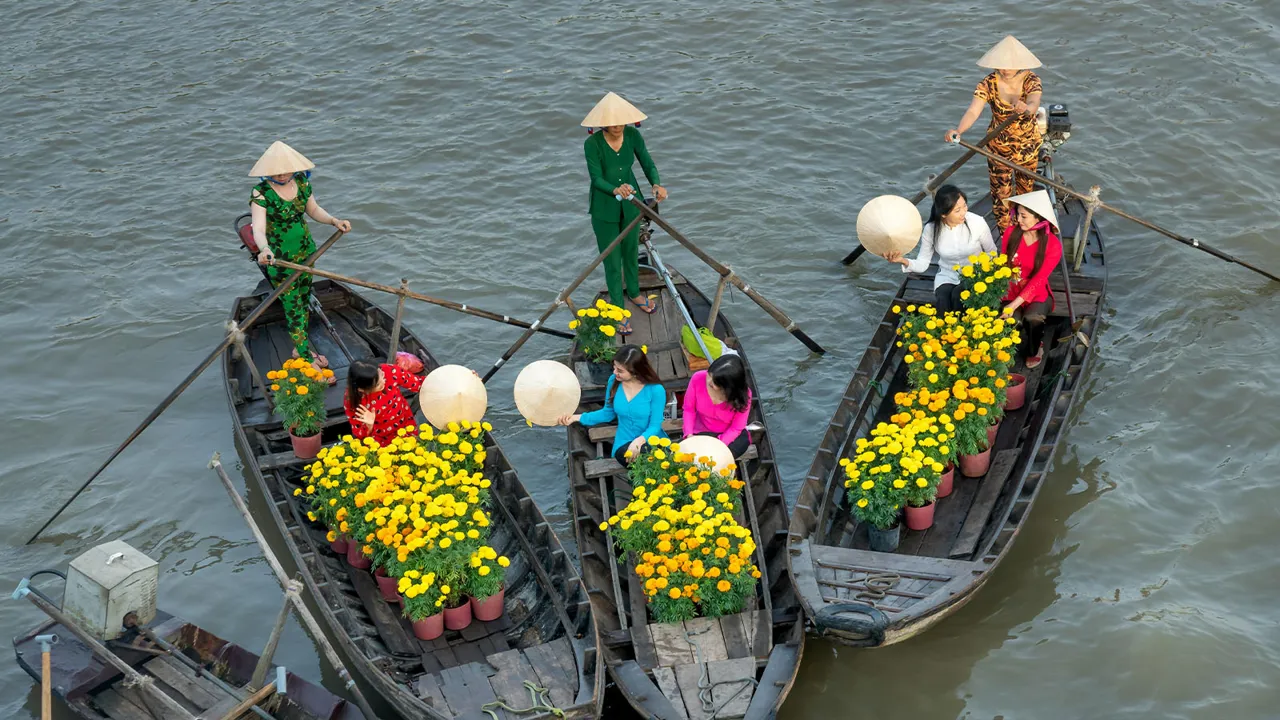
Vietnam Cambodia Itinerary 14 Days
Hanoi – Hoa Binh – Mai Chau – Ninh Binh – Halong bay – Hue - Danang – Hoian – Saigon – Ben Tre - Can Tho – Saigon - Siem Reap Angkor - Tonlé Sap - Siem Reap – Ta Prohm - Departure

Authentic Hoang Su Phi Trekking Tours
Hoang Su Phi trekking tours take you to stunning terraces, meet few tourists, connect with locals and enjoy authentic culture.

Honeymoon Tour Packages In Vietnam 12 Days
Saigon Arrival - City Tour – Mekong Delta – Danang – Hoian - by flight - Da Nang – Hanoi - by flight – Halong - overnight on junk – Departure
Are you interested in this tour?

Our testimonials
Whether it's a short or long tour, to discover must-see sites or to travel less-traveled paths, by car, junk, on foot, by bike or by motorbike... upon their return from their trip to Indochina, our clients tell us about their experiences. We thank them for entrusting us with the organization of their stay in Vietnam, Cambodia, Laos, Thailand and Myanmar!
Tailor-made trips to Vietnam
Are you a couple, a family, a group of friends? Are you planning a trip to Vietnam and/or Southeast Asia? Or maybe you want an individual, personalized trip, operated directly by a local agency? Perhaps you're thinking of a customized trip accompanied by a perfectly French-speaking guide and a private car with a professional driver... Are you the kind of traveler who likes to go where others don't? Our tailor-made tours adapt to your desires, your choices, your pace and your budget.... You decide, we create a trip that suits you!

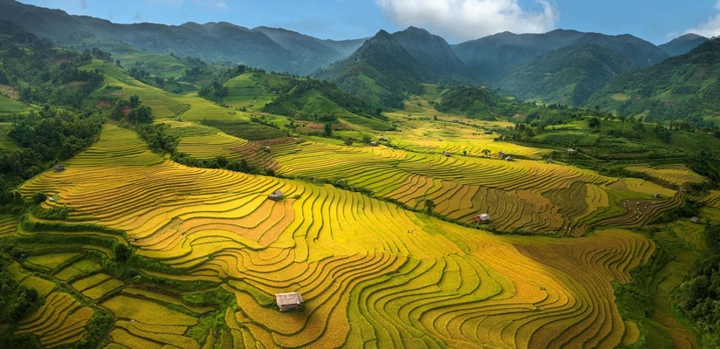

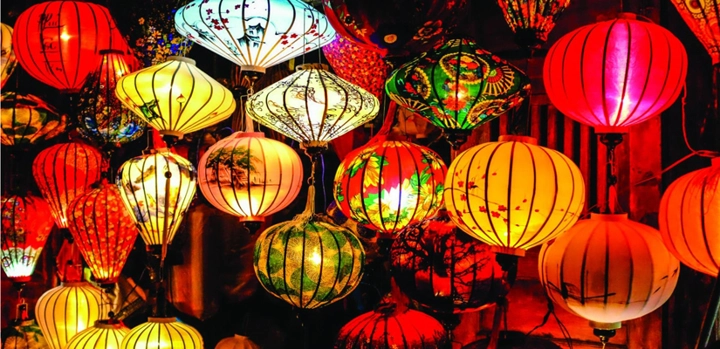

Don't miss anything from Southeast Asia
The press talks about us



Comment
No comments yet. Be the first to leave a comment!