 Français
 Deutsch
 Italiano
 Português
 Español


How to Travel to Vietnam from the Netherlands: Complete Guide for Dutch Travellers
Traveling from the Netherlands to Vietnam is easier than you think. This guide covers e-visas, flights, best travel times, and cultural tips for Dutch travelers planning ahead.
Vietnam is an increasingly popular long-haul destination for travellers from the Netherlands, known for its rich culture, diverse landscapes, welcoming atmosphere, and excellent value for money. From vibrant cities and UNESCO heritage sites to tropical beaches and mountain regions, Vietnam offers a wide range of experiences in one single journey.
For Dutch travellers, Vietnam is both exciting and accessible. The country has a straightforward visa process, improving tourism infrastructure, and affordable transport options, making it suitable for first-time visitors to Asia as well as experienced long-haul travellers.
However, traveling from the Netherlands to Vietnam requires some planning, especially when it comes to flights, visa requirements, travel seasons, and itinerary choices. This guide provides all the essential information you need to understand how to travel to Vietnam from the Netherlands smoothly, comfortably, and with confidence.
1. How to Travel to Vietnam from the Netherlands
The distance from the Netherlands to Vietnam is approximately 9,000–10,000 kilometers, with an average travel time of 13 to 17 hours, depending on the route and number of stopovers. The Netherlands and Vietnam are well connected through international air routes, although nonstop flights are not currently available. As a result, planning a journey from the Netherlands to Vietnam begins with identifying the most suitable transfer point that fits your travel schedule and budget.

Most flights depart from Amsterdam Schiphol Airport and operate via major transit hubs in Europe, the Middle East, or Asia. Popular and efficient connection cities include Doha, Dubai, Istanbul, Bangkok, Taipei, and Kuala Lumpur, served by airlines such as Qatar Airways, Emirates, Turkish Airlines, Vietnam Airlines, KLM Royal Dutch Airlines, Air France, Lufthansa, Cathay Pacific, and Korean Air.
Each carrier offers different benefits depending on travel preferences. Middle Eastern airlines are often chosen for their smooth transfers and high service standards, while Turkish Airlines frequently stands out for its competitive fares. Travellers who prefer familiar procedures and European transit hubs may opt for Vietnam Airlines or other European carriers operating onward connections to Vietnam.
Being aware of these flight options helps travellers plan their trip from the Netherlands to Vietnam more efficiently, comfortably, and with greater information.
2. What Dutch Travellers Must Know Before Visiting Vietnam
Before exploring in detail how to travel to Vietnam from the Netherlands, it is important to understand Vietnam’s entry and visa requirements. Dutch passport holders are not visa-exempt and are therefore required to obtain a valid visa before entering Vietnam for tourism or other purposes.
In most cases, a Vietnam tourist visa allows Dutch travellers to stay in the country for one to three months, with the option of single or multiple entry, depending on the visa type. Fortunately, Vietnam offers a relatively simple and accessible visa system, making the application process straightforward for travellers from the Netherlands who plan their trip in advance.
Vietnam e-Visa (Recommended for Dutch Passport Holders)
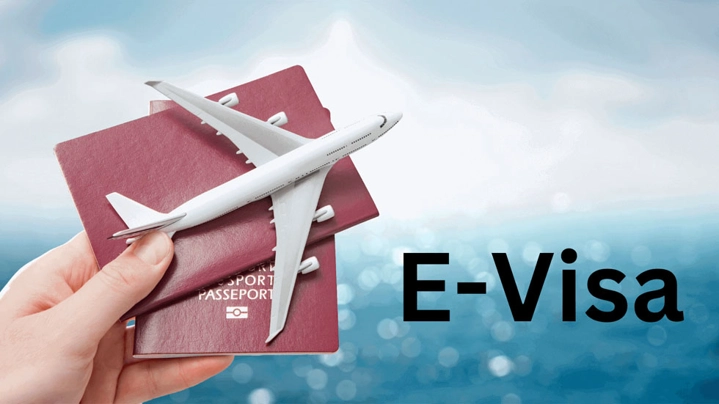
The Vietnam e-Visa is the most convenient option for Dutch passport holders traveling to Vietnam for tourism. It is officially issued by the Vietnam Immigration Department and can be applied for entirely online, without visiting an embassy or consulate.
Validity
The Vietnam e-Visa is available for 30 or 90 days, with the option of single entry or multiple entry, depending on your travel plans. This flexibility makes it suitable for short holidays as well as longer trips covering multiple regions of Vietnam.
Online Application
Dutch travellers can apply 100% online by completing the official application form, uploading the required documents, and paying the visa fee electronically. No invitation letter or sponsor is required for tourism purposes.
Processing Time
The standard processing time is 3–5 working days. During peak travel seasons or public holidays, processing may take up to 7 working days, so early application is strongly recommended.
Visa Fees
The cost of a Vietnam e-Visa generally ranges from USD 25 to USD 50, depending on the visa type (single or multiple entry). Visa fees are non-refundable once the application is submitted.
Ports of Entry
The Vietnam e-Visa is accepted at major international airports, as well as designated land borders and seaports across the country. Popular entry points include Hanoi, Ho Chi Minh City, and Da Nang.
Documents Required
To apply for a Vietnam e-Visa, Dutch citizens are required to prepare the following documents and information. Ensuring accuracy and completeness at this stage helps avoid delays or visa rejection.
Valid Passport: Your Netherlands passport must be valid for at least six months from the date of arrival in Vietnam. This is a mandatory requirement strictly checked by Vietnamese immigration authorities at airports and land borders. In addition, your passport should contain at least two blank pages to accommodate visa-related stamps if required during your stay.
Passport-Size Digital Photo: A recent passport-style photo in digital format is required for the e-Visa application. The photo should be taken against a plain background, show your full face clearly, and have no filters, shadows, or accessories that obscure facial features. Glasses and headwear should be avoided unless worn for religious reasons.
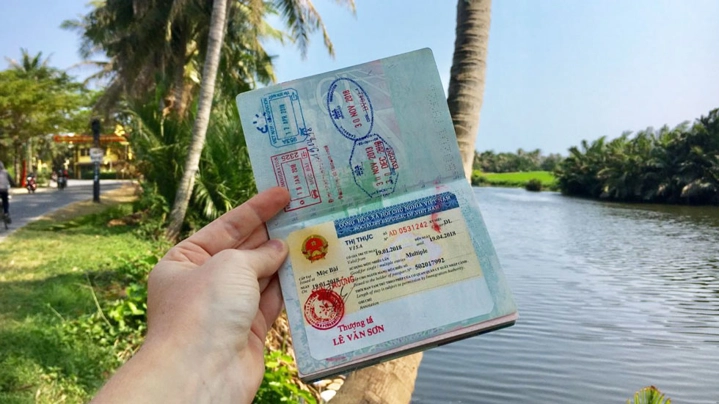
Scanned Passport Information Page: You will need a clear, high-resolution scan of the passport information page, showing your personal details and photo. This file is uploaded during the online visa application process. It is also recommended to keep a digital copy on your phone or cloud storage while traveling, in case of loss or emergency.
Entry and Exit Details: Applicants must specify their intended date of entry and exit, as well as the chosen port of entry (airport, land border, or seaport). These details determine the validity of your e-Visa and must match your travel itinerary. Any discrepancy between your visa information and actual travel plans may cause complications upon arrival.
3. Best Time to Visit Vietnam from the Netherlands
Vietnam spans over 1,600 kilometers from north to south, which results in distinct weather patterns across different regions. Rather than having one universal travel season, Vietnam offers multiple ideal periods depending on where you go. For travellers planning how to travel to Vietnam from the Netherlands, understanding these seasonal differences helps create a more balanced and enjoyable itinerary.
Northern Vietnam
(Hanoi, Sapa, Hoang Su Phi, Ha Giang, Mai Chau, Pu Luong, Halong Bay)
Recommended period: October to April
Northern Vietnam is most comfortable during the cooler months, when temperatures are mild and rainfall is limited. This period is particularly suitable for travellers who enjoy outdoor activities and cultural exploration.

Key advantages of visiting the north during this season include:
- More pleasant walking conditions in Hanoi and other historic cities
- Stable weather for trekking in mountainous areas such as Sapa, Ha Giang, and Pu Luong
- Improved visibility and calmer waters for cruises in Halong Bay and Lan Ha Bay
Central Vietnam
(Hue, Phong Nha – Ke Bang, Da Nang, Hoi An)
Recommended period: February to August
Central Vietnam experiences a long dry season, making it one of the most reliable regions in terms of weather. These months allow travellers to combine heritage visits with beach time comfortably.

During this period, travellers benefit from:
- Drier conditions for exploring Hue’s imperial monuments and Hoi An’s old town
- Easier access to cave systems in Phong Nha – Ke Bang
- Consistent beach weather along the Da Nang and Hoi An coastline
Southern Vietnam
(Ho Chi Minh City, Mekong Delta, Phu Quoc)
Recommended period: December to April
Southern Vietnam follows a tropical climate, with a clearly defined dry season. These months offer lower humidity and fewer rain showers.
Travel highlights during this time include:
- Comfortable conditions for city tours in Ho Chi Minh City
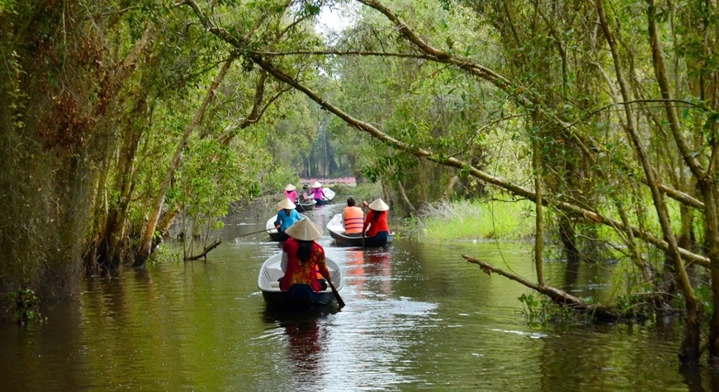
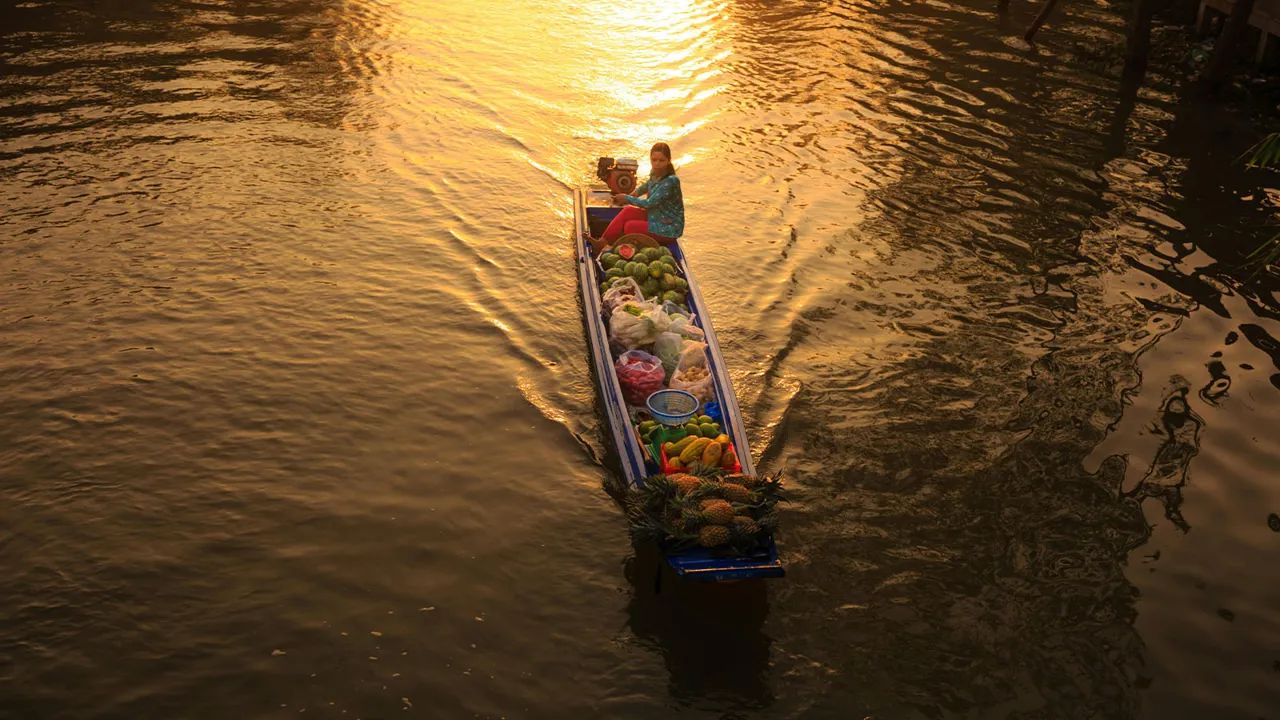
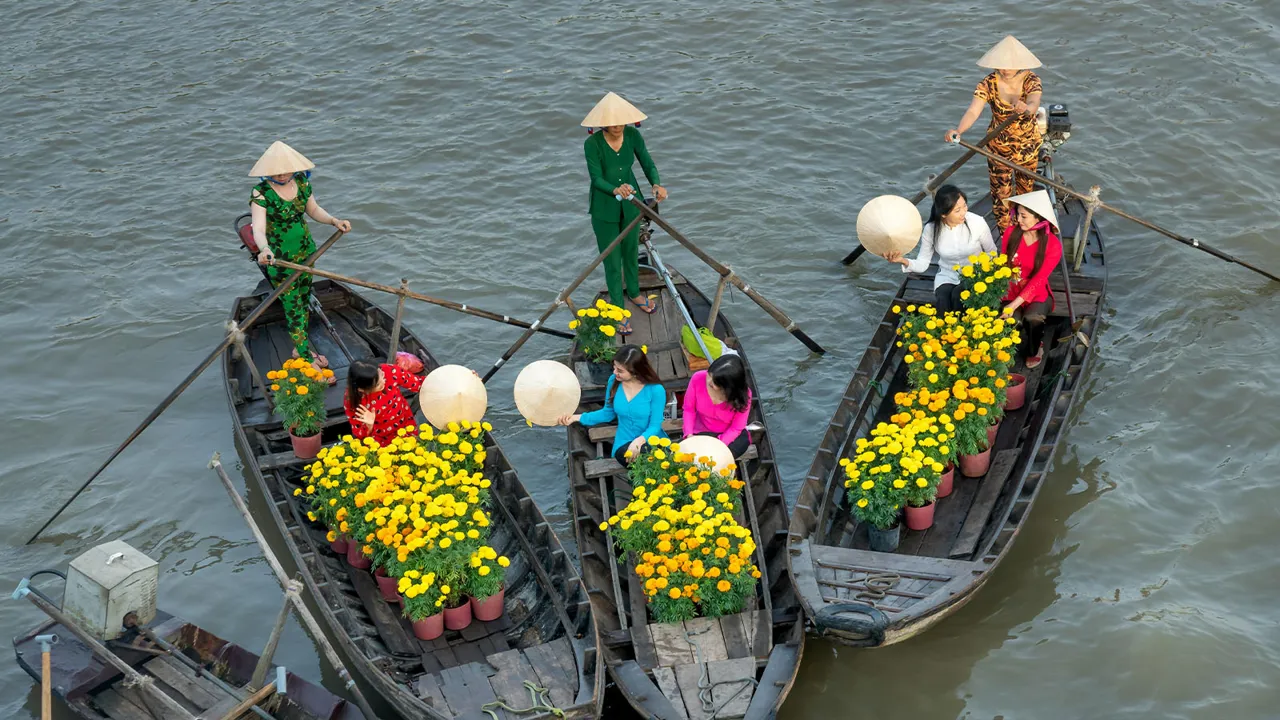
- Favorable water levels for boat trips and floating markets in the Mekong Delta
- Calm seas and clear skies around Phu Quoc, suitable for island stays
Seasonal Advice for Dutch Travellers
For travellers departing the Netherlands, Vietnam offers an appealing alternative during Europe’s colder months. By selecting the right region at the right time, Dutch travellers can enjoy warm weather, varied landscapes, and a smooth travel experience throughout the country.
4. Flights from the Netherlands to Vietnam: Prices & Booking Tips
Flights from the Netherlands to Vietnam are widely available throughout the year, mainly departing from Amsterdam Schiphol Airport (AMS) or nearby European hubs. While prices vary depending on season and booking strategy, Dutch travellers generally have many competitive options to choose from.
Average Round-Trip Prices
(All prices below are indicative and may vary depending on the airline, transit route, booking period, and travel season.)
Economy Class (€600 – €1,000)
Economy Class is the most common option for Dutch leisure travellers. Tickets at the lower end of this range are usually available during low or shoulder seasons, with flexible travel dates and one or two stopovers. Higher prices often apply during summer holidays, Christmas, and major Vietnamese festivals.
Premium Economy (€1,200 – €1,800)
Premium Economy offers a noticeable upgrade in comfort, including wider seats, extra legroom, enhanced meals, and priority services. This class is increasingly popular among travellers who want a more relaxed long-haul experience without the full cost of Business Class.

Business Class (€2,500 – €4,000)
Business Class provides the highest level of comfort on long-haul flights, with lie-flat seats, premium dining, lounge access, and fast-track services. Prices vary significantly depending on the airline, route, and how far in advance the ticket is booked, with promotional fares occasionally available outside peak periods.
For most travellers, Economy Class offers the best balance between price and convenience, especially when paired with a well-planned transit route. However, on journeys lasting 13 hours or more, many travellers prefer Premium Economy or Business Class for improved comfort, rest, and overall travel experience.
What Affects Flight Prices
Airfare between the Netherlands and Vietnam can vary significantly depending on several key factors. Understanding these elements helps Dutch travellers plan their trip more effectively and avoid unnecessary costs.
Travel season: Flight prices are strongly influenced by peak and off-peak travel periods. Fares usually rise during European summer holidays (June–August), Christmas and New Year, and Vietnam’s Tet holiday (Lunar New Year, typically in January or February). During these periods, demand is high, seat availability is limited, and prices can increase considerably. Traveling during shoulder seasons often results in more attractive fares.

Booking period: The timing of your booking plays a crucial role in ticket pricing. In most cases, reserving flights three to six months in advance offers better value, especially for popular routes. Last-minute bookings tend to be more expensive, particularly during busy travel periods, as airlines adjust prices based on remaining seat availability and demand.
Airline and routing: The chosen airline and transit route also affect the final price. One-stop flights are usually more expensive due to shorter travel times and greater convenience. Two-stop itineraries, while longer, can be more affordable and are sometimes preferred by budget-conscious travellers. Additionally, premium carriers often charge higher fares but compensate with better onboard service and smoother connections.
By considering these factors carefully, travellers can balance cost, comfort, and travel time when booking flights from the Netherlands to Vietnam.
Tips to Find the Best Deals
Finding affordable flights from the Netherlands to Vietnam often depends on flexibility and smart planning. By adjusting travel dates and considering different routing options, Dutch travellers can significantly reduce airfare without compromising comfort.
Fly mid-week: Flights departing on Tuesdays or Wednesdays are often cheaper than those leaving on Fridays or weekends. Mid-week departures usually face lower demand, allowing airlines to offer more competitive fares. Choosing these days can result in noticeable savings, especially during non-peak seasons.
Avoid Dutch school holidays: Airfares increase sharply during Dutch school holidays, particularly in summer and around Christmas. Families traveling during these periods create high demand, which pushes prices up. If possible, planning travel outside official holiday periods helps secure better deals and greater seat availability.
Compare 1-stop and 2-stop routes: While one-stop flights offer shorter travel times and greater convenience, two-stop itineraries can be significantly cheaper. For travellers who are not in a rush, accepting a slightly longer journey may result in substantial savings, especially on long-haul routes.
Consider open-jaw tickets: Booking an open-jaw flight—such as arriving in Hanoi and departing from Ho Chi Minh City—can reduce the need for domestic return flights within Vietnam. This approach not only saves time but can also lower overall travel costs and improve itinerary flow.
5. Where to Land in Vietnam – And Why
Vietnam has several international gateways, and choosing the right arrival airport can help you design a smoother and more efficient itinerary. For travellers coming from the Netherlands, three airports stand out as the most practical entry points, each serving a different region of the country.
Hanoi – Noi Bai International Airport (HAN): Best for exploring Northern Vietnam
Hanoi is the ideal starting point for journeys focused on the north, combining cultural landmarks with dramatic natural scenery. The city is well connected by road, rail, and domestic flights.
From Hanoi, travellers can easily access:
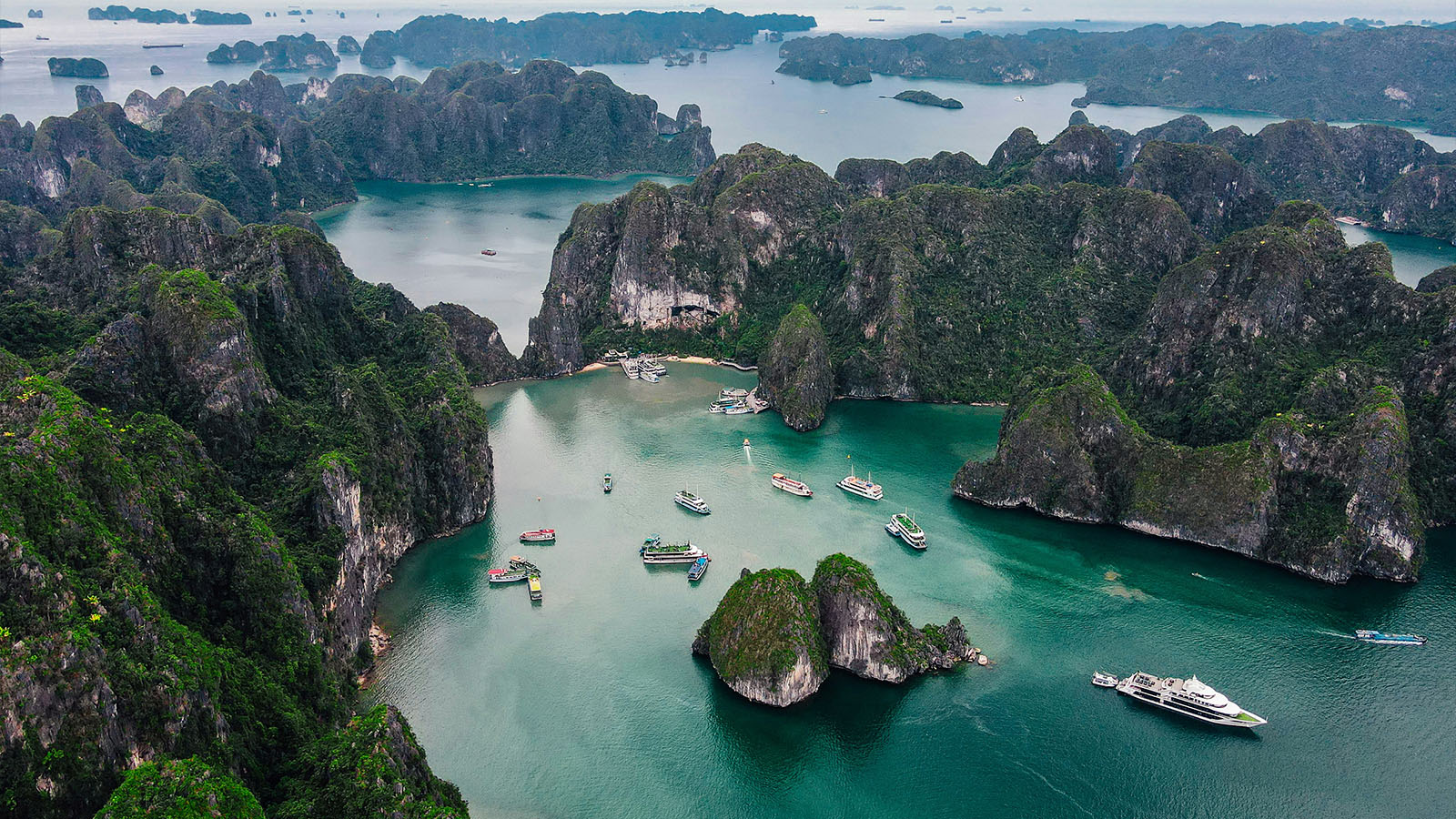
- Halong Bay for overnight cruises among limestone islands
- Sapa and Ha Giang for mountain landscapes, trekking, and ethnic cultures
- Ninh Binh for river caves, temples, and rural scenery
Ho Chi Minh City – Tan Son Nhat International Airport (SGN): Main gateway to Southern Vietnam
As Vietnam’s largest and most dynamic city, Ho Chi Minh City serves as the primary entry point to the south. It offers frequent international connections and a wide range of onward travel options.
Popular destinations from Ho Chi Minh City include:
- The Mekong Delta, famous for floating markets and river life
- Phu Quoc Island, a leading beach and resort destination
- The Cu Chi Tunnels, providing insight into Vietnam’s modern history

Da Nang International Airport (DAD): Central Vietnam’s most convenient hub
Da Nang is a strategic arrival point for travellers planning to explore Central Vietnam, thanks to its compact geography and short travel distances.
From Da Nang, travellers can conveniently visit:
- Hoi An Ancient Town, a UNESCO World Heritage Site
- Hue, the former imperial capital
- My Son Sanctuary and Phong Nha – Ke Bang National Park, known for ancient ruins and impressive cave systems
Selecting the right airport based on your travel plan allows you to minimize transit time and make the most of your journey through Vietnam.
6. Suggested Vietnam Itineraries for Dutch Travellers
Vietnam offers a wide variety of travel experiences, and choosing the right itinerary depends on your available time, travel interests, and pace. Whether you are visiting Vietnam for the first time, combining it with a neighboring country, or planning a special journey as a couple, having a well-structured route helps you make the most of your trip. Below are some popular itinerary styles designed to suit different travel needs, each offering a unique way to explore Vietnam and the region.
Option 1: Vietnam Itinerary – 2 Weeks
This 2-week Vietnam itinerary is ideal for travellers who want a well-rounded introduction to the country. It combines cultural highlights, natural landscapes, and local life from north to south, typically including Hanoi, Halong Bay, central heritage cities, and Ho Chi Minh City. The pace is balanced, allowing enough time to explore without feeling rushed, making it suitable for first-time visitors to Vietnam.
Option 2: Vietnam & Cambodia Itinerary – 14 Days
Designed for travellers who want to experience two iconic Southeast Asian destinations in one journey, this 14-day itinerary combines Vietnam’s cultural diversity with Cambodia’s ancient wonders. The route usually includes major Vietnamese highlights along with Angkor temples in Siem Reap. It is ideal for travellers interested in history, culture, and cross-border exploration.

Option 3: Honeymoon Tour Packages in Vietnam – 12 Days
This 12-day honeymoon itinerary focuses on romantic experiences, privacy, and comfort. Couples can enjoy scenic landscapes, boutique hotels, relaxing cruises, and beach resorts, often combined with cultural discoveries at a gentle pace. It is perfect for newlyweds seeking a memorable and intimate journey through Vietnam.
7. Getting Around Vietnam
Vietnam offers a wide range of transportation options, making it easy for travellers to move between regions and cities. Depending on distance, comfort level, and travel style, visitors can choose from fast domestic flights to slower, more scenic routes.
Domestic flights
Domestic flights are the fastest and most convenient way to travel long distances within Vietnam. With multiple daily connections between major cities such as Hanoi, Da Nang, and Ho Chi Minh City, flying is both time-efficient and reasonably priced. This option is ideal for travellers with limited time or multi-region itineraries.
Trains
Vietnam’s railway system connects the country from north to south and is known for its scenic routes, especially along the central coastline. Trains offer a comfortable and relaxed travel experience, suitable for travellers who prefer to enjoy landscapes and travel at a slower pace.

Buses and limousine vans
For shorter distances, buses and limousine vans are widely available and affordable. Limousine vans, in particular, provide upgraded seating, air conditioning, and door-to-door service, making them a popular choice for routes between nearby destinations.
Private car with driver
Hiring a private car with a driver offers the highest level of comfort and flexibility. This option is ideal for families, small groups, or travellers who want to customize their schedule, stop along the way, and travel without time pressure.
8. Where to Stay in Vietnam
Selecting the right accommodation in Vietnam is more than just a budget decision—it affects convenience, comfort, and how easily you can explore each destination.
Accommodation Price Ranges
Boutique hotels (€25 – €60): Boutique hotels are popular among travellers who value character, comfort, and personalized service. These properties often feature local design elements and are well located in city centers or historic areas, making them ideal for cultural exploration.
4-star hotels (€50 – €120): Four-star hotels provide a good balance between comfort and value, offering modern amenities, professional service, and convenient locations. They are well suited for travellers seeking reliable comfort without the premium cost of luxury resorts.
5-star resorts & luxury retreats (€150 – €400+): Vietnam’s five-star resorts and luxury retreats offer high-end experiences, including private beaches, spas, fine dining, and exceptional service. These properties are ideal for honeymooners, couples, or travellers looking for relaxation and exclusivity.

Best Areas to Stay
Hanoi Old Quarter: Staying in the Old Quarter places travellers close to major attractions, local markets, and traditional street life, making it ideal for first-time visitors.
Hoi An Ancient Town: This area offers a charming atmosphere with historic architecture, boutique hotels, and easy access to cultural sites and nearby beaches.
Hue Riverside: Riverside locations in Hue provide a peaceful setting while remaining close to the city’s imperial landmarks.
Ho Chi Minh City – District 1: District 1 is the most convenient area for sightseeing, dining, shopping, and nightlife, with excellent transport connections.
Phu Quoc – Long Beach & Ong Lang: Long Beach and Ong Lang are among the best areas on Phu Quoc Island, offering a mix of resorts, boutique hotels, and relaxed beach vibes.
9. Budget Overview for Dutch Travellers
Vietnam is considered one of the most cost-effective long-haul destinations for travellers from the Netherlands. Daily expenses are generally much lower than in Europe, allowing visitors to enjoy comfortable travel without a high budget.
Average Daily Travel Budget (Per Person)
(Indicative estimates, excluding international flights)
Budget travellers: €35 – €50 / day
Mid-range travellers: €60 – €100 / day
Comfort & luxury travellers: €120+ / day
These ranges typically include accommodation, meals, local transport, and sightseeing.
Typical Travel Costs in Vietnam
Food & drinks
- Street food or local restaurants: €2 – €5 per meal
- Mid-range restaurants: €8 – €15 per meal
- Coffee or fresh juice: €1 – €3
Transportation
- Taxi or Grab (short ride): €2 – €5
- Intercity bus or limousine van: €8 – €20
- Domestic flight: €30 – €80, depending on distance and airline
Entrance fees & activities
- Museums and temples: €1 – €5
- Heritage sites or national parks: €5 – €15
- Halong Bay day cruise: €40 – €70
- Overnight cruises or guided tours: €120+
Vietnam vs Europe: Cost Comparison
Compared to daily expen ses in the Netherlands or other European countries, Vietnam offers significantly better value for money. Meals, transport, and accommodation in Vietnam often cost 50–70% less than in Europe, while service quality remains high. This price advantage allows Dutch travellers to upgrade their experience—staying in better hotels, enjoying guided tours, or dining out more frequently—without exceeding their budget.
Overall, Vietnam is an excellent destination for travellers seeking comfort, variety, and affordability in one journey.
10. Cultural Etiquette & Practical Travel Tips
Understanding local customs and everyday practices will help travellers feel more comfortable and respectful while exploring Vietnam. Although Vietnamese people are generally welcoming and forgiving toward visitors, a few simple guidelines can greatly enhance your travel experience.
Important Cultural Tips
Dress modestly at temples and religious sites: When visiting pagodas, temples, or historical monuments, clothing that covers shoulders and knees is recommended as a sign of respect.
Remove shoes when required: Shoes should be removed when entering private homes, some shops, and religious buildings. Always follow local cues or posted signs.
Respect local customs and traditions: Vietnamese culture values politeness and calm behavior. Speaking softly, being patient, and showing courtesy are appreciated in daily interactions.

Bargain politely in markets: Bargaining is common in local markets, but it should be done with a friendly attitude. A smile and respectful tone often lead to better outcomes than aggressive negotiation.
Learn a few basic Vietnamese phrases: Simple words like xin chào (hello) or cảm ơn (thank you) are warmly received and help create positive connections with locals.
Safety Tips
Keep valuables secure: In busy areas, keep personal belongings close and avoid displaying expensive items openly.
Use Grab or licensed taxis: Ride-hailing apps such as Grab or registered taxi companies offer safer and more transparent pricing than informal transport options.
Drink bottled water: Tap water is not recommended for drinking. Bottled water is widely available and inexpensive throughout the country.
By following these practical tips, travellers can enjoy Vietnam with greater ease, confidence, and cultural awareness.
11. Essential Items to Pack for Vietnam
Packing appropriately helps ensure a comfortable and stress-free journey, especially when traveling to a country with a tropical climate like Vietnam. While most essentials can be purchased locally, the following items are recommended to bring from home.
Clothing suitable for a tropical climate: Lightweight, breathable fabrics such as cotton or linen are ideal for Vietnam’s warm and humid weather. Pack comfortable walking clothes, as well as modest outfits for visiting temples and religious sites.
Rain gear: A compact rain jacket or poncho is useful, particularly during the rainy season. Sudden showers are common, especially in the central and southern regions.

Power adapters: Vietnam uses plug types A, C, and F with a standard voltage of 220V. Bringing a universal travel adapter ensures compatibility with local sockets.
Travel insurance: Comprehensive travel insurance is strongly recommended, covering medical expenses, trip delays, and unexpected situations during your stay.
Medication and sunscreen: Bring any personal medication you may need, along with high-SPF sunscreen to protect against strong sun exposure. While pharmacies are widely available, familiar brands may not always be accessible.
12. Why Travel to Vietnam with a Local Travel Agency?
Planning a long-haul journey to Vietnam involves many details, from route selection and logistics to cultural considerations. Working with a local travel agency can simplify this process while enhancing the overall travel experience.
Local expertise and authentic experiences
Local agencies have in-depth knowledge of destinations, seasons, and hidden spots that are often overlooked by mass tourism. This insight allows travellers to experience Vietnam beyond the usual highlights, through meaningful cultural encounters and locally curated activities.
Tailor-made itineraries for Dutch travellers
A local agency can design itineraries that match Dutch travel preferences, balancing comfort, efficiency, and authenticity. Travel pace, accommodation style, and activity levels can all be adjusted to suit individual interests and available time.

On-the-ground support and flexibility
Having a local team in Vietnam provides real-time support throughout the journey. Whether adjusting schedules due to weather, handling unexpected changes, or offering immediate assistance, local support adds peace of mind.
Better value than DIY long-haul planning
Thanks to established local networks and negotiated rates, local agencies often provide better overall value than organizing a complex long-haul trip independently. Travellers benefit from transparent pricing, reliable services, and time savings without sacrificing quality.
Choosing a local travel agency allows travellers to focus on enjoying Vietnam while leaving the logistics in experienced hands.
Ready to Discover Vietnam from the Netherlands?
Traveling to Vietnam from the Netherlands is more straightforward than it may first appear. With a clear understanding of visa requirements, flight options, best travel seasons, transportation, accommodation, and budgeting, Dutch travellers can plan their journey with confidence and ease. Vietnam rewards good preparation with rich cultural experiences, diverse landscapes, and exceptional value for money.
If you are ready to take the next step, consider starting your planning early or seeking expert advice. A tailor-made itinerary, designed around your schedule and preferences, can help turn ideas into a seamless travel experience. Feel free to explore your options, ask questions, or request a free consultation to begin shaping your Vietnam journey with confidence.
>>> What Bag To Take To Vietnam: Backpack or Suitcase?
>>> Vietnam Dong—A Traveller’s Guide to Vietnam Currency

Thuy Nguyen is a passionate travel blogger and storyteller who has spent years exploring the hidden corners of Vietnam and Southeast Asia. With a love for authentic experiences, she writes about local life, culture, and off-the-beaten-path adventures. Through her words, Anh invites readers to travel deeper, connect with people, and find beauty in every journey — whether it’s a quiet sunrise in Hoi An or a mountain trail in Ha Giang.
Send us your comments about : How to Travel to Vietnam from the Netherlands: Complete Guide for Dutch Travellers
Required fields*
You may also like



You may also like

SIC Tour or Private Tour? Understanding the Differences and Choosing What Fits You Best
Discover the differences between SIC tours and private tours, including flexibility, cost, and travel style, to choose the option that best matches your journey and expectations.

Top 15 Reasons to Fall in Love with Vietnam Forever
Discover 15 reasons to fall in love with Vietnam, from stunning scenery and vibrant culture to delicious cuisine and warm hospitality that linger long after you leave the country.

Vietnam in August – Where to Go, Weather & Insider Travel Tips
Is Vietnam in August worth it? Discover where to go, weather insights, green rice season, and expert tips to travel smart and enjoy the country despite the rainy season.
Travel ideas
Need some inspiration? Discover some of the best tours in Vietnam, which are highly appreciated by our clients. An excellent starting point to help you choose the right trip to Vietnam, Laos, Cambodia, Burma or Thailand, whether you are traveling alone, as a couple, as a family or with friends.
And because this trip is yours, feel free to customize it as you wish!
Vietnam Itinerary 2 Weeks
Hanoi - Ninh Binh - Lao Cai - Sapa - Muong Hum market - Ha Long Bay - Hue - Danang - Hoi An - Saigon - Mekong Delta - Cai Rang floating market - Departure

The Best of Ha Giang Trekking Tours
Discover Ha Giang on trekking tours where you live local life, enjoy breathtaking views and escape the crowded routes.

Vietnam and Laos 14 days
Saigon - My Tho - Da Nang- Hoian – Hue - Hanoi - Halong Bay - Vientiane Luang Prabang - Pak Ou – Khuang Si - Luang Prabang – Departure
Vietnam Cambodia Itinerary 14 Days
Hanoi – Hoa Binh – Mai Chau – Ninh Binh – Halong bay – Hue - Danang – Hoian – Saigon – Ben Tre - Can Tho – Saigon - Siem Reap Angkor - Tonlé Sap - Siem Reap – Ta Prohm - Departure

Authentic Hoang Su Phi Trekking Tours
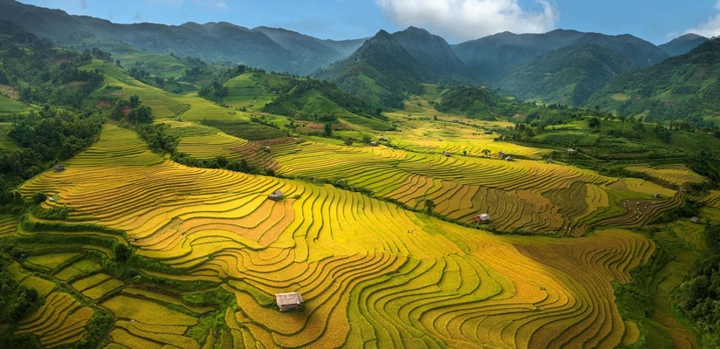
Hoang Su Phi trekking tours take you to stunning terraces, meet few tourists, connect with locals and enjoy authentic culture.

Honeymoon Tour Packages In Vietnam 12 Days
Saigon Arrival - City Tour – Mekong Delta – Danang – Hoian - by flight - Da Nang – Hanoi - by flight – Halong - overnight on junk – Departure
Are you interested in this tour?


Our testimonials
Whether it's a short or long tour, to discover must-see sites or to travel less-traveled paths, by car, junk, on foot, by bike or by motorbike... upon their return from their trip to Indochina, our clients tell us about their experiences. We thank them for entrusting us with the organization of their stay in Vietnam, Cambodia, Laos, Thailand and Myanmar!
Tailor-made trips to Vietnam
Are you a couple, a family, a group of friends? Are you planning a trip to Vietnam and/or Southeast Asia? Or maybe you want an individual, personalized trip, operated directly by a local agency? Perhaps you're thinking of a customized trip accompanied by a perfectly French-speaking guide and a private car with a professional driver... Are you the kind of traveler who likes to go where others don't? Our tailor-made tours adapt to your desires, your choices, your pace and your budget.... You decide, we create a trip that suits you!



Don't miss anything from Southeast Asia
The press talks about us



Comment
No comments yet. Be the first to leave a comment!