 Français
 Deutsch
 Italiano
 Português
 Español


Vietnam Travel Guide for Greeks 2026: Visa, Flights & Tips
Your complete 2026 guide to traveling from Greece to Vietnam—covering visas, flights, best times to visit, and insider tips to help you plan a smooth and unforgettable journey.
Planning a trip from Greece to Vietnam is exciting—but it can also feel overwhelming at first. From visa requirements and long-haul flights to understanding when and where to go, there are a lot of moving parts to figure out.
Vietnam is not the kind of destination you visit casually. It’s a country of contrasts—fast-paced cities and quiet countryside, street food stalls and refined cuisine, mountain landscapes and tropical islands. For many Greek travelers, it offers something both unfamiliar and refreshing: a travel experience that feels more immersive, more dynamic, and often more rewarding than traditional European holidays.
What makes Vietnam especially appealing is this balance. It’s affordable without feeling basic, vibrant without being overwhelming, and culturally rich without being difficult to access. Whether you’re drawn to history, food, nature, or simply the desire to experience something different, Vietnam has a way of meeting you where you are.
This guide is designed to simplify everything. From visa requirements for Greek citizens to flight routes from Athens, best travel seasons, and suggested itineraries—you’ll find everything you need to plan your journey with confidence and clarity.

Vietnam Travel at a Glance
|
Category |
Details |
|---|---|
|
Visa Required |
Yes (E-visa recommended) |
|
Flight Duration |
13–18 hours |
|
Best Time to Visit |
November – April |
|
Daily Budget |
€30 – €100+ |
|
Main Entry Cities |
Hanoi, Ho Chi Minh City, Da Nang |
Vietnam Visa for Greek Citizens (Updated 2026 Guide)
If you’re planning a trip to Vietnam, the first thing to know is straightforward: Greek citizens are required to obtain a visa before entering the country. The good news is that the process today is far more accessible than it used to be, especially thanks to Vietnam’s e-visa system.
For most travelers from Greece, applying for a visa is no longer a complicated or time-consuming task. With the right preparation, it can be done entirely online in just a few simple steps.
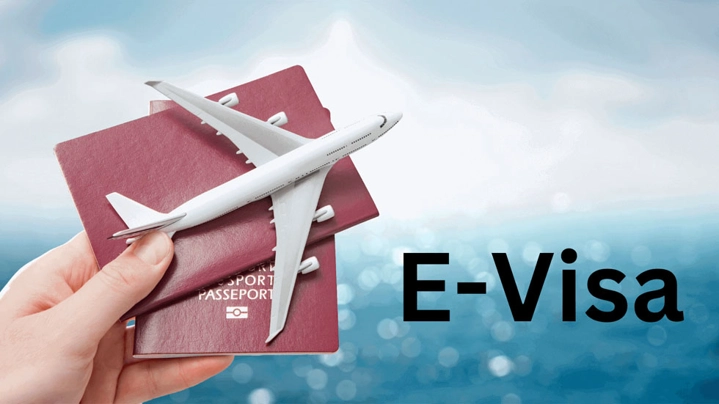
Vietnam e-Visa (Best Option)
For Greek travelers, the Vietnam e-visa is widely considered the most convenient and practical choice.
This type of visa allows you to stay in Vietnam for up to 90 days, with both single-entry and multiple-entry optionsavailable—ideal whether you’re planning a short holiday or a longer journey across Southeast Asia. The entire process is completed online, meaning there’s no need to visit an embassy or deal with paperwork in person.
In most cases, the processing time takes around 3 to 7 working days, making it relatively quick compared to traditional visa applications. Once approved, your visa is sent electronically, ready to print and present upon arrival.
What makes the e-visa especially appealing is its simplicity. There are no additional steps at the airport, no stamping procedures, and no reliance on third-party agents. It’s a clean, transparent system designed for modern travelers.
From a cost perspective, it’s also one of the most efficient options available. With a fixed government fee and no hidden charges, it offers a level of predictability that many travelers appreciate.
Required Documents
Applying for a Vietnam e-visa is relatively straightforward, and the list of required documents is minimal. Most Greek travelers will only need:
- A passport valid for at least 6 months from the date of entry
- A recent digital passport photo
- A scanned copy of the passport information page
- A valid payment method (credit or debit card)
Because the process is fully online, ensuring that your documents are clear and correctly formatted is essential. Even small errors can delay approval.
Visa Fees (for Greek Travelers in €)
The official Vietnam e-visa fee is set by the government and remains consistent:
- Approximately €23 for a single-entry visa
- Approximately €46 for a multiple-entry visa
These fees are paid online during the application process and are non-refundable, even if the application is rejected.
Compared to visa costs in many other destinations, Vietnam remains a very affordable option—especially for European travelers.
Insider Tips for a Smooth Application
While the process is simple, a few small details can make a big difference:
- Apply at least 1–2 weeks in advance to avoid any last-minute stress
- Double-check all personal information, especially passport number and dates
- Make sure your uploaded photo meets the required format
- Avoid unofficial or third-party websites that may charge unnecessary fees
One important thing to keep in mind: even a minor typo can lead to rejection, and since the fee is non-refundable, accuracy is key.
Flights from Greece to Vietnam (Routes & Prices)
Traveling from Greece to Vietnam is a long-haul journey—but with the right route and preparation, it can be surprisingly smooth and even enjoyable.
Main Departure Airport
Most international flights to Vietnam depart from Athens International Airport, Greece’s primary aviation hub.
From here, travelers can connect to major Asian gateways before arriving in Vietnam’s key cities such as Hanoi, Ho Chi Minh City, or Da Nang.
There are currently no direct flights, so at least one layover is required.

Popular Flight Routes
Flights from Athens to Vietnam typically involve one stop in a major international hub. The most common routes include:
- Via Doha – One of the fastest and most seamless connections
- Via Dubai – Known for comfort and high service standards
- Via Istanbul – Convenient geographically, often shorter flight paths
- Via Singapore or other Asian hubs – Ideal for those preferring Asia-based connections
These routes are well-established and offer frequent departures throughout the year.
Airlines to Consider
Several high-quality international carriers operate on these routes, offering different levels of comfort and pricing:
- Qatar Airways – Often considered the best balance of price and service
- Emirates – Premium experience with excellent in-flight comfort
- Turkish Airlines – Strong connectivity and competitive pricing
- Singapore Airlines – Top-tier service, ideal for long-haul comfort
Your choice will depend on budget, layover preference, and travel style.
Flight Duration & Cost
Flights from Athens to Vietnam are long-haul journeys, but relatively straightforward with modern connections.
- Average duration: ~16–18 hours (including layovers)
- Shortest routes: ~12–14 hours flight time + connection
- Typical round-trip cost:
- Economy: €750 – €1,100
- Business class: €2,500+
Prices vary depending on season, airline, and how early you book, but Vietnam remains relatively accessible compared to many long-haul destinations.

Pro Booking Tips
A well-planned booking strategy can make a significant difference—not just in price, but in overall travel experience.
Book 3–4 months in advance: Especially important if traveling during peak European summer or major holidays.
Avoid July–August if possible: This is peak travel season for Greek tourists, meaning higher prices and more crowded flights.
Consider open-jaw tickets: Fly into Hanoi and out of Ho Chi Minh City to maximize your itinerary.
Choose smart layovers: A 2–3 hour layover is ideal—long enough to avoid stress, but short enough to keep total travel time efficient.
Expert Insight: For first-time travelers from Greece, the journey to Vietnam may feel long—but it’s part of the transition. You’re not just changing destinations; you’re moving between two completely different cultural worlds. Choosing the right flight can set the tone for your entire trip.
Best Time to Visit Vietnam (For Greek Travelers)
For travelers from Greece, choosing the right time to visit Vietnam is less about avoiding heat—and more about understanding humidity and seasonal contrasts.
While Greek summers are undeniably hot, they are typically dry and breezy, especially along the coast. Vietnam, on the other hand, has a tropical monsoon climate with consistently high humidity—often around 80% or more throughout the year . This creates a very different physical experience: the air feels heavier, temperatures can feel more intense, and even moderate heat can become exhausting if you’re not used to it.
Because of this, timing your trip well can significantly improve your overall comfort and enjoyment.
Best Months to Visit
In general, the most recommended period for Greek travelers is from November to April, when much of Vietnam experiences drier and more stable weather.
During these months, the northern regions—such as Hanoi, Halong Bay, and the mountains—enjoy cooler temperatures and lower humidity, creating ideal conditions for sightseeing and outdoor activities. The south, including Ho Chi Minh City and the Mekong Delta, remains warm year-round but becomes more manageable as the rainy season fades.
This period offers the best balance: fewer weather disruptions, more predictable conditions, and a more comfortable climate for exploring different parts of the country.

Month-by-Month Perspective
If your travel dates are flexible, it’s worth understanding how the seasons shift across Vietnam.
October is often considered a transitional month. In the north, the weather becomes cooler and drier, with temperatures typically ranging between 20–28°C, making it one of the most pleasant times to visit . However, central Vietnam may begin to experience heavier rainfall, while the south gradually moves out of the wet season.
From November to February, conditions become more stable and comfortable across most regions. Northern Vietnam enters its “autumn–winter” phase, with cooler air and clearer skies, while the south enjoys dry, sunny days—ideal for both cultural exploration and relaxation.
By March and April, temperatures begin to rise again, especially in the south, but the weather is still considered favorable overall. It’s a slightly warmer period, yet still far more comfortable than the peak summer months.
Island & Beach Comparison: Greece vs Vietnam
For Greek travelers, beaches are often a key part of any trip—but Vietnam offers a very different coastal experience.
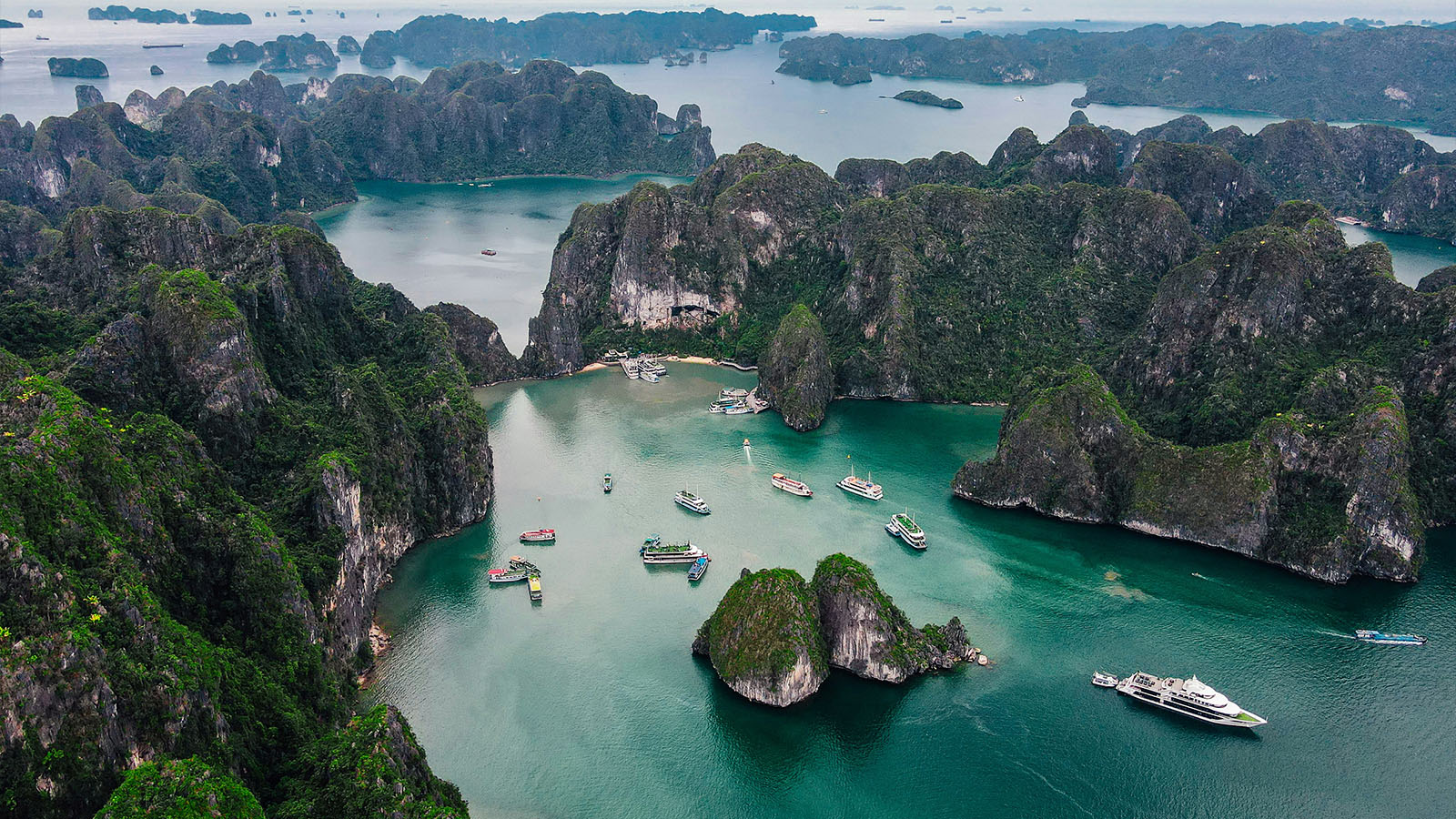
In Greece, the landscape is defined by the Mediterranean: crystal-clear waters, rocky coastlines, and dry, sunlit air. In Vietnam, the atmosphere shifts entirely. Destinations like Phu Quoc offer a tropical island setting, with soft sand, lush greenery, and warm, humid air. Meanwhile, places like Lan Ha Bay or Halong Bay present something even more unique—towering limestone formations rising dramatically from the sea, often wrapped in mist.
It’s not a matter of comparison in terms of “better” or “worse.” Instead, it’s about experiencing a different kind of beauty—more atmospheric, more layered, and often more unexpected.
Where to Go in Vietnam (Based on Travel Style)
Choosing where to go in Vietnam is less about ticking off famous landmarks and more about understanding the kind of experience you’re looking for. The country stretches over 1,600 kilometers, with each region offering a completely different rhythm—from historic cities and imperial heritage to remote mountains and tropical islands.
Instead of trying to see everything, it’s far more rewarding to align your itinerary with your travel style.
Culture & History Lovers
For travelers drawn to history, architecture, and cultural depth, Vietnam offers a layered narrative that unfolds through its cities.
In Hanoi, centuries of history are woven into everyday life. From ancient temples and colonial boulevards to the vibrant Old Quarter, the city invites slow exploration—ideally on foot, with frequent pauses for street food and quiet cafés.

Further south, Hue offers a more contemplative experience. As the former imperial capital, it preserves a sense of grandeur through its citadel, royal tombs, and the poetic flow of the Perfume River. It’s a destination where history feels preserved rather than reconstructed.
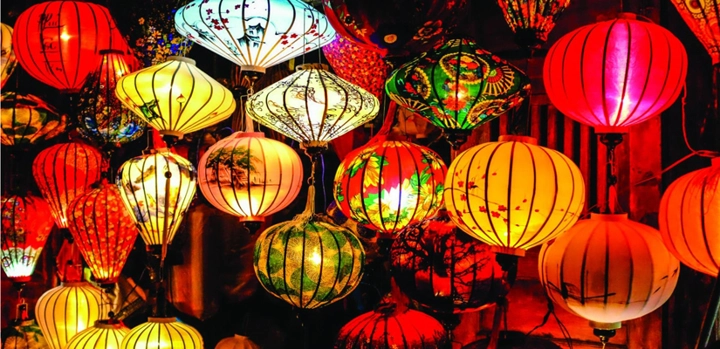
Meanwhile, Hoi An provides a softer, more atmospheric interpretation of the past. Its lantern-lit streets, preserved merchant houses, and riverside setting create a setting that feels both intimate and timeless—a place where cultures once met and still quietly echo today.
Nature & Adventure
If your idea of travel leans toward landscapes, movement, and a sense of scale, northern Vietnam offers some of the most striking scenery in Southeast Asia.
Ha Giang is perhaps the most raw and untouched. Known for its dramatic mountain passes and winding roads, it’s a destination that rewards those willing to step slightly off the conventional path. The journey itself—often by motorbike—is as meaningful as the destination.

In Sapa, the landscape softens into layered rice terraces and misty valleys. Trekking here is not just about scenery, but also about connection—with ethnic minority communities and a slower, more grounded way of life.
Then there is Ha Long Bay, where thousands of limestone karsts rise from emerald waters. Cruising through the bay—especially overnight—offers a more immersive way to experience its scale and quiet beauty.
Beach & Relaxation
For those seeking rest, warmth, and a slower coastal rhythm, Vietnam’s coastline offers a different kind of escape—less polished than the Mediterranean, but often more diverse and unexpected.

Phu Quoc is the country’s most well-known island destination, with long sandy beaches, calm waters, and a growing selection of resorts. It’s particularly suited for travelers looking to unwind after a more active itinerary.
On the central coast, Da Nang combines beach access with urban convenience. Its wide coastline, modern infrastructure, and proximity to cultural sites like Hoi An make it a balanced choice for those who want both relaxation and exploration.
Urban Energy
For travelers who are energized by movement, contrast, and city life, Vietnam’s urban centers offer a dynamic and ever-changing experience.

Ho Chi Minh City (formerly Saigon) is the country’s economic and cultural engine. Here, modern skyscrapers rise alongside colonial buildings, while street markets, cafés, and motorbike-filled avenues create a constant sense of motion.
It’s also a gateway to the Mekong Delta, where the pace slows dramatically—offering a compelling contrast to the city’s intensity.
Suggested Itineraries for Greek Travelers
Planning a journey from Greece to Vietnam is not just about choosing destinations—it’s about shaping an experience that matches your travel style, pace, and expectations. Below are several thoughtfully designed itinerary ideas, each tailored to different types of Greek travelers—from first-time visitors to adventure seekers and those looking for relaxation.
Option 1 – First-Time Vietnam Experience (10–12 Days)
Route: Hanoi → Halong Bay → Hoi An → Ho Chi Minh City
This is the most balanced and recommended route for Greek travelers visiting Vietnam for the first time. It offers a well-rounded introduction to the country’s culture, landscapes, and contrasts.
Begin in Hanoi, where centuries-old traditions meet vibrant street life. Continue to Halong Bay for an overnight cruise among limestone karsts—an experience that feels entirely different from the open horizons of the Mediterranean. Then fly south to Hoi An, where lantern-lit streets and riverside cafés create a slower, more atmospheric rhythm. End your journey in Ho Chi Minh City, where modern energy, history, and food culture come together.
This itinerary works particularly well for those who want to “see it all” without feeling rushed. It also aligns well with flight routes, allowing for a smooth north-to-south journey.
Option 2 – The Adventure Route (Ha Giang Loop)
Route: Ha Giang (Loop journey)
For younger Greek travelers—or anyone drawn to road trips, mountain landscapes, and a sense of freedom—this is one of the most unforgettable experiences in Vietnam.
The Ha Giang Loop takes you through dramatic mountain passes, remote villages, and some of the most breathtaking scenery in Southeast Asia. Riding through winding roads, often compared to the rugged terrains of northern Greece, creates a sense of adventure that is both physical and deeply immersive.
This route is less about ticking off landmarks and more about the journey itself: stopping at viewpoints, sharing meals with local families, and experiencing a side of Vietnam that remains largely untouched by mass tourism.
It’s ideal for travelers who value authenticity, independence, and a bit of unpredictability.

Option 3 – Culture & Heritage Journey
Route: Hue → Hoi An
This itinerary is particularly appealing to Greek travelers, who often have a deep appreciation for history, architecture, and cultural continuity.
Hue, the former imperial capital, offers a glimpse into Vietnam’s royal past, with citadels, temples, and tombs that echo the grandeur of ancient civilizations. From there, travel to Hoi An, where centuries of trade and cultural exchange have shaped a town that feels both timeless and intimate.
The experience here is slower, more reflective. It’s about walking through history, noticing details, and understanding how culture is preserved not just in monuments, but in daily life.
Option 4 – Relaxation & Island Escape
Destination: Phu Quoc
For those looking to unwind after a long journey from Europe, Phu Quoc offers a completely different side of Vietnam—one that feels closer to a tropical retreat than a cultural itinerary.
Unlike the rocky coastlines and deep blue waters of Greece, Phu Quoc presents a softer, more lush environment: palm-fringed beaches, warm turquoise seas, and a slower pace of life. Days here are simple—swimming, enjoying fresh seafood, watching the sunset, and disconnecting from routine.
This option works well as either a standalone trip or as a final stop after exploring other parts of Vietnam.

Vietnamese Culture vs Greek Culture (What to Expect)
Traveling from Greece to Vietnam is not just a change in geography—it’s a shift in rhythm, communication, and everyday interactions. Yet interestingly, beneath the surface, there are shared values that make Greek travelers feel surprisingly at home.
This cultural contrast is not about “better” or “worse,” but about understanding subtle differences—so you can connect more deeply with local people and experiences.
Hospitality (Filoxenia vs Vietnamese Warmth)
One of the most comforting aspects for Greek travelers is how familiar the sense of hospitality feels.
In Greece, Filoxenia—the love of welcoming strangers—is deeply rooted in everyday life. Similarly, in Vietnam, hospitality is not a performance for tourists, but a natural extension of cultural values shaped by family and community. Visitors are often greeted with genuine warmth, offered tea, or helped without expecting anything in return.
Both cultures place strong emphasis on:
- Welcoming guests with sincerity
- Family as the center of social life
- Sharing food as a form of connection
The difference lies not in intention, but in expression. Greek hospitality is often expressive and energetic, while Vietnamese hospitality tends to be quieter, more subtle, and deeply attentive.
Key Differences in Social Behavior
While the warmth may feel familiar, the way it is communicated can feel noticeably different.
Vietnamese culture places a strong emphasis on harmony, respect, and avoiding confrontation. Conversations are often softer in tone, more indirect, and carefully phrased to maintain social balance.
Key differences Greek travelers may notice:
- Voice & Expression: Greeks are naturally expressive and speak with energy, while Vietnamese communication is generally softer and more restrained.
- Respect & Hierarchy: Age and social roles are highly respected in Vietnam; greetings, language, and behavior often reflect this structure.
- Personal Space & Interaction: Physical contact is more limited, especially in formal or first-time interactions.
These differences are subtle but important. Understanding them helps avoid misunderstandings and allows for more meaningful cultural exchange.

Dining Culture – Shared, Social, and Experiential
Food is where Greek travelers often feel the strongest cultural connection.
Just like in Greece—where meals are long, shared, and social—Vietnamese dining is also built around togetherness. Dishes are placed in the center of the table, and everyone shares, creating a communal experience rather than an individual one.
However, the experience still feels distinct:
- Meals are typically eaten with chopsticks instead of forks and knives
- Street food plays a central role in daily life, not just as a quick snack but as a core cultural experience
- Flavors emphasize balance—fresh herbs, light broths, and contrast, rather than richness alone
Dining in Vietnam is less about formality and more about rhythm—quick lunches on small stools, late-night street meals, or quiet family dinners. It’s a different pace, but one that quickly becomes part of the journey.
Cultural Insight
“You’ll feel familiar—but still discover something new.”
That’s perhaps the most accurate way to describe the experience. The shared values of hospitality, family, and food create a sense of comfort, while the differences in expression, pace, and daily rituals offer something refreshingly different.
For Greek travelers, visiting places like Temple of Literature can feel surprisingly relatable.vv
Much like the Parthenon represents ancient Greek philosophy and learning, the Temple of Literature reflects Vietnam’s deep respect for education, tradition, and intellectual heritage.
For Greek travelers, Vietnam doesn’t feel completely foreign—it feels like stepping into another version of warmth, shaped by a different history, climate, and way of life.
Food Guide for Greek Travelers
Food is often the moment when a destination truly becomes memorable—and for Greek travelers, Vietnam offers a culinary experience that feels both excitingly new and unexpectedly familiar.
If Greek cuisine is built around simplicity, freshness, and shared meals, Vietnamese food follows a similar philosophy—but expresses it through lighter textures, aromatic herbs, and a delicate balance of flavors. Eating in Vietnam is not just about taste—it’s about atmosphere, rhythm, and connection.
Must-Try Vietnamese Dishes
For first-time visitors, a few iconic dishes offer the perfect introduction to Vietnam’s culinary identity.
Pho: A fragrant noodle soup made with slow-simmered broth, rice noodles, herbs, and typically beef or chicken. For Greek travelers, it can feel similar to a comforting homemade soup—but with a lighter, moraromatic profile. It’s often enjoyed in the morning, but works at any time of day.
Banh Mi: A crisp baguette filled with meats, pickled vegetables, fresh herbs, and sauces. It reflects a fusion of French and Vietnamese influences—something that resonates with Mediterranean travelers familiar with layered, handheld street food like gyros or sandwiches.
-720.webp)
Bun Cha: A Hanoi specialty featuring grilled pork served with rice noodles, fresh herbs, and a dipping sauce. The balance of smoky, sweet, and savory flavors often appeals strongly to Greek palates, especially those who enjoy grilled meats and shared plates.
Each dish tells a story—not just of ingredients, but of how Vietnamese cuisine values harmony over intensity.
Coffee Culture – From Freddo to Vietnamese Iced Coffee
Coffee is where many Greek travelers feel an immediate sense of connection.
In Greece, drinks like Freddo espresso or Freddo cappuccino are part of daily life—strong, refreshing, and social. Vietnam shares that same deep coffee culture, but with its own distinctive twist.
If you already enjoy Greek Freddo, Vietnam’s coffee culture will feel instantly familiar—but more intense.
Beyond traditional iced coffee, don’t miss:
- “Cà Phê Muối” (Salt Coffee) – a unique balance of sweet, creamy, and slightly savory flavors
- “Bạc Xỉu” – a lighter, milk-forward version perfect for those who prefer smoother coffee
In addition, Vietnamese iced coffee is typically brewed using a small metal filter and combined with condensed milk, creating a drink that is bold, sweet, and intensely satisfying. It’s slower to prepare, often enjoyed while sitting and observing the world around you.
The experience is less about grabbing coffee on the go, and more about pausing—something that aligns beautifully with the Mediterranean lifestyle.
Street Food Experience – Safe, Authentic, Unmissable
For many Greek travelers, the idea of street food can feel uncertain at first—but in Vietnam, it is not just safe when chosen wisely, it is essential to the experience.
Street food here is:
- Freshly prepared in front of you
- Deeply local, often run by families for generations
- Affordable, yet incredibly flavorful
The key is to follow a few simple principles: choose busy stalls, observe cleanliness, and trust your instincts. In return, you’ll discover meals that feel more authentic than anything found in restaurants.
From small plastic stools on a busy Hanoi street to quiet evening markets in the south, street food in Vietnam offers something Greek travelers already value deeply: food that is honest, social, and rooted in everyday life.
Vietnamese cuisine doesn’t try to overwhelm—it invites you in gradually. For Greek travelers, it’s a journey of recognition and discovery at the same time. You’ll find the same love for fresh ingredients, shared meals, and coffee culture—but expressed in a way that feels entirely new.
Budget Guide for Vietnam (in €)
Vietnam is known for being one of the best-value destinations in Asia, offering high-quality experiences at a fraction of European prices. Whether you are a backpacker or a luxury traveler, your money goes much further here than in countries like Greece.
Daily Budget
Your daily travel cost in Vietnam can vary depending on your travel style, but here’s a general guideline:
- Budget: €30–45 per day
Ideal for backpackers. Includes street food, budget hotels/hostels, and local transport. - Mid-range: €60–100 per day
Comfortable hotels, restaurant dining, domestic flights, and guided tours. - Luxury: €150+ per day
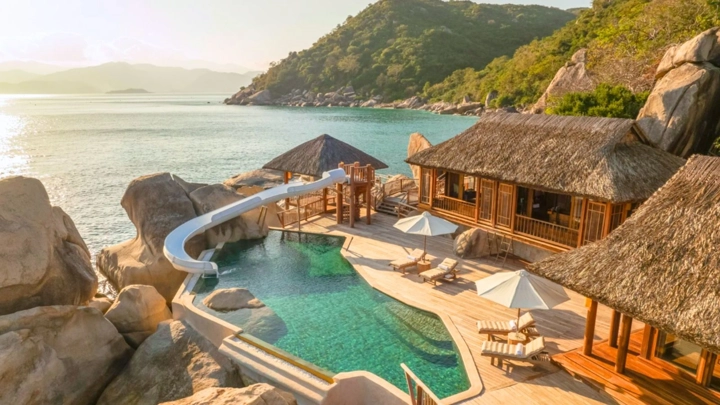
4–5 star hotels, premium cruises, fine dining, and private transfers.
Typical Prices
Here are some common costs to give you a clearer idea of daily expenses:
- Local beer: around €0.5
- Banh mi (Vietnamese sandwich): around €1.5
- Mid-range hotel (per night): €50–80
Other affordable highlights include coffee (€1–2), local meals (€2–5), and ride-hailing services that are significantly cheaper than taxis in Europe.
Good to know: Vietnam offers exceptional value compared to Greece. You can enjoy better accommodation, more dining options, and a wider range of experiences while spending less overall — making it an ideal destination for both short holidays and longer trips.
Travel Tips for Greek Visitors
Traveling to Vietnam is exciting and relatively easy, but a few practical tips will help you feel more comfortable and make the most of your journey.
Pack light, breathable clothing: Vietnam’s tropical climate can be hot and humid, especially in the south. Lightweight fabrics like cotton or linen will keep you comfortable.
Be ready for humidity: Even if the temperature doesn’t seem too high, the humidity can feel intense. Stay hydrated, wear sunscreen, and take breaks during the hottest hours of the day.
Use cash (Vietnamese Dong – VND): While cards are accepted in hotels and larger restaurants, many local places, markets, and street vendors only accept cash. Always carry small notes for convenience.
Download the Grab app: This is the most popular ride-hailing app in Vietnam. It’s affordable, reliable, and much easier than negotiating with traditional taxis.
Respect local customs in temples: When visiting pagodas or temples, dress modestly (cover shoulders and knees), speak quietly, and follow local etiquette.
Learn a few basic Vietnamese words: Simple phrases like “Xin chào” (hello) or “Cảm ơn” (thank you) can go a long way and are always appreciated by locals.

Staying Safe: Avoid Common Tourist Scams
Vietnam is generally very safe, but like many popular destinations, there are a few situations travelers should be aware of.
The most common issues include:
-
Taxi overcharging (especially at airports)
-
Street vendors quoting inflated prices
-
Unofficial tour sellers offering unclear services
The good news is that these are easy to avoid.
Stick to trusted apps like Grab, confirm prices before buying, and book tours through reputable providers or hotels. A little awareness goes a long way—and once you understand the basics, traveling in Vietnam feels smooth and stress-free.
Why Travel Vietnam with a Local Expert
Planning a trip to Vietnam can be overwhelming, especially when navigating different regions, cultures, and logistics. Traveling with a local expert ensures a smoother, more authentic, and truly memorable experience from start to finish.
Tailor-made itineraries: Every traveler is different. A local expert designs your journey based on your interests, travel pace, and preferences — whether you are seeking culture, nature, food, or relaxation. No fixed schedules, no one-size-fits-all tours.
Local knowledge: From hidden gems to the best times to visit popular sites, local experts offer insights you won’t find in guidebooks. You gain access to authentic experiences, local stories, and a deeper understanding of Vietnam.

Time-saving: Instead of spending hours researching, comparing, and planning, everything is handled for you — from accommodations to transport and activities. This allows you to focus entirely on enjoying your trip.
Real experiences: Travel beyond the typical tourist routes. Meet local people, taste authentic cuisine, and discover places that reflect the true spirit of Vietnam — not just the highlights, but the heart of the country.
Let us design your journey through Vietnam.
With local expertise and personalized service, your trip will be seamless, meaningful, and uniquely yours.
FAQs for Greek Travelers
Planning a trip from Greece to Vietnam? Here are answers to the most common questions Greek travelers ask before visiting.
Do Greek citizens need a visa for Vietnam?
Yes, Greek passport holders are required to obtain a visa before traveling to Vietnam. The most convenient option is the e-visa, which can be applied for online and typically allows stays of up to 90 days.
How long is the flight from Greece to Vietnam?
There are no direct flights, but most routes take around 13–17 hours including one stopover (commonly in the Middle East or Europe).
Is Vietnam safe for Greek travelers?
Yes, Vietnam is considered a very safe destination. Violent crime is rare, but like in any country, you should be mindful of petty theft in busy areas and keep an eye on your belongings.
Can Greeks drive in Vietnam?
Greek driving licenses are not directly valid in Vietnam. To drive legally, you need an International Driving Permit (IDP) that complies with the 1968 convention. However, most travelers prefer using private drivers or ride-hailing apps for convenience and safety.
What currency is used in Vietnam?
Vietnam uses the Vietnamese Dong (VND). Cash is widely used, especially in local markets and small businesses, although cards are accepted in hotels and upscale restaurants.
Is Vietnam expensive for Greeks?
No, Vietnam is generally very affordable compared to Greece. Accommodation, food, transport, and activities all cost significantly less, making it an excellent value-for-money destination.
When is the best time to visit Vietnam?
The best time depends on the region:
- North (Hanoi, Ha Long Bay): October to April (cooler, drier)
- Central (Hoi An, Hue): February to August
- South (Ho Chi Minh City, Mekong Delta): December to April
Is English widely spoken?
English is widely spoken in tourist areas, hotels, and by younger people. In more rural areas, communication may be limited, but locals are friendly and willing to help.
Travel To Vietnam From Greece – A Journey Worth Taking
A journey to Vietnam is more than just a trip — it is a true cultural exchange. From vibrant cities to peaceful countryside, from ancient traditions to modern life, every moment offers a deeper connection with a land rich in history and character.
For Greek travelers, the experience feels both exciting and familiar in unexpected ways. Just as Greece is shaped by its myths and heritage, Vietnam tells its own story through centuries of resilience, culture, and everyday life.
From the land of legends to a destination of modern discovery, Vietnam invites you to explore, connect, and be inspired.
>>> Top 15 Most Beautiful Islands in Vietnam
>>> Top 20 Best Dishes in Vietnam from North to South
Nicolas Dupont is a freelance travel writer and explorer who has journeyed through more than 40 countries. His collaborations with Vietnam Original Travel are born from a shared love for authentic, responsible tourism. Nicolas brings a unique outsider’s perspective on Vietnam’s culture, nature, and people, sharing thoughtful reflections that inspire readers to travel with curiosity and respect.
Send us your comments about : Vietnam Travel Guide for Greeks 2026: Visa, Flights & Tips
Required fields*
You may also like


You may also like

Vietnam in October – A Complete Travel Guide
Discover Vietnam in October: weather insights, best places to visit, seasonal highlights, and expert travel tips to help you plan an unforgettable journey across the country.

Vietnam in August – Where to Go, Weather & Insider Travel Tips
Is Vietnam in August worth it? Discover where to go, weather insights, green rice season, and expert tips to travel smart and enjoy the country despite the rainy season.

SIC Tour or Private Tour? Understanding the Differences and Choosing What Fits You Best
Discover the differences between SIC tours and private tours, including flexibility, cost, and travel style, to choose the option that best matches your journey and expectations.
Travel ideas
Need some inspiration? Discover some of the best tours in Vietnam, which are highly appreciated by our clients. An excellent starting point to help you choose the right trip to Vietnam, Laos, Cambodia, Burma or Thailand, whether you are traveling alone, as a couple, as a family or with friends.
And because this trip is yours, feel free to customize it as you wish!
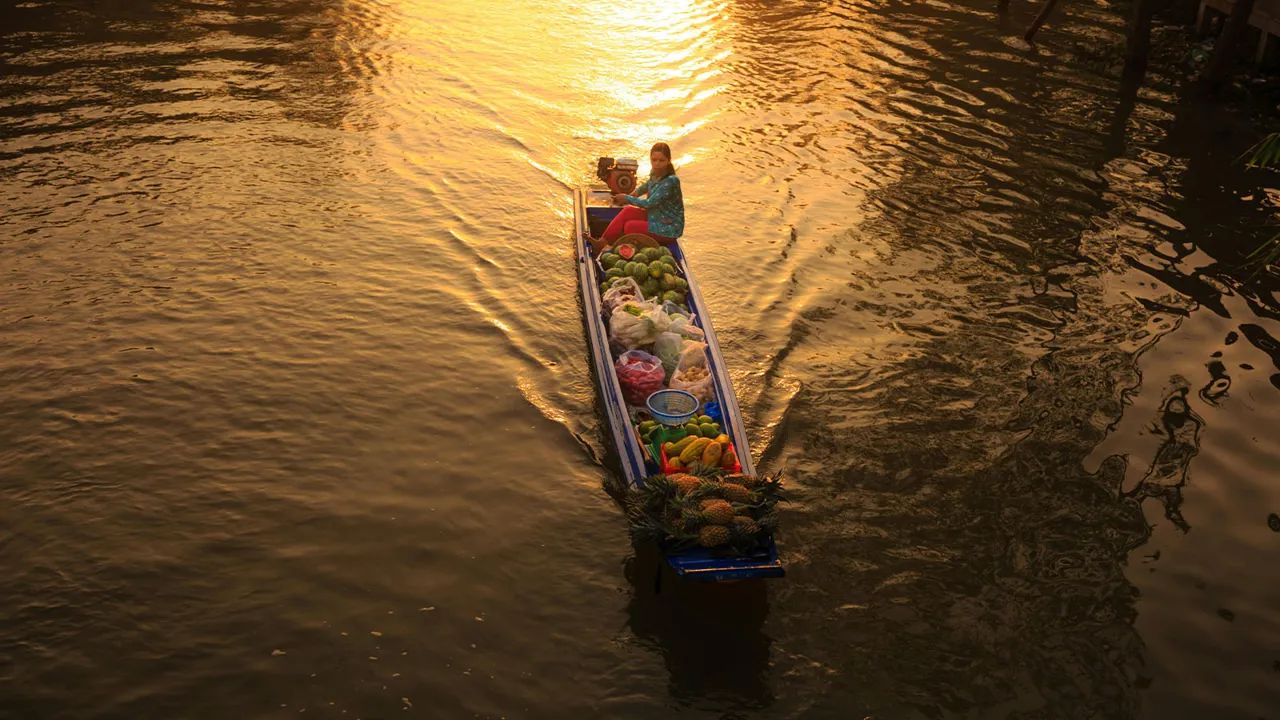
Vietnam Itinerary 2 Weeks
Hanoi - Ninh Binh - Lao Cai - Sapa - Muong Hum market - Ha Long Bay - Hue - Danang - Hoi An - Saigon - Mekong Delta - Cai Rang floating market - Departure

The Best of Ha Giang Trekking Tours
Discover Ha Giang on trekking tours where you live local life, enjoy breathtaking views and escape the crowded routes.

Vietnam and Laos 14 days
Saigon - My Tho - Da Nang- Hoian – Hue - Hanoi - Halong Bay - Vientiane Luang Prabang - Pak Ou – Khuang Si - Luang Prabang – Departure
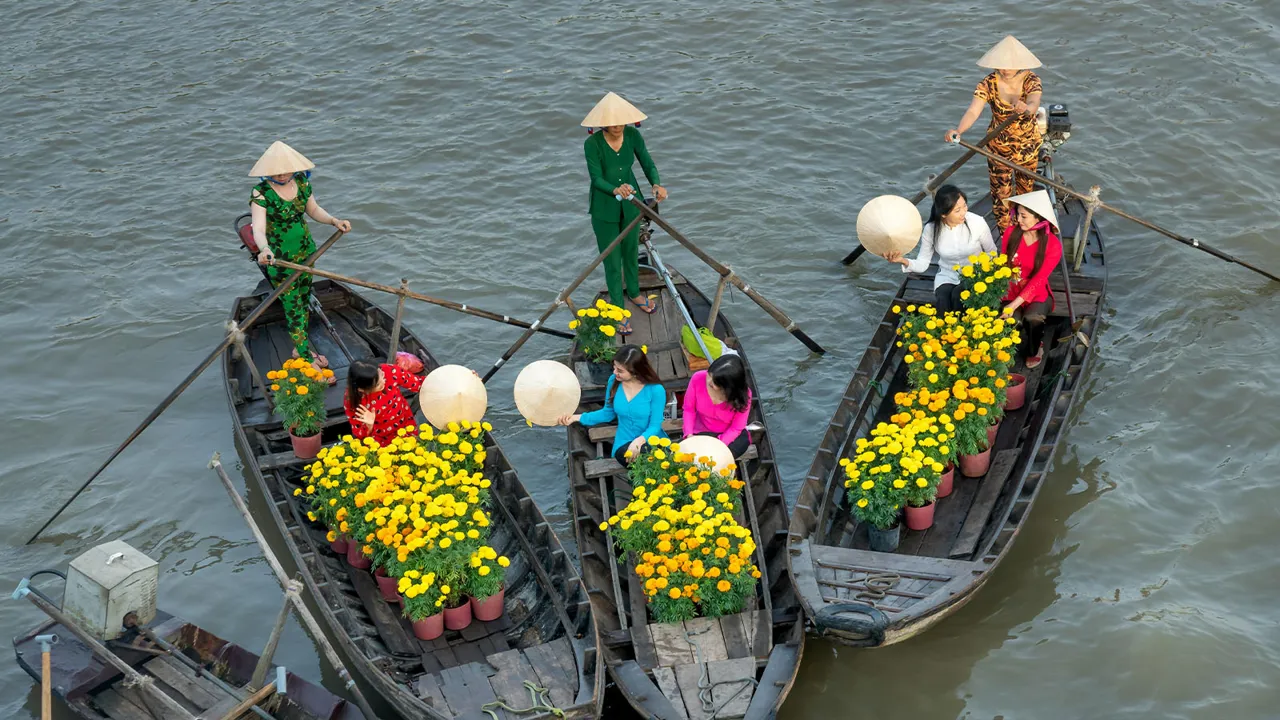
Vietnam Cambodia Itinerary 14 Days
Hanoi – Hoa Binh – Mai Chau – Ninh Binh – Halong bay – Hue - Danang – Hoian – Saigon – Ben Tre - Can Tho – Saigon - Siem Reap Angkor - Tonlé Sap - Siem Reap – Ta Prohm - Departure

Authentic Hoang Su Phi Trekking Tours
Hoang Su Phi trekking tours take you to stunning terraces, meet few tourists, connect with locals and enjoy authentic culture.

Honeymoon Tour Packages In Vietnam 12 Days
Saigon Arrival - City Tour – Mekong Delta – Danang – Hoian - by flight - Da Nang – Hanoi - by flight – Halong - overnight on junk – Departure
Are you interested in this tour?


Our testimonials
Whether it's a short or long tour, to discover must-see sites or to travel less-traveled paths, by car, junk, on foot, by bike or by motorbike... upon their return from their trip to Indochina, our clients tell us about their experiences. We thank them for entrusting us with the organization of their stay in Vietnam, Cambodia, Laos, Thailand and Myanmar!
Tailor-made trips to Vietnam
Are you a couple, a family, a group of friends? Are you planning a trip to Vietnam and/or Southeast Asia? Or maybe you want an individual, personalized trip, operated directly by a local agency? Perhaps you're thinking of a customized trip accompanied by a perfectly French-speaking guide and a private car with a professional driver... Are you the kind of traveler who likes to go where others don't? Our tailor-made tours adapt to your desires, your choices, your pace and your budget.... You decide, we create a trip that suits you!

Don't miss anything from Southeast Asia
The press talks about us




Comment
No comments yet. Be the first to leave a comment!