 French
 German
 Italian
 Portuguese
 Spanish


Cho Lon Chinatown in Saigon What To See and Do
Cho Lon began to take shape when the Chinese people, mainly from Chaozhou and Fujian, arrived to settle and establish businesses along the Saigon River over 200 years ago. Since then, this area has gradually developed into one of the most prosperous neighborhoods in Saigon.
Until now, the Chinese still preserve cultural, architectural, and religious values from hundreds of years ago. In Cho Lon, you will discover a typical Chinese (or rather Chinese Vietnamese) way of life: spirituality, food, architecture, and the spoken language.
Quick note: in Vietnamese, Cho Lon (great market) refers to Binh Tay Market, located in District 6 in the area of Thap Muoi – Le Tan Ke – Phan Van Khoe – Tran Binh streets. However, “Khu Cho Lon” (Cho Lon area) refers to the whole Chinatown, including Binh Tay Market. In this article, we will be covering both Cho Lon and Saigon’s Chinatown, giving you a detailed guide on how to explore the culturally rich neighborhood.

Cho Lon: A Bit of History
Cho Lon area today is used to refer to the Chinese neighborhood along the Te Canal, stretching from District 5 to District 6. However, in reality, this area was once a city.
Before the French colonial period, Saigon and Cho Lon were essentially two separate cities. The name Cho Lon likely originated from it being way larger compared to other Vietnamese markets like Tan Kieng Market. On June 6, 1865, the city of Cho Lon was established. Cho Lon was formerly called Saigon Market Street, while the present-day Saigon was known as Ben Nghe. The two were separated by a suburban area in between.
By 1930, the two cities had grown exponentially and intersected at Nguyen Van Cu Street. In 1931, the French president decided to sign a decree merging the two cities into a new administrative unit called the Saigon - Cho Lon area. In 1956, Saigon City was established, as a result, Cho Lon ceased to exist officially in administrative terms but became a cultural area spanning Districts 5, 6, and 11.
Today, the cultural, architectural, and religious values are still preserved in the Cho Lon area. Temples, assembly halls, and moss-covered tiled-roof houses seem to have stood the test of time. Hundred-year-old restaurants, hotels, and townhouses with a strong Chinese influence continue to endure.

What to see and do in Cho Lon - Saigon’s Chinatown?
Binh Tay Market
Binh Tay Market is the largest market within the Cho Lon area, so it is often unofficially referred to as the New Cho Lon itself. Covering an area of 25,000 square meters, Binh Tay Market is situated on four streets: Thap Muoi - Le Tan Ke - Phan Van Khoe - Tran Binh. The market has a rectangular layout, 12 gates (including both main and auxiliary gates), and is designed in an Eastern architectural style.
Binh Tay Market features a spacious courtyard, tiered tiled roofs, prominent yellow-painted walls, and intricately carved ventilation holes. The main tower has clocks on all four sides, and the front is adorned with a sophisticated ceramic bas-relief depicting a dragon holding a pearl in its mouth.
Binh Tay Market consists of a total of 1,446 stalls, including 698 on the ground floor and 748 on the upper floor, offering a wide range of products across 30 different categories and divided into five distinct areas.

- Ground floor and facade on Thap Muoi Street: dishes, porcelain, incense, zinc nails, conical hats, dried spices, and paintings. Additionally, there are various types of bags, shoes, and jewelry with diverse designs.
- Upper floor area: groceries, pastries, ready-made clothes, etc.
- Tran Binh area: spices, tea, coffee, seafood, fruits, and fresh flowers.
- Le Tan Ke area: dried goods, cooking oils, dried seafood, betel nuts, dried vegetables, and various spices.
- Phan Van Khoe area: fresh produce such as meat, seafood, eggs, tofu, etc.
Address: No. 57A Thap Muoi, Ward 2, District 6, Ho Chi Minh City
Operating hours: 2:00 - 23:00.
Phung Hung Market
Phung Hung Market stretches along an alley of the same name and is a must-see destination in the journey to explore Chinatown in District 5. Back then, Phung Hung Market was the most upscale dining area for the wealthy Chinese, hence it was also referred to by another name, the "rich market."
After decades, some stalls are still here to this day: the vegetarian Hu Tieu stall, the 90-year-old Tang bread stall, or the unique Ba Lu “cloth filtered coffee”.
Address: No. 214 Phung Hung, Ward 14, District 5, Ho Chi Minh City
Operating hours: 4:00 AM - 2:00 PM

Thien Hau Temple
Thien Hau Temple is a familiar religious structure for the Chinese community living in Saigon's Chinatown. This ancient temple possesses a dignified and venerable architectural style with over 400 precious antiques carefully preserved, such as wall paintings, bas-reliefs, bronze statues, and more. It is a place of worship for Thien Hau, the goddess of sea. The ancient temple was constructed over 250 years ago.
The triple gate of the temple has a beautifully decorated main door, with two wooden doors on each side. The temple consists of four interconnected sections forming the shape of the Chinese character "口" (meaning “mouth”) to welcome sunlight. The architectural highlight of Thien Hau Temple lies in the roof system decorated with a collection of Cay Mai ceramic sculptures (an ancient Vietnamese pottery line that sadly no longer exists).
When people visit the temple, they often ask for blessings or write their wishes, sticking them on the merit wall.
Address: No. 710 Nguyen Trai, Ward 11, District 5, Ho Chi Minh City
Operating hours: 6:30 AM - 4:30 PM

Nhi Phu Assembly Hall
Nhi Phu Assembly Hall, also known as Nhi Phu Temple or Ong Bon Pagoda, is one of the ancient temples built by the Chinese community from Tuyen Chau and Duong Chau (Phuc Kien Province). The temple was constructed around the late 17th century for worship and as a meeting place for fellow countrymen. The main deity revered here is Ong Bon, also known as Phuc Duc Chinh Thanh – the deity believed to protect the land and people according to Chinese beliefs.
A distinctive feature of the assembly hall's architecture is the typical Vietnamese curved roof, adorned with intricately crafted porcelain bas-reliefs of dragons and carp. The assembly hall not only reflects the cultural exchange between the Chinese and Vietnamese but also marks the settlement and integration process of the Phuc Kien Chinese community. Nhi Phu Assembly Hall was recognized as a national historical site in 1998.
Address: No. 264 Hai Thuong Lan Ong Street, Ward 14, District 5, Ho Chi Minh City
Operating hours: 6:00 AM - 5:00 PM
Hao Sy Phuong Alley
Hao Sy Phuong alley, resembling scenes from Hong Kong new wave films, is arguably the most "Instagrammable" spot in Saigon’s Chinatown. Having been around for over a century, this apartment complex is known for its system of colorful closely packed two-story houses connected by shared staircases. The decoration with red couplets and the arrangement of altars outside are distinctive features of Chinese culture.
Address: 206/17 Tran Hung Dao Street, Ward 11, District 5, Ho Chi Minh City

What to eat in Saigon’s Chinatown
Dimsum
Taking a stroll around Cho Lon, you're going to notice Dimsum being sold everywhere, from roadside eateries to upscale restaurants. More than just a common dish in Chinese meals, Dimsum encapsulates the essence of Chinese culinary art. Originating from the Guangdong region, catering to traders on the Silk Road, these dishes initially served a convenient, quick, and cost-effective purpose. Gradually, they have evolved into an enchanting culinary delight.
Preparing Dimsum is not as easy as you might think. From the skillful hands of the chefs crafting various fillings inside different types of wrappers, each Dimsum becomes an artwork. Placed in steamers as small as your hand, Dimsum is kept at a consistent temperature. You also have the choice of fried or boiled dimsum. Dimsum wouldn’t be as good without the dipping sauce, consisting of soy sauce, a hint of tangy vinegar, a touch of chili, and a few slices of julienned ginger.
Here are some suggested places in Saigon’s Chinatown to enjoy Dimsum:
Baoz Dimsum: 86-88 Nguyen Tri Phuong, Ward 7, District 5.
Tan Nguyen Thai Dimsum: 102 D – E An Duong Vuong, District 5.

Pha Lau
Even though they share the same name, the Chinese Tieu people's "pha lau" is quite different from the commonly known Vietnamese version that features pork or beef offal cooked with coconut milk. The Tieu people use a mix of pig hearts, pig ears, pig tongues, chicken feet, fried tofu, eggs, etc., cooked in a pot marinated with five-spice powder, cinnamon, star anise, cloves, and other Chinese herbs. It is often served with rice or porridge. In addition to the traditional way of eating, the Tieu-style "pha lau" can also be eaten with hot and crispy banh mi and accompanied by a dipping sauce, pickled mustard greens, kimchi, or lotus roots.
Currently in Saigon's Chinatown, there is only one Tieu-style "pha lau" banh mi vendor on Nguyen Trai Street with a history of over 60 years, known as Pha Lau Tam Ky at 823 Nguyen Trai, Ward 14, District 5.
Hand-pulled noodles
There is a difference between "mi keo" (hand-pulled noodles) and other types of noodle dishes or ready-made ones you buy at supermarkets. At one of the hand-pulled noodle restaurants, you get to enjoy fresh noodles made right on the spot. Along with that, you can admire noodle “kungfu”, where the noodles are made from scratch by the chefs.
Places to enjoy "mi keo" in Saigon's Chinatown:
Quan mi Thieu Ky: 66/5 Le Dai Hanh, Ward 7, District 11.
Mi Keo Kungfu Khai Ky: 118 Ha Ton Quyen, Ward 4, District 11.

Chinese Che
Apart from savory dishes, Chinese sweet soups are also worth a try, but they are rather different from the Vietnamese chè dishes you usually see. The most unique dish is the "Hot Ga Tra" – a Chinese chè made from boiled eggs soaked in tea and various spices. The dish walks the fine line between savory and sweet, which may not suit everyone's taste, but it's a specialty worth trying when visiting Saigon's Chinatown - Cho Lon. Beyond being a typical dessert, Chinese sweet soups are known as a remedy to cool down the body and replenish blood.
Enjoy Chinese sweet soups at long-standing shops like:
Ha Ky Sweet Soup Shop: No. 138 Chau Van Liem, Ward 11, District 5.
Thanh Tam Sweet Soup Shop: No. 98 Bui Huu Nghia, Ward 7, District 5.
Cafe vot
"Ca phe vot" (net-filtered coffee), also known as stocking coffee, is a traditional coffee brewing method that originated from the Chinese community in Saigon. True to its name, what makes this coffee special is that it is strained using a net, or a "vot" in Vietnamese, and is brewed using a kettle. The process of making "ca phe vot" is not complicated but requires a bit of attention. Coffee grounds are placed in the cloth filter and mixed with boiling water to extract the essence. Then, the coffee is placed in kettles and heated over a charcoal stove. This step helps keep the coffee hot, preserving the rich and aromatic flavor.
Currently, in Saigon's Chinatown, there are only a few shops that have maintained the tradition of brewing "ca phe vot" and have been around for over half a century. One of them is Mr. Thanh’s coffee shop, located in an alley at 313 Tan Phuoc Street, next to Thiec Market (District 11). Anyone who visits the shop will recognize the nostalgic Chinese architecture still present in the house. With only a few wooden stools and tables, a cup of coffee with a little condensed milk in an old-fashioned glass will take you back to Saigon in the early 80s.

Conclusion
In conclusion, Cho Lon stands as a vibrant tapestry of cultural richness and historical significance in the heart of Saigon. As the largest Chinatown in Vietnam, this bustling district seamlessly intertwines tradition with modernity, offering a captivating journey through time. The centuries-old temples, traditional markets, and unique architectural gems narrate tales of the past while the dynamic street life and eclectic culinary offerings reflect the spirit of the present.
As a must-visit destination, Saigon's Chinatown not only preserves its heritage but also evolves, adapting to the dynamic pulse of modern life. It invites travelers to embark on a fascinating exploration where tradition meets contemporary vibrancy, leaving an indelible mark on those who venture into its captivating labyrinth of history and culture.
>>> Com Tam (Vietnamese Broken Rice): The Best Streetfood In Saigon

Passionate blogger sharing trusted insights, well-researched tips, and real experiences. Dedicated to delivering accurate, valuable, and inspiring content that helps readers explore, learn, and make informed choices with confidence.
Send us your comments about : Cho Lon Chinatown in Saigon What To See and Do
Required fields *
You may also like


You may also like

Beyond shimmering silver lies 600 years of history. Dong Xam Village is where master artisans craft royal masterpieces by hand—a must-visit for lovers of fine art and tradition.

Meet the “Street Magicians” of Vietnam! To He is a vibrant, biodegradable folk art made from rice dough—a fleeting masterpiece and soulful bridge to legends and traditions.
-480.webp)
Discover the Hung Kings Festival, one of Vietnam’s most important cultural events. Learn its meaning, key rituals, and how to experience this unique spiritual journey in depth.
Recent comments
Four travel friends — three ladies and one gentleman — dreamed of discovering Sapa, its legendary terraced rice fields, and especially of reaching the summit of Mount Fansipan. Thanks to the ultra-modern cable car, we were able to reach the 3,143-meter peak without too much effort.
We loved exploring the vast fields and dragon fruit plantations.

Hiking through vast terraced rice fields, jungle trails, and steep climbs that sometimes tested our endurance…
You might also be interested
-480.webp)
Cyclo (Rickshaw) in Vietnam – A Timeless Way to Explore the Streets
Discover the charm of cyclo rides in Vietnam—a slow, immersive way to explore bustling streets, historic landmarks, and everyday local life from Hanoi to Hue and beyond today.
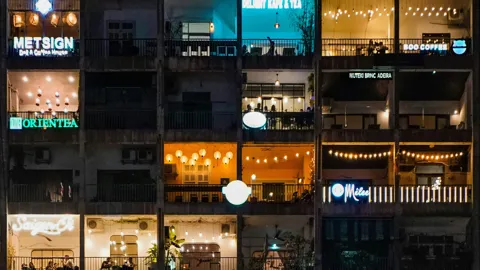
Map of Ho Chi Minh City: Your Essential Travel Guide to Vietnam’s Bustling Metropolis
The map of Ho Chi Minh City showcases Vietnam’s vibrant southern hub, from iconic landmarks and lively neighborhoods to street food highlights and travel tips for visitors.

Hanoi or Ho Chi Minh City: Which City To Choose To Discover Vietnam?
This guide compares Hanoi’s rich history with Ho Chi Minh City’s fast-paced energy, helping you choose the destination that suits your travel style or enjoy both cities.

How To Travel From Hanoi To Ho Chi Minh City By Train
Reunification Express offers a soulful journey across Vietnam, linking North and South. Discover scenic stops, practical tips, and why this iconic railway suits slow travel lovers.

How to get to Ho Chi Minh City from Hanoi, Hue, and Hoi An
Planning your route to Saigon? This guide compares flights, trains, and buses from Hanoi, Hue, and Hoi An to help you choose the most convenient and comfortable option available.

Chao Show in Saigon - A Feast for Senses
Chao Show in Saigon offers more than entertainment — it’s an immersive cultural journey with stunning choreography, live music, and local cuisine, showcasing the vibrant heart of Vietnamese tradition.

Can Gio Mangrove Forest: Complete Travel Guide (2025)
Just an hour from Ho Chi Minh City, Can Gio Mangrove Forest offers rivers, wildlife, and lush greenery, plus top activities, travel tips, and the best time to visit year-round.
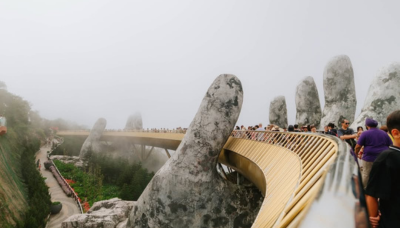
Top 10 Destinations for Vietnam Veterans Tours
Discover Vietnam’s most important war sites with top battlefield tours, from former combat zones and military bases to memorials and museums, offering deep reflection for veterans and history travelers.
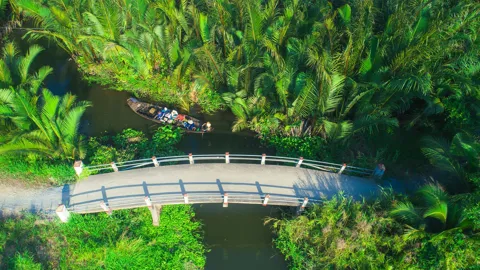
5-Day Mekong River Cruise: Itinerary, Price & Tips
Sail through the heart of southern Vietnam on a 5-day Mekong River cruise. This guide covers daily itineraries, what’s included, and expert advice for an immersive river journey.
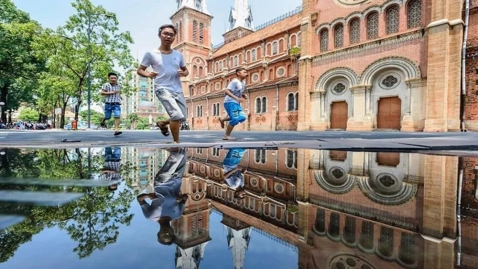
How Many Days Do I Need in Ho Chi Minh City?
Not sure how long to stay in Saigon? This guide helps you plan the ideal 1–4 day visit with tailored suggestions based on your interests, travel pace, and the experiences you want most.

What to do in South Vietnam for 2 weeks?
Discover the best South Vietnam 2-week itinerary from Ho Chi Minh City to the Mekong Delta and Phu Quoc, blending culture, scenery, beaches, and memorable travel experiences.
Best Cu Chi Tunnels Tour From Ho Chi Minh City
Discover the best Cu Chi Tunnels tour from Ho Chi Minh City, offering insights into underground wartime shelters, guerrilla life, and immersive experiences for history-minded travelers.
Travel ideas
Need some inspiration? Discover some of the best tours in Vietnam, which are highly appreciated by our clients. An excellent starting point to help you choose the right trip to Vietnam, Laos, Cambodia, Burma or Thailand, whether you are traveling alone, as a couple, as a family or with friends.
And because this trip is yours, feel free to customize it as you wish!
Vietnam Cambodia Itinerary 14 Days
Hanoi – Hoa Binh – Mai Chau – Ninh Binh – Halong bay – Hue - Danang – Hoian – Saigon – Ben Tre - Can Tho – Saigon - Siem Reap Angkor - Tonlé Sap - Siem Reap – Ta Prohm - Departure

Vietnam and Laos 14 days
Saigon - My Tho - Da Nang- Hoian – Hue - Hanoi - Halong Bay - Vientiane Luang Prabang - Pak Ou – Khuang Si - Luang Prabang – Departure

Honeymoon Tour Packages In Vietnam 12 Days
Saigon Arrival - City Tour – Mekong Delta – Danang – Hoian - by flight - Da Nang – Hanoi - by flight – Halong - overnight on junk – Departure

Authentic Hoang Su Phi Trekking Tours
Hoang Su Phi trekking tours take you to stunning terraces, meet few tourists, connect with locals and enjoy authentic culture.

The Best of Ha Giang Trekking Tours
Discover Ha Giang on trekking tours where you live local life, enjoy breathtaking views and escape the crowded routes.
Vietnam Itinerary 2 Weeks
Hanoi - Ninh Binh - Lao Cai - Sapa - Muong Hum market - Ha Long Bay - Hue - Danang - Hoi An - Saigon - Mekong Delta - Cai Rang floating market - Departure
Are you interested in this tour?

Our testimonials
Tailor-made trips to Vietnam



Don't miss anything from Southeast Asia
The press talks about us



Comment