 Français
 Deutsch
 Italiano
 Português
 Español

Yen Tu Mountain Vietnam: Completed Travel Guide & Tour
Explore Yen Tu, a sacred mountain retreat where temples, forests, and sweeping peaks await. This guide shows how to hike or take the cable car for a meaningful and scenic journey.
Just a short drive from the spectacular Halong Bay, Yen Tu Mountain offers a completely different landscape but is no less impressive. It is often called the "cradle of Vietnamese Buddhism" and has drawn pilgrims and travelers for centuries. As the birthplace of the Truc Lam Zen Buddhist sect, Yen Tu holds deep spiritual significance, surrounded by lush forests, ancient pagodas, and striking mountaintop views. Visitors can hike up its serene paths, discovering centuries-old temples and captivating landmarks at every turn, or opt for a scenic cable car ride to take in the landscape. Overshadowed by its popular neighbor Halong, Yen Tu still flies under the radar for most tourists, but it is definitely worth a visit if you’re exploring northern Vietnam! In this Yen Tu Mountain, Vietnam, travel guide, let us take you on an exploration of Yen Tu, a Northwestern gem, as well as give you all the necessary tips for a memorable trip!
The History of Yen Tu
Yen Tu Mountain, located in Quang Ninh Province, is one of Vietnam's most sacred Buddhist sites, with a history dating back over 700 years. The mountain became a symbol of Vietnamese Buddhism in the 13th century when King Tran Nhan Tong, after abdicating his throne, retreated to Yen Tu. There, he established the Truc Lam Zen sect, Vietnam’s unique school of Zen Buddhism.
King Tran Nhan Tong’s decision to embrace a life of asceticism and meditation in Yen Tu was revolutionary. He built a network of temples and pagodas across the mountain, shaping Yen Tu into a spiritual hub and pilgrimage destination for Vietnamese Buddhists. These structures, along with the Truc Lam Zen sect, fostered a tradition of Vietnamese spirituality that emphasized simplicity, humility, and harmony with nature.
Yen Tu’s history is embodied in its sacred sites, including the Hoa Yen Pagoda, which was first built during the Ly Dynasty, and the Dong Pagoda, perched at the mountain’s peak. These and other sites, such as the Mot Mai Pagoda, were repeatedly restored and maintained by generations of devotees, preserving the mountain’s spiritual legacy. Each year, thousands of pilgrims ascend the mountain, retracing the paths taken by King Tran Nhan Tong and other historical figures who sought enlightenment and peace within Yen Tu’s tranquil landscapes.
Today, Yen Tu Mountain remains a revered site of spiritual reflection, symbolizing the enduring influence of the Truc Lam Zen tradition in Vietnamese culture and religion.

How to Get to Yen Tu Mountain?
Reaching the summit of Yen Tu Mountain, at an elevation of about 1,068 meters, can be done in two ways: by cable car or by hiking. Once you reach the top, the views are spectacular.
Yen Tu Mountain Cable Car
The cable car is a fast and convenient way to reach the mountain's sacred peak. There are two routes currently available; however, they don’t take you directly to the summit, leaving you time to explore the surrounding sites from which you can continue to hike up to the summit. Route 1 takes you from the base to Hue Quang Golden Stupa, and Route 2 goes from Hoa Yen Pagoda to the Golden Buddha Statue, leaving you with a 45-minute hike to Dong Pagoda. The entire journey by cable car takes about 20-30 minutes, depending on waiting times.
Yen Tu cable car ticket prices are approximately VND 150,000–200,000 (about $6–8 USD) per section. This means a round trip using both sections will cost around VND 300,000–400,000 (about $12–16 USD). Taking the cable car is an ideal option for those who want to enjoy the scenic views over the mountain without the full challenging climb.
Yen Tu Mountain Hike
For those looking to connect with nature and enjoy the traditional pilgrimage experience, hiking is the way to go. The trek from the base to the summit covers around 6 kilometers (about 3.7 miles) and typically takes between 3 and 4 hours, depending on fitness levels and pace. The trail includes steep, rocky paths as well as scenic pagodas and ancient structures along the way.
Hiking is free of charge, though you should come prepared with comfortable walking shoes, water, and a camera to capture the journey. The hike gives you an immersive experience through Yen Tu’s lush forests and spiritual landmarks and a profound sense of peace and reverence.
What Attractions can Visitors See at Yen Tu?
Truc Lam Zen Monastery
Built in 1293, The Truc Lam Zen Monastery is a centerpiece of Vietnamese Buddhism. The monastery, founded to honor the Truc Lam Zen sect that King Tran Nhan Tong established in the 13th century, embodies the teachings and ideals of Vietnamese Zen Buddhism. Surrounded by lush landscapes and carefully designed in harmony with nature, the monastery’s architecture is simple yet elegant, representing the Zen principles of simplicity and purity. Visitors often join the monks in their daily meditation practices, gaining insight into a spiritual life focused on mindfulness and inner peace.
Hue Quang Golden Stupa
Hue Quang Golden Stupa is a powerful symbol of the Truc Lam Zen tradition. Located on a plateau surrounded by greenery, this stupa was built in 1309 to contain the relics of King Tran Nhan Tong, who passed away one year earlier. The stupa is adorned with intricate designs typical of the Tran dynasty’s architecture and sits within a peaceful setting. Around the stupa are nearly 100 other smaller towers dedicated to Truc Lam Zen monks.

Dong Pagoda Yen Tu
Dong Pagoda, or “Bronze Pagoda,” is one of the most iconic landmarks on Yen Tu Mountain in Vietnam, situated at the summit at an altitude of 1,068 meters. This pagoda, made entirely of bronze, was built to withstand the harsh mountain climate and is a true architectural feat. This is the largest bronze pagoda on a mountain peak in Asia.
Dong Pagoda’s location at the top of the mountain makes it a key destination for both hikers and pilgrims. Visitors who make it to the summit are rewarded with expansive views of the surrounding mountain ranges and valleys below. The pagoda is a site for prayer and contemplation, and many believe that wishes made here carry special significance due to the pagoda’s altitude and remote location.
Hoa Yen Pagoda
Hoa Yen Pagoda is one of the oldest and largest pagodas on Yen Tu Mountain, located halfway up the mountain at an elevation of about 516 meters. Originally constructed during the Ly Dynasty and later expanded by the Tran Dynasty, it has served as a major center of Buddhist teaching for centuries. The pagoda is surrounded by 700-year-old Plumeria trees to the front and ancient fig trees to the right. Hoa Yen is a place to pause and appreciate both the historical significance and the natural beauty that surrounds it. Inside the pagoda, statues of Buddha and King Tran Nhan Tong remind visitors of the legacy of devotion that has shaped Yen Tu over the centuries.
Mot Mai Pagoda
Known as the “One-Roof Pagoda,” Mot Mai Pagoda is tucked away on a rocky cliff about 200m to the East of Hoa Yen Pagoda, with one half of the roof hidden inside the cave and the other exposed. The pagoda, built to shelter only a single room divided into 4 sections, has a rustic charm that reflects the simplicity of Zen teachings. And because of its modest size, the altar is also designed to be proportional to the pagoda. It’s the only pagoda at Yen Tu Mountain that houses statues and steles made entirely of white marble, dating back to the late Le Dynasty.
Despite its size, Mot Mai Pagoda has a powerful presence, making you feel a sense of calm and introspection. The pagoda also houses a small well that never dries up and can cure diseases, according to local lore.

Bao Sai Pagoda
Near Hoa Yen Pagoda is Bao Sai Temple, a less-visited site named after Tran Nhan Tong’s first pupil. Dedicated to the teachings of Buddhism and the Truc Lam Zen sect, Bao Sai lies at an elevation of over 700m. The pagoda’s architecture reflects traditional Vietnamese Buddhist design, with ornate carvings and wooden structures that have been preserved for centuries.
Giai Oan Stream
Giai Oan Stream, meaning the “Stream of Cleansing Grievances,” has a rich history and is woven with mystery. Legend has it that after King Tran Nhan Tong gave up the throne to embark on his spiritual journey, Tran Anh Tong sent his beautiful concubines to Yen Tu Mountain to dissuade his father but failed to do so. The concubines in return all cast themselves into the water to show loyalty to the emperor, taking their lives. Tran Nhan Tong decided to set up the Giai Oan Temple next to the stream in their memories. Pilgrims who visit Giai Oan Stream often wash their hands in its cool, clear waters in the hope of being released of worldly concerns and for a renewed focus on spiritual pursuits. The stream winds through small waterfalls and is shaded by large trees, creating a calm and refreshing atmosphere. In spring, wildflowers bloom along its banks, adding to the area’s natural beauty.

Where is Yen Tu Mountain?
Yen Tu Mountain is located in Uong Bi City, Quang Ninh Province, about 110 kilometers east of Hanoi. There are a few ways to reach Yen Tu if you’re moving from Hanoi:
Hanoi to Yen Tu Mountain by Private Car
This is the most comfortable and hassle-free option. You’ll be picked up from your hotel in Hanoi and driven directly to Yen Tu Mountain in a private vehicle provided by a local tour company.
Travel Time: Approximately 2.5 hours, depending on traffic.
Cost: A private car transfer typically costs around $100–$150 for a round trip, services included. It’s ideal for those who want a personalized experience without managing transportation details.
Shared Tourist Shuttle or Bus Service
Convenience: Some travel companies operate shared shuttle buses from Hanoi to Yen Tu, especially during the Yen Tu Festival season. This option is cost-effective but may have limited departure times.
Travel Time: Around 3 hours, depending on traffic and the number of stops.
Benefits: A more budget-friendly option, with a comfortable ride and typically arranged by a tour operator.
Cost: Roughly $10–$20 per person one-way, with possible package options that include a guide and/or entrance tickets.
Public Bus from Hanoi to Uong Bi City
Convenience: Public buses from Hanoi’s My Dinh or Giap Bat bus stations travel to Uong Bi City, where Yen Tu is located. From there, you’ll need to take a taxi or local bus to reach the base of Yen Tu Mountain.
Travel Time: Approximately 3–4 hours for the bus ride, plus additional time for the taxi or local bus to reach Yen Tu.
Benefits: The most budget-friendly option for independent travelers who don’t mind transfers.
Cost: Bus fare is about $5–$7 per person one-way, with a short taxi ride to Yen Tu costing around $5–$10.

Yen Tu Mountain Tours
Day 1: Arrival in Hanoi and Transfer to Yen Tu
Arrive in Hanoi: Begin your journey by arriving in Hanoi. If you’re already in Hanoi, aim to leave early in the morning.
Hanoi to Yen Tu Mountain by private car (2.5 hours): Take a scenic drive from Hanoi to Yen Tu Mountain in Quang Ninh Province. You’ll pass lush landscapes, rice paddies, and small villages along the way.
Lunch at a Local Restaurant in Yen Tu: Enjoy traditional Vietnamese dishes at a local restaurant near the base of the mountain.
Explore Yen Tu’s Lower Temples: Begin your spiritual journey by visiting Truc Lam Zen Monastery and Hoa Yen Temple. The peaceful surroundings and architecture reflect the Zen influence that King Tran Nhan Tong introduced here.
Overnight Stay: Spend the night in a Yen Tu Mountain hotel or eco-lodge. Rest well to prepare for the mountain ascent the next day.
Day 2: Yen Tu Mountain Ascent and Transfer to Halong Bay
Start your day with a hearty breakfast.
Yen Tu Mountain Ascent: Choose between taking the cable car or hiking. If hiking, plan for a 3-4 hour journey to the top.
Cable Car Option: Take two cable car sections up to Dong Pagoda, with stops at attractions like Bao Sai Pagoda and the Hue Quang Golden Stupa along the way. This option takes about 30 minutes.
Hiking Option: The hike to the summit takes about 3-4 hours, passing by Giai Oan Stream, Mot Mai Temple, and Bao Sai Pagoda before reaching Dong Pagoda at the peak. The trail is steep but provides scenic views and a rewarding experience.
If you’re hiking, enjoy a picnic lunch; otherwise, there are local food stalls near the cable car area. After reaching the summit and visiting Dong Pagoda, make your way back down by cable car or foot, taking time to rest and capture the mountain views.
Private Transfer to Halong Bay (1.5 hours): From Yen Tu, take a private transfer to Halong Bay, where you’ll arrive in the late afternoon. Settle into your Halong Bay cruise and relax after a full day of exploration.

Day 3: Halong Bay Cruise and Return to Hanoi
Begin the day with breakfast, then prepare for a full-day cruise on Halong Bay. Visit must-see spots such as Sung Sot (Surprise) Cave, Titop Island, and Luon Cave. Explore Luon Cave by kayak or bamboo boat to see the bay’s towering limestone cliffs up close.
Lunch on Board: Savor a seafood buffet or set lunch on the cruise. Many cruises offer a spread of fresh seafood and Vietnamese dishes as you drift through scenic limestone formations. Visit other iconic sites, such as fishing villages or hidden coves, before the cruise returns to the dock in the mid-afternoon.
Return Transfer to Hanoi: After disembarking, take a private transfer back to Hanoi. You’ll arrive in the evening, concluding your journey.
Tips for Visiting Yen Tu Mountain, Vietnam
Choose the Right Time: February to April, especially during the Yen Tu Festival. This period offers pleasant weather, though it can be crowded with pilgrims. If you’re hiking, try to avoid visiting in the peak summer months of June through August when temperatures are highest.
Dress Appropriately: Wear comfortable, weather-appropriate clothes and sturdy walking shoes. Yen Tu is a sacred pilgrimage site, so dressing modestly is respectful. Avoid overly revealing clothing, especially if you plan to enter temples.
Water and Snacks: There are vendors on the way up, but bringing your own water and light snacks is helpful, especially for the hike.
Sunscreen and Hat: Protect yourself from the sun, especially if you’re taking the longer trail without much shade.
Cash: Some vendors and entrance fees may only accept cash, so bring a small amount for convenience.
Respect Local Customs: Yen Tu is a revered pilgrimage site. Be mindful of temple etiquette by keeping noise levels low, removing shoes before entering, and respecting prayer spaces.

Avoid littering: Yen Tu’s natural beauty is part of its appeal, so help keep it clean by taking your trash with you.
Pace Yourself on the Hike: The hike can be physically challenging, especially the last section leading to Dong Pagoda at the summit. Take breaks at scenic viewpoints, temples, and pagodas along the way. If traveling with older family members or young children, consider taking the cable car instead to enjoy a comfortable journey.
Capture the Views. Mindfully: Yen Tu offers spectacular views and photogenic spots. Keep in mind that drones are generally not allowed. Respect the peaceful atmosphere at sacred sites by avoiding flash photography and limiting photo sessions within temples.
Weather Considerations: Yen Tu’s higher altitudes can bring sudden changes in weather. Be prepared for cool, misty conditions at the top, even if the base is warm. Fog is common, particularly in the early morning or late afternoon, which may limit visibility.
Conclusion
Ready to experience the magic of Yen Tu Mountain for yourself? Let us handle the planning so you can focus on enjoying this incredible journey. Book a tour with Vietnam Original Travel to experience the rich heritage, natural beauty, and spiritual serenity that Yen Tu has to offer. And if you’re interested in exploring more of Vietnam, keep reading our related articles for tips on the best places to visit, how to travel around, and where to find authentic local experiences. Let’s make your Vietnam adventure unforgettable!
>>> Top 10 Best Halong Bay Cruises for Every Traveler
>>> Best Things To Do in Quang Ninh Province
Giang is a Vietnam destination expert with over a decade of experience guiding travelers through the country’s most inspiring regions. Born and raised in the Red River Delta, Giang has an intimate understanding of local traditions, cuisine, and culture. Her articles reflect her mission: to help travelers discover the authentic Vietnam — beyond the postcards — through meaningful encounters and immersive journeys.
Send us your comments about : Yen Tu Mountain Vietnam: Completed Travel Guide & Tour
Required fields*
You may also like

You may also like

Best Ways To Travel From Ninh Binh To Hoi An
This guide covers the best ways to travel from Ninh Binh to Hoi An with options, travel times, costs, and insider tips for a smooth and memorable journey between the two
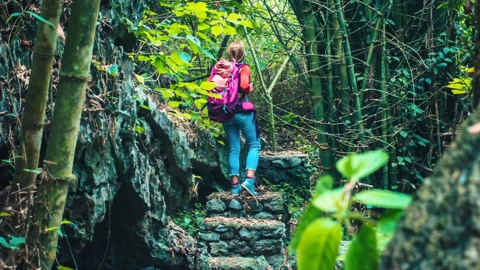
What to Do in Vietnam for 15 Days?
Discover what to do in Vietnam for 15 days with this detailed itinerary. Explore top destinations, authentic experiences, local food, and essential travel tips for an unforgettable journey.
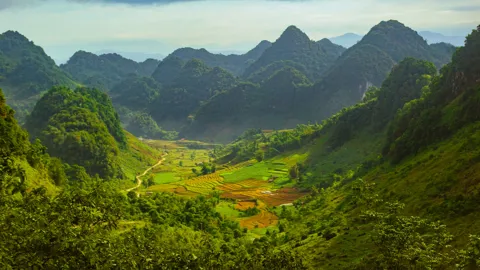
Pa Khom Bay, Lai Chau Travel Guide
Pa Khom Bay in Lai Chau offers remote beauty and peaceful landscapes. This guide reveals top things to do, local experiences, and essential travel tips for an unforgettable journey.
Travel ideas
Need some inspiration? Discover some of the best tours in Vietnam, which are highly appreciated by our clients. An excellent starting point to help you choose the right trip to Vietnam, Laos, Cambodia, Burma or Thailand, whether you are traveling alone, as a couple, as a family or with friends.
And because this trip is yours, feel free to customize it as you wish!

Vietnam Itinerary 2 Weeks
Hanoi - Ninh Binh - Lao Cai - Sapa - Muong Hum market - Ha Long Bay - Hue - Danang - Hoi An - Saigon - Mekong Delta - Cai Rang floating market - Departure

The Best of Ha Giang Trekking Tours
Discover Ha Giang on trekking tours where you live local life, enjoy breathtaking views and escape the crowded routes.

Vietnam and Laos 14 days
Saigon - My Tho - Da Nang- Hoian – Hue - Hanoi - Halong Bay - Vientiane Luang Prabang - Pak Ou – Khuang Si - Luang Prabang – Departure
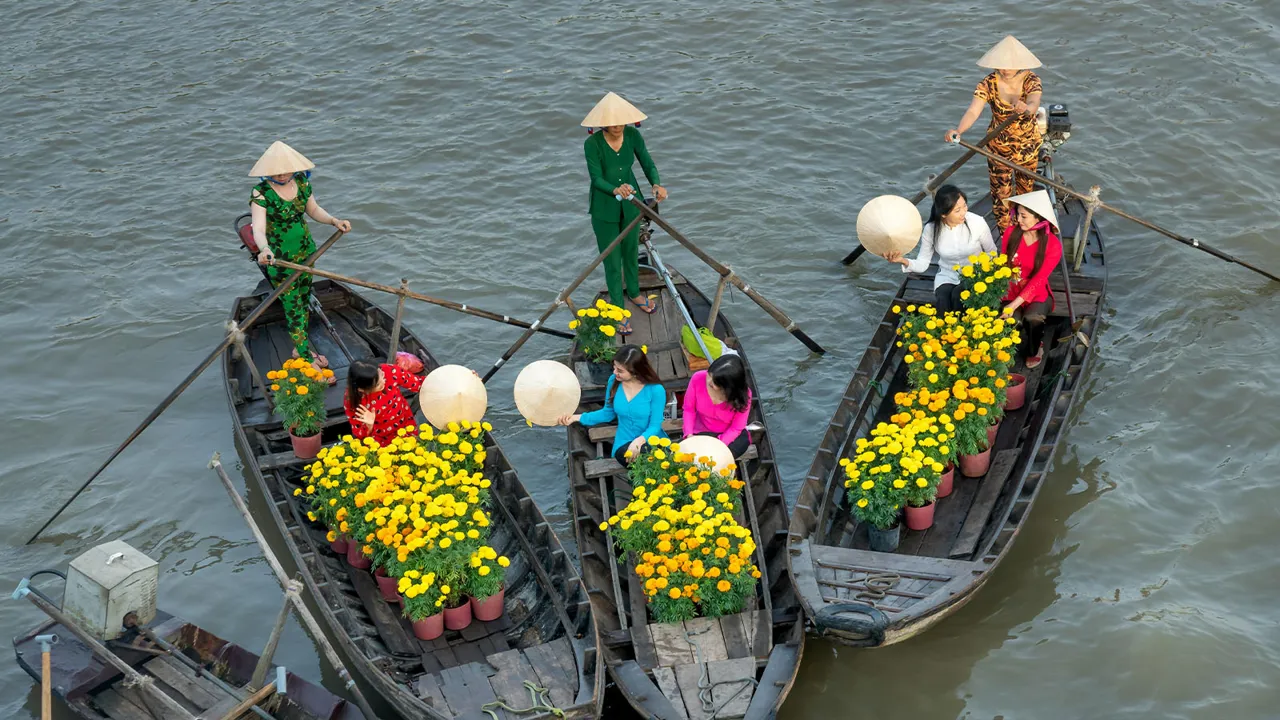
Vietnam Cambodia Itinerary 14 Days
Hanoi – Hoa Binh – Mai Chau – Ninh Binh – Halong bay – Hue - Danang – Hoian – Saigon – Ben Tre - Can Tho – Saigon - Siem Reap Angkor - Tonlé Sap - Siem Reap – Ta Prohm - Departure

Authentic Hoang Su Phi Trekking Tours
Hoang Su Phi trekking tours take you to stunning terraces, meet few tourists, connect with locals and enjoy authentic culture.

Honeymoon Tour Packages In Vietnam 12 Days
Saigon Arrival - City Tour – Mekong Delta – Danang – Hoian - by flight - Da Nang – Hanoi - by flight – Halong - overnight on junk – Departure
Are you interested in this tour?


Our testimonials
Whether it's a short or long tour, to discover must-see sites or to travel less-traveled paths, by car, junk, on foot, by bike or by motorbike... upon their return from their trip to Indochina, our clients tell us about their experiences. We thank them for entrusting us with the organization of their stay in Vietnam, Cambodia, Laos, Thailand and Myanmar!
Tailor-made trips to Vietnam
Are you a couple, a family, a group of friends? Are you planning a trip to Vietnam and/or Southeast Asia? Or maybe you want an individual, personalized trip, operated directly by a local agency? Perhaps you're thinking of a customized trip accompanied by a perfectly French-speaking guide and a private car with a professional driver... Are you the kind of traveler who likes to go where others don't? Our tailor-made tours adapt to your desires, your choices, your pace and your budget.... You decide, we create a trip that suits you!



Don't miss anything from Southeast Asia
The press talks about us




Comment
No comments yet. Be the first to leave a comment!