 Français
 Deutsch
 Italiano
 Português
 Español
Top 10 Symbols Of Vietnam And Their Meanings
Vietnam’s cultural symbols—from the lotus to the conical hat—carry deep meanings and traditions. This guide explains how they reflect the nation’s identity and remain essential today.
Vietnam is a country with a rich history of over 4000 years. After back-to-back periods of colonization by the Chinese, the Japanese, the French, and the Americans, Vietnam is still able to retain its national cultural quintessence. When mentioning Vietnam and its culture, a few things come to mind: the iconic Ao Dai, a hearty bowl of Pho, or the conical hat. These symbols tell the story of Vietnam’s past and present, offering a window into the nation’s values and way of life. In this blog post, we’ll explore top 10 symbols of Vietnam and their meanings, from well-known emblems to more obscure ones, that you can admire during your visit.

Lotus flower - Vietnam’s national flower
The lotus flower holds a special place in Vietnamese culture, both for its natural beauty and deep symbolic meaning. Despite emerging from murky, muddy waters, the lotus blooms into something pure, unblemished, and breathtaking. Because of this, it has become a powerful symbol of purity, spiritual awakening, and resilience in Vietnamese culture, as well as in Buddhism, which is widely practiced in Vietnam. The lotus teaches that even in the harshest conditions, beauty and strength can flourish.
The lotus flower is also celebrated in Vietnamese cuisine. Almost every part of the lotus plant is edible! The seeds are a popular snack, used in soups and desserts. Tea lovers might also enjoy lotus tea which has a subtle, fragrant flavor.
The lotus is a popular motif in Vietnamese art and architecture. You’ll notice lotus designs in pagodas, temples, and traditional crafts. The most notable is One Pillar Pagoda in Hanoi, whose shape evokes a lotus flower, supported by a single pillar representing its stem.
The lotus is also officially recognized as Vietnam’s national flower. In 2011, the lotus was chosen to represent the country for its cultural significance and beauty. Its soft pink or white petals are often seen in traditional ceremonies, art, and even contemporary design. For the Vietnamese people, the lotus is a reminder of their cultural heritage and their ability to thrive, even in challenging times.

Conical hat – “nón lá”
The Vietnamese conical hat, or nón lá, is more than just a simple piece of headwear—it's a symbol of Vietnam’s heritage and tradition. The nón lá is practical and versatile, which is why you’ll see it worn by farmers, fishermen, and even city dwellers. Its wide brim offers protection from the scorching sun and heavy rains, making it a must-have for anyone working outdoors in Vietnam’s tropical climate.
The origins of the nón lá date back over 3,000 years. This simple yet elegant hat is typically handcrafted from palm leaves or bamboo, woven together with great care and skill. At first glance, the nón lá may seem simple and rudimentary, but it takes no less than 10 steps and 4 hours to make. A well-made nón lá can take a few days to complete, as the leaves need to be perfectly dried, layered, and shaped. Each hat is unique, reflecting the artistry of its maker, and some are even adorned with poems or paintings.
Ao dai
The ao dai is one of the most iconic symbols of Vietnam, embodying the country's elegance, grace, and cultural heritage. This long, flowing tunic worn over pants is seen everywhere, worn by students, hotel receptionists, or Vietnam Airlines stewardesses.
The ao dai features a slim-fitting tunic with side slits that flow gracefully over trousers. Its design highlights the beauty of the wearer’s silhouette while maintaining an air of modesty and sophistication. Typically made from silk or other lightweight fabrics, it’s perfect for Vietnam’s tropical climate.
Though it has evolved over the centuries, the ao dai has been a symbol of national pride since the Nguyen dynasty. Today, it’s worn at special occasions like weddings, Tet (the Lunar New Year), and official ceremonies. Its colors often carry specific meanings, such as white for purity and red for happiness.

Rice
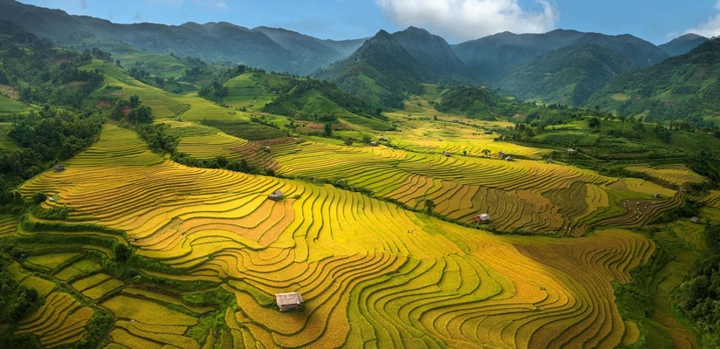
For a country that takes pride in its 4000-year wet-rice civilization, rice can be considered the symbol of Vietnamese culture. As one of the world's largest rice exporters, rice farming is a way of life for millions of Vietnamese. From the sprawling green rice paddies that stretch across the countryside to the bowls of steaming rice on every dining table, it plays a central role in Vietnamese life, culture, and economy.
Rice is a key ingredient in countless Vietnamese dishes. Whether it's com tam (broken rice), banh cuon (rice noodle rolls), or the world-famous pho (which uses rice noodles), you can’t escape rice in Vietnam’s culinary landscape. It’s versatile, nutritious, and deeply tied to the nation’s eating habits.
In Vietnamese culture, rice symbolizes prosperity and sustenance. It’s often used in offerings during festivals and rituals, especially those dedicated to ancestors and gods, emphasizing its spiritual importance.
Bamboo
Bamboo is a symbol of Vietnam representing resilience, unity, and adaptability. You’ll see bamboo used in everything from construction to handicrafts, furniture, baskets, fishing pots, conical hats, water pipes, chopsticks, and farming tools, thanks to its strength and flexibility.
Beyond its practical uses, bamboo carries rich cultural significance. It often appears in folk stories, symbolizing integrity and strength in the face of hardship. In Vietnamese proverbs, bamboo stands as a metaphor for the human spirit—able to bend under pressure but never break. This reflects the resilience of the Vietnamese people throughout their history, facing challenges but remaining strong.
The versatility of bamboo is truly unmatched. It’s a living testament to the resourcefulness and creativity of Vietnam’s culture. During your trip to Vietnam, make sure to visit an artisan workshop to observe how craftsmen transform bamboo into useful everyday products.

Water buffalo
The water buffalo is known as Vietnam’s national animal, representing hard work, resilience, and rural life. You’ll see these sturdy animals everywhere in the Vietnamese countryside, particularly in rice paddies, where they’ve been essential to farming for centuries. The water buffalo is usually associated with Vietnamese agriculture, as they used to play a crucial role in helping farmers till the land. Even though people now apply technology to farming, the water buffalo is still a symbol of hard work.
Beyond their practical value, water buffalo are also celebrated in folklore and festivals. They are part of the 12 Vietnamese zodiac signs, where the buffalo is admired for its diligence and patience.
Lac Bird
The Lac bird is a mythical symbol in ancient Vietnamese culture and is often depicted in the art and artifacts of the Dong Son civilization. It is also considered Vietnam’s national bird. This stylized bird, frequently seen on Dong Son bronze drums, represents power, freedom, and the connection between the heavens and the earth. Its elegant, elongated shape with curved wings reflects the aspiration of the Vietnamese people despite challenges.
The Lac bird is more than just a decorative motif—it’s a symbol of the ancient Lac Viet people, the ancestors of modern-day Vietnamese. It highlights their cultural identity and their close relationship with the natural world, particularly with water and agriculture. In many ways, the bird embodies the spirit of the Vietnamese, soaring through challenges with grace and resilience.

Red flag with yellow star
The national flag of Vietnam features a red background with a 5-pointed yellow star in the middle. The red background symbolizes the blood shed by the Vietnamese people during the various wars for independence, while the 5-pointed yellow star symbolizes the unity of the country (the union of workers, peasants, soldiers, intellectuals, and youth all working together to build socialism).
During your trip to Vietnam, you'll notice that the national flag is everywhere. It can be found on government buildings, of course, but also in front of most homes, and even more so on September 2nd, the country's Independence Day. In Vietnam, you can see three major flag towers: those of the former imperial citadels of Thang Long in Hanoi and Hue, and the Lung Cu flag tower, which marks the country's northernmost point and its national sovereignty in the face of neighboring China.
Pho
Pho is Vietnam’s most famous dish, loved both at home and abroad. This fragrant noodle soup is a blend of delicate broth, soft rice noodles, tender slices of meat (usually beef or chicken), and fresh herbs. It's served with a side of lime, chili, and bean sprouts for that perfect balance of flavors.
While its exact origins are debated, pho is believed to have been created in northern Vietnam in the early 20th century. Over time, it spread throughout the country, with regional variations like the sweeter, more herb-heavy pho of the south. What makes pho special is the slow-cooked broth, traditionally simmered for hours with beef bones, star anise, cinnamon, and cloves, giving it its signature depth and warmth.
More than just a dish, pho is a cultural symbol of Vietnam. It’s eaten any time of day, especially as a breakfast staple. You'll find pho stalls on nearly every street corner, each with its own secret recipe passed down through generations. The popularity of this healthy, gourmet soup has spread beyond the borders of Vietnam, as it can now be found on the menu of Vietnamese restaurants in every major city in the world.

Dong Son bronze drums
The Dong Son bronze drums are one of Vietnam's most significant ancient artifacts, representing the pinnacle of craftsmanship during the Dong Son culture (around 600 BCE to the third century CE). These drums were Vietnam’s ancient symbols of power, wealth, and spiritual significance, showcasing the culture’s astounding metalworking.
Crafted from bronze, each drum is intricately decorated with patterns of animals, especially the Lạc bird, warriors, boats, and geometric shapes, reflecting the daily life and beliefs of the people. The surface of the drum often features a central star, symbolizing the sun, surrounded by these detailed motifs. These designs give us valuable insights into ancient Vietnamese culture and their connection to nature, the cosmos, and their community.
Many Dong Son drums have been discovered in northern Vietnam, particularly along the Red River Delta, but they’ve also been found across Southeast Asia, highlighting the wide influence of the Dong Son people.
These symbols of Vietnam are living representations of the country’s spirit, resilience, and identity. Each symbol, from the humble rice grain to the majestic Dong Son drums, carries a story that reflects the richness of Vietnamese history and the pride of its people. Whether you’re exploring Vietnam for the first time or reconnecting with its culture, these symbols offer a timeless connection to the heart of the country.
>>> Top 10 Most Unusual Things To Do In Vietnam

Passionate blogger sharing trusted insights, well-researched tips, and real experiences. Dedicated to delivering accurate, valuable, and inspiring content that helps readers explore, learn, and make informed choices with confidence.
Send us your comments about : Top 10 Symbols Of Vietnam And Their Meanings
Required fields*
You may also like

You may also like

How To Get From Thailand To Vietnam
Flying or overlanding to Vietnam from Thailand? This guide compares routes, border crossings, visa requirements, and transport options to help you choose the most efficient way to travel.

Top Best Things To Do In Nam Dinh Vietnam
Nam Dinh is rich in history and local charm, with grand cathedrals, coastal villages, craft traditions, and unique festivals. This guide highlights the province’s most authentic cultural experiences.

Tam Giang Lagoon Hue : A Hidden Gem In Central Vietnam
Tam Giang Lagoon offers serene waters, floating villages, and rich wetlands. This guide highlights its eco-tourism charm, local life, and the best spots for photography in Vietnam’s largest lagoon.
Travel ideas
Need some inspiration? Discover some of the best tours in Vietnam, which are highly appreciated by our clients. An excellent starting point to help you choose the right trip to Vietnam, Laos, Cambodia, Burma or Thailand, whether you are traveling alone, as a couple, as a family or with friends.
And because this trip is yours, feel free to customize it as you wish!
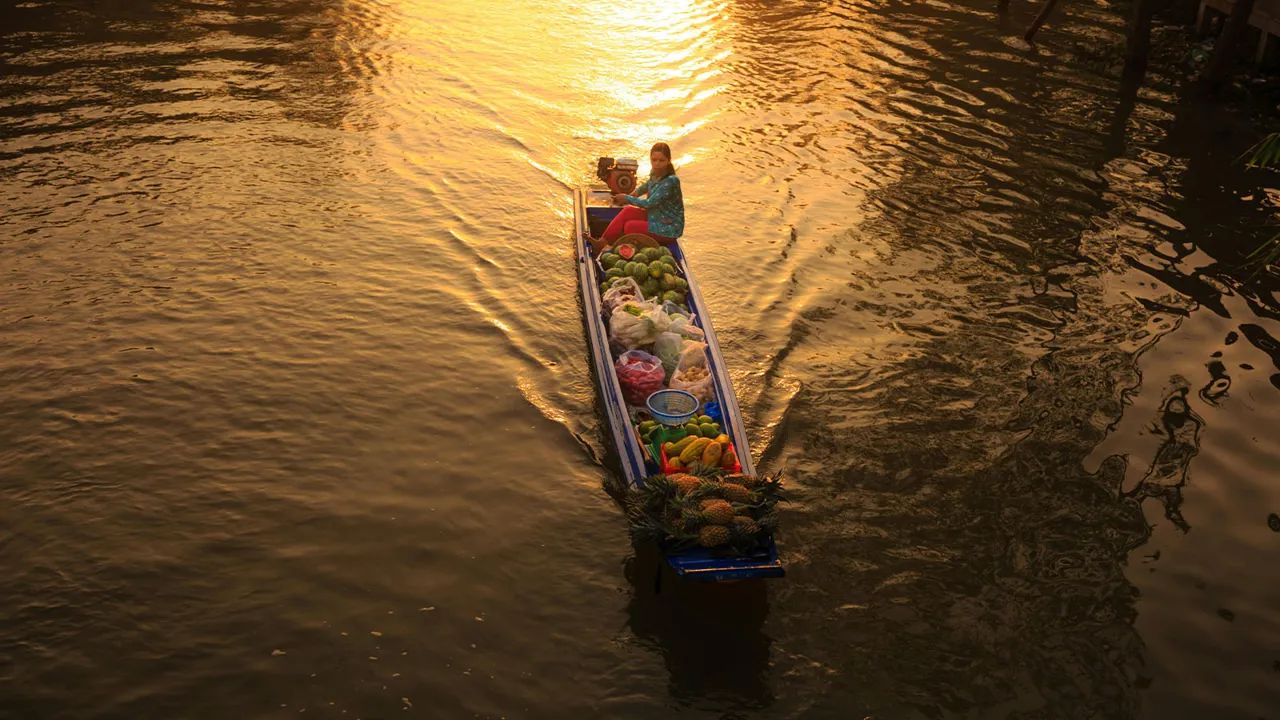
Vietnam Itinerary 2 Weeks
Hanoi - Ninh Binh - Lao Cai - Sapa - Muong Hum market - Ha Long Bay - Hue - Danang - Hoi An - Saigon - Mekong Delta - Cai Rang floating market - Departure

The Best of Ha Giang Trekking Tours
Discover Ha Giang on trekking tours where you live local life, enjoy breathtaking views and escape the crowded routes.

Vietnam and Laos 14 days
Saigon - My Tho - Da Nang- Hoian – Hue - Hanoi - Halong Bay - Vientiane Luang Prabang - Pak Ou – Khuang Si - Luang Prabang – Departure
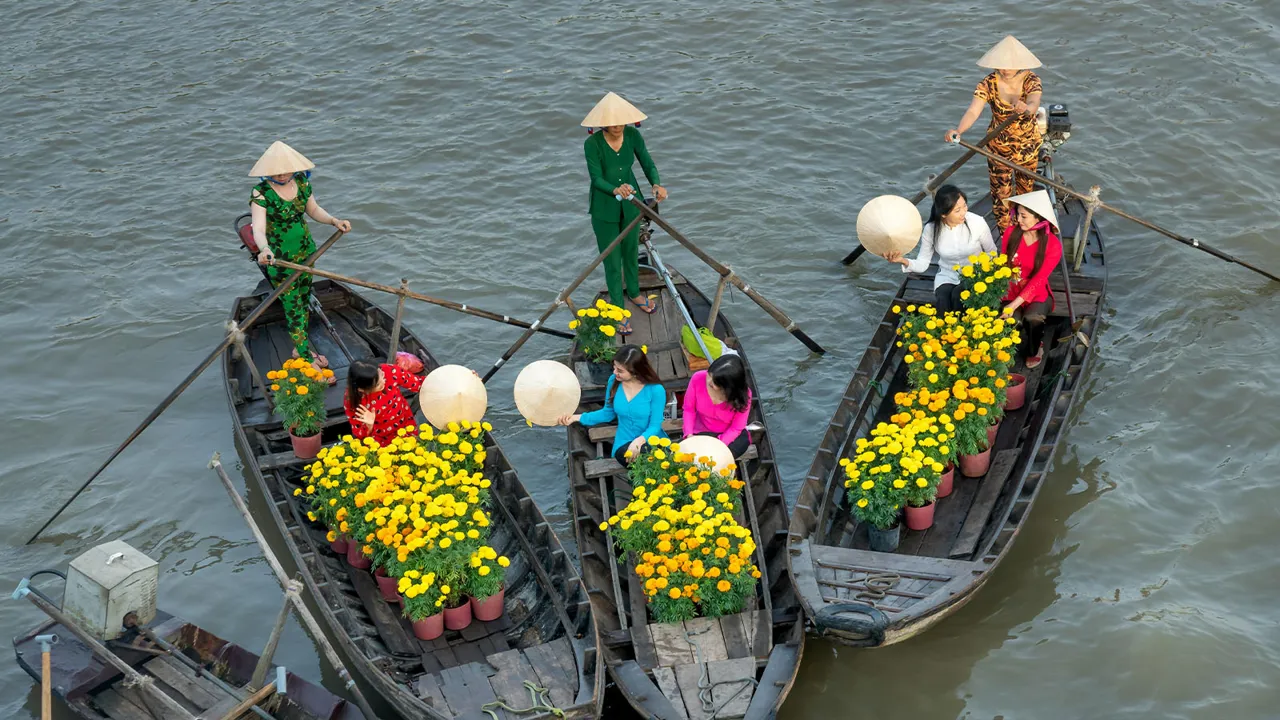
Vietnam Cambodia Itinerary 14 Days
Hanoi – Hoa Binh – Mai Chau – Ninh Binh – Halong bay – Hue - Danang – Hoian – Saigon – Ben Tre - Can Tho – Saigon - Siem Reap Angkor - Tonlé Sap - Siem Reap – Ta Prohm - Departure

Authentic Hoang Su Phi Trekking Tours
Hoang Su Phi trekking tours take you to stunning terraces, meet few tourists, connect with locals and enjoy authentic culture.

Honeymoon Tour Packages In Vietnam 12 Days
Saigon Arrival - City Tour – Mekong Delta – Danang – Hoian - by flight - Da Nang – Hanoi - by flight – Halong - overnight on junk – Departure
Are you interested in this tour?

Our testimonials
Whether it's a short or long tour, to discover must-see sites or to travel less-traveled paths, by car, junk, on foot, by bike or by motorbike... upon their return from their trip to Indochina, our clients tell us about their experiences. We thank them for entrusting us with the organization of their stay in Vietnam, Cambodia, Laos, Thailand and Myanmar!
Tailor-made trips to Vietnam
Are you a couple, a family, a group of friends? Are you planning a trip to Vietnam and/or Southeast Asia? Or maybe you want an individual, personalized trip, operated directly by a local agency? Perhaps you're thinking of a customized trip accompanied by a perfectly French-speaking guide and a private car with a professional driver... Are you the kind of traveler who likes to go where others don't? Our tailor-made tours adapt to your desires, your choices, your pace and your budget.... You decide, we create a trip that suits you!
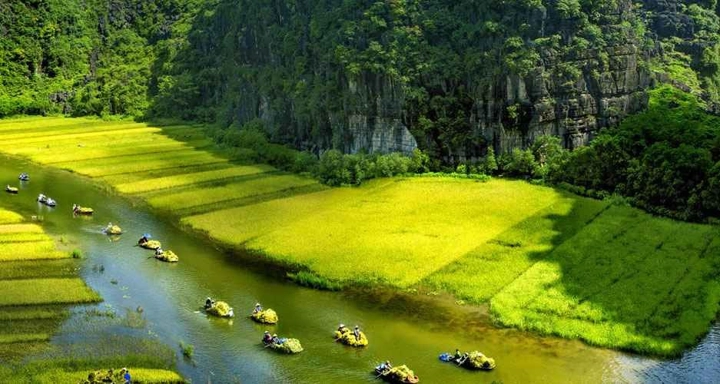

Don't miss anything from Southeast Asia
The press talks about us

Comment
No comments yet. Be the first to leave a comment!