 Français
 Deutsch
 Italiano
 Português
 Español

Quan Thanh Temple: A Sacred Landmark of Hanoi’s Spiritual and Cultural Heritage
Explore Quan Thanh Temple, one of Hanoi’s most revered Taoist sites. Discover its ancient bronze statue, intricate architecture, and the deep spiritual heritage it represents in Vietnamese culture.
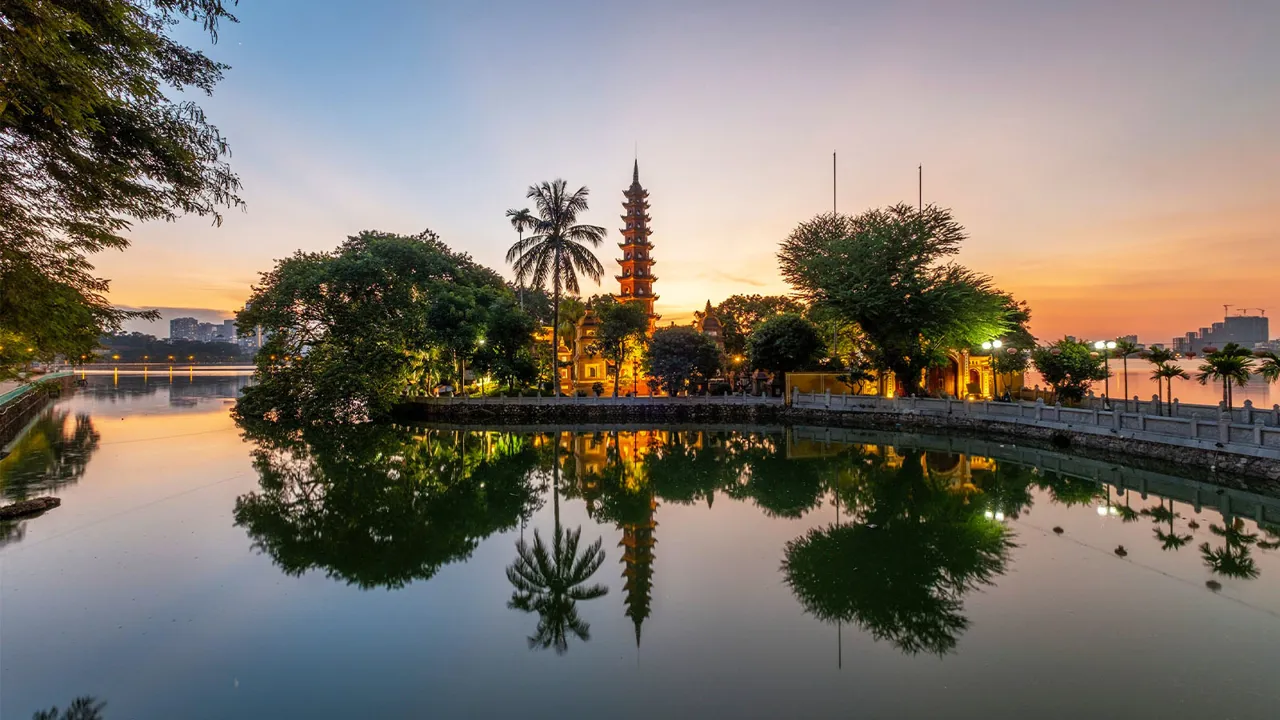
Nestled in the heart of Hanoi, Vietnam, Quan Thanh Temple (or Đền Quán Thánh) stands as one of the most iconic landmarks of the city, blending rich history, deep spirituality, and unique architectural beauty. As a revered historical site, it provides both locals and visitors alike a profound insight into Vietnam’s religious traditions and cultural heritage.
This ancient temple, dedicated to the Taoist deity Tran Vu, plays a central role in the spiritual life of Hanoi’s people, particularly with its emphasis on protecting the northern region of the city. For centuries, it has attracted pilgrims, history enthusiasts, and tourists keen to experience the authentic atmosphere of Vietnam’s religious practices. In this blog, we will explore the history, significance, architecture, and cultural importance of Quan Thanh Temple, shedding light on why this site continues to be a revered symbol of Hanoi's past and present.
Historical Background: A Sacred Origin

Quan Thanh Temple, originally constructed during the Ly Dynasty in the 11th century, holds an impressive historical legacy. It was built as one of the Four Sacred Temples of Hanoi, meant to guard the four cardinal directions of the ancient capital. The city was strategically positioned along the Red River, and each temple was constructed to protect one of the city’s gates, with Quan Thanh guarding the northern entrance. The belief was that these temples would protect Hanoi from natural and supernatural forces alike, ensuring its prosperity and safety.
The temple’s dedication to Tran Vu, one of the Four Immortals in Vietnamese Taoism, adds to its mystical allure. Tran Vu, often depicted as a warrior figure, is a guardian deity associated with martial prowess and protection. In Vietnamese folk belief, Tran Vu is viewed as a protector of the northern region and an important figure in shielding people from harmful influences, particularly from evil spirits.
Over the centuries, Quan Thanh Temple has undergone several reconstructions and renovations, but it has retained its status as a sacred site. Today, it stands as a testament to Hanoi’s religious history and serves as an enduring symbol of the city’s cultural and spiritual identity.
Spiritual Significance: Protecting the City and People
Quan Thanh Temple is primarily revered by locals as a place of protection, peace, and harmony. The temple's position in Hanoi's northern district and its association with Tran Vu emphasizes its role as a guardian of the region. Pilgrims visit the temple to seek blessings for protection, good health, success in their endeavors, and spiritual guidance.
The importance of the temple in Hanoi’s spiritual life cannot be overstated. Vietnamese people, particularly those living in the northern parts of the country, regard the deity Tran Vu as a vital figure in warding off misfortune, illness, and evil. The temple is a focal point during certain religious festivals, such as the Lunar New Year and the Mid-Autumn Festival, when it is common for devotees to gather, offer incense, and pray for blessings for their families and communities.
Quan Thanh Temple, like other Taoist temples in Vietnam, also attracts those who follow Confucian or Buddhist traditions, further enriching its spiritual atmosphere. This diversity of belief systems reflects the harmonious coexistence of different religious practices in Vietnamese society.
Architectural Beauty: A Blend of Tradition and Intricacy
One of the most striking features of Quan Thanh Temple is its distinctive architectural style, which reflects traditional Vietnamese and Chinese elements. The temple is an exquisite example of ancient Vietnamese religious architecture, with its structure designed to create a harmonious space for worship and spiritual reflection.
Upon entering the temple, visitors are greeted by an imposing wooden structure that sits on a raised platform, with a large, curved roof that is adorned with intricate carvings of mythical creatures such as dragons, phoenixes, and lions. These carvings are not only decorative but are believed to hold symbolic meanings. The dragon, for instance, represents strength and power, while the phoenix is associated with peace and tranquility.
The temple’s layout is designed to encourage a sense of peace and reverence. The main entrance is flanked by two stone pillars, while the central courtyard leads to the main worship hall. Inside, the space is vast and open, with high wooden beams supporting the roof. Large wooden columns are intricately carved with Taoist motifs, adding to the temple’s grandeur. The walls are decorated with traditional paintings depicting various Taoist deities and spirits, contributing to the spiritual atmosphere of the temple.

The temple’s most significant feature is the statue of Tran Vu, which stands at a commanding height in the main hall. The statue, made from bronze, portrays the deity as a warrior in full armor, holding a sword in one hand and a snake in the other. The image is both imposing and awe-inspiring, reflecting Tran Vu’s role as a powerful protector. The presence of the deity at the center of the temple draws the attention of worshippers, who come to offer incense and pray before his image.
In addition to the main hall, there are smaller shrines scattered around the temple grounds, each dedicated to various lesser deities or spirits in the Taoist pantheon. These smaller shrines provide a space for quiet contemplation and offer visitors an opportunity to connect with the divine in a more personal and intimate way.
Cultural Importance: A Living Tradition
While Quan Thanh Temple is an important historical and architectural site, its cultural significance extends far beyond its physical structure. The temple is a living testament to the continuity of Vietnamese religious and cultural traditions. It represents the enduring importance of folk beliefs and practices in the spiritual life of the Vietnamese people.
The temple also holds great importance in the context of Vietnamese festivals and holidays. During the Lunar New Year (Tết), the temple is bustling with activity as people flock to make offerings to Tran Vu, seeking blessings for the upcoming year. The act of visiting the temple during Tết is seen as a way to purify one’s spirit and ensure good fortune. Devotees bring offerings of incense, fruit, and flowers to the temple and light candles to honor the deities.
Another significant festival held at Quan Thanh Temple is the Mid-Autumn Festival, a celebration that has deep ties to Vietnamese culture. Families and children visit the temple during this time to make wishes and pay respects to the spirits. The temple’s connection to the natural cycles and seasonal changes reinforces its role in the daily lives of people in Hanoi and beyond.
Aside from its religious functions, the temple is also a cultural hub. It is an integral part of the community and a place for gatherings, festivals, and celebrations. Locals often visit the temple not only for spiritual reasons but also to connect with their heritage and maintain a link to the past. In this way, Quan Thanh Temple serves as a vital symbol of continuity and tradition in Hanoi, bridging the past and present in a city that is rapidly modernizing.
Visiting Quan Thanh Temple: A Journey Through Time

For visitors to Hanoi, a trip to Quan Thanh Temple is a chance to explore a piece of the city’s soul. The temple’s serene atmosphere provides a quiet retreat from the hustle and bustle of Hanoi’s busy streets, offering an opportunity for reflection and spiritual renewal.
To get to Quan Thanh Temple, visitors can take a leisurely stroll through the Old Quarter or use public transportation. The temple is located near West Lake (Hồ Tây), one of the city’s most picturesque and tranquil areas. Once at the temple, visitors can take in the stunning architecture, admire the intricate carvings and sculptures, and learn about the history and traditions associated with the site.
One of the most memorable experiences for visitors is the opportunity to light incense and make an offering at the altar of Tran Vu. Whether you are a believer or simply a curious traveler, the act of lighting incense and praying at the temple connects you to the deep spiritual heritage of Hanoi. For those interested in Vietnamese folk religion, the temple also offers a glimpse into the Taoist practices that have been passed down for generations.
Conclusion: Quan Thanh Temple – A Bridge Between Past and Present
Quan Thanh Temple is much more than just a religious site; it is a symbol of Hanoi’s rich cultural and spiritual heritage. Through its historical significance, architectural splendor, and enduring role in the lives of the people, the temple serves as a powerful reminder of the enduring power of tradition and belief in a rapidly changing world. As a sacred landmark of Hanoi, Quan Thanh Temple offers visitors a chance to connect with the past while honoring the spiritual and cultural values that continue to shape the present.
>>> But Thap Pagoda in Bac Ninh: Travel Guide (2025)
>>> Thay Pagoda: An Artistic Treasure Of Architecture In The Heart Of Hanoi
Passionate blogger sharing trusted insights, well-researched tips, and real experiences. Dedicated to delivering accurate, valuable, and inspiring content that helps readers explore, learn, and make informed choices with confidence.
Send us your comments about : Quan Thanh Temple: A Sacred Landmark of Hanoi’s Spiritual and Cultural Heritage
Required fields*
You may also like
You may also like
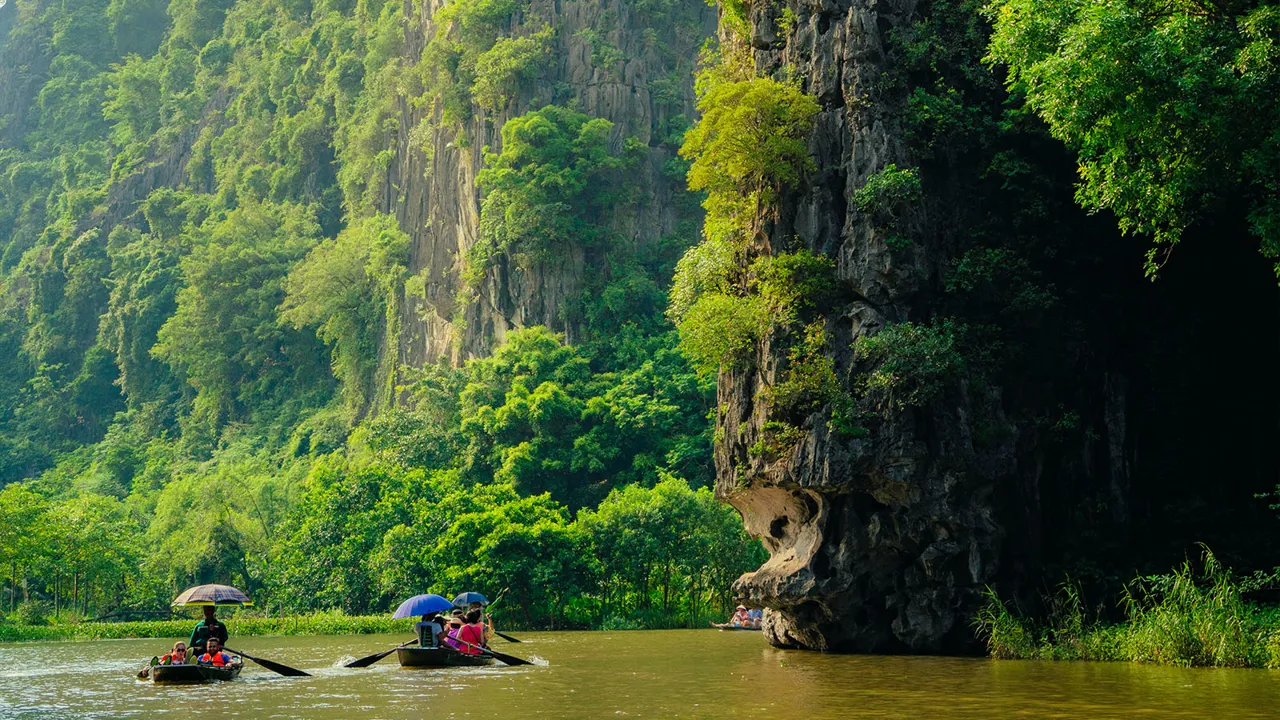
What to do in Mai Chau for 2 or 3 days
Discover the best 2–3 day Mai Chau itinerary with rice paddies, stilt houses, cycling routes, bamboo rafting, ethnic villages, and local markets for a truly authentic escape.

Fansipan Trekking Tours: 1 day, 2 days, or 3 days
Explore Fansipan trekking tours, from a 1-day hike with cable car to 2-day camping treks and 3-day journeys through ethnic villages, offering a truly complete Sapa adventure.
Top 15 must-visit attractions in Hanoi Old Quarter
Discover 15 must-visit attractions in Hanoi Old Quarter, from temples and markets to street food and cafés. This guide helps first-time visitors explore the lively charm and cultural heart of Hanoi.
Travel ideas
Need some inspiration? Discover some of the best tours in Vietnam, which are highly appreciated by our clients. An excellent starting point to help you choose the right trip to Vietnam, Laos, Cambodia, Burma or Thailand, whether you are traveling alone, as a couple, as a family or with friends.
And because this trip is yours, feel free to customize it as you wish!
Vietnam Itinerary 2 Weeks
Hanoi - Ninh Binh - Lao Cai - Sapa - Muong Hum market - Ha Long Bay - Hue - Danang - Hoi An - Saigon - Mekong Delta - Cai Rang floating market - Departure

The Best of Ha Giang Trekking Tours
Discover Ha Giang on trekking tours where you live local life, enjoy breathtaking views and escape the crowded routes.

Vietnam and Laos 14 days
Saigon - My Tho - Da Nang- Hoian – Hue - Hanoi - Halong Bay - Vientiane Luang Prabang - Pak Ou – Khuang Si - Luang Prabang – Departure
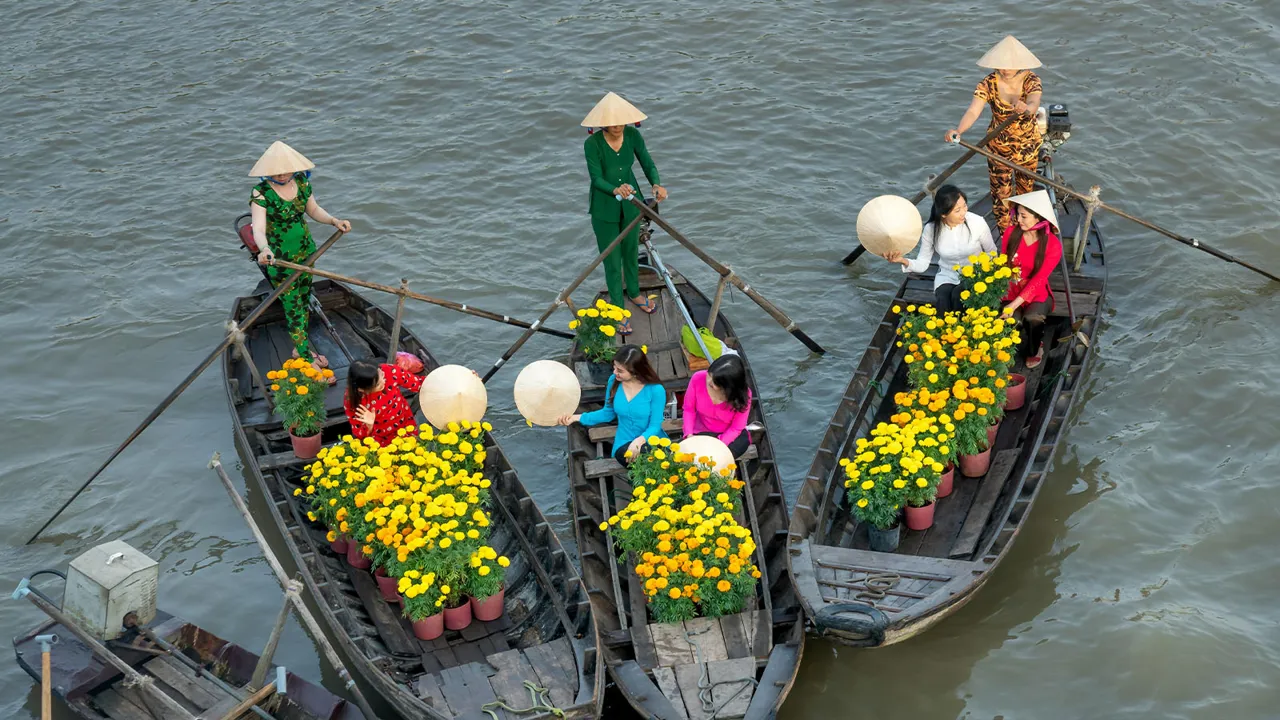
Vietnam Cambodia Itinerary 14 Days
Hanoi – Hoa Binh – Mai Chau – Ninh Binh – Halong bay – Hue - Danang – Hoian – Saigon – Ben Tre - Can Tho – Saigon - Siem Reap Angkor - Tonlé Sap - Siem Reap – Ta Prohm - Departure

Authentic Hoang Su Phi Trekking Tours
Hoang Su Phi trekking tours take you to stunning terraces, meet few tourists, connect with locals and enjoy authentic culture.

Honeymoon Tour Packages In Vietnam 12 Days
Saigon Arrival - City Tour – Mekong Delta – Danang – Hoian - by flight - Da Nang – Hanoi - by flight – Halong - overnight on junk – Departure
Are you interested in this tour?

Our testimonials
Whether it's a short or long tour, to discover must-see sites or to travel less-traveled paths, by car, junk, on foot, by bike or by motorbike... upon their return from their trip to Indochina, our clients tell us about their experiences. We thank them for entrusting us with the organization of their stay in Vietnam, Cambodia, Laos, Thailand and Myanmar!
Tailor-made trips to Vietnam
Are you a couple, a family, a group of friends? Are you planning a trip to Vietnam and/or Southeast Asia? Or maybe you want an individual, personalized trip, operated directly by a local agency? Perhaps you're thinking of a customized trip accompanied by a perfectly French-speaking guide and a private car with a professional driver... Are you the kind of traveler who likes to go where others don't? Our tailor-made tours adapt to your desires, your choices, your pace and your budget.... You decide, we create a trip that suits you!

Don't miss anything from Southeast Asia
The press talks about us




Comment
No comments yet. Be the first to leave a comment!