 Français
 Deutsch
 Italiano
 Português
 Español

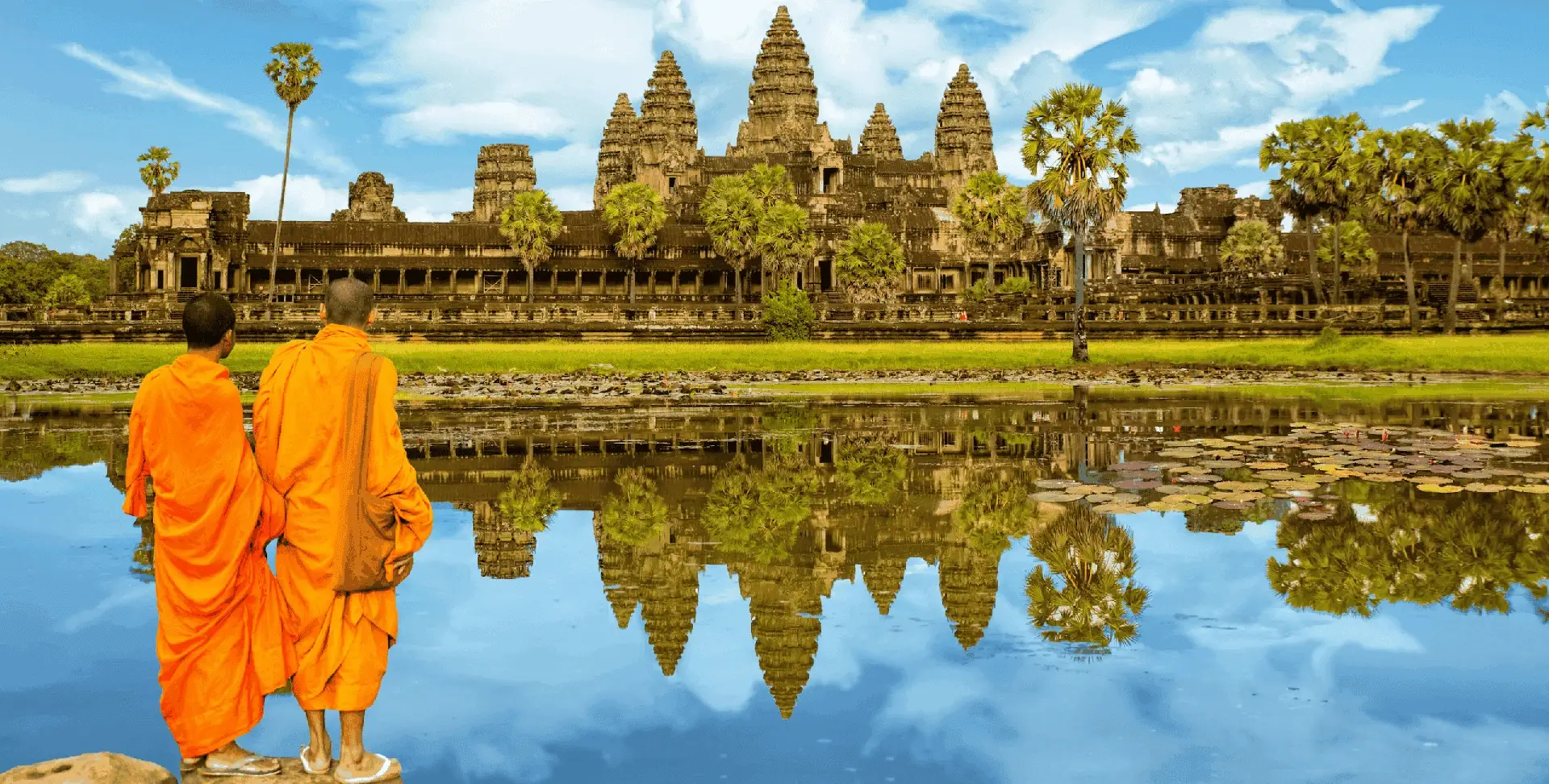
How to experience authentic Vietnam beyond the tourist trail
Ha Long Bay and Hoi An's lantern-lit streets are only one layer of Vietnam. Here is how to find authentic Vietnam through local homestays, family meals, ethnic minority culture and slower, more respectful travel.
Beyond the tourist trail: how to experience authentic Vietnam
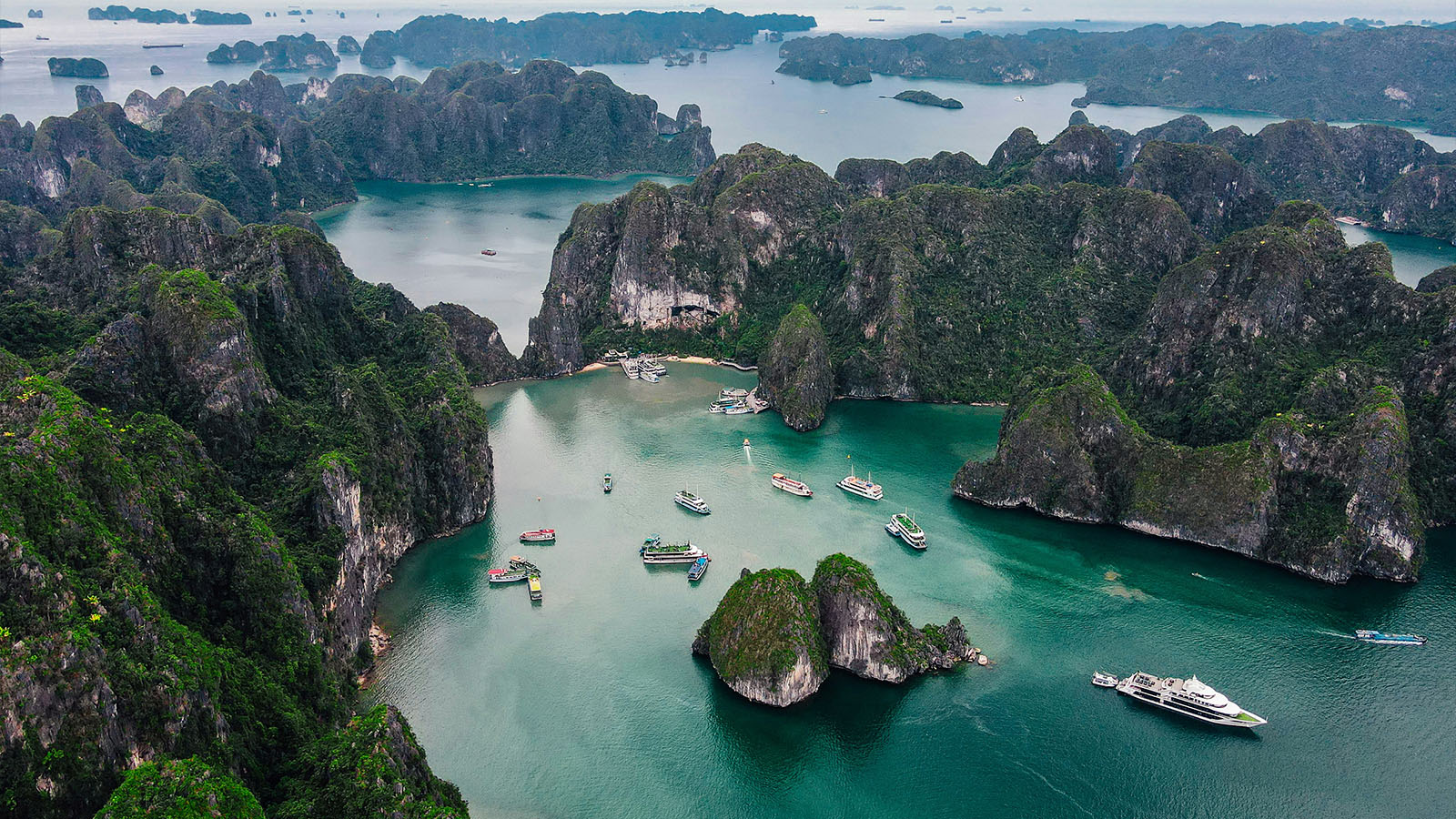
Vietnam is more than Ha Long Bay's limestone karsts, Hoi An's lantern-lit Ancient Town and Hanoi's Old Quarter. These places earned their fame for good reason, and skipping them is not the point. The real question most travelers are really asking is different: how do you move past sightseeing and actually touch authentic Vietnam — the daily rhythms, food and relationships that make the country what it is?
This guide is not another list of secret beaches. It is a practical way of thinking about authentic Vietnam experiences: what the word "authentic" actually means here, where to find it, how to behave once you do, and which regions reward travelers who slow down. By the end, you should know exactly how to experience authentic Vietnam beyond the tourist trail and turn a standard itinerary into something closer to real life in the country.

What does "authentic Vietnam" really mean?
It is tempting to assume that anything popular cannot be authentic, and that "the real Vietnam" only exists somewhere remote and undiscovered. That assumption is misleading. Authenticity has less to do with how far a place is from a main road and more to do with how you engage with it.
Authentic Vietnam does not mean avoiding every well-known attraction. It means going beyond sightseeing to understand how people actually live, eat, work and celebrate. A visit to a famous site can still be a genuine cultural experience if you interact with the people there instead of simply photographing the scenery and moving on. Equally, a quiet village two hours from a big city can feel just as staged if visitors treat it purely as a backdrop.
In practice, this shift is about swapping one habit for another: instead of see, photograph, leave, aim for meet, eat, learn, participate — the mindset that unlocks authentic Vietnam wherever you happen to be. The sections below build on that idea, moving from daily local life to food, ethnic minority culture, festivals, the countryside and, finally, how to choose experiences that are genuinely responsible rather than performed for tourists.
Go beyond landmarks: experience Vietnam through local life
Landmarks tell you what a place looks like. Daily life tells you how it actually functions. Two of the simplest ways to experience local life in Vietnam cost very little and require no special planning, and both count among the most genuine local experiences in Vietnam a first-time visitor can have.

Stay in a local homestay
A genuine Vietnam homestay experience is not just a place to sleep — it is one of the most direct ways to understand how a Vietnamese household works. Beyond the basic bed and mosquito net, a good homestay experience can include eating meals with the family, helping prepare dinner, learning how the house was built, and simply talking with your hosts about their work, their harvest, or their children's school day. In the northern highlands, this often means a wooden stilt house; in the Mekong Delta, it might be a riverside home where daily life still depends on the water for fishing, farming and transport.
The value of a homestay comes from the small, unplanned moments: a grandmother teaching you how to fold rice cakes, a farmer explaining why this year's rice crop is late, a child practicing English phrases on you at the dinner table. None of this can be scheduled, which is exactly why it feels like authentic Vietnam rather than a performance for guests.
Visit local markets early in the morning
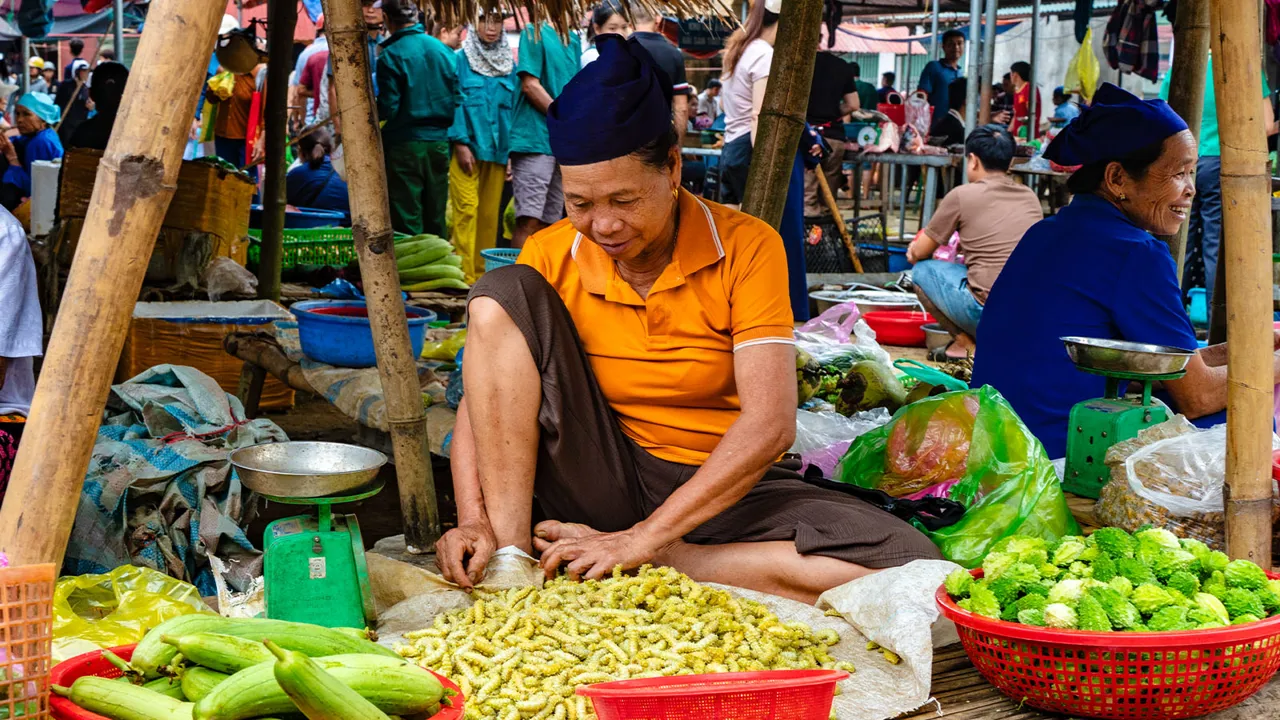
Markets in Vietnam are not tourist attractions first — they are where daily life happens. Arriving early, before the crowds and before vendors have organized their stalls for visitors, lets you see farmers selling produce grown that morning, locals buying breakfast on their way to work, and regional ingredients you will not find in a supermarket back home. A mountain market in the north looks and sounds completely different from a floating market in the south, and both reveal far more about regional life than any museum display.
The point is not to turn market visits into another item on a checklist. It is to observe rather than perform — buy a coffee, sit down, and watch how the morning unfolds around you.
Eat where locals eat
Food is one of the fastest and most reliable routes into authentic Vietnam experiences, because eating is something everyone does every day, in every region, regardless of income or background. If you only have one day to search for authentic Vietnam through your senses, spend it at the table rather than at another monument.

Look beyond the famous dishes
Pho, banh mi and bun cha deserve their reputation, but they represent only a fraction of what Vietnam eats. Every region has its own specialties, shaped by local ingredients, climate and history — from mountain dishes built around forest herbs and sticky rice, to central Vietnamese cuisine known for its bold, spicy flavors, to the fresh, herb-heavy meals of the Mekong Delta. Seeking out these regional and seasonal dishes, rather than sticking to the three or four names every guidebook repeats, opens up a much wider picture of Vietnamese food culture.
Share a Vietnamese family-style meal
A traditional Vietnamese home meal, often simply called cơm gia đình (family rice), usually includes rice, a soup, a vegetable dish, and a protein such as fish or meat, along with a shared dipping sauce. What makes it distinctive is not the dishes themselves but the format: everything is placed in the center of the table and shared, rather than served as individual plates. Eating this way, even once, gives a much clearer sense of Vietnamese hospitality than any restaurant meal designed for tourists.

Take a local cooking class — the right kind
Cooking classes are everywhere in Vietnam, but not all of them are equal. Look for classes run by local cooks using ingredients bought that morning from a nearby market, rather than pre-packaged sessions in a hotel kitchen. The difference is not just the food — it is the conversation, the market visit beforehand, and the chance to ask a home cook, not a tour guide, how a dish is really made in their family.
Meet Vietnam's ethnic minority communities respectfully
Vietnam recognizes 54 official ethnic groups, and its ethnic minority communities — including the Hmong, Dao, Tay, Thai, Ede, Bahnar and Jarai, among many others — hold some of the country's richest living traditions. For travelers seeking authentic Vietnam experiences, time spent with these communities, done respectfully, is often the most memorable part of a trip.
Depending on the region, this can mean seeing traditional stilt houses, watching handicrafts such as weaving, indigo dyeing or silversmithing, joining a family for a meal, learning about farming methods suited to steep mountain terrain, or simply walking through one of the many ethnic minority villages in Vietnam during a local festival. Traditional clothing, music and dance are often part of daily or seasonal life rather than a performance staged purely for visitors.

That distinction matters. A village is someone's home, not an open-air museum, and the way you behave should reflect that. A few principles make a real difference:
- Always ask before taking photographs, especially of children or elders.
- Do not photograph inside someone's home without clear permission.
- Avoid touching traditional clothing, religious objects or handicrafts without asking first.
- Where possible, buy handicrafts directly from the artisans who made them, rather than from unrelated resellers.
- Follow the lead of your host or guide on customs you do not fully understand — if something feels private, it probably is.
Approached this way, meeting ethnic minority communities becomes genuine cultural exchange rather than a photo opportunity, which is exactly what separates authentic Vietnam travel from typical sightseeing — and it is often the part of the trip travelers remember most.
Travel during local festivals and cultural events
Timing a trip around a festival, rather than only around good weather, can transform how much of Vietnamese culture you actually see. Festivals concentrate belief, food, music, traditional dress and community life into a single, visible event — something that is far harder to observe on an ordinary day.

Tet, the Lunar New Year, is the most significant celebration in Vietnam and a powerful window into family life and tradition, though many businesses close during the holiday itself. The Mid-Autumn Festival, ethnic minority spring festivals in the northern highlands, and Hue's royal-heritage festival each offer a different lens on Vietnam cultural experiences, from ancestor worship to imperial history.
One caution is worth repeating: some ceremonies within ethnic minority communities are sacred or private, held for the community rather than for visitors. Not every celebration you encounter is meant to be photographed or joined uninvited. A local guide who understands the specific customs of the region can tell you which events welcome visitors and which do not. Timed well, a single festival can teach you more about authentic Vietnam than a week of sightseeing.
Explore Vietnam's countryside
"Beyond the tourist trail" does not have to mean traveling somewhere nobody has heard of. It can simply mean spending time in the countryside surrounding places you already plan to visit, rather than only seeing the city center or the single famous landmark.
Instead of only walking Hanoi's Old Quarter, spend half a day in the villages just outside the city, many of which still practice traditional crafts. Instead of only photographing Hoi An's Ancient Town, cycle into the surrounding rice fields and fishing hamlets. Instead of only cruising Ha Long Bay, look into its quieter neighboring waters, where local life continues largely undisturbed. Instead of only visiting Ho Chi Minh City, give the Mekong Delta at least one full day, ideally overnight, rather than treating it as a rushed side trip.

This kind of off the beaten path Vietnam travel is really about depth, not distance. Staying an extra day in one place and letting a local schedule — market hours, meal times, a farmer's workday — shape your own, will usually reveal more than adding another destination to an already packed itinerary. That extra day is often where authentic Vietnam actually shows up.
Choose responsible local experiences
Not every activity marketed as "authentic" or "cultural" actually benefits the communities involved, and this is where responsible travel in Vietnam becomes a practical filter, not just an ethical preference.
Look for experiences that are run by local people, employ local guides, use locally sourced food, and support local artisans directly rather than through a long chain of middlemen. Smaller group sizes are usually a good sign, since they tend to allow real interaction rather than a rehearsed show. Experiences that visibly contribute something back to the community — whether through fair wages, purchases from artisans, or support for local schools and conservation projects — are worth prioritizing over the cheapest option on a booking site.

At the same time, it is worth being cautious of staged "traditional" performances disconnected from any real cultural context, animal experiences that involve poor treatment, overly intrusive photography of local people, and souvenirs whose origin nobody can explain. None of these automatically make an experience worthless, but they are signals worth questioning before you book — a staged show rarely delivers authentic Vietnam, no matter how it is marketed.
Choosing the right local guide or a responsible tour operator that already vets these details on your behalf can make a significant difference to how much of this you have to figure out alone — and it is often the difference between a trip that feels like sightseeing and one that feels like genuine authentic Vietnam experiences.
Best places to experience authentic Vietnam
Rather than another long list of "hidden gems," here are a handful of regions that each represent a different kind of authentic experience, so you can choose based on the kind of connection you want to make.
Mai Chau — a valley in Hoa Binh province known for combining ethnic Thai culture, homestays and quiet countryside within easy reach of Hanoi.
Ha Giang — dramatic mountain landscapes paired with Hmong and other ethnic minority communities and some of the most vivid local markets in the country.
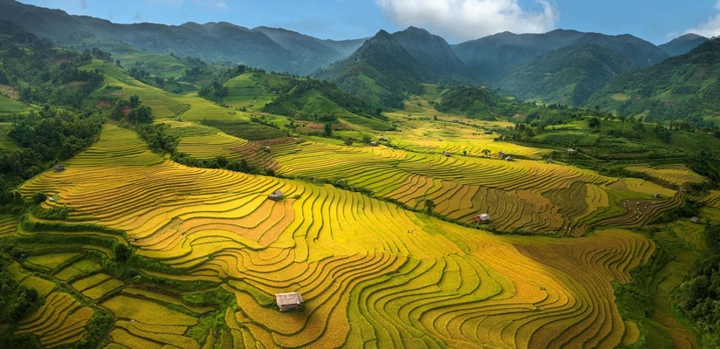
Sa Pa — long known for trekking and terraced rice fields, but still one of the best places to meet Hmong and Dao communities through homestays, provided you choose a responsible operator.
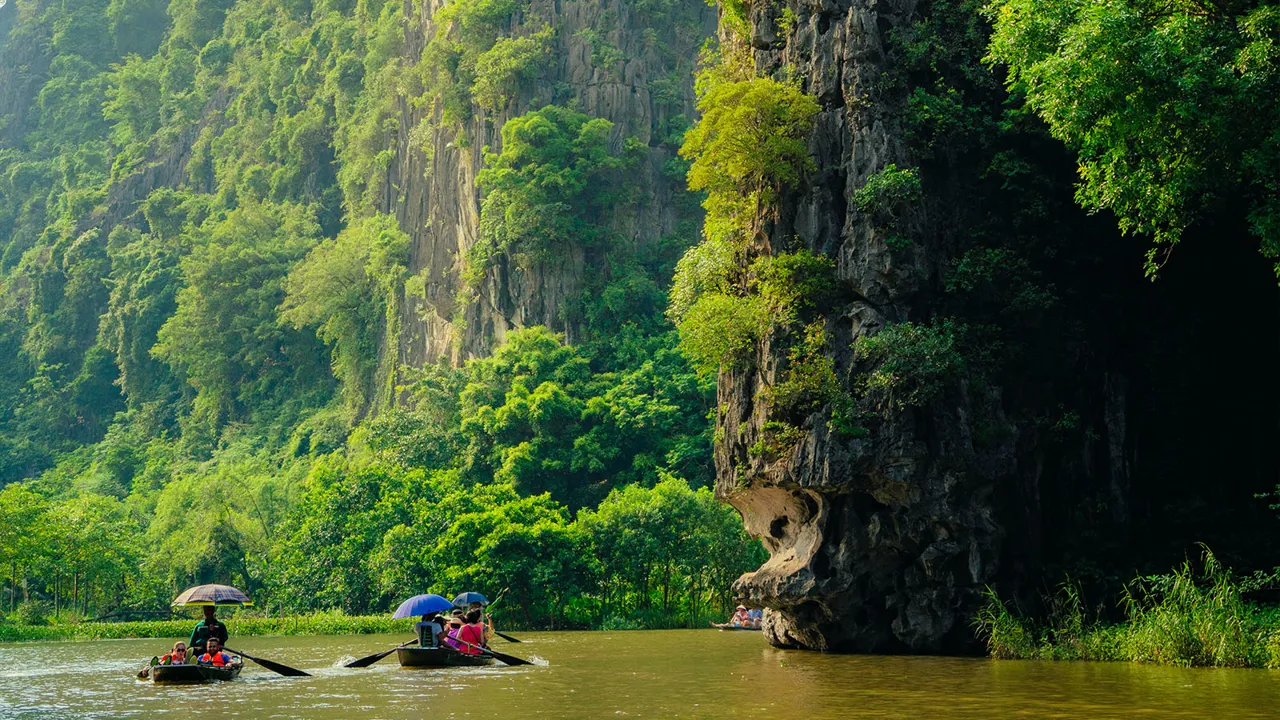
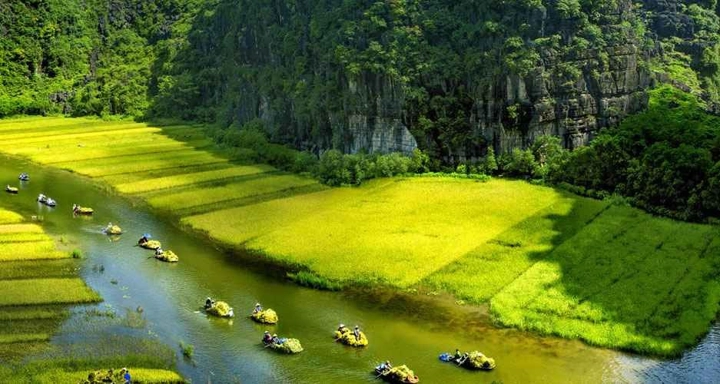
Ninh Binh — closer to city life yet built around rural rhythms, with cycling routes, boat rides and food that reflects the surrounding countryside rather than a tourist menu.

Mekong Delta — river-based daily life, floating markets, and family meals that depend on the water in a way no other Vietnamese region does.
Central Highlands — coffee-growing culture alongside Ede, Bahnar and Jarai communities, including the region's distinctive gong culture.
Hue — royal heritage and cuisine shaped by former imperial cooks, offering cultural depth without needing to travel far off the main route.
Hoi An's countryside — just beyond the lantern-lit streets, farming villages and cooking traditions that most day-trippers never see.
Each of these regions can anchor a deeper stay rather than a rushed stop, and combining two or three of them, with enough time in each, usually delivers a far stronger sense of authentic Vietnam than trying to cover the whole country in a fixed checklist.
Frequently asked questions (FAQs) about authentic Vietnam travel
What does "authentic Vietnam" actually mean?
It refers to experiencing how Vietnamese people actually live, eat and celebrate, rather than only viewing famous landmarks. Authenticity depends more on how you engage with a place — through local food, homestays and genuine interaction — than on how remote that place is.
Can I find authentic Vietnam near popular cities like Hanoi or Ho Chi Minh City?
Yes. Authentic Vietnam is not limited to remote provinces — village life, family-run eateries and local markets exist just outside every major city. A short trip beyond the city center is often enough to find it.

How can I experience local life in Vietnam as a first-time visitor?
Start with small, low-planning choices: eat at family-run eateries instead of tourist restaurants, visit markets early in the morning, and book at least one homestay. These everyday experiences reveal more of daily Vietnamese life than most guided tours.
Is it okay for tourists to visit ethnic minority villages?
Yes, when done respectfully and ideally with a knowledgeable local guide. Ask before taking photographs, avoid entering homes uninvited, and buy handicrafts directly from artisans so the community benefits directly from your visit.
Do I need a guide to explore off the beaten path in Vietnam?
Not always, but a local guide is valuable in ethnic minority regions and rural areas, since they understand which customs and events are open to visitors and which are private or sacred community occasions.

What is the best time of year for cultural travel in Vietnam?
Festival periods such as Tet or regional ethnic minority spring festivals offer the richest cultural experiences, though some businesses close and travel gets busier. Outside festivals, any season works well for homestays, markets and countryside travel.
Are homestays comfortable for Western travelers?
Most homestays offer basic but adequate comfort, including a mattress, mosquito net and shared bathroom facilities. Standards vary by region, so it helps to check reviews or ask a local operator before booking, especially in remote mountain areas.
Authentic Vietnam is about connection, not distance
You do not need to reach the most remote corner of the country to find authentic Vietnam. It can be found in a shared family meal, a quiet morning at a local market, a night in a homestay, a conversation with a knowledgeable guide, a walk through a village, or a bowl of a regional noodle dish you had never heard of before. What all of these share is not distance from the tourist trail, but a willingness to slow down and engage with people rather than simply observe them.

Ready to experience Vietnam beyond the usual tourist trail? At Vietnam Original Travel, our tailor-made itineraries are built around exactly this kind of connection — from homestays with local families to responsible visits to ethnic minority communities — so every trip we design reflects the real rhythm of the country, not just its landmarks.
Thuy Nguyen is a passionate travel blogger and storyteller who has spent years exploring the hidden corners of Vietnam and Southeast Asia. With a love for authentic experiences, she writes about local life, culture, and off-the-beaten-path adventures. Through her words, Anh invites readers to travel deeper, connect with people, and find beauty in every journey — whether it’s a quiet sunrise in Hoi An or a mountain trail in Ha Giang.
Send us your comments about : How to experience authentic Vietnam beyond the tourist trail
Required fields*
You may also like
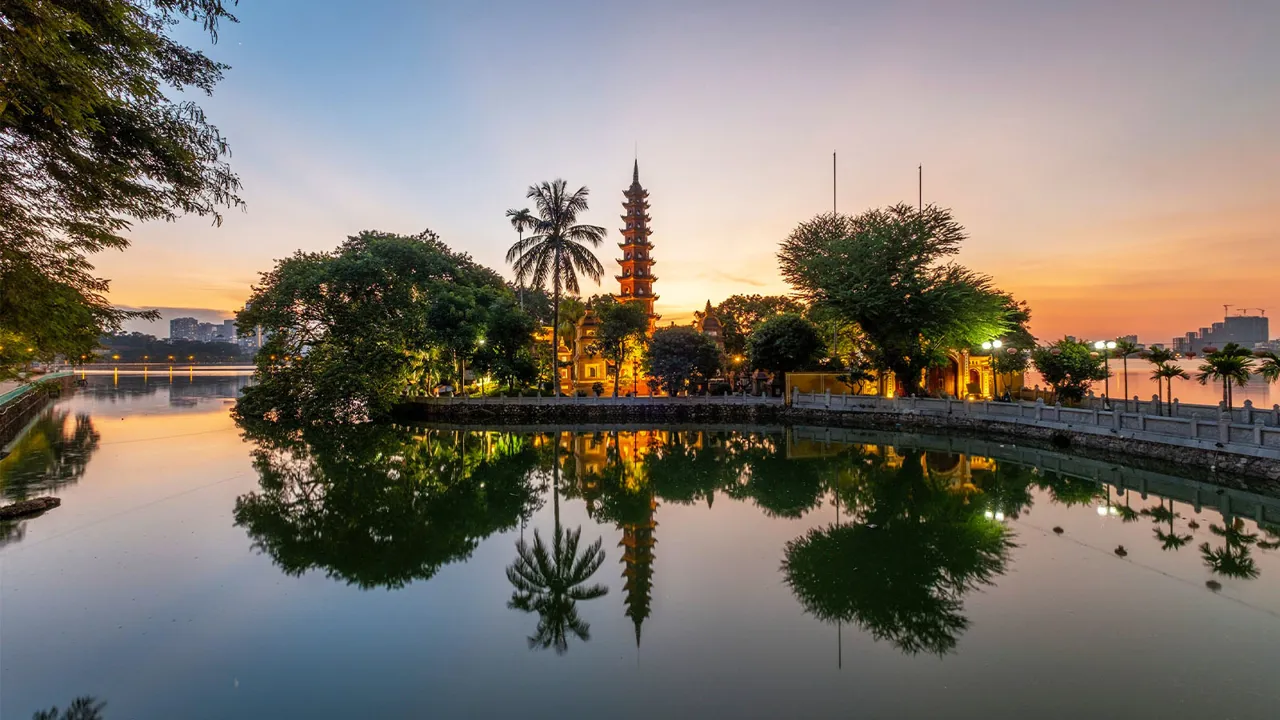
You may also like

The Architect Who Wrote a Chinese Character in Concrete: Independence Palace, Saigon
Seen from above, Independence Palace in Ho Chi Minh City forms the shape of a Chinese character meaning good fortune. It is one of the few government buildings in the world designed to be read as much as it is meant to be seen — and its story runs through colonial rule, a coup, and the end of a war.

Ancestor Altar Etiquette in Vietnam: What Every Traveler Should Know
Nearly every Vietnamese home holds a small ancestor altar at its heart. Here's what to do, and what to avoid, if you're lucky enough to be invited inside one.

Vietnamese Pho: History, Types, How to Eat & Where to Try It
Discover the history of pho, Vietnam’s iconic noodle soup, from its Northern roots to Hanoi today. Explore regional flavors, ingredients, types, traditions, and where to try it.
Travel ideas
Need some inspiration? Discover some of the best tours in Vietnam, which are highly appreciated by our clients. An excellent starting point to help you choose the right trip to Vietnam, Laos, Cambodia, Burma or Thailand, whether you are traveling alone, as a couple, as a family or with friends.
And because this trip is yours, feel free to customize it as you wish!
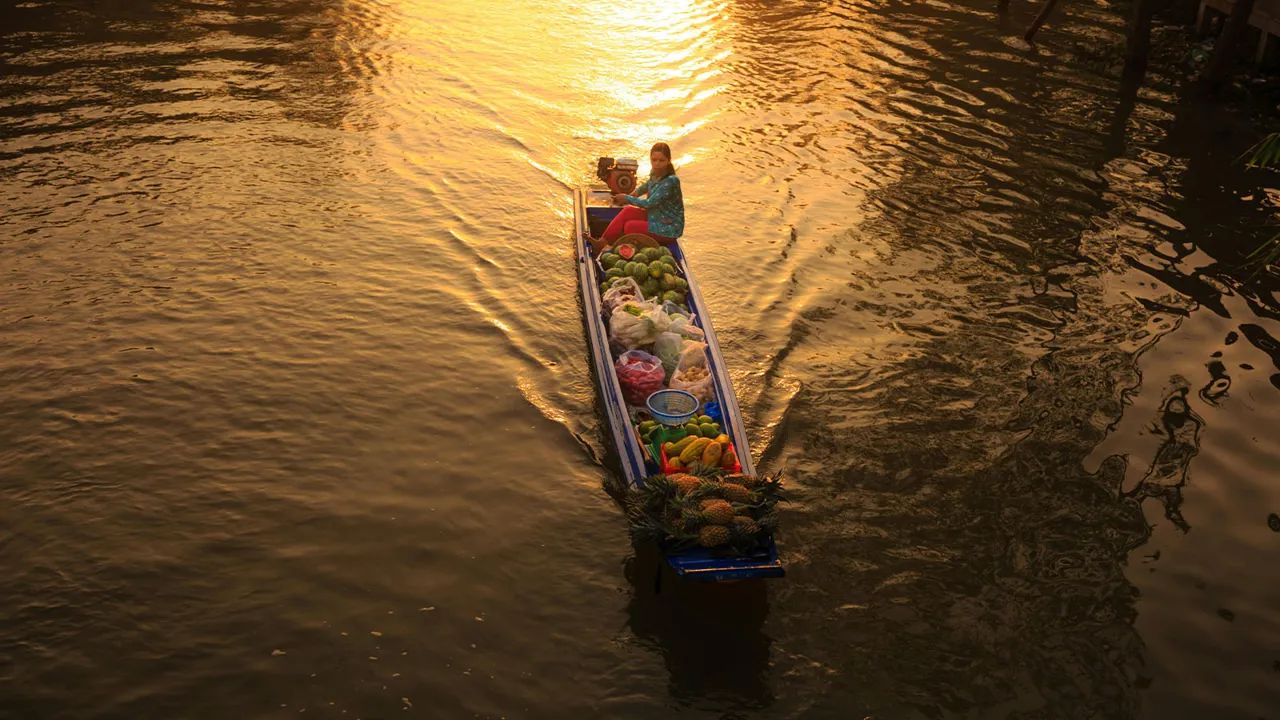
Vietnam Itinerary 2 Weeks
Hanoi - Ninh Binh - Lao Cai - Sapa - Muong Hum market - Ha Long Bay - Hue - Danang - Hoi An - Saigon - Mekong Delta - Cai Rang floating market - Departure

The Best of Ha Giang Trekking Tours
Discover Ha Giang on trekking tours where you live local life, enjoy breathtaking views and escape the crowded routes.

Vietnam and Laos 14 days
Saigon - My Tho - Da Nang- Hoian – Hue - Hanoi - Halong Bay - Vientiane Luang Prabang - Pak Ou – Khuang Si - Luang Prabang – Departure
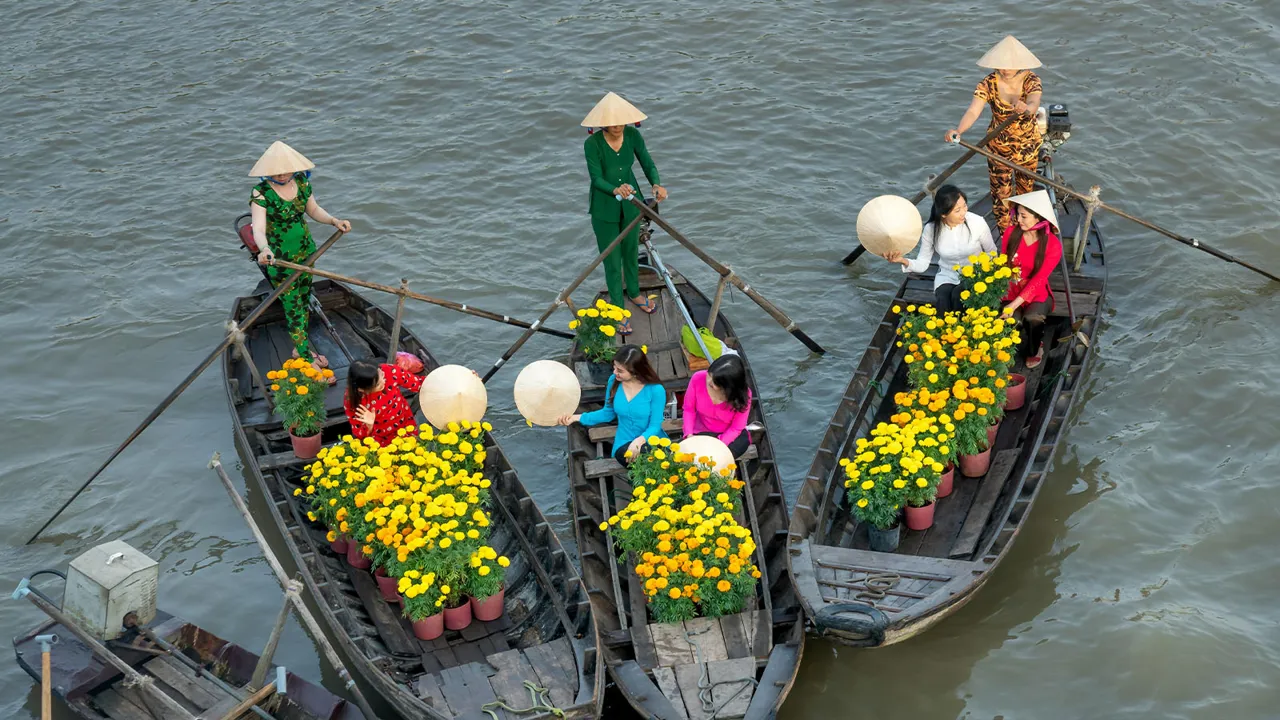
Vietnam Cambodia Itinerary 14 Days
Hanoi – Hoa Binh – Mai Chau – Ninh Binh – Halong bay – Hue - Danang – Hoian – Saigon – Ben Tre - Can Tho – Saigon - Siem Reap Angkor - Tonlé Sap - Siem Reap – Ta Prohm - Departure

Authentic Hoang Su Phi Trekking Tours
Hoang Su Phi trekking tours take you to stunning terraces, meet few tourists, connect with locals and enjoy authentic culture.

Honeymoon Tour Packages In Vietnam 12 Days
Saigon Arrival - City Tour – Mekong Delta – Danang – Hoian - by flight - Da Nang – Hanoi - by flight – Halong - overnight on junk – Departure
Are you interested in this tour?

Our testimonials
Whether it's a short or long tour, to discover must-see sites or to travel less-traveled paths, by car, junk, on foot, by bike or by motorbike... upon their return from their trip to Indochina, our clients tell us about their experiences. We thank them for entrusting us with the organization of their stay in Vietnam, Cambodia, Laos, Thailand and Myanmar!
Tailor-made trips to Vietnam
Are you a couple, a family, a group of friends? Are you planning a trip to Vietnam and/or Southeast Asia? Or maybe you want an individual, personalized trip, operated directly by a local agency? Perhaps you're thinking of a customized trip accompanied by a perfectly French-speaking guide and a private car with a professional driver... Are you the kind of traveler who likes to go where others don't? Our tailor-made tours adapt to your desires, your choices, your pace and your budget.... You decide, we create a trip that suits you!

Don't miss anything from Southeast Asia
The press talks about us




Comment
No comments yet. Be the first to leave a comment!