 Français
 Deutsch
 Italiano
 Português
 Español

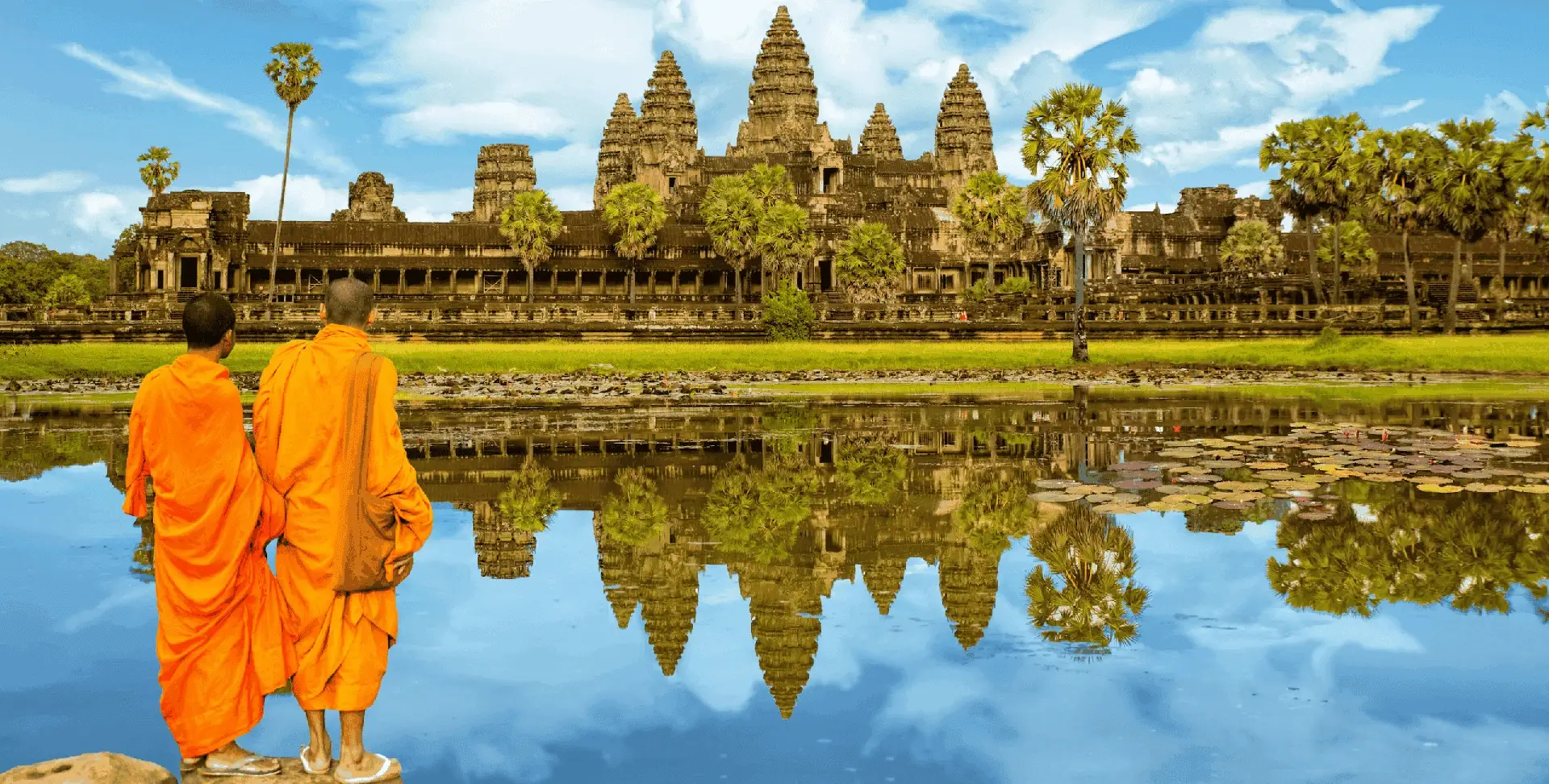
Ancestor Altar Etiquette in Vietnam: What Every Traveler Should Know
Nearly every Vietnamese home holds a small ancestor altar at its heart. Here's what to do, and what to avoid, if you're lucky enough to be invited inside one.
Understanding ancestor altar etiquette when you visit a Vietnamese home
Step into almost any Vietnamese home, shop, or office, and you will likely notice it within seconds: a small altar, usually placed on a raised shelf or table, holding photographs, incense, fruit, and sometimes a cup of tea. This is the ancestor altar, one of the most quietly significant objects in Vietnamese culture, and understanding ancestor altar etiquette in Vietnam is essential if you want to move through the country, and especially through someone's home, with genuine respect.

For travelers, this can be one of the most meaningful parts of a trip to Vietnam. Being invited into a local family's home is already a gesture of trust, and the altar sitting quietly in the corner of the living room is often the emotional center of that household. Knowing how to behave near it, what questions are welcome, and what small mistakes to avoid can turn an awkward moment into a genuine connection. This guide walks through everything a visitor needs to know about Vietnamese ancestor worship etiquette, from the meaning behind the altar itself to the specific dos and don'ts of being a respectful guest.
What the ancestor altar actually represents
Ancestor worship in Vietnam predates the arrival of both Buddhism and Confucianism, and it remains, for many families, less a religious practice than a form of ongoing relationship. The core belief is straightforward: death does not end a family bond. Ancestors are thought to remain present in the lives of their descendants, capable of offering protection and blessings, which is why nearly every Vietnamese household maintains an altar to honor them.
The saying "uống nước nhớ nguồn," meaning "when you drink water, remember the source," captures the spirit behind the practice. It is not about worshipping a distant deity, but about staying connected to family roots, typically the three to five most recent generations. This is also why, when you see an altar in a Vietnamese home, you're often looking at photographs of specific people, not abstract religious icons.
Where the altar sits in a Vietnamese home

The placement of the ancestor altar follows fairly consistent rules across Vietnam, rooted in both tradition and feng shui. It occupies the highest, cleanest, and most respectful spot in the house, almost always in the main living area, facing the front of the room. Families avoid positioning it directly opposite the front door, underneath a ceiling beam, or in a spot exposed to strong drafts, as these are considered inauspicious placements.
On the altar itself, you will typically find: an incense bowl at the center, often filled with uncooked rice or sand; two vases of flowers; photographs or memorial tablets of the deceased; small plates for food offerings; and a set of teacups or a small bottle of rice wine. Everything is kept meticulously clean, and the altar is refreshed regularly, not only during festivals but as part of everyday household life.
Understanding the role of incense
Incense is the most visible and symbolic element of the ancestor altar, and it plays a central role in Vietnamese ancestor worship etiquette. Sticks are lit in odd numbers, most commonly three, representing the union of Heaven, Earth, and Humanity. Lighting incense is understood as a gesture of respectful communication with the ancestors, and it happens not only during major holidays but often as a quiet daily ritual, typically in the early morning or evening.

If you are a guest and your host lights incense while you are present, the respectful response is simple: stand quietly to the side, remain silent, and wait until the brief ritual is finished before resuming conversation. You do not need to participate unless invited to, and no one will expect a foreign visitor to know the words of a prayer.
What to do if you're invited into a Vietnamese home with an altar
Being invited into someone's home in Vietnam is a genuine honor, and a little preparation goes a long way toward showing that you understand and respect the customs around ancestor worship.
Greet the eldest person first
Before anything else, acknowledge the oldest person in the room. A slight nod or bow, paired with a simple greeting, sets the right tone for the rest of the visit and reflects the deep respect for elders that underpins Vietnamese family life.
Take off your shoes
If you see shoes lined up near the entrance, remove yours as well. Many households will offer indoor slippers, which is a polite gesture worth accepting.

Position yourself respectfully
Try not to sit or stand with your back turned to the altar for extended periods, and avoid pointing your feet directly toward it if you are seated on the floor. If possible, position yourself on the same side of the room as your hosts, so the altar remains visible rather than behind you.
Never touch the altar or its offerings
Do not move incense holders, rearrange offerings, or touch photographs and memorial tablets, even out of curiosity. If you want to know more, simply ask; most families are happy to explain the history behind their altar and the relatives it honors.
Ask before photographing
Photographing an altar without asking first can feel intrusive, since it is a deeply personal, family space rather than a decorative feature. A quick, polite question is almost always answered with a smile and a yes.
What to Avoid Near an Ancestor Altar
A handful of specific behaviors are worth knowing in advance, since they are easy to do without realizing the significance.
Don't point directly at the altar or photographs
Pointing with a single finger is considered somewhat brusque in Vietnamese culture generally, and doing so toward an altar or photograph of a deceased relative is best avoided altogether. If you need to indicate something, use an open hand.
Don't place personal items on or near the altar
Bags, phones, or other belongings should never be set down on the altar surface, even temporarily. Treat the space the way you would treat a small shrine, keeping a respectful physical distance.

Don't stick chopsticks upright in a bowl of rice
This is one of the most well-known ancestor worship customs in Vietnam that trips up first-time visitors during a meal. Standing chopsticks vertically in rice visually mirrors incense sticks burning for the dead, and it is considered a bad omen at the dining table.
Don't discuss the altar casually or dismissively
If a host shares the story of a grandparent or great-grandparent honored on the altar, treat it as the meaningful disclosure it is. Light or joking remarks about death, even if well-intentioned, can land poorly in this specific context.
Ancestor Worship Beyond the Home: Temples and Communal Houses
While the household altar is the most common encounter for travelers, ancestor and ancestor-adjacent worship also extends to temples (đền, miếu) and communal houses (đình), village structures dedicated to a local guardian spirit. The same core etiquette applies in these settings: dress modestly, remove your shoes where indicated, keep your voice low, and avoid walking directly through an active ritual space. If a ceremony is underway when you visit, the respectful approach is to observe quietly from the side rather than moving through the middle of the room.
During major occasions such as Tet, the Lunar New Year, and the Vu Lan festival in the seventh lunar month, ancestor worship intensifies noticeably. Vu Lan in particular includes offerings made to "wandering souls," the spirits of those with no living descendants to honor them, a tradition rooted in compassion that extends the concept of ancestor worship beyond one's own family line. Travelers visiting during these periods will often see far more elaborate altars, incense, and offerings than during an ordinary week, and the etiquette described above matters even more at these times.

Not Every Altar Is the Same: Recognizing Different Types
One detail that often confuses first-time visitors is that a single Vietnamese home may actually contain more than one altar, each dedicated to a different purpose. Recognizing the difference helps you understand what you're looking at, and shows a level of cultural awareness that hosts genuinely notice.
The ancestor altar
This is the altar described throughout this guide: dedicated to deceased family members, usually the most recent three to five generations, holding photographs, memorial tablets, and offerings specific to those relatives.

The Buddha altar
Many households, particularly those with Buddhist practice, keep a separate altar or a distinct section of the same altar dedicated to Buddha or Bodhisattvas, often placed slightly higher or more centrally than the ancestor altar itself, reflecting its spiritual precedence.
The kitchen god or wealth god altar
A smaller altar, often placed low to the ground near the entrance or in the kitchen, honors Thổ Công, the household guardian spirit, or Thần Tài, the god of wealth, particularly common in family-run shops and businesses. This altar tends to receive daily attention, especially from business owners hoping for prosperity.
If a family has multiple altars, there is typically a customary order for lighting incense, usually beginning with the Buddha altar, followed by the ancestor altar, and finally the household or wealth god altar. As a guest, you are not expected to know this order, but understanding that it exists explains why a host might move between altars in a specific sequence during a ritual, rather than treating them interchangeably.
Why This Matters for Travelers

Understanding ancestor altar etiquette in Vietnam is not about memorizing a rigid rulebook. Vietnamese hosts are generally forgiving of small missteps from foreign guests, and most will gently guide you if you're unsure what to do. What matters more is the underlying intention: showing that you recognize the altar as something meaningful rather than decorative, and that you are willing to follow your host's lead. A visitor who asks a thoughtful question about a family photograph, rather than ignoring the altar altogether, often leaves a far warmer impression than one who simply follows a checklist.
Frequently Asked Questions About Ancestor Altar Etiquette in Vietnam (FAQs)
Is it disrespectful to touch a Vietnamese altar?
Yes, touching an altar or its offerings without permission is considered a violation of the space. If you're curious about an item, ask rather than reach for it.
What should I do if invited to a Vietnamese home with an altar?
Greet the eldest person first, remove your shoes, avoid sitting with your back to the altar, and never touch anything placed on it. If your hosts light incense while you're present, stand quietly to the side until the brief ritual ends.
Can I take photos of a Vietnamese ancestor altar?
It's best to ask permission first, since the altar is a personal family space rather than a general photo opportunity. Most hosts will say yes if you ask politely.
Why do Vietnamese families burn incense on the altar?
Incense is a gesture of respectful communication with ancestors, believed to carry the message of the living to the deceased. It is typically lit in odd numbers, most often three sticks at a time.
Why is it considered bad luck to stick chopsticks upright in rice?
Because the image closely resembles incense sticks burning on an altar for the dead, making the gesture feel like an unintentional funeral reference at the dinner table.
Do the same altar etiquette rules apply in temples and communal houses?
Yes, the same core principles apply: dress modestly, keep quiet, avoid walking through an active ritual, and don't touch offerings or ritual objects without permission.
Are there different altars for different purposes in the same house?
Yes. Many homes have an ancestor altar, a separate Buddha altar, and sometimes a smaller altar for the kitchen god or wealth god, each treated with the same basic respect but honored in a specific order during rituals.
Conclusion
An ancestor altar might be one of the smallest objects in a Vietnamese home, but it carries some of the deepest cultural weight. Understanding ancestor altar etiquette in Vietnam means recognizing that you are not looking at a decoration, but at a living connection between a family and the generations that came before them. A little awareness, and a willingness to follow your hosts' lead, is usually all it takes to turn a visit into a genuine cultural exchange.

If you would like to experience Vietnamese culture through meaningful, respectful encounters like this, the team at Vietnam Original Travel can build an itinerary that includes authentic homestays and guided cultural visits, with local experts on hand to explain traditions like ancestor worship in real time. Reach out to Vietnam Today Travel to start planning a trip that goes beyond sightseeing and into genuine cultural understanding.

Thao is a senior travel consultant and tour designer at Vietnam Original Travel. With a deep passion for sustainable tourism and personalized service, she crafts tailor-made itineraries that balance adventure, culture, and relaxation. Thao finds joy in transforming travel dreams into memorable experiences — from romantic escapes in Hoi An to family adventures in the northern mountains.
Send us your comments about : Ancestor Altar Etiquette in Vietnam: What Every Traveler Should Know
Required fields*
You may also like

You may also like

Vietnamese Pho: History, Types, How to Eat & Where to Try It
Discover the history of pho, Vietnam’s iconic noodle soup, from its Northern roots to Hanoi today. Explore regional flavors, ingredients, types, traditions, and where to try it.

How to experience authentic Vietnam beyond the tourist trail
Ha Long Bay and Hoi An's lantern-lit streets are only one layer of Vietnam. Here is how to find authentic Vietnam through local homestays, family meals, ethnic minority culture and slower, more respectful travel.

The Architect Who Wrote a Chinese Character in Concrete: Independence Palace, Saigon
Seen from above, Independence Palace in Ho Chi Minh City forms the shape of a Chinese character meaning good fortune. It is one of the few government buildings in the world designed to be read as much as it is meant to be seen — and its story runs through colonial rule, a coup, and the end of a war.
Travel ideas
Need some inspiration? Discover some of the best tours in Vietnam, which are highly appreciated by our clients. An excellent starting point to help you choose the right trip to Vietnam, Laos, Cambodia, Burma or Thailand, whether you are traveling alone, as a couple, as a family or with friends.
And because this trip is yours, feel free to customize it as you wish!
Vietnam Itinerary 2 Weeks
Hanoi - Ninh Binh - Lao Cai - Sapa - Muong Hum market - Ha Long Bay - Hue - Danang - Hoi An - Saigon - Mekong Delta - Cai Rang floating market - Departure

The Best of Ha Giang Trekking Tours
Discover Ha Giang on trekking tours where you live local life, enjoy breathtaking views and escape the crowded routes.

Vietnam and Laos 14 days
Saigon - My Tho - Da Nang- Hoian – Hue - Hanoi - Halong Bay - Vientiane Luang Prabang - Pak Ou – Khuang Si - Luang Prabang – Departure
Vietnam Cambodia Itinerary 14 Days
Hanoi – Hoa Binh – Mai Chau – Ninh Binh – Halong bay – Hue - Danang – Hoian – Saigon – Ben Tre - Can Tho – Saigon - Siem Reap Angkor - Tonlé Sap - Siem Reap – Ta Prohm - Departure

Authentic Hoang Su Phi Trekking Tours
Hoang Su Phi trekking tours take you to stunning terraces, meet few tourists, connect with locals and enjoy authentic culture.

Honeymoon Tour Packages In Vietnam 12 Days
Saigon Arrival - City Tour – Mekong Delta – Danang – Hoian - by flight - Da Nang – Hanoi - by flight – Halong - overnight on junk – Departure
Are you interested in this tour?

Our testimonials
Whether it's a short or long tour, to discover must-see sites or to travel less-traveled paths, by car, junk, on foot, by bike or by motorbike... upon their return from their trip to Indochina, our clients tell us about their experiences. We thank them for entrusting us with the organization of their stay in Vietnam, Cambodia, Laos, Thailand and Myanmar!
Tailor-made trips to Vietnam
Are you a couple, a family, a group of friends? Are you planning a trip to Vietnam and/or Southeast Asia? Or maybe you want an individual, personalized trip, operated directly by a local agency? Perhaps you're thinking of a customized trip accompanied by a perfectly French-speaking guide and a private car with a professional driver... Are you the kind of traveler who likes to go where others don't? Our tailor-made tours adapt to your desires, your choices, your pace and your budget.... You decide, we create a trip that suits you!




Don't miss anything from Southeast Asia
The press talks about us



Comment
No comments yet. Be the first to leave a comment!