 Français
 Deutsch
 Italiano
 Português
 Español


Vietnamese Pho: History, Types, How to Eat & Where to Try It
Discover the history of pho, Vietnam’s iconic noodle soup, from its Northern roots to Hanoi today. Explore regional flavors, ingredients, types, traditions, and where to try it.
Vietnamese pho is one of the country’s most iconic dishes: a fragrant noodle soup made with flat rice noodles, slow-simmered broth, fresh herbs, and meat, most commonly beef or chicken. While pho is now enjoyed around the world, its roots lie in Northern Vietnam, particularly Hanoi and Nam Dinh.
For travelers, eating a bowl of pho is more than simply trying a famous Vietnamese dish. It is a chance to experience Vietnam’s food culture through the contrast between delicate Northern pho and the richer, sweeter Southern style, the different cuts of meat, and the simple rituals of ordering and eating at a local noodle shop.
Few sensory experiences compare to waking up at dawn in Hanoi, pulling up a tiny blue plastic stool on a crowded sidewalk, and watching a steaming bowl of pho placed in front of you. The fragrant cloud of star anise, cinnamon, and charred ginger rising into the morning mist tells you immediately that this is far more than a simple noodle soup.
Pho (pronounced roughly like "fuh", with a rising inflection) is the beating heart of Vietnamese culinary culture. Recognized globally as one of the world's greatest comfort foods, it tells a story of centuries of history, local trade, colonial encounters, and deep culinary tradition.
Whether you are planning your first trip to Vietnam or looking to master the art of ordering like an insider, here is your comprehensive travel guide to Vietnam’s most iconic dish.
What Is Vietnamese Pho?
Vietnamese pho is a traditional Vietnamese noodle soup made with flat rice noodles, a fragrant slow-simmered broth, fresh herbs, and meat. The two most popular varieties are pho bo, made with beef, and pho ga, made with chicken. Although pho is now enjoyed around the world, it remains deeply rooted in Vietnam’s everyday food culture, from humble breakfast stalls in Hanoi to family-run restaurants across the country.
At the heart of pho is its broth, which is typically simmered for several hours with bones, charred ginger and onions, fish sauce, and aromatic spices such as star anise, cinnamon, cloves, and cardamom. The result is a broth that is deeply savory and aromatic while remaining relatively light and clear.

The noodles, known as banh pho, are made from rice flour and shaped into soft, flat ribbons. They are served hot in the broth alongside thinly sliced beef or shredded chicken, then finished with ingredients such as scallions, cilantro, onions, lime, chilies, and fresh herbs.
What sets pho apart from many other Vietnamese noodle soups is its delicate balance. Rather than relying on a single dominant ingredient, pho combines a clear aromatic broth, silky rice noodles, tender meat, and fresh herbs into one harmonious bowl. Regional variations, particularly between Northern and Southern Vietnam, give pho an even wider range of flavors and traditions to discover.
The Origins: How a Street Dish Became a National Icon
The exact birthplace of pho remains a subject of friendly debate among food historians, but consensus points to the late 19th and early 20th centuries in Northern Vietnam—specifically around the Red River Delta, spanning the rural province of Nam Dinh and the bustling capital of Hanoi.
The dish represents an extraordinary cultural crossroad:
Indigenous Traditions: The base relied on Vietnam’s long-standing tradition of delicate rice processing and aromatic broths.
Chinese Influence: Cantonese merchants in northern port towns popularized flat rice noodles (bánh pho) and water buffalo broths.

French Colonial Impact: Prior to the late 19th century, cattle in Vietnam were working draft animals, not livestock for meat. With the arrival of the French came an increased demand for beef. Local Vietnamese vendors cleverly repurposed discarded beef bones and scraps, combining them with charred aromatics and flat noodles. In fact, one widely cited theory links the name “pho” to the French dish pot-au-feu, although the exact origin of the word remains debated.
In its early decades, pho was commonly sold by itinerant street vendors carrying hang pho—wooden yokes balancing a simmering charcoal-heated stockpot on one side and fresh noodles, bowls, and seasonings on the other.
Following the partition of Vietnam in 1954, nearly one million northerners migrated south, bringing their treasured family recipes with them. In the tropical, herb-rich climate of Saigon (Ho Chi Minh City), pho transformed: the broth grew sweeter, spices diversified, and mountainous side plates of fresh greens and savory dipping sauces became standard.
Today, pho is celebrated as an intangible cultural ambassador, served everywhere from open-air street stalls to Michelin-starred dining rooms worldwide.
What Is in a Bowl of Vietnamese Pho?
A great bowl of pho relies on an exacting balance of freshness, clarity, and slow extraction. Nothing is masked; every component must pull its weight.
1. The Broth
The broth is the undisputed soul of pho. A master stock requires anywhere from 8 to 12 hours of slow simmering. High-grade beef knuckle, marrow, and leg bones are first blanched and meticulously scrubbed clean before simmering gently with rock sugar, charred aromatics, and fish sauce (nuoc mam).
The goal is absolute clarity: an authentic broth is never cloudy or heavy with fat, but rather golden, clean, and concentrated with natural gelatin and umami.

2. The Spices & Aromatics
The distinctive scent that wafts through Vietnamese street markets comes from whole spices that are dry-toasted in a cast-iron pan before being bundled into a spice sachet:
-
Star Anise (Hoa hoi): Delivers signature warm, licorice-like top notes.
-
Saigon Cinnamon (Que): Imparts a sweet, woody fragrance that cuts through the beef richness.
-
Black Cardamom (Thao qua): Offers an earthy, smoky undertone that separates northern broths from southern styles.
-
Cloves (Dinh huong) & Coriander Seeds: Added sparingly to weave a rich aromatic web.
-
Charred Ginger & Shallots: Whole unpeeled roots roasted directly over an open flame until blackened and blistered, adding sweetness and a gentle smoky perfume.

3. The Rice Noodles
True pho noodles are made fresh daily from fermented rice flour and water, steamed into thin sheets, and hand-cut into flat, glossy ribbons. They should feel silky and soft, yet maintain enough elastic spring to lift the hot broth without falling apart.
4. Fresh Herbs & Condiments
Fresh greens transform a hot bowl of soup into a balanced, multi-textured dish. Depending on where you travel in Vietnam, your herb plate will feature distinct profiles:
-
Sawtooth Coriander / Culantro (Ngo gai): Serrated leaves with an earthy, intense coriander punch.
-
Thai Basil (Hung que): Peppery, sweet, and anise-like (a staple of the South).
-
Rice Paddy Herb (Ngo om): Delicate citrus and cumin notes.
-
Scallions & White Onions: Thinly shaved and soaked in ice water to reduce sharpness, then tossed with rough-chopped cilantro over the hot noodles.
-
Condiments: Fresh bird's-eye chilies, garlic steeped in rice vinegar (dấm tỏi), fresh lime or calamansi, fermented chili paste, and sweet fermented soybean sauce (tương đen / hoisin).

The pho Menu Decoded: How to Order Like a Pro
Walking into a local pho stall can feel overwhelming if you do not speak Vietnamese. Menus are typically focused on a single base broth with various cuts of beef or chicken. Use this quick reference to order with confidence.
|
Vietnamese Term |
Cut of Meat |
What to Expect |
|
Pho tai |
Thin-sliced eye of round or sirloin |
Raw beef placed over hot noodles; cooks gently when boiling broth is ladled on top. Tender and sweet. |
|
Pho chin |
Well-done beef brisket |
Simmered in the broth for hours until melt-in-your-mouth tender. |
|
Pho nam |
Flank steak |
Lean cut with thin layers of tendon and fat, offering a rich, beefy chew. |
|
Pho gau |
Fatty brisket |
Rich, crunchy fat cap that softens in the broth, adding intense flavor. |
|
Pho bo vien |
Seasoned beef meatballs |
Springy, savory meatballs sliced into bite-sized halves. |
|
Pho tai lan |
Wok-seared rare beef |
Sliced beef flash-seared in high-heat woks with lots of fresh garlic before topping the bowl. |
|
Pho thap cam |
The Works / Combo |
A generous sampler containing a little bit of every beef cut. |
Chicken pho (Pho ga)
Introduced in Hanoi in 1939 when beef was rationed, pho gà has earned its own dedicated following. Made by simmering free-range, yellow-skin heritage chickens (gà ta) with roasted ginger, toasted coriander seed, and lime leaves, the broth is light, golden, and clean. You can specify:
-
White meat (Thit trang): Lean, tender sliced chicken breast.
-
Thigh meat (Thit dui): Juicy, flavor-packed dark thigh and drumstick meat.
-
Long me/ Trung non: Giblets, hearts, or rich unlaid yolk clusters for adventurous foodies.

Regional Showdown: North vs. South
One of the most exciting culinary debates in Vietnam is the contrast between the Northern and Southern styles. Neither is "better"—they simply reflect their regional climates, historical influences, and local palates.
|
|
Northern Pho |
Southern Pho |
|
Broth |
Clear, savory, restrained |
Sweeter, more aromatic |
|
Noodles |
Soft, relatively thin |
Often slightly wider |
|
Herbs |
More restrained |
Much more abundant |
|
Condiments |
Garlic vinegar, chili |
Hoisin, chili, lime |
|
Flavor |
Beef-forward, delicate |
Richer, sweeter, more layered |
|
Typical experience |
Pho as a focused bowl |
Pho with abundant side herbs |
Which one is better?
There is no definitive answer. If you prefer a clean, savory broth where the flavor of beef and aromatics takes center stage, Northern pho is likely to appeal to you. If you enjoy sweeter broth, fresh herbs, lime, and a wider range of condiments, Southern pho may be your favorite.
Other Essential Vietnamese Noodle Soups
Travelers often arrive in Vietnam calling every noodle dish "pho." While pho is world-famous, it is only one branch of a rich noodle tree. Expanding your palate beyond flat rice noodles opens up incredible regional dishes:
-
Bun (Round Rice Vermicelli): Thin, cylindrical noodles made from fermented rice paste. Famous variations include Bun Cha (charcoal-grilled pork patties with cold vermicelli and dipping broth in Hanoi), Bun Bo Hue (a spicy, lemongrass-infused beef noodle soup from the ancient imperial capital), and Bun Thit Nuong (dry noodle bowls topped with lemongrass grilled pork, crushed peanuts, and fresh herbs in the South).

-
Banh Canh (Thick Tapioca-Rice Noodles): Thick, chewy noodles reminiscent of Japanese udon. Served in thick, savory broths such as Banh Canh Cua (creamy mud crab and quail egg soup) or Banh Canh Ca Loc (snakehead fish with peppery stock).
-
Side Complements: Pair your noodle tours with Goi Cuon (translucent fresh spring rolls filled with poached prawns, pork belly, and mint) or Nem Ran / Cha Gio (crispy, golden fried pork and wood-ear mushroom rolls wrapped in crisp lettuce leaves).
How to Eat Pho Like a Local
To get the full experience from your bowl, approach your meal the way Vietnamese food lovers have for generations.
STEP 1: Taste the unadulterated broth with your spoon first.
STEP 2: Inhale the steam to pick up the spices and charred aromatics.
STEP 3: Add herbs (tear basil/culantro leaves to release essential oils)
STEP 4: Squeeze a touch of fresh lime/calamansi or spoon garlic vinegar.
STEP 5: Create a small dipping dish on the side for your sauces.
STEP 6: Lift noodles with chopsticks; alternate with spoonfuls of broth.
Pro Tip: Avoid squirting large amounts of sweet hoisin sauce directly into the bowl immediately. Taste the chef's hard work first, then add sauces into a small side dipping dish to dip your beef slices separately.
Where to Eat the Best Pho in Vietnam
Eating pho in Vietnam is not simply about finding a highly rated restaurant. The best bowl for you may depend on the city you are visiting, the style of pho you prefer, and whether you want a quick breakfast at a traditional street-side shop or a more comfortable restaurant experience.
From Hanoi’s old-school beef pho to Ho Chi Minh City’s sweeter, herb-heavy bowls, these are some of the most iconic places to add to your culinary itinerary.
Hanoi: The Northern Cradle of Pho
Hanoi is the essential destination for travelers who want to experience traditional Northern Vietnamese pho. Here, the broth tends to be clear, savory, and relatively restrained, allowing the flavor of beef, bones, and charred aromatics to take center stage.
Pho Gia Truyen Bat Dan (49 Bat Dan Street, Hoan Kiem District): One of Hanoi’s most famous traditional pho shops, Pho Gia Truyen Bat Dan is a classic stop for travelers looking to experience old-school Hanoi pho. Its bowl is characterized by a clear, deeply savory broth, silky rice noodles, and generous slices of beef.

Pho Thin Lo Duc (13 Lo Duc Street, Hai Ba Trung District):Unlike the cleaner and more restrained style found at many traditional Hanoi pho shops, Pho Thin Lo Duc is known for its distinctive preparation of beef. Thinly sliced beef is quickly stir-fried with garlic before being added to the bowl, giving the meat a richer, more intensely savory character.
Pho Thin Bo Ho (61 Dinh Tien Hoang Street, Hoan Kiem District): Located close to Hoan Kiem Lake, Pho Thin Bo Ho offers another opportunity to experience Hanoi’s traditional pho culture in the heart of the Old Quarter area. Its location makes it convenient to combine a bowl of pho with a morning walk around Hoan Kiem Lake or a day exploring Hanoi’s historic center. For travelers who want to turn breakfast into part of their sightseeing experience, this is a natural stop.
Nam Dinh: Explore Pho’s Culinary Heritage
For travelers interested in the history and origins of Vietnamese pho, Nam Dinh is worth adding to the itinerary. The province, together with Hanoi and the surrounding Red River Delta, is closely associated with the early development and popularization of pho.
Pho Cu Tang (Nam Dinh Province): Pho Cu Tang is associated with the traditional pho culture of Nam Dinh, where the dish has been passed down through generations. Compared with more modern interpretations, Nam Dinh-style pho is often appreciated for its straightforward, savory character and emphasis on the broth and noodles.

Visiting Nam Dinh also gives travelers a chance to experience pho outside the major tourist centers. Rather than simply eating a famous bowl of pho, you can explore the regional food culture and see how this iconic Vietnamese dish developed in the Red River Delta.
Ho Chi Minh City: Southern Comfort
Travel south and the character of pho changes. Southern Vietnamese pho is generally sweeter and more heavily accompanied by fresh herbs, bean sprouts, lime, chilies, and sauces. The result is a more customizable bowl with a wider range of textures and flavors.
Pho Hoa Pasteur (260C Pasteur Street, District 3) One of Ho Chi Minh City’s best-known pho institutions, Pho Hoa Pasteur is a popular introduction to Southern-style pho. The broth is aromatic and balanced by a generous selection of fresh herbs and accompaniments, allowing diners to adjust the flavor and texture of each bite.

Pho Le (415 Nguyen Trai Street, District 5): Located in the vibrant District 5 area, Pho Le is known for its rich and aromatic beef broth and generous portions. It is a good option for diners who prefer a more substantial bowl, with tender beef and a fuller, more intense flavor profile.
Which City Should You Visit for the Best Pho?
There is no single answer to the question of where to find the best pho in Vietnam. Hanoi is the place to start if you want a more delicate, savory broth and the traditional Northern style. Ho Chi Minh City offers a sweeter, more aromatic interpretation accompanied by an abundance of fresh herbs and condiments.
If pho is one of your reasons for visiting Vietnam, consider including both cities in your itinerary. Comparing a traditional bowl of Hanoi pho with a herb-rich bowl in Ho Chi Minh City is more than a food comparison—it is a delicious way to experience the regional diversity of Vietnamese cuisine.
For travelers with more time, a visit to Nam Dinh adds another layer to the experience, connecting the bowl on your table with the culinary heritage of Northern Vietnam.
What Does a Bowl Cost? (Typical Prices in Vietnam)
Pho remains one of the most accessible gourmet meals in the world. Here is what to expect across different venues:
|
Dining Location |
Local Price (VND) |
Approx. Price (USD) |
|
Local Street Stalls & Neighborhoods |
40,000 – 65,000 VND |
$1.60 – $2.60 |
|
City Centers & Historic Quarters |
65,000 – 100,000 VND |
$2.60 – $4.00 |
|
Upscale Restaurants Luxury Hotels |
150,000 – 250,000+ VND |
$6.00 – $10.00+ |
|
Overseas (US, France, Germany, UK) |
- |
$14.00 – $22.00 |
Frequently Asked Questions About Vietnamese Pho
What is Vietnamese pho?
Vietnamese pho is a traditional noodle soup made with flat rice noodles, a slow-simmered aromatic broth, meat, and fresh herbs. The two most common varieties are pho bo, made with beef, and pho ga, made with chicken. It is one of Vietnam’s most iconic dishes and a staple of everyday Vietnamese food culture.
Where did pho originate?
Pho is generally believed to have originated in Northern Vietnam in the late 19th or early 20th century, with Hanoi and Nam Dinh often associated with its early development. The exact origins of the dish remain debated, and its evolution reflects the culinary influences and social changes of the Red River Delta.
Is pho originally from Hanoi?
Hanoi is one of the most important historical centers of pho and is particularly famous for its traditional Northern style. However, pho’s origins are also closely connected with Nam Dinh and the wider Red River Delta, so it is more accurate to view Northern Vietnam as the birthplace of the dish rather than attributing it exclusively to Hanoi.
What is the difference between pho bo and pho ga?
Pho bo is Vietnamese beef pho, usually made with a broth simmered from beef bones and served with different cuts of beef. Pho ga is chicken pho, traditionally made with chicken and aromatic ingredients such as ginger and onion. Pho ga generally has a lighter, cleaner flavor, while pho bo tends to have a deeper and more complex beef flavor.
What is the difference between Northern and Southern pho?
Northern pho typically has a clear, savory broth with a restrained selection of herbs and condiments. Southern pho is generally sweeter and comes with a much larger selection of fresh herbs, bean sprouts, lime, chilies, and sauces. Neither style is considered more authentic or better—the difference reflects Vietnam’s regional food traditions.
How do Vietnamese people eat pho?
Pho is usually eaten with chopsticks and a soup spoon. Diners can add fresh herbs, lime, chilies, or other condiments according to their preference. If you are trying pho for the first time, taste the broth on its own before adding anything so you can appreciate the balance of the original bowl.
What meat can you order with Vietnamese pho?
Beef pho can be ordered with different cuts, including rare beef, well-done brisket, flank, fatty brisket, tendon, beef meatballs, or combinations of several cuts. Chicken pho is commonly served with sliced breast or thigh meat. Many traditional pho restaurants specialize in only a handful of these options.
How much does pho cost in Vietnam?
A bowl of pho at a local neighborhood restaurant or street stall typically costs around 40,000–65,000 VND, while restaurants in central or tourist areas may charge approximately 65,000–100,000 VND or more. Upscale restaurants and luxury hotels can cost considerably more. Prices vary by city, restaurant, ingredients, and location.
Where can I eat the best pho in Vietnam?
Hanoi is one of the best destinations for experiencing traditional Northern-style pho, with well-known establishments such as Pho Gia Truyen Bat Dan and Pho Thin Lo Duc. In Ho Chi Minh City, travelers can explore the sweeter, herb-rich Southern style at established restaurants such as Pho Hoa Pasteur and Pho Le. Nam Dinh is also worth visiting for travelers interested in the historical heritage of pho.
Is Vietnamese pho healthy?
Pho can be part of a balanced meal, particularly when served with lean meat, rice noodles, fresh herbs, and a clear broth. However, nutritional value varies considerably depending on the meat cuts, portion size, broth, and added sauces. As with any dish, enjoying pho as part of a varied diet is the best approach.
Conclusion
Pho is far more than a bowl of noodles. From its Northern Vietnamese roots to the distinct interpretations found across the country, pho reflects Vietnam’s history, regional diversity, and deeply rooted everyday food culture.
For first-time visitors, Hanoi is an ideal place to begin with a bowl of traditional Northern pho, while Ho Chi Minh City offers a contrasting Southern experience with sweeter broth, abundant herbs, and a wider range of condiments. A trip to Nam Dinh can take the experience even further, connecting one of Vietnam’s most famous dishes with the culinary heritage of the Red River Delta.
Whether you sit on a tiny plastic stool at a busy morning street stall or enjoy pho in a more modern restaurant, take your time with the first spoonful of broth, try the fresh herbs and condiments, and let the bowl speak for itself.
After all, the best way to understand Vietnamese pho is not simply to read about it—it is to sit down in Vietnam and taste it.
>>> Vietnamese Banh Mi – The World-Famous Sandwich You Need to Try in Vietnam
>>> Authentic Bun Cha Hanoi Recipe: How to Cook Like a Local

Passionate blogger sharing trusted insights, well-researched tips, and real experiences. Dedicated to delivering accurate, valuable, and inspiring content that helps readers explore, learn, and make informed choices with confidence.
Send us your comments about : Vietnamese Pho: History, Types, How to Eat & Where to Try It
Required fields*
You may also like

You may also like

Ancestor Altar Etiquette in Vietnam: What Every Traveler Should Know
Nearly every Vietnamese home holds a small ancestor altar at its heart. Here's what to do, and what to avoid, if you're lucky enough to be invited inside one.

How to experience authentic Vietnam beyond the tourist trail
Ha Long Bay and Hoi An's lantern-lit streets are only one layer of Vietnam. Here is how to find authentic Vietnam through local homestays, family meals, ethnic minority culture and slower, more respectful travel.

Don ca tai tu, the sound of the Mekong Delta
Born on the canals of the Mekong Delta, don ca tai tu is the amateur chamber music that carries the feeling of southern Vietnam. This guide covers its origins, its five instruments, how it differs from ca tru and cai luong, and where you can still hear it played live.
Travel ideas
Need some inspiration? Discover some of the best tours in Vietnam, which are highly appreciated by our clients. An excellent starting point to help you choose the right trip to Vietnam, Laos, Cambodia, Burma or Thailand, whether you are traveling alone, as a couple, as a family or with friends.
And because this trip is yours, feel free to customize it as you wish!
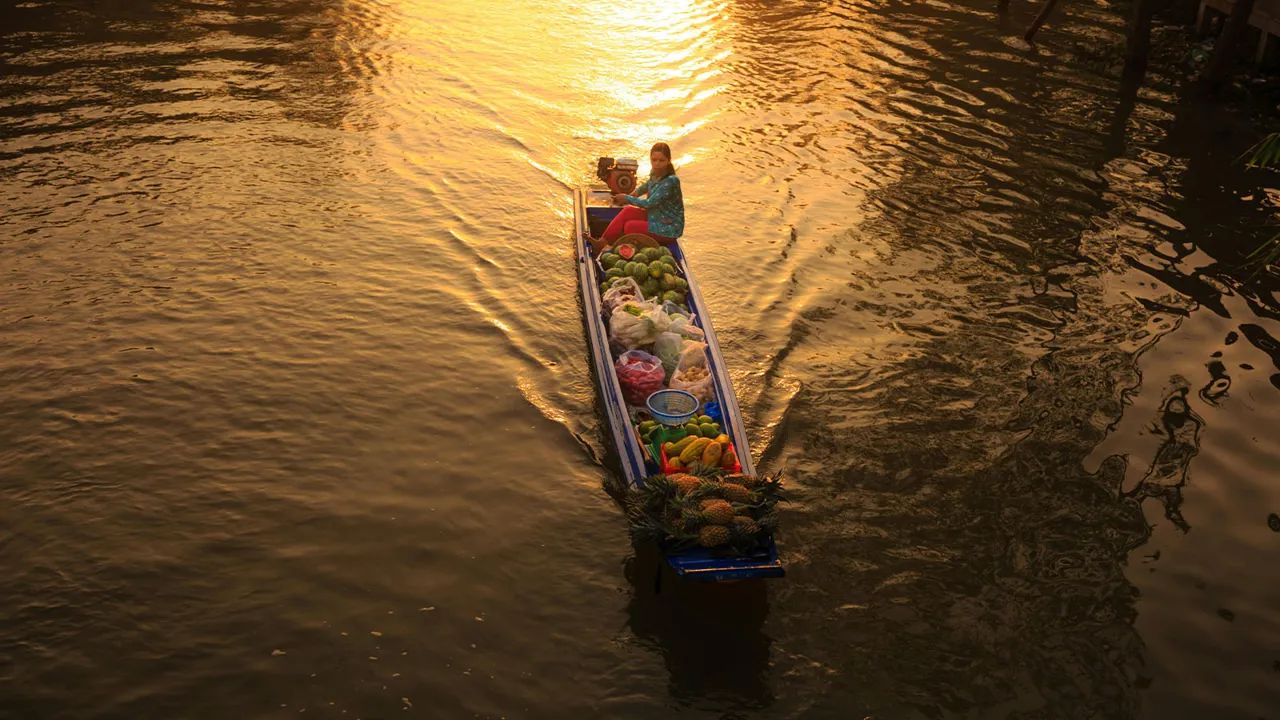
Vietnam Itinerary 2 Weeks
Hanoi - Ninh Binh - Lao Cai - Sapa - Muong Hum market - Ha Long Bay - Hue - Danang - Hoi An - Saigon - Mekong Delta - Cai Rang floating market - Departure

The Best of Ha Giang Trekking Tours
Discover Ha Giang on trekking tours where you live local life, enjoy breathtaking views and escape the crowded routes.

Vietnam and Laos 14 days
Saigon - My Tho - Da Nang- Hoian – Hue - Hanoi - Halong Bay - Vientiane Luang Prabang - Pak Ou – Khuang Si - Luang Prabang – Departure
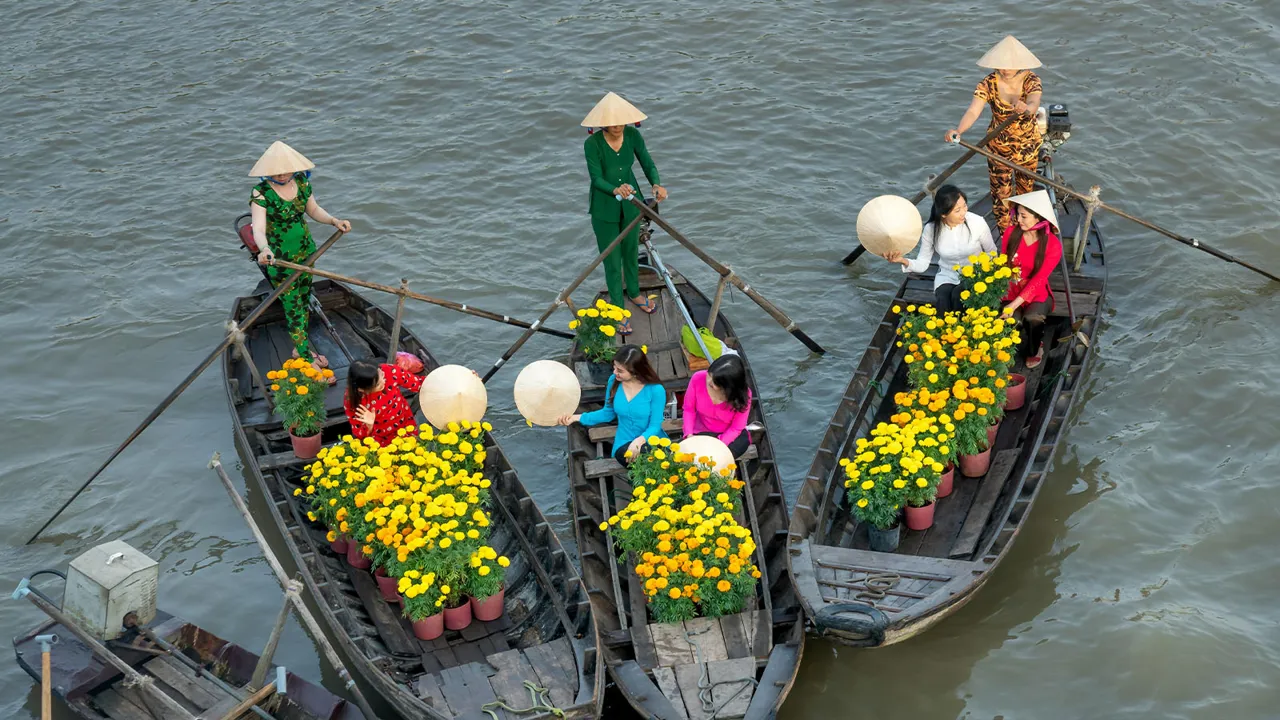
Vietnam Cambodia Itinerary 14 Days
Hanoi – Hoa Binh – Mai Chau – Ninh Binh – Halong bay – Hue - Danang – Hoian – Saigon – Ben Tre - Can Tho – Saigon - Siem Reap Angkor - Tonlé Sap - Siem Reap – Ta Prohm - Departure

Authentic Hoang Su Phi Trekking Tours
Hoang Su Phi trekking tours take you to stunning terraces, meet few tourists, connect with locals and enjoy authentic culture.

Honeymoon Tour Packages In Vietnam 12 Days
Saigon Arrival - City Tour – Mekong Delta – Danang – Hoian - by flight - Da Nang – Hanoi - by flight – Halong - overnight on junk – Departure
Are you interested in this tour?


Our testimonials
Whether it's a short or long tour, to discover must-see sites or to travel less-traveled paths, by car, junk, on foot, by bike or by motorbike... upon their return from their trip to Indochina, our clients tell us about their experiences. We thank them for entrusting us with the organization of their stay in Vietnam, Cambodia, Laos, Thailand and Myanmar!
Tailor-made trips to Vietnam
Are you a couple, a family, a group of friends? Are you planning a trip to Vietnam and/or Southeast Asia? Or maybe you want an individual, personalized trip, operated directly by a local agency? Perhaps you're thinking of a customized trip accompanied by a perfectly French-speaking guide and a private car with a professional driver... Are you the kind of traveler who likes to go where others don't? Our tailor-made tours adapt to your desires, your choices, your pace and your budget.... You decide, we create a trip that suits you!



Don't miss anything from Southeast Asia
The press talks about us




Comment
No comments yet. Be the first to leave a comment!