 Français
 Deutsch
 Italiano
 Português
 Español


Vietnamese Donut (Bánh Rán): A Must-Try Street Food Snack in Vietnam
Discover Bánh Rán, Vietnam’s beloved donut. Learn about sweet and savory varieties, cultural origins, prices, ingredients, and where to find the best street vendors across Vietnam.
If you wander through the labyrinthine alleyways of Hanoi’s Old Quarter or stroll down the bustling tree-lined avenues of Ho Chi Minh City, one sound and aroma will inevitably catch your attention. It is the rhythmic sizzle of oversized woks over open flames and the sweet, comforting scent of frying dough. Welcome to the heart of Vietnam’s world-famous street food culture.
While international travelers routinely seek out steaming bowls of Phở or crispy Bánh Mì baguettes, locals know that some of the greatest culinary treasures are the bite-sized snacks sold from the backs of bicycles and tiny aluminum street carts. Chief among these is the Vietnamese donut, known locally as Bánh Rán in the North and Bánh Cam in the South.
Far more than just a sugary treat, this golden, crispy pastry is a beloved staple of daily life. For generations of Vietnamese, it has been the ultimate comfort food—a quick breakfast on the go, an afternoon pick-me-up, or a rainy-day solace. If you are planning a trip to Vietnam, adding this humble fried pastry to your culinary bucket list is an absolute must.
What Is a Vietnamese Donut (Bánh Rán)?
To understand the Vietnamese donut, you must first set aside your expectations of Western donuts. You won't find fluffy, yeast-risen dough with a hole in the center, nor will you find colorful frosted rings or sprinkles.

Literally translating to "fried cake," Bánh Rán is a spherical, hollow pastry made from a specialized blend of glutinous rice flour and ordinary rice flour. It features a beautifully thin, ultra-crispy outer shell that is traditionally encrusted with toasted sesame seeds. Hidden inside this crunchy exterior sits a perfectly round ball of sweet or savory filling, which often rattles freely within the hollow interior if you shake it gently.
|
Feature |
Vietnamese Donut (Bánh Rán) |
Western Donut |
|
Flour Base |
Glutinous & regular rice flour (Gluten-free base) |
All-purpose wheat flour (Contains gluten) |
|
Texture |
Crunchy, chewy (dẻo), and hollow |
Soft, airy, cake-like, or pillowy |
|
Shape |
Solid sphere or flattened disc (No hole) |
Ring with a center hole or filled long-john |
|
Flavors |
Sweet (mung bean) or Savory (minced pork & glass noodles) |
Exclusively sweet (glazes, jellies, chocolates) |
|
Oil Profile |
Flash-fried, typically lighter and drier |
Deep-fried, often absorbing more oil |
Bánh Rán vs. Western Donuts: A Quick ComparisonThe Origins and Cultural Significance of Bánh Rán
The story of the Vietnamese fried donut is deeply intertwined with the country's agricultural history. For thousands of years, wet rice cultivation has been the bedrock of Vietnamese civilization. As a result, traditional Vietnamese snacks rarely rely on wheat flour, which is a Western import. Instead, they utilize the starch that locals know best: rice.
Historically, Bánh Rán emerged as a resourceful way to transform leftover rice harvests into portable, long-lasting snacks. In traditional folklore, its perfectly spherical shape and dual-nature fillings (sweet and savory) mirror the philosophical concept of Yin and Yang—seeking balance in texture, temperature, and flavor.

In daily local food culture, these donuts represent the beauty of Vietnamese quà vặt (casual snacking). They are not meant for fine-dining establishments. Instead, they belong entirely to the sidewalks. They are lovingly prepared by street vendors—often matriarchs who have spent decades perfecting their dough recipes—and served in simple paper bags recycled from old school notebooks. To eat a Bánh Rán is to partake in a daily ritual shared by millions of Vietnamese students, office workers, and grandparents alike.
Different Types of Vietnamese Donuts
When exploring the streets of Vietnam, you will quickly discover that the Vietnamese donut is not a singular entity. It adapts to regional preferences and shifts seamlessly between sweet and savory cravings.
Sweet Bánh Rán (Bánh Rán Ngọt)
This is the quintessential version that most travelers encounter first. The dough shell encapsulates a sweetened paste made from peeled, steamed, and mashed mung beans, scented lightly with vanilla or coconut milk.
There are three primary sub-varieties of the sweet donut:
- Bánh Rán Vừng (Sesame Donut): The outer shell is completely rolled in raw sesame seeds before hitting the hot oil, creating an incredibly aromatic, nutty, and crunchy layer.
- Bánh Rán Đường (Sugar-Glazed Donut): After frying, these donuts are tossed in a wok of melted white sugar syrup. As the syrup cools, it crystallizes into a snow-white, frosty, crackly shell.
- Bánh Rán Mật (Molasses/Caramel-Glazed Donut): Instead of dry sugar, these are coated in a sticky, rich glaze made from melted dark cane molasses. They are incredibly gooey, decadent, and deeply caramelized.

Savory Bánh Rán (Bánh Rán Mặn)
If you prefer savory over sweet, this variant will blow your mind. Popularized heavily in Northern Vietnam, Bánh Rán Mặn replaces the mung bean with a rich, seasoned mixture of minced pork, wood ear mushrooms (mộc nhĩ), shredded glass noodles (miến), and minced shallots.
Unlike the sweet version, savory donuts are never eaten dry. They are cut into bite-sized pieces with kitchen shears and served in a shallow bowl submerged in a light, warm, sweet-and-sour dipping sauce made from fish sauce, rice vinegar, sugar, and chili. It is topped with a handful of crunchy, quick-pickled green papaya and carrot slices.
Regional Variations: Bánh Rán vs. Bánh Cam
As you travel down the length of the S-shaped country, the donut changes names and subtle characteristics:
-
Northern Vietnam (Hanoi): Known strictly as Bánh Rán. The donuts tend to be slightly smaller, and the dough possesses a higher ratio of glutinous rice flour, giving it a noticeably chewier, more elastic pull. The savory version reigns supreme during the chilly winter months.
-
Central Vietnam (Hue & Hoi An): Here, the donuts are often flattened slightly into thick discs rather than perfect spheres. Vendors sometimes add a touch of local sweet potato or taro paste into the dough to enhance the texture.
-
Southern Vietnam (Ho Chi Minh City): Known exclusively as Bánh Cam (meaning "Orange Cake") because its golden, dimpled, sesame-speckled sphere closely resembles a small orange. The Southern version is almost exclusively sweet, featuring a thinner, shatteringly crisp crust and a highly sweetened coconut-mung bean filling.

What Does Bánh Rán Taste Like?
Biting into a freshly fried Vietnamese donut is a multi-sensory explosion.
First comes the structural shatter of the outer crust—an audible crunch that gives way to a delightfully sticky, chewy inner layer of dough. This unique chewiness is due to the glutinous rice flour, which behaves similarly to Japanese mochi when cooked.
In a sweet Bánh Rán Vừng, the overriding flavor profile is deeply nutty, milky, and earthy, with a controlled sweetness that avoids overpowering your palate. In contrast, the sugar- or molasses-glazed versions provide a sudden, intense burst of confectionery sweetness balanced by the neutral, rice-forward dough.
For the savory variety, the taste profile shifts completely toward umami. The crispiness of the dough contrasts beautifully with the juicy, peppery pork filling, while the acidic, bright dipping sauce cuts through the oiliness of the fried shell perfectly.
If you have ever tried Chinese Jian Dui (Sesame Seed Balls), the sweet Bánh Rán will feel comfortably familiar. However, the Vietnamese version distinguishes itself through its significantly thinner dough wall, a completely hollow interior chamber, and its distinctively savory branch of the family tree.
How Vietnamese Donuts Are Made
The creation of Bánh Rán is a showcase of traditional culinary geometry and temperature control.
The Essential Ingredients
-
Glutinous Rice Flour (Gạo nếp): The primary star, providing the essential chewiness and structural elasticity.
-
Regular Rice Flour (Gạo tẻ): Blended in precise ratios (usually around 80:20 or 90:10) to prevent the donut from becoming overly greasy or collapsing into a soggy mass.
-
Mashed Potatoes or Taro: A secret addition used by veteran street vendors to keep the dough soft and pliable for hours after frying.
-
Fillings: Either sweet split mung beans cooked with sugar, or raw seasoned pork mixed with rehydrated wood ear mushrooms and cellophane noodles.

The Preparation and Cooking Process
- Dough Kneading: The flours are mixed with warm water and a touch of oil, kneaded into a smooth, silky dough, and left to rest.
- Portioning and Stuffing: Small balls of dough are flattened into discs. A pre-rolled ball of filling is placed perfectly in the center. The artisan carefully wraps the dough over the filling, pinching the seams together seamlessly. Crucial technique: An air pocket must remain inside so the pastry expands and becomes hollow during frying.
- The Double-Fry Method: True Bánh Rán mastery happens at the wok. The donuts are first dropped into a wok of medium-low oil, where they are continuously massaged, rolled, and pressed against the side of the pan with large chopsticks or a slotted spoon. This constant motion coaxes the dough to puff up evenly into a perfect sphere. Once fully expanded, they are transferred to a high-heat wok to flash-fry the exterior into a rigid, non-greasy, golden crunch.
Where to Try the Best Bánh Rán in Vietnam
To discover the finest traditional Vietnamese snacks, skip the hotel breakfast buffet and head to these legendary local street food institutions.
Hanoi: The Epicenter of Bánh Rán
O Quan Chuong Banh Ran
- Address: Corner of O Quan Chuong and Hang Chieu streets, Hanoi
- Specialty: Tiny, bite-sized sweet sesame and sugar donuts. You can watch the women fry them right on the sidewalk of this historic Old Quarter street. They are always piping hot and perfectly crispy.
The 52 Hang Chieu Banh Ran Shop
- Address: 52 Hang Chieu, Hanoi
- Specialty: The 52 Hang Chieu Banh Ran Shop is a famous and always bustling place selling delicious Hanoi honey-glazed fried dough. This "Hanoi specialty" is served hot, with an attractive reddish-brown crust. Beneath the crispy outer layer is a thin, chewy layer of dough and a fragrant, nutty mung bean filling. You can also enjoy Hanoi sugar-glazed fried dough at this address.

Ho Chi Minh City: The Capital of Bánh Cam
Đệ nhất bánh cam
- Address: 47C Nguyễn Phi Khanh, P. Tân Định, Quận 1, TP. HCM
- Specialty: Famous for Bánh Cam Lắc ("shaken" donuts). These are sweet donuts where the mung bean ball inside is completely detached from the shell—when you shake it, you can hear it rattle like a maraca.
Bánh Cam - Bánh Chưng Chị Dậu
- Address: 710/3 Phan Van Tri Street, Ward 10, Go Vap District, Ho Chi Minh City
- Specialty: An incredible neighborhood for authentic Vietnamese food guides and street snacks. Look for vendors with small glass cases displaying mounds of golden-brown sesame and molasses-glazed Bánh Cam.
Other Top Destinations
-
Hoi An Ancient Town: Walk along the Hoai River bank in the late afternoon. You will find elderly women balancing bamboo poles (đòn gánh) selling mini Bánh Cam for just a few thousand Dong. They pair beautifully with a cup of local iced herbal tea.
-
Hai Phong: Check out the bustling Cát Bi Market. Known as a street food paradise, it offers unique regional variations of savory donuts featuring a hint of local seafood in the filling mixture.
How Much Does Bánh Rán Cost?
One of the greatest joys of exploring Hanoi street food and southern night markets is how extraordinarily affordable the experience is. The Vietnamese fried donut remains one of the best values for money in the entire global culinary landscape.
-
Sweet Bánh Rán (Sesame/Sugar): 3,000 to 5,000 VND per piece ($0.12 – $0.20 USD).
-
Glazed Bánh Rán Mật (Molasses): 5,000 to 7,000 VND per piece ($0.20 – $0.28 USD).
-
Savory Bánh Rán Mặn Bowl: 15,000 to 25,000 VND per bowl ($0.60 – $1.00 USD), which typically includes 2 to 3 large chopped donuts, sauce, and pickles.
For less than a single US dollar, you can enjoy a deeply satisfying, culturally authentic afternoon tea experience on a Vietnamese sidewalk.

Travel Tips for Enjoying Bánh Rán Like a Local
To fully master the art of eating street food in Vietnam, keep these practical, local insider tips in mind:
The Golden Timing: The absolute best time to hunt for Bánh Rán is between 3:00 PM and 5:00 PM. In Vietnam, this is prime quà chiều (afternoon snack) hour. Vendors will have fresh batches coming out of the oil hot and ready.
Look for the Smoke and Crowds: Food safety tip: Avoid buying donuts that have been sitting behind cold glass windows for hours. Instead, seek out vendors where you can actively see the oil bubbling and locals pulling up on motorbikes to buy batches wrapped in paper. High turnover equals maximum freshness and crispiness.
Perfect Beverage Pairings:
-
Pair Sweet Bánh Rán with an intensely bitter, refreshing Vietnamese Iced Black Coffee (Cà phê đá) or a hot green tea (Trà nóng) to cut through the sugar.
-
Pair Savory Bánh Rán with a cold glass of fresh Soy Milk (Sữa đậu nành) or iced green tea (Trà đá).
Street Etiquette: Pull up a tiny plastic blue stool, sit down comfortably, and don't be afraid to use your fingers for the dry sweet donuts. For the savory version, use the provided bamboo chopsticks or small forks to spear a piece of donut alongside a slice of pickled papaya for the perfect combined bite.
Frequently Asked Questions
Is Bánh Rán sweet or savory?
It can be both! Bánh Rán Ngọt is sweet (filled with sweetened mung bean paste and coated in sesame seeds, sugar, or molasses glaze). Bánh Rán Mặn is entirely savory (filled with spiced minced pork, wood ear mushrooms, and glass noodles, served in a warm dipping fish sauce).
Is Bánh Rán vegetarian?
The sweet versions (Bánh Rán Ngọt / Bánh Cam) are almost always vegetarian, as they consist entirely of rice flour, sugar, sesame, and mung beans. However, always ask the vendor if they fry them in pork fat (mỡ lợn) or vegetable oil (dầu thực vật). The savory version (Bánh Rán Mặn) contains pork and is not vegetarian.
Is it gluten-free?
Yes, inherently! The dough base is made strictly from a combination of glutinous rice flour and regular rice flour. Unlike Western pastries, no wheat flour is used, making it an excellent gourmet option for travelers with celiac disease or gluten sensitivities. Always confirm with the vendor that no wheat-based thickeners were added to their specific glaze.
Is it available throughout Vietnam?
Absolutely. You can find it nationwide, from the northern mountains of Sapa down to the Mekong Delta. Just remember to look for the name Bánh Rán in the North and Bánh Cam in the South.
Final Thoughts
No trip to Southeast Asia is complete without fully immersing yourself in its informal sidewalk dining scenes. The Vietnamese donut represents everything that makes the country's street food culture so captivating: resourceful use of local ingredients, generational mastery of technique, an incredible balance of contrasting textures, and a price tag accessible to absolutely everyone.
Whether you crunch into a sugary, sesame-crusted sphere while exploring a morning market or dive into a comforting bowl of savory pork donuts on a rainy Hanoi afternoon, Bánh Rán offers an authentic taste of daily life in Vietnam. Be sure to look out for these golden treasures on your next adventure!
>>> Vietnamese Banh Mi – The World-Famous Sandwich You Need to Try in Vietnam
>>> Top 7 Vietnamese Drinks You Have To Try

Thuy Nguyen is a passionate travel blogger and storyteller who has spent years exploring the hidden corners of Vietnam and Southeast Asia. With a love for authentic experiences, she writes about local life, culture, and off-the-beaten-path adventures. Through her words, Anh invites readers to travel deeper, connect with people, and find beauty in every journey — whether it’s a quiet sunrise in Hoi An or a mountain trail in Ha Giang.
Send us your comments about : Vietnamese Donut (Bánh Rán): A Must-Try Street Food Snack in Vietnam
Required fields*
You may also like


You may also like

Ha Giang vs Cao Bang: Which Northern Vietnam Adventure Is Right For You?
Planning a Northern Vietnam adventure but can’t decide between Ha Giang and Cao Bang? Compare scenery, culture, crowds, safety, and loop tour to find the one that best matches.

Beyond Da Nang: 10 Authentic Places to Discover in Central Vietnam
Discover the best hidden gems and authentic places in Central Vietnam beyond Da Nang, Hoi An, and Hue, from untouched landscapes and local culture to off-the-beaten-path experiences.

Hai Van Pass: Vietnam’s Most Spectacular Coastal Mountain Road
Plan your ultimate Hai Van Pass adventure. Discover how to visit by motorcycle, train, or private car, plus top viewpoints, history, scenic stops, and essential safety tips.
Travel ideas
Need some inspiration? Discover some of the best tours in Vietnam, which are highly appreciated by our clients. An excellent starting point to help you choose the right trip to Vietnam, Laos, Cambodia, Burma or Thailand, whether you are traveling alone, as a couple, as a family or with friends.
And because this trip is yours, feel free to customize it as you wish!
Vietnam Itinerary 2 Weeks
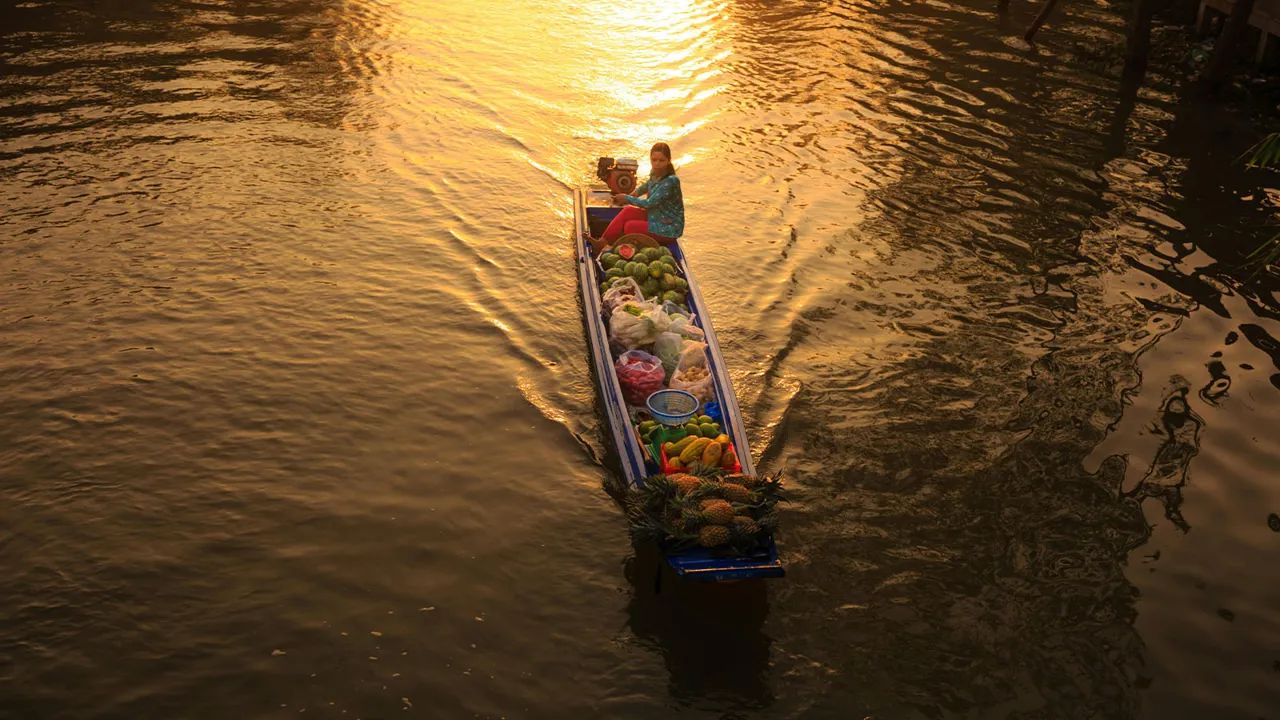
Hanoi - Ninh Binh - Lao Cai - Sapa - Muong Hum market - Ha Long Bay - Hue - Danang - Hoi An - Saigon - Mekong Delta - Cai Rang floating market - Departure

The Best of Ha Giang Trekking Tours
Discover Ha Giang on trekking tours where you live local life, enjoy breathtaking views and escape the crowded routes.

Vietnam and Laos 14 days
Saigon - My Tho - Da Nang- Hoian – Hue - Hanoi - Halong Bay - Vientiane Luang Prabang - Pak Ou – Khuang Si - Luang Prabang – Departure
Vietnam Cambodia Itinerary 14 Days
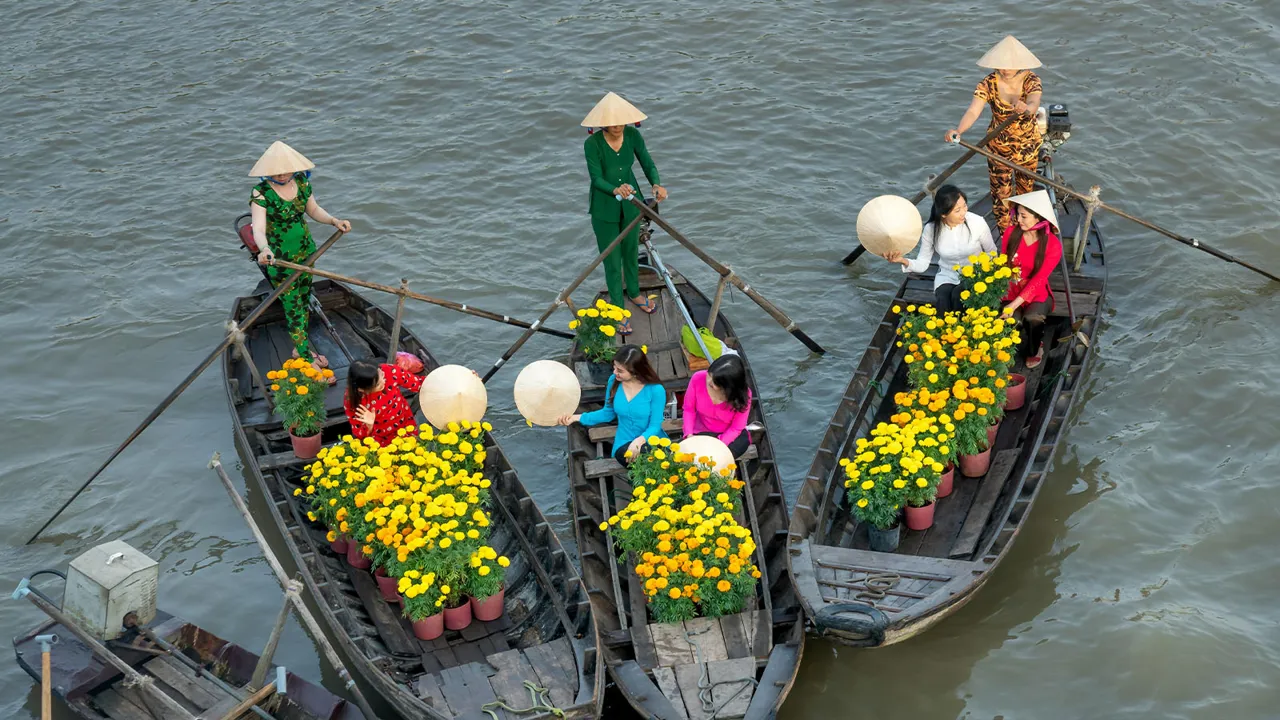
Hanoi – Hoa Binh – Mai Chau – Ninh Binh – Halong bay – Hue - Danang – Hoian – Saigon – Ben Tre - Can Tho – Saigon - Siem Reap Angkor - Tonlé Sap - Siem Reap – Ta Prohm - Departure

Authentic Hoang Su Phi Trekking Tours
Hoang Su Phi trekking tours take you to stunning terraces, meet few tourists, connect with locals and enjoy authentic culture.

Honeymoon Tour Packages In Vietnam 12 Days
Saigon Arrival - City Tour – Mekong Delta – Danang – Hoian - by flight - Da Nang – Hanoi - by flight – Halong - overnight on junk – Departure
Are you interested in this tour?


Our testimonials
Whether it's a short or long tour, to discover must-see sites or to travel less-traveled paths, by car, junk, on foot, by bike or by motorbike... upon their return from their trip to Indochina, our clients tell us about their experiences. We thank them for entrusting us with the organization of their stay in Vietnam, Cambodia, Laos, Thailand and Myanmar!
Tailor-made trips to Vietnam
Are you a couple, a family, a group of friends? Are you planning a trip to Vietnam and/or Southeast Asia? Or maybe you want an individual, personalized trip, operated directly by a local agency? Perhaps you're thinking of a customized trip accompanied by a perfectly French-speaking guide and a private car with a professional driver... Are you the kind of traveler who likes to go where others don't? Our tailor-made tours adapt to your desires, your choices, your pace and your budget.... You decide, we create a trip that suits you!




Don't miss anything from Southeast Asia
The press talks about us




Comment
No comments yet. Be the first to leave a comment!