 Français
 Deutsch
 Italiano
 Português
 Español


15 Best Vietnamese Snacks & Street Food You Must Try in 2026
Planning a trip to Vietnam? Go beyond Pho and Banh Mi with our ultimate street food guide. Discover 15 must-try traditional Vietnamese snacks and authentic local food culture tips.
Top Vietnamese Snacks: 15 Must-Try Street Food Treats for Travelers
If you are planning your first trip to Vietnam, your culinary checklist probably starts—and perhaps ends—with Phở and Bánh Mì. It is completely natural. These iconic dishes have successfully crossed oceans to become global staples. However, limiting your Vietnamese culinary adventure to just these two headliners is like visiting Paris and only looking at the Eiffel Tower from your hotel window.
To truly understand why Vietnam is widely considered one of the great food capitals of the world, you have to step onto the sidewalk, pull up a tiny plastic stool, and dive into the vibrant, non-stop world of traditional Vietnamese snacks.
In Vietnam, snacking isn't just a way to curb hunger between meals; it is an essential pillar of local culture. Known locally as quà vặt or ăn vặt, snacking is a highly social ritual that brings people together on bustling street corners, down quiet alleyways, and alongside scenic lakes from mid-afternoon until late at night.
For international travelers, exploring the street food scene is the ultimate gateway to authentic local life. It offers an intimate glimpse into the rhythms of Vietnamese cities, where recipes are passed down through generations and food is prepared fresh right in front of your eyes.
What Makes Vietnamese Snacks Unique?
Before we look at the specific delicacies you need to track down, it helps to understand what makes the country's street food scene so distinct and universally loved by travelers.
The Harmony of Flavor Profiles
If French cuisine relies on rich sauces and Italian cuisine celebrates minimalist simplicity, Vietnamese food culture is a masterclass in balance. Even the smallest sidewalk snack adheres to the culinary philosophy of the Five Elements (Ngũ Hành), aiming to balance five core flavors: Sweet (symbolizing Earth); Sour (symbolizing Wood); Bitter (symbolizing Fire); Spicy (symbolizing Metal); Salty (symbolizing Water)
You will rarely find a dish that is one-dimensional. A single bite of a Vietnamese snack might start with the smoky crunch of grilled pork, transition into the sharp tang of green papaya, follow with the fiery kick of bird's eye chili, and finish with the sweet undertone of caramelized fish sauce.

Radical Freshness
Walk past a street food stall in Hanoi or Ho Chi Minh City, and you won't see heat lamps, heavy preservation, or pre-packaged ingredients. Instead, you will see mounds of vibrant green herbs—mint, cilantro, Thai basil, and perilla—sliced lime wedges, freshly shaved green mango, and crisp vegetables. Ingredients are sourced from local wet markets in the early hours of the morning and used completely by nightfall.
Fascinating Regional Diversity
Vietnam stretches over 1,600 kilometers from north to south, encompassing distinct climate zones, geography, and historical influences. This translates into three remarkably unique culinary regions:
The North (Hanoi): Tends to favor pure, delicate, and balanced flavors. Dishes are subtly seasoned, allowing the natural flavors of the main ingredients to shine through. Black pepper is often preferred over fresh chili.
The Central Region (Hue & Da Nang): Renowned for its bold, intensely savory, and unapologetically spicy profile. Influenced by ancient imperial cuisine, central snacks are often meticulously crafted, visually striking, and heavily feature shrimp paste and chili oils.
The South (Ho Chi Minh City & Mekong Delta): Celebrates vibrant sweetness and rich textures. Thanks to a tropical climate and historical trading routes, southern cooking heavily incorporates coconut milk, palm sugar, and an abundance of fresh herbs and garlic.

An Unbeatable Price Point
One of the greatest joys of traveling through Vietnam is that some of the most memorable meals of your life will cost you less than a coffee back home. Most popular snacks in Vietnam range from 20,000 VND to 50,000 VND (roughly $0.80 to $2.00 USD). This incredible affordability means you can turn every afternoon into an impromptu, self-guided food tour.
The Street is the Dining Room
In Vietnam, the sidewalk is an extension of the living room. Eating street food means immersing yourself in the local environment. You will sit on low plastic stools (ghế đậu), surrounded by the ambient hum of passing motorbikes, the aromatic steam rising from heavy aluminum pots, and the lively chatter of locals catching up after work. It is an immersive, sensory experience that modern indoor restaurants simply cannot replicate.
15 Must-Try Vietnamese Snacks
To help you navigate the bustling alleyways, here are 15 of the best Vietnamese snacks you need to try on your journey, spanning savory bites, crispy pancakes, and refreshing sweet treats.
1. Bánh Tráng Trộn (Mixed Rice Paper Salad)
If you want to experience the absolute peak of modern southern street food culture, look no further than Bánh Tráng Trộn. Originating in the south as a clever way to use up leftover scraps of rice paper, this dish has exploded in popularity to become the ultimate comfort food for students and young professionals across the country.

To make it, a street vendor takes strips of dry rice paper and places them into a large plastic bowl. They quickly toss in shredded green mango, dried beef jerky, tiny dried shrimp, boiled quail eggs, crispy fried shallots, roasted peanuts, and fresh Vietnamese coriander (rau răm).
The magic happens when the vendor drizzles a signature savory chili oil and freshly squeezed green kumquat juice over the mix, vigorously tossing it with chopsticks. The rice paper absorbs the liquids, transforming from brittle sheets into perfectly chewy, flavor-packed ribbons. It is sweet, sour, salty, spicy, and incredibly addictive.
-
Where to find it: Ubiquitous in Ho Chi Minh City, especially around parks, universities, and Turtle Lake (Hồ Con Rùa). It is now widely available in Hanoi as well.
-
Traveler Tip: Eat it within 10 to 15 minutes of mixing. If you let it sit too long, the rice paper will become overly soggy and lose its delightful chew.
-
Typical Price: 20,000 – 35,000 VND ($0.80 – $1.40 USD)
2. Nem Nướng (Grilled Pork Skewers)
Walking down a narrow street in the late afternoon, you will often be guided by a thick, sweet, aromatic plume of smoke rising from a sidewalk charcoal grill. Follow your nose, and you will almost certainly find a vendor flipping skewers of Nem Nướng.

These are seasoned, minced pork sausages wrapped tightly around lemongrass stalks or bamboo skewers and grilled over hot coals. The pork incorporates garlic, shallots, fish sauce, and sugar, resulting in a beautiful caramelization on the outside while remaining tender and juicy on the inside.
In many places, Nem Nướng is served as a DIY rolling experience. You are presented with a platter of hot pork skewers, thin sheets of dry rice paper, a mountain of fresh herbs, pickled green mango or papaya, cucumber slices, and deep-fried, crunchy rice paper rolls. You layer these ingredients into the rice paper, roll it up like a tight spring roll, and dip it into a warm, thick, savory-sweet peanut dipping sauce.
-
Where to find it: While it originates in Central Vietnam (Nha Trang is famous for it), you can find exceptional variations across the country, including Hanoi and Ho Chi Minh City.
-
Traveler Tip: Don't be shy with the fresh herbs. The sharp flavor of perilla leaves and the freshness of mint perfectly cut through the richness of the grilled pork.
-
Typical Price: 35,000 – 50,000 VND per box ($1.40 – $2.00 USD)
3. Bánh Xèo (Sizzling Crispy Crepes)
The name Bánh Xèo literally translates to "sizzling cake," named after the loud, dramatic hiss the rice batter makes when it hits a scorching-hot, oiled cast-iron skillet.
Despite its bright golden-yellow hue, there are absolutely no eggs in the batter. Instead, the color comes from a generous amount of ground turmeric powder mixed into a base of rice flour and coconut milk. The vendor ladles the thin batter into the pan, swirling it rapidly to create an incredibly thin, lace-like edge.

The crepe is then stuffed with a handful of pork belly slices, small shrimp, mung beans, and a mountain of fresh bean sprouts before being folded in half.
Eating Bánh Xèo is a hands-on affair. Cut a piece of the crispy crepe with your shears, wrap it inside a large, broad mustard green leaf or lettuce leaf along with fresh mint and basil, roll it tight, and dip it into Nước Chấm(the classic sweet, sour, and savory Vietnamese fish sauce dip).
-
Where to find it: Southern versions are massive, dinner-plate-sized creations packed with coconut richness. Central versions (Bánh Khoái) are smaller, thicker, and cooked in small individual molds, often served with a rich liver-and-peanut dipping sauce.
-
Traveler Tip: Look for stalls where they fry the crepes to order. A cold, pre-fried Bánh Xèo loses its signature crispness and can feel oily.
-
Typical Price: 15,000 – 30,000 VND ($0.60 – $1.20 USD)
4. Bánh Khọt (Mini Savory Coconut Pancakes)
If you love the flavors of Bánh Xèo but prefer bite-sized portions, Bánh Khọt will easily become one of your favorite must-try snacks in Vietnam. These mini, spherical pancakes are cooked in a special heavy iron pan with small, dimpled molds, similar to a Japanese takoyaki pan or a Dutch poffertjes pan.

The batter is a creamy blend of rice flour, turmeric, and coconut milk. It is poured into the sizzling, oiled molds until the bottom turns deep golden-brown and shatteringly crisp, while the top remains soft, custardy, and wonderfully fluffy. Each little pancake is topped with a whole plump shrimp, a brush of scallion oil (mỡ hành), and a dusting of dried shrimp powder.
Like many traditional Vietnamese snacks, you wrap these mini pancakes in fresh lettuce leaves and herbs before taking a bite, dipping them generously into a sweet-and-sour fish sauce packed with shredded green papaya.
-
Where to find it: Vũng Tàu, a coastal city in southern Vietnam, is the undisputed home of Bánh Khọt. However, excellent specialty shops can be found across Ho Chi Minh City.
-
Traveler Tip: The contrast between the hot, crispy, coconut-rich pancake and the cold, crisp, refreshing lettuce leaf is the hallmark of this dish. Pop the entire wrap into your mouth at once for the ultimate flavor explosion.
-
Typical Price: 15,000 – 25,000 VND ($0.60 – $1.00 USD)
5. Thịt Xiên Nướng (Street-Style Grilled Pork Skewers)
For travelers who might feel a bit intimidated by some of the more adventurous textures of Vietnamese street food, Thịt Xiên Nướng is a universally loved, highly accessible point of entry. It is the ultimate afternoon comfort food.
These are thin ribbons of pork shoulder or belly, marinated overnight in a sweet, sticky glaze of lemongrass, garlic, shallots, fish sauce, oyster sauce, dark soy sauce, and honey. The meat is threaded tightly onto bamboo skewers and grilled over open charcoal pits right on the sidewalk. As the fat renders and drips onto the coals, it creates an unmistakable, smoky fragrance that fills entire neighborhoods.

In Hanoi, these skewers are typically served straight off the grill into your hands, accompanied by a squeeze of local sweet-and-spicy chili sauce. In the south, they are often tucked inside a warm, crusty baguette with pickled vegetables to create a variation of Bánh Mì Thịt Xiên.
-
Where to find it: Look around school gates and street corners across Hanoi starting around 4:00 PM, when locals wrap up school and work.
-
Traveler Tip: Keep an eye out for vendors who brush the meat with honey or condensed milk during the final turn on the grill for that perfect sweet, lacquered crust.
-
ical Price: 15,000 – 25,000 VND per skewer ($0.60 – $1.00 USD)
6. Bánh Tráng Nướng (Vietnamese Pizza)
Born on the cool, misty streets of Da Lat in the central highlands, Bánh Tráng Nướng has swept across the nation over the last decade, earning the nickname "Vietnamese Pizza" among international travelers. It is a brilliant example of modern Vietnamese street food innovation.
Instead of a heavy dough crust, this snack uses a single sheet of thin, round rice paper as the base. The vendor places the rice paper directly onto a wire grill over hot charcoal. Working quickly, they crack a raw quail egg or chicken egg directly onto the surface, whisking it with a brush to spread it across the paper along with minced pork, finely chopped green scallions, and tiny dried shrimp.

As the egg cooks and binds the toppings together, the rice paper base becomes remarkably crisp, smoky, and rigid. The pizza is finished with a drizzle of creamy sweet mayonnaise and a squeeze of sriracha chili sauce before being folded in half or sliced into manageable triangles.
-
Where to find it: While it is a legendary evening staple in Da Lat, you can find phenomenal versions around the youth-centric street food hotspots of Ho Chi Minh City (like Nguyen Hue Walking Street) and Hanoi.
-
Traveler Tip: Eat this immediately while standing by the grill. The rice paper base absorbs moisture from the air and toppings quickly, losing its signature crispness within minutes.
-
Typical Price: 15,000 – 25,000 VND ($0.60 – $1.00 USD)
7. Bánh Gối / Bánh Rán Gối (Pillow Cakes)
The name Bánh Gối translates beautifully to "pillow cake," earned because these deep-fried pastries closely resemble small, plump, crimped crescent pillows.
The outer pastry shell is crafted from a simple flour dough that, when dropped into deep, hot oil, blisters and fries to a beautiful golden, delicate crunch. Inside this crispy shell is a comforting, savory stuffing of minced pork, wood-ear mushrooms, glass noodles, diced shallots, and a couple of whole boiled quail eggs.

Bánh Gối is almost always served alongside a bowl of light, sweet, and sour fish sauce sauce infused with vinegar, garlic, fresh chili, and slices of green papaya or kohlrabi. You drop the hot pieces of pastry right into the dipping bowl along with fresh lettuce and coriander to balance out the fried richness.
-
Where to find it: This is a classic comforting snack native to Northern Vietnam, making it an absolute must-try snack in Hanoi during the cooler autumn and winter months.
-
Traveler Tip: Stalls that sell Bánh Gối almost always sell Bánh Rán (crispy, deep-fried glutinous rice balls stuffed with sweet mung bean paste or savory pork). Order a mix of both for a fantastic texture comparison.
-
Typical Price: 7,000 – 10,000 VND per piece ($0.30 – $0.40 USD)
8. Gỏi Cuốn (Fresh Spring Rolls)
For international travelers looking for a clean, light, and nutrient-dense snack, Gỏi Cuốn is an absolute triumph. Often translated as "fresh summer rolls," these are the uncooked, non-fried cousins of the crispy spring roll, highlighting the Vietnamese dedication to absolute freshness.
Making a Gỏi Cuốn takes a high level of hand dexterity. The vendor takes a thin, translucent sheet of rice paper, lightly dampens it with a damp cloth, and then carefully layers boiled pork belly slices, clean poached shrimp, delicate nests of cold rice vermicelli noodles, and a variety of fresh herbs like mint, cilantro, and chives.

The ingredients are rolled tightly, with the bright green stalks of garlic chives intentionally peeking out of the end like small flags.
Unlike northern dishes that favor fish sauce, Gỏi Cuốn in the south is traditionally paired with a rich, dark, fermented warm hoisin dipping sauce that is topped with crushed roasted peanuts, fried shallots, and a dollop of fresh chili paste.
-
Where to find it: Incredible street side carts dot almost every corner of Ho Chi Minh City. They are often sold pre-rolled and kept under glass cases to maintain their cleanliness and moisture.
-
Traveler Tip: Look at the rice paper. It should be supple, slightly chewy, and soft. If it feels brittle or dry, the rolls have been sitting out uncovered for too long.
-
Typical Price: 10,000 – 15,000 VND per roll ($0.40 – $0.60 USD)
9. Bánh Bèo (Water Fern Cakes)
Hailing from the ancient imperial city of Hue in Central Vietnam, Bánh Bèo is a stunningly elegant, delicate snack that perfectly showcases how regional geography influences Vietnam food culture. The name translates to "water fern cake," because the small, circular shape of the dish closely mirrors the leaves of a local floating water fern.
These snacks are made from a smooth batter of refined rice flour and tapioca flour, poured into small, shallow ceramic saucers and steamed in large batches. When cooked, the center of the cake dimples slightly, creating a perfect little well.

The vendor tops each delicate white disc with a brush of bright green scallion oil, a generous dusting of savory savory dried shrimp powder, and a few exceptionally crunchy pieces of deep-fried pork rind (tóp mỡ).
To eat it, you pour a spoonful of highly seasoned, sweet-and-spicy fish sauce over the saucer, use a small bamboo paddle or spoon to gently loosen the rice cake from the edges of the ceramic mold, and slide the entire creation into your mouth in one elegant bite.
-
Where to find it: While it is a centerpiece of Hue heritage cuisine, you can find exceptional specialty restaurants dedicated to Central Vietnamese snacks in Da Nang, Hoi An, and Ho Chi Minh City.
-
Traveler Tip: They are typically served on a large wooden tray containing anywhere from 8 to 20 individual saucers. Don't worry—they are incredibly light, and stacking your empty saucers at the end is half the fun!
-
Typical Price: 5,000 – 8,000 VND per piece ($0.20 – $0.35 USD)
10. Chè (Sweet Dessert Soups)
No comprehensive Vietnamese street food guide would be complete without highlighting Chè, an expansive, colorful category of sweet dessert soups, puddings, and drinks that locals enjoy at all hours of the day. It is the ultimate antidote to a hot, humid tropical afternoon.
The world of Chè is wonderfully vast, with dozens of unique variations. A vendor's cart typically displays rows of glass bowls filled with colorful, prepared ingredients:
You can order a specific combination, or simply ask for Chè Thập Cẩm (mixed dessert), which includes a little bit of everything. The ingredients are layered into a tall glass, drizzled with a rich palm sugar syrup, topped with a generous ladle of thick, savory-sweet coconut cream, and buried under a mountain of crushed ice.

-
Where to find it: Look for neon signs reading "CHÈ" down small local markets or alleys. Hanoi is famous for its hot, delicate lotus seed Chè in winter, while the south specializes in ice-cold, fruit-forward coconut variations.
-
Traveler Tip: If you want a comforting warm version, look for Chè Trôi Nước—soft, chewy glutinous rice balls stuffed with mung bean paste, served floating in a warm, fragrant syrup made from palm sugar and smashed fresh ginger root.
-
Typical Price: 15,000 – 30,000 VND per glass ($0.60 – $1.20 USD)
11. Bánh Mì Dân Tổ (Late-Night Driver's Bánh Mì)
While traditional Bánh Mì is globally famous as a morning or daytime staple, Bánh Mì Dân Tổ represents a unique, cult-classic late-night snacking subculture born on the streets of Hanoi.
Originally created to serve nocturnal workers, truck drivers, and wholesalers returning from the early-morning markets around Long Bien Bridge, this snack has become a legendary rite of passage for food-loving travelers.
-720.webp)
Unlike a standard Bánh Mì where ingredients are neatly layered in cold slices, the vendor here does something completely radical:
They take a massive portion of smooth liver paté, char siu pork, sliced Vietnamese sausage (giò lụa), onions, and fresh eggs, and drop them all together into a roaring hot wok. They stir-fry everything vigorously with a generous scoop of sweet butter until it forms a rich, savory, wonderfully unified paste.
This steaming, decadent mixture is then scooped into a hot, toasted, ultra-crisp baguette. It is messy, remarkably rich, and completely delicious.
-
Where to find it: The original stall is located at the intersection of Tran Nhat Duat and Cao Thang streets in Hanoi. It historically opened only from 3:00 AM to 6:00 AM, though pop-ups and copycats now serve it throughout the evening across the city.
-
Traveler Tip: Pair it with a cold can of local soy milk (sữa đậu nành) to balance out the rich, buttery textures of the filling.
-
Typical Price: 25,000 – 40,000 VND ($1.00 – $1.60 USD)
12. Nem Chua Rán / Nem Chua Nướng (Fried or Grilled Fermented Pork)
If you want to know what Hanoi’s youth eat while sharing stories on a Friday evening, look no further than Nem Chua Rán (fried) or Nem Chua Nướng (grilled). It is the quintessential social snack of the capital.

Nem Chua is fresh pork minced with garlic, chili, and boiled, shredded pork skin (bì), which provides a uniquely gelatinous, chewy texture. Traditionally, it is wrapped in banana leaves and left to ferment naturally for a few days, giving it a sharp, tangy, sour flavor profile.
For snacking, vendors take the unfermented, sweet version of these pork rolls.
-
Nem Chua Rán: Rolled in panko breadcrumbs and deep-fried until the outer coating is golden and shatteringly crisp, while the inside turns beautifully soft, stringy, and gooey.
-
Nem Chua Nướng: Threaded onto bamboo skewers and grilled over charcoal until the surface gets sticky, smoky, and sweetly charred.
Both versions are served on a tray lined with green banana leaves, accompanied by slices of refreshing green cucumber, crisp jicama, green mango, and a small saucer of specialty sweet-and-smoky hot chili paste.
-
Where to find it: The maze of narrow streets surrounding the iconic St. Joseph’s Cathedral (Nhà Thờ Lớn) in Hanoi is the spiritual home of this snack.
-
Traveler Tip: Do not use fish sauce here. The local etiquette is to dip the hot pork directly into the bright orange chili paste using a small bamboo toothpick.
-
Typical Price: 7,000 – 10,000 VND per piece ($0.30 – $0.40 USD); usually ordered in plates of 10.
13. Nộm Bò Khô (Green Papaya Salad with Dried Beef)
For international visitors who love Thai Som Tum but struggle with its intense heat, the Vietnamese Nộm Bò Khô offers a beautifully balanced alternative. It is a masterclass in contrasting textures and refreshing flavor layers.
The base of the salad is a generous mound of raw green papaya and carrots, julienned into incredibly thin, crisp ribbons. This crunchy foundation is topped with dark ribbons of chewy, sweet-and-savory spiced dried beef jerky, thin slices of boiled beef spleen or liver (for advanced foodies), a generous dusting of crushed roasted peanuts, and fresh herbs like Vietnamese coriander and mint.

The salad is dressed right before serving with a light, clear, and refreshing vinaigrette made from soy sauce, rice vinegar, sugar, garlic, and just a hint of fresh chili. It gently wilts the papaya while keeping its satisfying, refreshing crunch.
-
Where to find it: In Hanoi, head directly to Hoan Kiem Street (Phố Hồ Hoàn Kiếm), a tiny lane located just steps away from Hoan Kiem Lake that is entirely dedicated to serving this single dish.
-
Traveler Tip: Use your scissors to chop the large sheets of jerky into smaller bites, then use your chopsticks to toss the salad thoroughly from the bottom up to ensure every ribbon of papaya is coated in the dressing.
-
Typical Price: 20,000 – 30,000 VND per plate ($0.80 – $1.20 USD)
14. Bánh Giò (Pyramid Steamed Rice Pork Dumplings)
If you find yourself exploring the streets of Vietnam on a rainy afternoon, there is no snack more comforting than a hot Bánh Giò. You will often spot them stacked inside steaming metal pots on the back of bicycles or at small street side tables.

Bánh Giò is a pyramid-shaped dumpling wrapped neatly in multiple layers of dark green banana leaves. The outer casing is a silky, smooth, comforting dough made from rice flour and pork broth. Inside lies a filling of minced pork shoulder, wood-ear mushrooms, shallots, and tiny quail eggs, seasoned with black pepper.
When you unwrap the warm banana leaves, the aromatic scent of the steamed leaf infuses directly into the smooth, custardy rice dough. The texture is intentionally soft; it should melt in your mouth without much chewing.
-
Where to find it: Highly popular across residential neighborhoods in northern Vietnam as a breakfast or late-afternoon snack.
-
Traveler Tip: While purists eat it completely plain, many modern street vendors offer Bánh Giò Cố Đô—where the dumpling is sliced open and loaded with Vietnamese sausages, beef jerky strips, fried shallots, and a drizzle of sweet chili sauce.
-
Typical Price: 15,000 – 25,000 VND ($0.60 – $1.00 USD)
15. Cà Phê Trứng (Hanoian Egg Coffee)
To wrap up your culinary journey through the world of Vietnamese snacks, you must experience Cà Phê Trứng, or Egg Coffee. While technically a beverage, its rich, velvety, custard-like texture makes it drinkable dessert and a decadent afternoon snack all on its own.
Invented in Hanoi in 1946 during the First Indochina War by a clever bartender named Nguyen Van Giang, this drink was born out of necessity when fresh milk was heavily rationed. He realized he could whisk fresh egg yolks with sugar and condensed milk to create a rich, creamy topping that perfectly balanced the bitterness of dark roasted Vietnamese robusta coffee.

The drink is traditionally served in a small glass tucked inside a small ceramic bowl filled with hot water, which keeps the coffee hot and prevents the egg cream from cooling down.
-
Where to find it: Head to the legendary Cafe Giang down a narrow alley on Nguyen Huu Huan Street in Hanoi's Old Quarter to try it from the family that invented it.
-
Traveler Tip: Do not drink it quickly through a straw. Use a small spoon to taste the rich, fluffy egg custard on top first, then slowly stir the dark espresso from the bottom to create a balanced blend.
-
Typical Price: 15,000 – 30,000 VND per glass ($0.60 – $1.20 USD)
The Essential Street Food Reference
To help you order like a local, look for these key culinary terms on signs and menus across Vietnam:
|
Vietnamese Term |
English Meaning |
Best Regional Variety |
|
Bánh Tráng Trộn |
Mixed Rice Paper Salad |
Southern (Ho Chi Minh City) |
|
Nem Nướng |
Grilled Pork Skewers |
Central (Nha Trang / Hue) |
|
Bánh Xèo |
Sizzling Crispy Crepes |
Southern & Central Varieties |
|
Bánh Khọt |
Mini Savory Coconut Pancakes |
Southern (Vũng Tàu) |
|
Thịt Xiên Nướng |
Street-Style Grilled Pork Skewers |
Northern (Hanoi) |
|
Bánh Tráng Nướng |
Vietnamese Pizza |
Central Highlands (Da Lat) |
|
Bánh Gối |
Deep-Fried Pillow Dumplings |
Northern (Hanoi) |
|
Gỏi Cuốn |
Fresh Rice Paper Summer Rolls |
Southern (Ho Chi Minh City) |
|
Bánh Bèo |
Steamed Water Fern Rice Cakes |
Central (Hue) |
|
Chè |
Traditional Sweet Dessert Soups |
Nationwide Varieties |
|
Bánh Mì Dân Tổ |
Late-Night Wok-Fried Bánh Mì |
Northern (Hanoi) |
|
Nem Chua Rán |
Fried Crispy Fermented Pork |
Northern (Hanoi) |
|
Nộm Bò Khô |
Green Papaya Salad with Beef Jerky |
Northern (Hanoi) |
|
Bánh Giò |
Pyramid Steamed Pork Dumplings |
Northern (Hanoi) |
|
Cà Phê Trứng |
Creamy Whipped Egg Coffee |
Northern (Hanoi) |
Pro Tips for Savoring Street Food Safely
Diving into the world of street food can feel intimidating for travelers worried about an upset stomach. However, by following a few simple, street-tested guidelines, you can explore the culinary scene with complete confidence:
Follow the Local Crowds: The gold standard rule of street food globally. Look for stalls packed with multi-generational local families, office workers, or students. High foot traffic means the ingredients are being used rapidly and replenished fresh throughout the day.
Watch the Cooking Process: Opt for stalls where dishes like Bánh Xèo, Bánh Gối, or Thịt Xiên Nướngare cooked directly to order over open fires or in hot oil right in front of you. High heat kills bacteria effectively.
Embrace the Ice (Safely): Many travelers avoid ice in Vietnam out of habit, but modern ice in major tourist hubs is produced safely in commercial factories. Look for clean, uniform cylindrical ice cubes with holes through the center—this indicates it is factory-made and perfectly safe for drinks like Chè or iced coffee.
Carry Small Cash: Street food vendors operate almost exclusively on cash and rarely have change for large 500,000 VND bills. Keep a steady supply of 10,000 VND, 20,000 VND, and 50,000 VND notes handy in your pocket for smooth transactions.
Look for Specialization: The best street food stalls in Vietnam do not have extensive multi-page menus. Instead, they focus on doing one or two specific dishes flawlessly. If a sign simply says Bánh Gối & Nem Chua Rán, you know you are in expert hands.
Exploring traditional Vietnamese snacks is more than just a culinary journey; it is an unforgettable cultural immersion. By stepping outside your comfort zone, embracing the busy sidewalk energy, and tasting these 15 incredible treats, you will unlock a deeper, more authentic appreciation for the rich culinary heritage of Vietnam.
>>> Top 5 Romantic Coffee Shops in Hanoi Old Quarter
>>> Top 15 Off The Beaten Path Places In Vietnam

Thuy Nguyen is a passionate travel blogger and storyteller who has spent years exploring the hidden corners of Vietnam and Southeast Asia. With a love for authentic experiences, she writes about local life, culture, and off-the-beaten-path adventures. Through her words, Anh invites readers to travel deeper, connect with people, and find beauty in every journey — whether it’s a quiet sunrise in Hoi An or a mountain trail in Ha Giang.
Send us your comments about : 15 Best Vietnamese Snacks & Street Food You Must Try in 2026
Required fields*
You may also like

You may also like

Hai Van Pass: Vietnam’s Most Spectacular Coastal Mountain Road
Plan your ultimate Hai Van Pass adventure. Discover how to visit by motorcycle, train, or private car, plus top viewpoints, history, scenic stops, and essential safety tips.

15 Days Vietnam and Angkor Tour: An Unforgettable Journey Through Vietnam and Cambodia
Planning a trip to Vietnam? Go beyond Pho and Banh Mi with our ultimate street food guide. Discover 15 must-try traditional Vietnamese snacks and authentic local food culture tips.

Vietnamese Donut (Bánh Rán): A Must-Try Street Food Snack in Vietnam
Discover Bánh Rán, Vietnam’s beloved donut. Learn about sweet and savory varieties, cultural origins, prices, ingredients, and where to find the best street vendors across Vietnam.
Travel ideas
Need some inspiration? Discover some of the best tours in Vietnam, which are highly appreciated by our clients. An excellent starting point to help you choose the right trip to Vietnam, Laos, Cambodia, Burma or Thailand, whether you are traveling alone, as a couple, as a family or with friends.
And because this trip is yours, feel free to customize it as you wish!
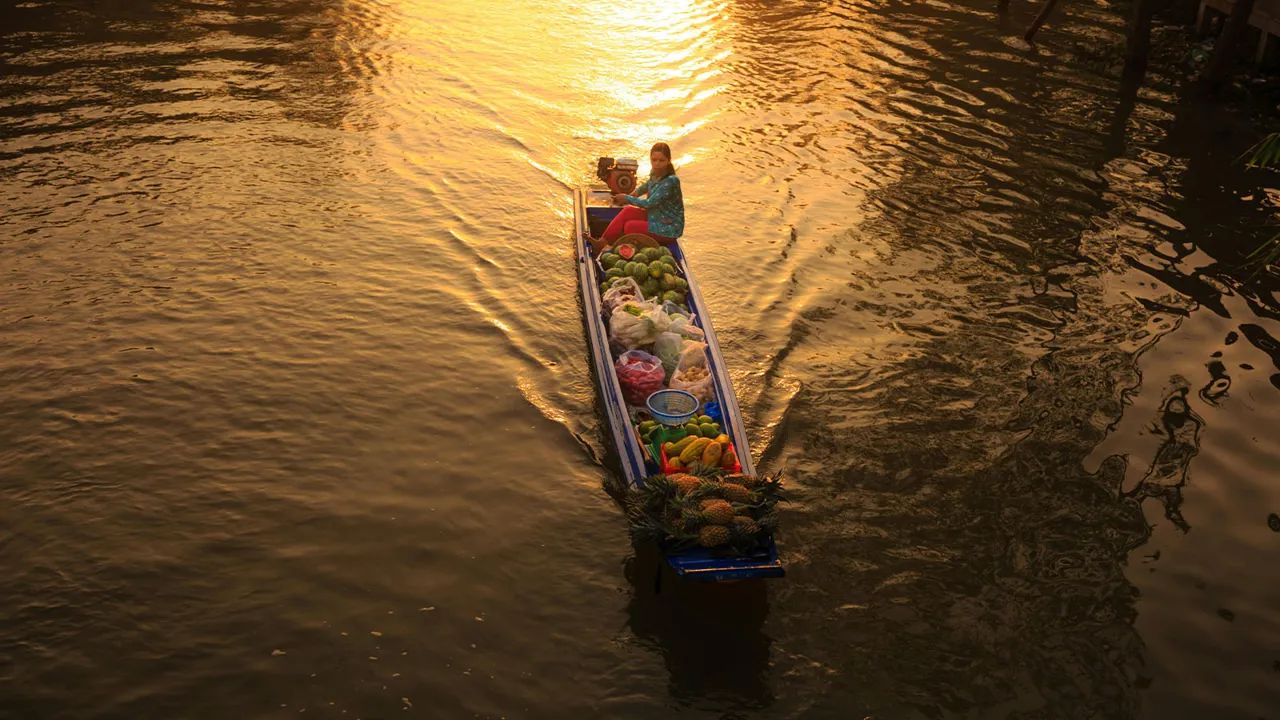
Vietnam Itinerary 2 Weeks
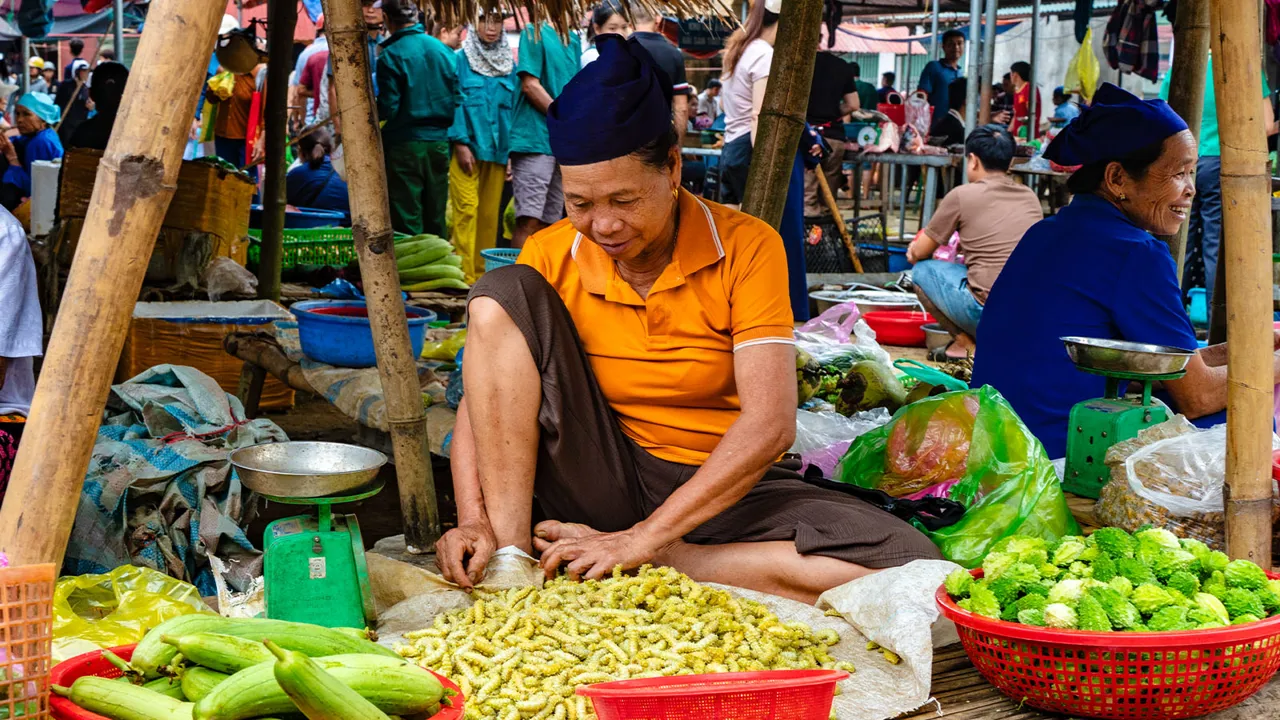
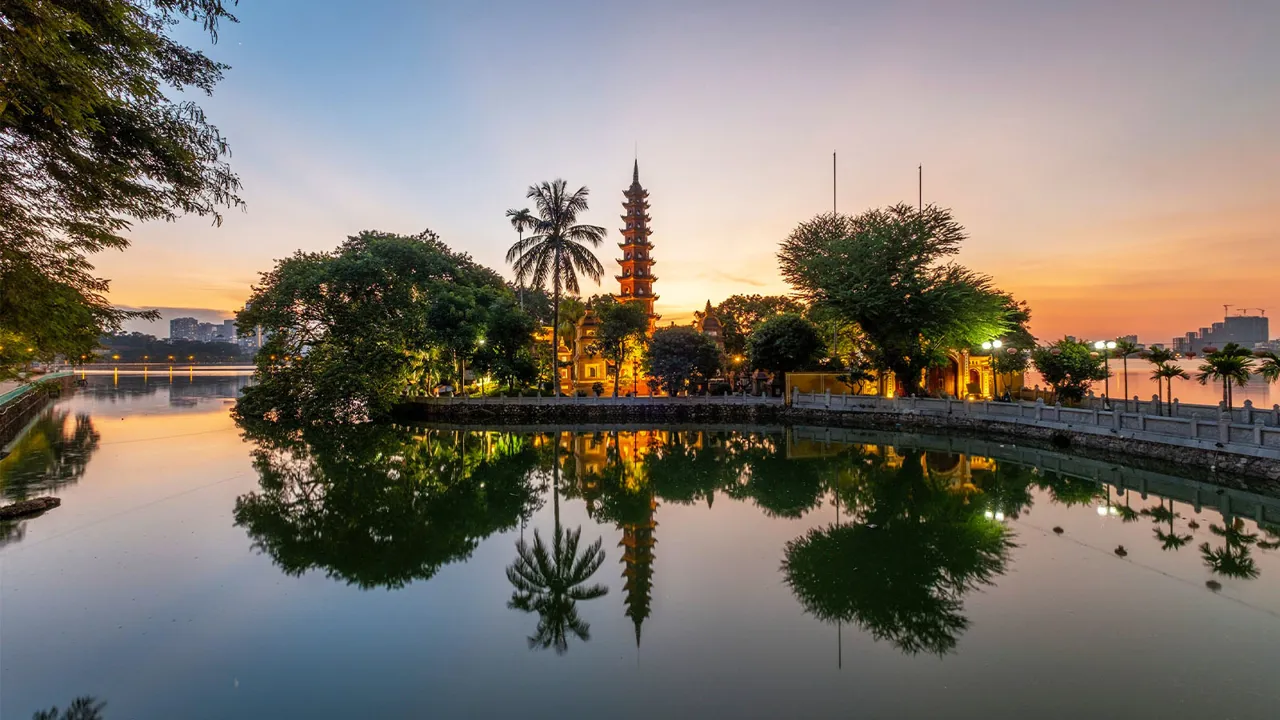
Hanoi - Ninh Binh - Lao Cai - Sapa - Muong Hum market - Ha Long Bay - Hue - Danang - Hoi An - Saigon - Mekong Delta - Cai Rang floating market - Departure

The Best of Ha Giang Trekking Tours
Discover Ha Giang on trekking tours where you live local life, enjoy breathtaking views and escape the crowded routes.

Vietnam and Laos 14 days
Saigon - My Tho - Da Nang- Hoian – Hue - Hanoi - Halong Bay - Vientiane Luang Prabang - Pak Ou – Khuang Si - Luang Prabang – Departure
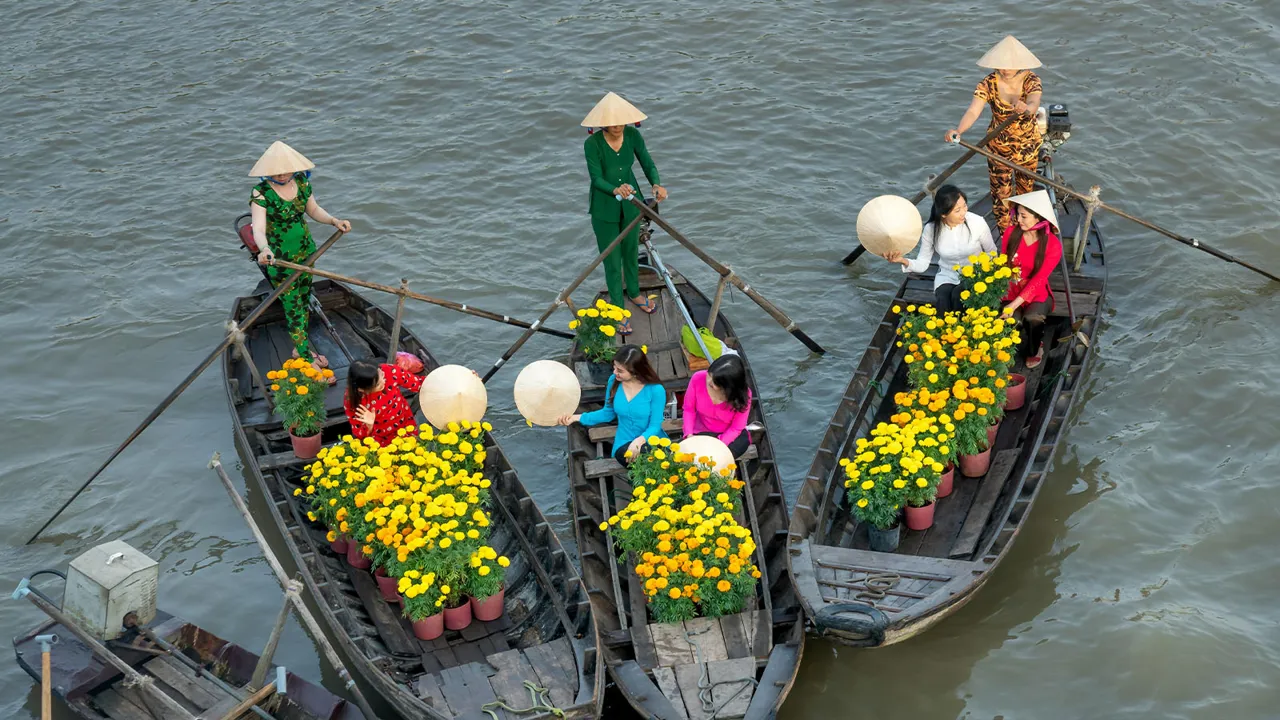
Vietnam Cambodia Itinerary 14 Days
Hanoi – Hoa Binh – Mai Chau – Ninh Binh – Halong bay – Hue - Danang – Hoian – Saigon – Ben Tre - Can Tho – Saigon - Siem Reap Angkor - Tonlé Sap - Siem Reap – Ta Prohm - Departure

Authentic Hoang Su Phi Trekking Tours
Hoang Su Phi trekking tours take you to stunning terraces, meet few tourists, connect with locals and enjoy authentic culture.

Honeymoon Tour Packages In Vietnam 12 Days
Saigon Arrival - City Tour – Mekong Delta – Danang – Hoian - by flight - Da Nang – Hanoi - by flight – Halong - overnight on junk – Departure
Are you interested in this tour?


Our testimonials
Whether it's a short or long tour, to discover must-see sites or to travel less-traveled paths, by car, junk, on foot, by bike or by motorbike... upon their return from their trip to Indochina, our clients tell us about their experiences. We thank them for entrusting us with the organization of their stay in Vietnam, Cambodia, Laos, Thailand and Myanmar!
Tailor-made trips to Vietnam
Are you a couple, a family, a group of friends? Are you planning a trip to Vietnam and/or Southeast Asia? Or maybe you want an individual, personalized trip, operated directly by a local agency? Perhaps you're thinking of a customized trip accompanied by a perfectly French-speaking guide and a private car with a professional driver... Are you the kind of traveler who likes to go where others don't? Our tailor-made tours adapt to your desires, your choices, your pace and your budget.... You decide, we create a trip that suits you!



Don't miss anything from Southeast Asia
The press talks about us




Comment
No comments yet. Be the first to leave a comment!