 Français
 Deutsch
 Italiano
 Português
 Español

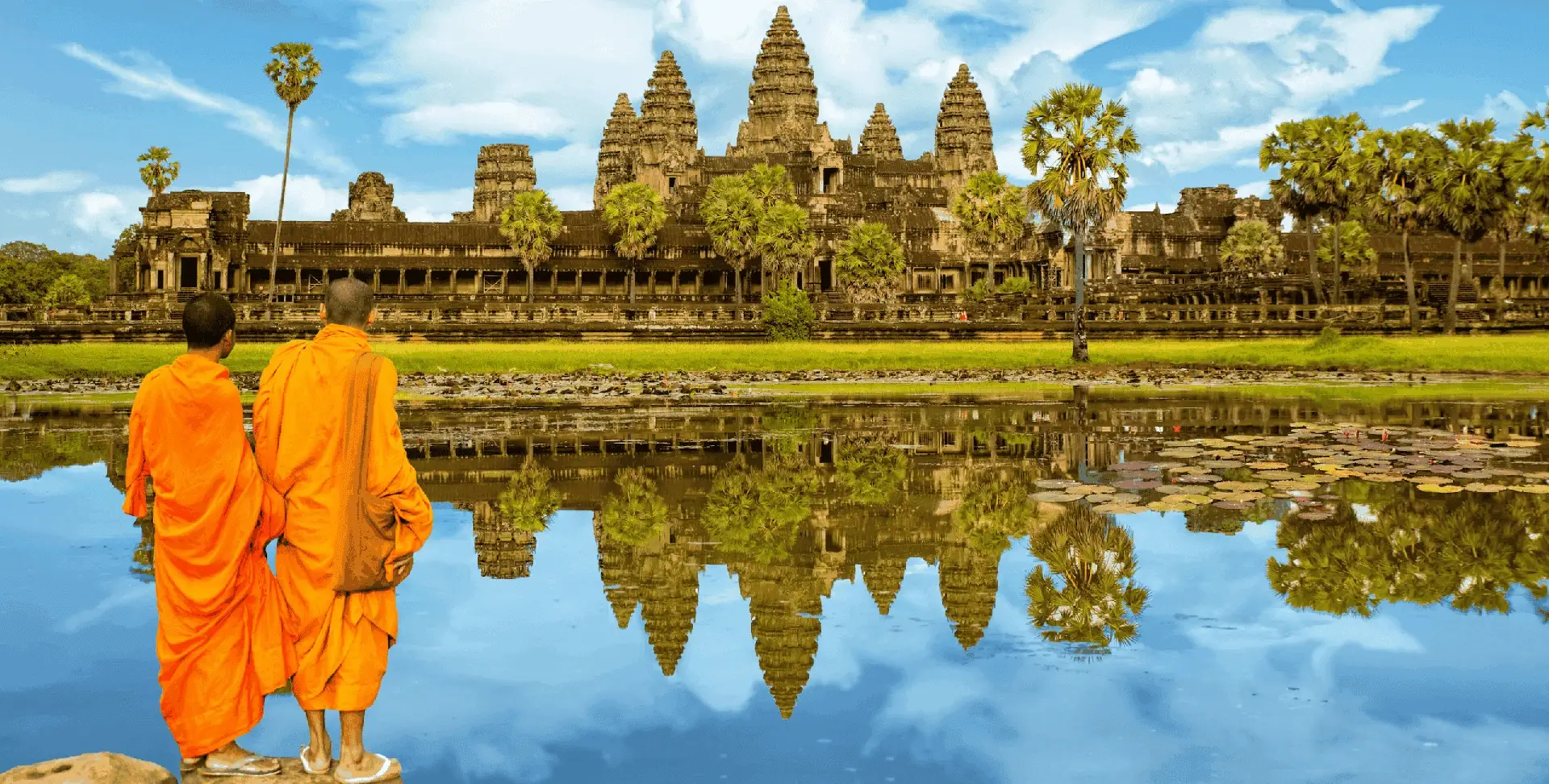
Ha Giang vs Cao Bang: Which Northern Vietnam Adventure Is Right For You?
Planning a Northern Vietnam adventure but can’t decide between Ha Giang and Cao Bang? Compare scenery, culture, crowds, safety, and loop tour to find the one that best matches.
Many travellers planning a Northern Vietnam itinerary eventually face the same dilemma: Ha Giang vs Cao Bang?
In recent years, this comparison has become one of the most hotly debated topics in Southeast Asian travel forums. For over a decade, the legendary Ha Giang Loop has reigned supreme as Vietnam’s ultimate frontier adventure—a rite of passage for backpackers and thrill-seekers looking for raw, gravity-defying landscapes.
However, northern Vietnam's travel dynamics are shifting rapidly. As Ha Giang experiences an unprecedented tourism boom, a growing number of independent travellers, photographers, and nature lovers are turning their gaze eastward. Enter Cao Bang. Home to the jaw-dropping Ban Gioc Waterfall and its own, far quieter Cao Bang Loop, this province is quickly becoming the go-to alternative for those seeking raw authenticity, serene valleys, and fewer crowds.
If you only have time for one epic journey on your upcoming trip to Vietnam, making the right choice between Ha Giang or Cao Bang is critical. They are fundamentally different travel experiences. This comprehensive, experience-driven Ha Giang and Cao Bang travel guide will break down the landscapes, road safety, cultural authenticity, and crowd levels to help you decide exactly which destination aligns with your personal travel style.
Quick Comparison: Ha Giang vs Cao Bang at a Glance
To give you an immediate snapshot for your decision-making, here is how these two powerhouse provinces stack up across key travel metrics:
|
Travel Metric |
Ha Giang |
Cao Bang |
|
Landscape Style |
Harsh, vertical limestone peaks; deep canyons; massive verticality. |
Soft limestone karsts; lush pastoral valleys; winding rivers and lakes. |
|
Signature Attraction |
Ma Pi Leng Pass & Nho Que River |
Ban Gioc Waterfall & Angel Eye Mountain |
|
Crowd Level |
High to Very High (especially on weekends/peak season) |
Low to Moderate (mainly local tourists at specific spots) |
|
Riding/Road Difficulty |
Advanced. Extremely steep passes, sharp switchbacks, high traffic. |
Moderate. Wider, gentler roads; smoother terrain; less traffic. |
|
Cultural Experiences |
Vibrant, highly visible ethnic markets; distinct stone-walled villages. |
Deeply integrated, authentic borderland communities; traditional crafts. |
|
Best For Photographers |
Epic scale, dramatic mountain vistas, and golden hour ridges. |
Postcard-perfect waterfalls, misty valleys, and traditional rural life. |
|
Best For Motorbike Riders |
Adrenaline purists looking for technical, challenging mountain roads. |
Slow-paced, scenic cruisers who want relaxed, open-road touring. |
|
Family Friendliness |
Low. Long, grueling drives; high safety risks for young children on bikes. |
Moderate to High. Accessible by private car/limousine; gentler pacing. |
|
Infrastructure |
Highly developed for tourists (hundreds of hostels, homestays, bars). |
Growing but still basic; authentic homestays and local guest houses. |
|
Travel Time from Hanoi |
6 to 7 hours by sleeper bus to Ha Giang City. |
6 to 7 hours by sleeper bus or limousine to Cao Bang City. |
Landscape and Scenery: Dramatic Verticality vs. Pastoral Eden
The choice between Ha Giang vs Cao Bang often comes down to what type of natural beauty makes your jaw drop. While both are dominated by spectacular limestone formations, their geological "personalities" could not be more distinct.
Ha Giang: The Epic, Gravity-Defying Fortress
Ha Giang is defined by its sheer, vertical scale. The core of the province is the Dong Van Karst Plateau Geopark, a UNESCO-protected landscape of dark, jagged limestone peaks that look like a frozen sea of stone. Here, the mountains do not just roll—they pierce the sky.
The defining visual experience of Ha Giang is standing on the edge of the Ma Pi Leng Pass, looking down thousands of feet into the emerald waters of the Nho Que River cutting through the Tu San Canyon. The roads are carved directly into the cliff faces, offering wide-open, sweeping vistas where trees are sparse and raw stone dominates. It feels otherworldly, intimidating, and endlessly dramatic.

Cao Bang: A Lush, Water-Rich Wonderland
In contrast, Cao Bang feels like an ancient, hidden Eden. Instead of continuous, harsh mountain walls, Cao Bang’s landscape consists of thousands of individual, green-cloaked limestone sugarloaf hills rising out of flat, intensely green agricultural basins.
Water is the soul of Cao Bang's scenery. The province is crisscrossed by the crystal-clear Quay Son River, which snakes through bamboo groves and rice paddies before culminating in the magnificent Ban Gioc Waterfall—the largest transnational waterfall in Asia.
Furthermore, unique geographical anomalies like Angel Eye Mountain (a karst peak with a massive, hollow circle pierced straight through its center) surrounded by vast, seasonal grasslands and step-lakes give Cao Bang a magical, fairytale quality.
The Verdict on Scenery: If you want raw, intimidating, high-altitude drama that makes you feel tiny against the earth, choose Ha Giang. If you prefer a diverse, poetic landscape of rushing water, hidden caves, fairy-tale mountains, and vibrant green valleys, Cao Bang wins.
Ha Giang Loop vs Cao Bang Loop: The Riding Experience
For many international travellers, the mode of transport is central to the trip. However, evaluating the Ha Giang Loop vs Cao Bang Loop requires an honest assessment of your driving skills and safety tolerances.
The Ha Giang Loop: A High-Adrenaline Technical Challenge
The standard Ha Giang Loop covers roughly 350 to 400 kilometers, typically completed in 3 to 4 days. It is widely considered one of the most exhilarating—and dangerous—drives in Southeast Asia.
-
Road Quality & Topography: The roads are narrow, characterized by a relentless sequence of hairpin turns, steep 10-15% gradients, and blind corners. While major sections are smoothly paved, rockslides, loose gravel, and sudden potholes are common.
-
Traffic Conditions: Highly congested. During peak months, you will share narrow mountain ledges with fleets of tourist motorbikes, local trucks, and massive sleeper buses overtaking on blind bends.
-
Safety Considerations: This is not the place to learn how to ride a semi-automatic or manual motorcycle. If you lack extensive riding experience, you should absolutely hire an Easy Rider (a professional local driver) so you can keep your eyes on the scenery rather than the edge of a cliff.

The Cao Bang Loop: The Art of the Relaxed Cruise
The Cao Bang Loop (often integrated with routes heading east from Lang Son or north via Ba Be Lake) offers a vastly different pace over its 300+ kilometer network.
-
Road Quality & Topography: Roads in Cao Bang (particularly National Route 4A and the highways out to Ban Gioc) are generally wider, have gentler gradients, and feature sweeping, predictable curves rather than terrifying switchbacks.
-
Traffic Conditions: Blissfully quiet. Outside of Cao Bang City, you will often find yourself completely alone on the asphalt, sharing the road only with an occasional water buffalo or local farmer.
-
Riding Experience: This route allows for a relaxed, meditative cruise. It is far more forgiving for confident beginners or intermediate riders who want to enjoy the sensation of riding through rural Vietnam without the white-knuckle stress of Ha Giang’s extreme traffic and drop-offs.
Which Destination Feels More Authentic?
As global tourism floods into Southeast Asia, finding genuine, uncommercialized culture is a priority for adventure travellers.
Ha Giang: Spectacular but Commercialized
Ha Giang is home to over 20 distinct ethnic minority groups, including the Hmong, Tay, and Dao. Their presence is beautifully visible in the brilliant textiles worn at weekly gatherings like the Meo Vac Market or the architectural heritage of the Dong Van Old Quarter.
However, the explosive popularity of the Ha Giang Loop has inevitably altered the local cultural fabric. Many traditional stilt houses have been converted into high-volume party hostels complete with neon lights, happy hour shots, and karaoke. While ethnic minority communities still farm the rocky slopes exactly as their ancestors did, a significant portion of your interactions along the main tourist trail will feel transactional.

Cao Bang: The Frontier of Undiscovered Authenticity
Many seasoned expats and independent travellers frequently remark that Cao Bang today feels like Ha Giang 10 years ago.
Because mass tourism has yet to establish a firm grip here, the cultural encounters in Cao Bang feel profoundly organic. Step into a homestay in the incense-making village of Phia Thap or a blacksmithing hamlet of the Nung people, and you are participating in local life, not a staged tourism product.
The homestays here are genuinely run by local families who welcome you into their daily routines. You will sit down to family dinners of wild mountain vegetables, smoked pork, and local corn wine out of genuine hospitality rather than a structured itinerary requirement.
Crowds and Overtourism: The Reality on the Ground
An honest Ha Giang travel guide must address the elephant in the room: the sheer volume of visitors. Thanks to viral social media videos, Ha Giang's peak season (September to November) sees thousands of bikes hit the loop daily.
During the peak months, the pure frontier magic of the loop can sometimes feel diluted by its own success. Pulling up to a famous viewpoint, you will likely find yourself sharing the rocky ledge with fifty other Easy Rider tour groups, all jockeying for the same photo angle. On the narrow mountain passes, the serene silence of nature is frequently replaced by the hum of slow-moving motorcycle convoys winding through the switchbacks. By nightfall, the province's popular homestays transform into high-energy hubs—fully booked weeks in advance, ringing with a lively party atmosphere, free-flowing happy water, and communal karaoke that lasts well into the evening.
If you enjoy a vibrant, social backpacker scene where you can ride with a group of 20 people by day and share stories over a cold Bia Hanoi at a hostel bar by night, Ha Giang’s energy is unmatched and incredibly fun.
Conversely, Cao Bang remains a sanctuary of quietude. At the famous Ban Gioc Waterfall, you will encounter domestic tour groups and Chinese tourists across the river border, but step away to Nguom Ngao Cave or the remote border roads of Phong Nam Valley, and the silence is absolute. It is a destination where you can still experience the profound peace of rural Asia without a selfie stick in sight.

Best Attractions in Each Destination
To help you map out what you will actually see, here are the non-negotiable, best places in Northern Vietnam spread across these two provinces:
The Highlights of Ha Giang
-
Ma Pi Leng Pass: The king of Vietnamese mountain passes, offering sweeping views of the 1,000-meter-deep Tu San Canyon.
-
Nho Que River Boat Trip: A steep descent down to the river basin allows you to take a boat or kayak directly through the towering stone walls of the canyon.
-
Lung Cu Flag Tower: The northernmost point of Vietnam, marking the sacred border with China, offering panoramic views of both nations.
-
Du Gia Village: A peaceful, green oasis tucked into a valley, famous for its refreshing natural waterfalls and laid-back homestay culture.

The Highlights of Cao Bang
-
Ban Gioc Waterfall: A magnificent, three-tiered cascade spanning over 300 meters wide, sitting directly on the border between Vietnam and China.
-
Nguom Ngao Cave: An immense, 2-kilometer-long underground cave system filled with breathtaking, surreal stalactite formations mimicking lotus flowers and trees.
-
Angel Eye Mountain (Nui Thung): A spectacular geological wonder featuring a massive 50-meter wide hole cutting completely through a karst peak, set in a peaceful valley of shifting seasonal lakes.
-
Pac Bo Historical Site: A deeply tranquil, forested valley featuring the crystal-clear Lenin Stream and Karl Marx Mountain, where President Ho Chi Minh lived in a cave in 1941 after returning from 30 years of exile.

Who Should Choose Ha Giang?
Ha Giang is an extraordinary destination, but it caters to a very specific travel profile. You should choose Ha Giang if you are an:
-
Adrenaline & Adventure Seeker: You crave the physical thrill of conquering some of the sharpest, highest mountain passes in the world.
-
Social & Solo Traveller: You want to make friends instantly. The Easy Rider tour ecosystem makes it incredibly easy to bond with fellow global backpackers.
-
First-Time Northern Vietnam Visitor: If you want your first taste of Vietnam's mountains to be as visually loud, dramatic, and impactful as possible, Ha Giang delivers that instant "wow" factor.
Who Should Choose Cao Bang?
Cao Bang rewards a more deliberate, independent style of exploration. You should choose Cao Bang if you are a:
-
Nature & Landscape Photographer: You prefer capturing compositionally rich landscapes of misty valleys, cascading waters, and traditional agrarian life without dodging crowds.
-
Slow & Independent Traveller: You value peace, solitude, and the ability to explore remote border lanes completely at your own pace.
-
Couple or Family: You prefer the safety and comfort of wide roads, quiet boutique eco-lodges, or tranquil homestays over party-centric hostels.
Can You Combine Ha Giang and Cao Bang?
If you have the time, you do not actually have to choose. Combining both provinces creates the ultimate Northern Vietnam itinerary—a true overland odyssey that showcases the full spectrum of the region's beauty.
To execute this successfully without burning out, you need a minimum of 7 to 8 days.

The Ultimate 7-Day Overland Route
-
Day 1-3: The Ha Giang Core: Depart Hanoi for Ha Giang City. Ride through Quan Ba, Yen Minh, and Dong Van. Conquer the Ma Pi Leng Pass.
-
Day 4: The Trans-Province Connection (Meo Vac to Cao Bang via Bao Lam): This is a long, grueling transition day. You will ride east out of Meo Vac along the gamely Route 34, following the river valleys down into Cao Bang province.
-
Day 5: Cao Bang City to Ban Gioc Waterfall: Cruise through the gorgeous, gentle karst valleys of Trung Khanh district to Ban Gioc.
-
Day 6: Exploring Hidden Cao Bang: Visit Nguom Ngao Cave and the stunning, ethereal landscapes of Angel Eye Mountain.
-
Day 7: Return to Hanoi: Take a comfortable morning limousine or sleeper bus from Cao Bang City back to the capital.
Final Verdict: Ha Giang or Cao Bang?
When the dust settles on the Ha Giang vs Cao Bang debate, your choice boils down to a simple preference of intensity versus serenity.
Use this quick final decision framework to lock in your booking:
|
If your travel priority is... |
Then your definitive choice is... |
|
Extreme mountain biking and jaw-dropping road drama |
Choose Ha Giang |
|
Majestic waterfalls, massive caves, and peaceful rivers |
Choose Cao Bang |
|
Meeting tons of other travellers and a lively evening social scene |
Choose Ha Giang |
|
Escaping the crowds to find authentic, untamed rural villages |
Choose Cao Bang |
|
Traveling comfortably in a private car or with young children |
Choose Cao Bang |
FAQ Section
Is Cao Bang better than Ha Giang?
Neither is objectively better; they simply offer different experiences. Ha Giang is superior for dramatic, towering mountain architecture and technical driving. Cao Bang is better for pristine water features, peaceful valleys, safety, and a lack of mass tourism.
Is the Cao Bang Loop easier than the Ha Giang Loop?
Yes, significantly. The roads in Cao Bang are wider, have gentler inclines, far fewer sharp switchbacks, and a fraction of the heavy tourist and industrial traffic found in Ha Giang.
How many days do I need for Cao Bang?
To comfortably see the main sights—including Ban Gioc Waterfall, Nguom Ngao Cave, and Angel Eye Mountain—you need a minimum of 3 days and 2 nights starting from Cao Bang City.
Can beginners do the Ha Giang Loop?
It is highly discouraged for absolute beginners to ride their own semi-automatic or manual bikes on the Ha Giang Loop due to the steep drop-offs, sharp bends, and heavy traffic. Hiring an Easy Rider is the safest and most rewarding way for beginners to experience the loop.
Which destination is less crowded?
Cao Bang is vastly less crowded than Ha Giang. While Ha Giang can feel overwhelmed with motorcycle convoys during peak season, Cao Bang’s attractions and roads remain quiet, peaceful, and largely undiscovered by mass international tourism.
Which is better for photography?
Ha Giang is unparalleled for epic, vast scale and dramatic mountain vistas. However, Cao Bang offers a wider variety of subjects for your lens, including majestic waterfalls, misty bamboo rivers, immense caves, and authentic, unposed portraits of local rural life.
Ready to plan your Northern Vietnam adventure? Select a deep-dive guide below:
>>> Map of Ha Giang: Vietnam’s Northern Frontier of Surreal Beauty and Raw Adventure
>>> Map of Cao Bang: Your essential travel guide to the majestic borderland

Thuy Nguyen is a passionate travel blogger and storyteller who has spent years exploring the hidden corners of Vietnam and Southeast Asia. With a love for authentic experiences, she writes about local life, culture, and off-the-beaten-path adventures. Through her words, Anh invites readers to travel deeper, connect with people, and find beauty in every journey — whether it’s a quiet sunrise in Hoi An or a mountain trail in Ha Giang.
Send us your comments about : Ha Giang vs Cao Bang: Which Northern Vietnam Adventure Is Right For You?
Required fields*
You may also like
You may also like

Beyond Da Nang: 10 Authentic Places to Discover in Central Vietnam
Discover the best hidden gems and authentic places in Central Vietnam beyond Da Nang, Hoi An, and Hue, from untouched landscapes and local culture to off-the-beaten-path experiences.

Vietnamese Donut (Bánh Rán): A Must-Try Street Food Snack in Vietnam
Discover Bánh Rán, Vietnam’s beloved donut. Learn about sweet and savory varieties, cultural origins, prices, ingredients, and where to find the best street vendors across Vietnam.

Hai Van Pass: Vietnam’s Most Spectacular Coastal Mountain Road
Plan your ultimate Hai Van Pass adventure. Discover how to visit by motorcycle, train, or private car, plus top viewpoints, history, scenic stops, and essential safety tips.
Travel ideas
Need some inspiration? Discover some of the best tours in Vietnam, which are highly appreciated by our clients. An excellent starting point to help you choose the right trip to Vietnam, Laos, Cambodia, Burma or Thailand, whether you are traveling alone, as a couple, as a family or with friends.
And because this trip is yours, feel free to customize it as you wish!
Vietnam Itinerary 2 Weeks
Hanoi - Ninh Binh - Lao Cai - Sapa - Muong Hum market - Ha Long Bay - Hue - Danang - Hoi An - Saigon - Mekong Delta - Cai Rang floating market - Departure

The Best of Ha Giang Trekking Tours
Discover Ha Giang on trekking tours where you live local life, enjoy breathtaking views and escape the crowded routes.

Vietnam and Laos 14 days
Saigon - My Tho - Da Nang- Hoian – Hue - Hanoi - Halong Bay - Vientiane Luang Prabang - Pak Ou – Khuang Si - Luang Prabang – Departure
Vietnam Cambodia Itinerary 14 Days
Hanoi – Hoa Binh – Mai Chau – Ninh Binh – Halong bay – Hue - Danang – Hoian – Saigon – Ben Tre - Can Tho – Saigon - Siem Reap Angkor - Tonlé Sap - Siem Reap – Ta Prohm - Departure

Authentic Hoang Su Phi Trekking Tours
Hoang Su Phi trekking tours take you to stunning terraces, meet few tourists, connect with locals and enjoy authentic culture.

Honeymoon Tour Packages In Vietnam 12 Days
Saigon Arrival - City Tour – Mekong Delta – Danang – Hoian - by flight - Da Nang – Hanoi - by flight – Halong - overnight on junk – Departure
Are you interested in this tour?


Our testimonials
Whether it's a short or long tour, to discover must-see sites or to travel less-traveled paths, by car, junk, on foot, by bike or by motorbike... upon their return from their trip to Indochina, our clients tell us about their experiences. We thank them for entrusting us with the organization of their stay in Vietnam, Cambodia, Laos, Thailand and Myanmar!
Tailor-made trips to Vietnam
Are you a couple, a family, a group of friends? Are you planning a trip to Vietnam and/or Southeast Asia? Or maybe you want an individual, personalized trip, operated directly by a local agency? Perhaps you're thinking of a customized trip accompanied by a perfectly French-speaking guide and a private car with a professional driver... Are you the kind of traveler who likes to go where others don't? Our tailor-made tours adapt to your desires, your choices, your pace and your budget.... You decide, we create a trip that suits you!

Don't miss anything from Southeast Asia
The press talks about us




Comment
No comments yet. Be the first to leave a comment!