 Français
 Deutsch
 Italiano
 Português
 Español

15 Days Vietnam and Angkor Tour: An Unforgettable Journey Through Vietnam and Cambodia
Planning a trip to Vietnam? Go beyond Pho and Banh Mi with our ultimate street food guide. Discover 15 must-try traditional Vietnamese snacks and authentic local food culture tips.
Southeast Asia is a region where history is carved into ancient stone, rivers dictate the rhythm of daily life, and the aroma of sizzling street food fills the morning air. For international travelers planning their first venture into this vibrant corner of the world, selecting the ideal route can feel overwhelming. How do you balance the must-see monuments with those quiet, authentic moments that truly define a journey?
The answer lies in combining two of the region's most captivating countries. A 15 days Vietnam and Angkor tour offers a seamless, deeply enriching narrative that spans from the emerald peaks of northern Vietnam down through the liquid landscapes of the Mekong Delta, culminating in the monumental stone temples of Cambodia. This carefully curated Vietnam and Cambodia itinerary is specifically designed for discerning travelers from Europe, Australia, Canada, the UK, and the US who seek more than just a checklist of tourist sights.
Designed for lovers of history, local cuisine, UNESCO World Heritage sites, and meaningful cultural encounters, this comprehensive Vietnam Cambodia tour package prioritizes a "slow travel" philosophy. Instead of rushing through airport terminals every other day, you will experience a balanced mix of private transport, scenic train rides, and overnight cruises. This approach gives you the time to connect with local artisans, explore hidden temple ruins far from the crowds, and savor regional delicacies.
Trip Overview: 15-Day Indochina Highlights
|
Parameter |
Tour Details |
|
Duration |
15 Days / 14 Nights |
|
Destinations |
Hanoi → Ninh Binh → Lan Ha Bay → Hue → Hoi An → Siem Reap (Angkor) → Ho Chi Minh City → Mekong Delta (Tra Vinh & Can Tho) |
|
Best For |
First-time visitors, cultural enthusiasts, couples, families, and active seniors seeking a premium, immersive experience. |
|
Accommodation |
Handpicked 4-star and 5-star boutique hotels, an eco-lodge in the Mekong Delta, and a luxury traditional wooden junk boat. |
|
Transportation |
Private air-conditioned vehicles, domestic flights, a traditional overnight train, wooden sampans, and bicycles. |
|
Highlights |
Hanoi artisan villages, a quieter Lan Ha Bay cruise, Ninh Binh countryside, Hue Imperial Citadel, Hoi An lantern streets, Angkor Wat at sunrise, hidden Angkorian temples, and an authentic Mekong Delta tour. |
|
Meals |
Daily breakfast, selected regional lunches, and specialty dinners featuring authentic Vietnamese, Khmer, and fusion cuisine. |
|
Difficulty |
Easy to Moderate (Includes light walking, temple stair-climbing, and optional countryside cycling). |
|
Best Travel Season |
October to April (Cooler, drier months across both Vietnam and Cambodia). |
Why Choose This 15 Days Vietnam and Angkor Tour?
When searching for the best Vietnam Cambodia tour, travelers often encounter itineraries that try to cover too much ground too quickly. The result is "travel burnout"—a blur of hotel lobbies and hurried photo stops. This 15 day Vietnam itinerary and Cambodia extension stands apart by offering an intentionally balanced pace.
A Perfectly Balanced Pace: By dedicating fifteen days to this specific geographical corridor, the route eliminates unnecessary domestic flights and instead utilizes scenic overland transfers. You will spend less time packing suitcases and more time absorbing the changing landscapes outside your window.
Immersive Cultural Discoveries: Beyond the major icons, this itinerary introduces you to living history. You will walk through historic Vietnam artisan villages that have preserved their crafts for a thousand years, share tea with Buddhist monks in Hue, and learn the secrets of organic farming from families in Hoi An.
A Focus on Lesser-Known Gems: While we include legendary sites like Angkor Wat, we also divert from the well-trodden path. You will cruise the pristine, uncrowded waters of Lan Ha Bay rather than the congested routes of Halong Bay, explore the quiet waterways of the Van Long Nature Reserve, and venture deep into the Khmer-influenced villages of Tra Vinh in the Mekong Delta.
Expert Guidance and Seamless Logistics: Navigating two countries with distinct languages, visa requirements, and currencies requires flawless execution. This Indochina tour 15 days includes dedicated local guides who don't just recite dates and facts; they share personal stories, introduce you to their favorite street food vendors, and bridge the gap between traveler and local culture.
15 Days Vietnam and Cambodia Itinerary
Day 1 – Arrival in Hanoi: The Journey Begins
Welcome to Hanoi, the soulful, thousand-year-old capital of Vietnam. Upon stepping off your flight at Noi Bai International Airport, your private driver and English-speaking guide will welcome you and transfer you to your boutique hotel in the heart of the city. Take time to relax, refresh, and prepare for your cultural adventure.
Hanoi is a sensory masterpiece where ancient Asian traditions fuse beautifully with French colonial architecture. In the afternoon, a leisurely walking tour introduces you to the labyrinthine streets of the historic Old Quarter. This neighborhood is a living museum, with its "36 Streets" originally named after the specific guilds that traded there centuries ago—from silver and silk to paper and spices.
As the late afternoon sun casts a golden glow over the city, you will stroll along the willow-fringed shores of Hoan Kiem Lake (Lake of the Restored Sword). Cross the iconic scarlet Huc Bridge to visit Ngoc Son Temple, situated on a peaceful islet. This site honors Saint Van Xuong, the patron saint of intellectuals, and the 13th-century military hero Tran Hung Dao.
From here, your guide will lead you to the Temple of Literature, built in 1070 and dedicated to Confucius. As Vietnam’s first national university, its quiet courtyards, ancient turtle stelae, and manicured gardens offer a profound look into the country's deep-rooted respect for education and scholarly achievement.
-
Highlights: Walking through the vibrant Old Quarter, photographing Hoan Kiem Lake, and exploring the historic pavilions of the Temple of Literature.
-
Local Food Suggestions: Indulge in an authentic welcome lunch of Cha Ca Thang Long—tender chunks of white fish marinated in turmeric and galangal, grilled tableside with generous heaps of fresh dill and scallions, served over rice vermicelli.
-
Practical Travel Tips: Hanoi's traffic can appear chaotic at first glance. When crossing the street, maintain a slow, steady walking pace; motorists will predictably calculate your trajectory and smoothly navigate around you.

Day 2 – Traditional Craft Villages around Hanoi: Living Heritage
Escape the urban bustle for a full-day exploration of rural life and historic craftsmanship. Today, you will venture into the fertile Red River Delta to visit iconic Vietnam artisan villages, uncovering centuries of artistic heritage that continue to thrive in the modern world.
Your morning begins with a short drive to Bat Trang Ceramic Village, a settlement that has produced fine porcelain and pottery since the 14th century. Walking through its narrow alleys, you will watch master artisans throw clay on traditional kick-wheels and paint intricate motifs by hand. You will even have the chance to sit down at a wheel yourself, feeling the cool clay shape under the guidance of a local potter.
Next, travel to the mesmerizing village of Quang Phu Cau, globally renowned for its traditional incense making. Here, courtyards and open communal spaces are transformed into sea-like expansions of brilliant crimson, magenta, and yellow as thousands of split-bamboo incense bundles are laid out to dry in symmetrical rosettes. This is a profound cultural encounter, as incense serves as the primary spiritual bridge connecting the Vietnamese people to their ancestors.
In the afternoon, your journey continues to Van Phuc Silk Village, the oldest continuously operating silk-weaving village in Vietnam. Here, the rhythmic clack of mechanical and traditional looms fills the air. You will learn about the complex multi-step process of transforming silkworm cocoons into luxurious, shimmering fabrics, and discover the distinctive Van Silk, which keeps the wearer cool in summer and warm in winter.
-
Highlights: Trying your hand at the pottery wheel in Bat Trang, photographing the stunning incense fields of Quang Phu Cau, and feeling raw silk fabrics in Van Phuc.
-
Local Food Suggestions: Stop at a rustic village eatery to try Bun Cha—smoky charcoal-grilled pork patties and belly slices swimming in a warm, tangy fish sauce broth, accompanied by mounds of fresh herbs and garlic.
-
Practical Travel Tips: Bring extra memory cards or clear storage space on your smartphone for today; the contrasting colors at the incense village offer some of the most striking photographic opportunities of the entire trip.

Day 3 – Ninh Binh: Vietnam’s Inland Halong Bay
Travel two hours south of Hanoi to Ninh Binh province, an area celebrated for its dramatic karst topography, sweeping emerald rice fields, and deep historical significance. Today, you will trade the standard tourist routes for the serene waters of a protected wetland.
Your first destination is the Van Long Nature Reserve, the largest wetland reserve in the Red River Delta. While many tours visit the more crowded Tam Coc or Trang An, this Vietnam cultural tour prioritizes Van Long because of its pristine, untouched environment. Board a traditional bamboo sampan rowed by a local villager.
As the boat glides across the mirror-like water, you will float through towering limestone cliffs that rise vertically from the marshlands. Van Long is remarkably quiet; the only sounds are the dip of the wooden oars and the calls of exotic birds. If luck is on your side, you may spot the critically endangered Delacour’s langur—a rare primate with distinctive white markings—clinging to the rocky cliffside.
After your cruise, step onto a bicycle for a gentle, scenic ride along quiet rural paths. You will pedal past grazing water buffaloes, small family farms, and ancient limestone caves, eventually arriving at the striking Bich Dong Pagoda. Built into a cliffside in 1428, this three-tiered cave temple requires a short walk up stone steps, rewarding you with panoramic views over the lotus ponds and surrounding valleys.
End your afternoon at Thai Vi Temple, nestled deep within the karsts, before stopping briefly at the nearby Van Lam embroidery village, where local artisans create delicate lace and needlework using techniques passed down through generations.
-
Highlights: A peaceful, uncrowded sampan cruise through Van Long, cycling past rural villages, and climbing the ancient stone steps of Bich Dong Pagoda.
-
Local Food Suggestions: Ninh Binh is famous for Com Chay (crispy, sun-dried rice crust topped with savory shredded pork) and tender, locally raised goat meat sautéed with lemongrass and sesame seeds.
-
Practical Travel Tips: Wear comfortable, closed-toe walking shoes or sneakers suitable for both cycling and climbing the occasionally damp, uneven stone stairs at the pagoda.

Day 4 – Lan Ha Bay Cruise: Sailing the Serene Emerald Waters
Depart Ninh Binh and head toward the coast to experience one of Southeast Asia's greatest natural wonders. Today, you will embark on a premium overnight Lan Ha Bay cruise, exploring an exceptionally beautiful, peaceful alternative to neighboring Halong Bay.
While Halong Bay is universally famous, it often suffers from heavy maritime traffic. Lan Ha Bay, located just south of its famous neighbor, shares the exact same geological ecosystem—thousands of towering limestone karsts emerging from a calm, turquoise sea—but sees a fraction of the cruise boats. This makes it an ideal choice for travelers seeking a slower, more contemplative experience.
Step aboard your luxury wooden junk boat, where you will be greeted by the hospitable crew and checked into your private, ocean-view cabin. As the vessel anchors and sets sail, enjoy a sumptuous lunch featuring fresh, locally caught seafood while panoramic vistas of stone islets glide past your windows.
In the afternoon, drop anchor near a secluded lagoon. Slip into a kayak or board a bamboo boat to navigate through hidden sea caves and floating fishing villages, where families have lived on the water for generations. Return to the ship's sundeck in time to witness a spectacular sunset over the Gulf of Tonkin. As evening falls, join the ship's executive chef for a fun, interactive Vietnamese cooking class on deck, learning to roll fresh summer rolls before sitting down to a multi-course gourmet dinner under the stars.
-
Highlights: Exploring hidden lagoons by kayak, relaxing on a premium cruise ship, and enjoying a scenic sunset cooking demonstration at sea.
-
Local Food Suggestions: Savor grilled sweet oysters topped with scallion oil and crushed peanuts, paired with fresh squid steamed with ginger and lemongrass.
-
Practical Travel Tips: Pack a small overnight daypack with a swimsuit, change of clothes, sunscreen, and essential toiletries. You can leave your large luggage safely stored in the tour vehicle or cruise terminal holding area.

Day 5 – Lan Ha Bay to Hue: Journey to the Royal Capital
Awaken to the gentle rocking of the bay. After a morning spent exploring hidden caves, you will travel back to Hanoi to board a classic overnight train bound for the historic imperial capital of Hue.Begin your day on the sundeck with a refreshing, guided Tai Chi session as the morning mist clears from the limestone peaks. After a light breakfast, board a bamboo boat to explore the Dark & Bright Cave, a dramatic tidal cavern that opens up into a completely enclosed, serene internal lake surrounded by sheer rock walls.
Return to the main cruise ship for a hearty brunch as the captain navigates back to the harbor. Disembarking around midday, your private driver will meet you for the return journey to Hanoi.
In the evening, you will arrive at the historic Hanoi Railway Station to board the Unified Express overnight train to Hue. For your comfort, we reserve private, air-conditioned four-berth cabins (which can be booked exclusively for couples or solo travelers upon request). Traveling by train is an authentic, nostalgic element of an English guided Vietnam tour. It allows you to watch the twinkling lights of rural towns pass by and experience a classic mode of Vietnamese travel.
-
Highlights: Morning Tai Chi on the open bay, exploring the Dark & Bright Cave, and settling into your overnight train cabin.
-
Local Food Suggestions: Before boarding the train, enjoy a comforting, hot bowl of Phở Bò (aromatic beef noodle soup) from an established, family-run noodle shop in Hanoi.
-
Practical Travel Tips: While clean bedding is provided on the train, we suggest packing a light travel sheet, earplugs, an eye mask, and a portable power bank for an exceptionally comfortable night's sleep.

Day 6 – Hue Imperial City: Reliving the Nguyen Dynasty
Arrive in Hue in the morning. This UNESCO World Heritage city served as the political, cultural, and religious capital of Vietnam from 1802 to 1945 under the thirteen emperors of the Nguyen Dynasty. Today is dedicated to exploring its regal palaces, ancient tombs, and deep Buddhist roots.
After checking into your hotel and enjoying a fresh breakfast, your exploration begins with a cruise along the peaceful Perfume River on a traditional dragon boat. Disembark at the seven-story Thien Mu Pagoda, an iconic symbol of Hue built in 1601 that overlooks the river.
Next, head inland to visit the quiet, forested grounds of Tu Hieu Pagoda, a unique monastery supported by the royal eunuchs of the imperial court. It remains an active temple where you can often hear the soothing chant of resident monks during afternoon prayers.
In the afternoon, step inside the massive stone walls of the Imperial Citadel. Modelled after the Forbidden City in Beijing, this sprawling complex contains temples, royal theaters, and the private living quarters of the imperial family. Though portions were damaged during past conflicts, ongoing restoration efforts have beautifully revived major structures like the Noon Gate, the Thai Hoa Palace, and the royal reading pavilions.
Conclude your day with a drive to the expansive Tam Giang Lagoon. As the sun begins to set, the shallow waters turn a soft purple and pink. Watch local fishermen check their elaborate net traps from narrow wooden wooden skiffs.
-
Highlights: A scenic dragon boat cruise on the Perfume River, walking through the grand gates of the Imperial Citadel, and watching the sunset over Tam Giang Lagoon.
-
Local Food Suggestions: Hue cuisine is famous for its intricate, bite-sized imperial dishes. Try Bun Bo Hue (a hearty, spicy beef noodle soup infused with lemongrass and shrimp paste) and Banh Beo(steamed savory rice cakes served in tiny ceramic saucers).
-
Practical Travel Tips: The Imperial Citadel is expansive and offers little shade. Bring a wide-brimmed hat, an umbrella for sun protection, and a refillable water bottle to stay hydrated during your walking tour.

Day 7 – Hai Van Pass to Hoi An: Crossing the Scenic Divide
Embark on one of the most stunning coastal drives in Asia. Today, you will travel south from Hue over the dramatic Hai Van Pass to reach the wonderfully preserved riverside town of Hoi An.
Your overland journey begins with a stop along the sweeping shores of Lang Co Bay, a crescent of golden sand bordered by a turquoise lagoon. From here, the road begins its winding ascent up the legendary Hai Van Pass (Ocean Cloud Pass). Climbing to an altitude of nearly $500\text{ meters}$ above sea level, this mountain road offers breathtaking coastal views where green jungle-clad mountains slide directly into the East Vietnam Sea.
After descending the pass, you will drive through Danang, stopping briefly at the Marble Mountains—a cluster of five limestone hills named after the five elements, filled with hidden grottoes, Buddhist shrines, and viewpoints.
By mid-afternoon, you will arrive in Hoi An Ancient Town, a remarkably preserved 15th-to-19th-century international trading port. Because the town was spared from modern development, walking its car-free streets feels like stepping back in time.
Your guide will lead you on an afternoon walking tour to admire the golden-yellow merchant houses, the iconic 400-year-old Japanese Covered Bridge (guarded by stone statues of dogs and monkeys), and the ornate Chinese Assembly Halls. As dusk falls, the entire town turns off its modern electrical lights and illuminates thousands of colorful, hand-crafted silk lanterns, casting a soft glow over the Thu Bon River.
-
Highlights: Photographing the sweeping vistas from the summit of the Hai Van Pass, crossing the Japanese Covered Bridge, and walking through the lantern-lit streets of Hoi An.
-
Local Food Suggestions: Taste local specialties unique to the town, such as Cao Lau (thick rice noodles topped with sliced barbecue pork, fresh greens, and crispy croutons, tossed in a rich broth made with local well water) and White Rose Dumplings (translucent shrimp dumplings shaped like flowers).
-
Practical Travel Tips: Hoi An is highly regarded for its talented, rapid tailoring shops. If you wish to have a custom-made suit, dress, or leather shoes crafted, visit a reputable shop on your first afternoon to allow ample time for fittings.

Day 8 – Tra Que Vegetable Village: Roots in the Earth
Immerse yourself in the local agrarian lifestyle with a refreshing visit to a nearby organic farming community, followed by a free afternoon to relax at your own pace or visit the nearby coastline.
Put on your sun hat and hop on a bicycle for a short, flat ride through the countryside to Tra Que Vegetable Village. Situated on a fertile peninsula between the De Vong River and the Tra Que algae pond, this community grows a wide variety of aromatic herbs and vegetables without chemical fertilizers. Instead, farmers use a nutrient-rich seaweed harvested daily from the local lagoon.
Upon arrival, you will be welcomed by a local family with a refreshing glass of herbal tea. Change into traditional farming attire and step into the fields. A local farmer will demonstrate how to rake the soil, plant delicate seedlings, and water the rows using two traditional wooden watering cans balanced across your shoulders.
After working in the fields, enjoy a soothing herbal foot massage to relax your muscles. Next, gather in an open-air kitchen for an intimate cooking class with the family. You will learn to prepare regional classics, including Banh Xeo—a crispy, savory rice flour crepe packed with pork, shrimp, and bean sprouts.
Enjoy the fruits of your labor for lunch before cycling back to Hoi An. The afternoon is entirely yours to explore. You may choose to browse the local artisan boutiques, relax at a riverside café, or cycle down to the sandy shores of An Bang Beach for a relaxing dip in the sea.
-
Highlights: Learning traditional farming methods in Tra Que, enjoying a relaxing herbal foot soak, and cooking lunch alongside a local family.
-
Local Food Suggestions: Try Com Ga Hoi An (seasoned shredded chicken served over fragrant rice cooked in chicken broth and turmeric, topped with fresh herbs and sliced onions).
-
Practical Travel Tips: If you prefer not to cycle, please let your guide know in advance; a comfortable private vehicle transfer can easily be arranged for all activities.

Day 9 – Fly to Siem Reap: Welcome to the Kingdom of Wonder
Bid farewell to Vietnam as you board a direct flight to Siem Reap, Cambodia—the gateway to the magnificent archeological complex of the ancient Khmer Empire.
Following an early breakfast, your driver will transfer you to Danang International Airport for your short, direct flight to Siem Reap. Upon arrival in Cambodia, your local Khmer guide and driver will meet you to assist with your bags and transfer you to your boutique resort.
Siem Reap is a welcoming, vibrant town that beautifully balances historical preservation with contemporary Khmer hospitality. Spend your afternoon unpacking, relaxing by the pool, and acclimating to the warm Cambodian climate.
In the evening, your guide will introduce you to the town's lively center. Take a casual stroll along the riverfront, visit the bustling Angkor Night Market to browse hand-woven silks and silver jewelry, or explore the lively paths of Pub Street. For a more relaxed evening, find a quiet restaurant to enjoy a traditional cultural performance, such as an elegant Apsara dance show, where classical performers retell ancient Hindu epics through graceful, stylized hand gestures.
-
Highlights: A smooth international flight, checking into your Siem Reap resort, and enjoying a relaxing evening orientation walk.
-
Local Food Suggestions: Try a traditional Cambodian Fish Amok—a mild, fragrant curry made with fresh lake fish, coconut milk, lemongrass, kaffir lime leaves, and galangal, gently steamed to a custard-like consistency inside a banana leaf cup.
-
Practical Travel Tips: Travelers from most Western countries can easily obtain a Cambodian Visa on Arrival at the airport. Ensure you have a pristine, crisp $30\text{ USD}$ bill and two passport-sized photographs ready for processing.

Day 10 – Lesser-Known Temples of Angkor: Hidden Ruins
Begin your deep dive into the Angkor archeological zone by exploring its lesser-known, atmospheric forest temples. This strategic itinerary helps you appreciate the evolution of Khmer architecture while steering clear of the mid-day tourist crowds.
Your morning begins with a drive through rural villages and emerald rice paddies to the exquisite temple of Banteay Srei (Citadel of the Women). Built in the late 10th century and constructed almost entirely of pinkish sandstone, this small temple features some of the finest, most intricate stone carvings in the world. The reliefs depicting epic Hindu scenes are so exceptionally detailed that 19th-century French explorers believed women must have carved them.
On the return route, stop at Banteay Samre, a larger, wonderfully restored temple that sees very few visitors. Its long stone galleries and peaceful courtyards offer an excellent opportunity for quiet contemplation.
In the afternoon, head into the jungle to explore Ta Prohm, famously known as the "Tomb Raider Temple." Left largely as it was discovered by French archaeologists in the 19th century, Ta Prohm is a striking example of nature reclaiming stone. Massive silk-cotton and strangler fig trees grow directly out of the collapsed roofs and stone galleries, their thick roots wrapping around the ancient lintels like giant wooden tentacles.
Conclude your exploration with brief stops at the neighboring Prasat Kravan, with its unique brick reliefs, the grand royal reservoir of Srah Srang, and the atmospheric corridors of Banteay Kdei, Thommanon, and Chau Say Tevoda.
-
Highlights: Examining the fine pink sandstone reliefs of Banteay Srei, exploring the iconic jungle-choked ruins of Ta Prohm, and enjoying the tranquility of Banteay Samre.
-
Local Food Suggestions: Enjoy a midday meal at a countryside café, trying Beef Lok Lak—tender stir-fried beef slices served over fresh lettuce, tomatoes, and red onions, accompanied by a tangy dipping sauce made of lime juice, sea salt, and Kampot black pepper.
-
Practical Travel Tips: The Angkor Archeological Park enforces a respectful dress code. Both men and women must ensure their shoulders and knees are fully covered; lightweight linen trousers and short-sleeved shirts are ideal choices.

Day 11 – Angkor Thom & Angkor Wat: The Crown Jewels
Today stands as the centerpiece of your Cambodia temple tour. Awaken before dawn to witness the sunrise over the iconic towers of Angkor Wat, followed by an in-depth exploration of the colossal walled city of Angkor Thom.
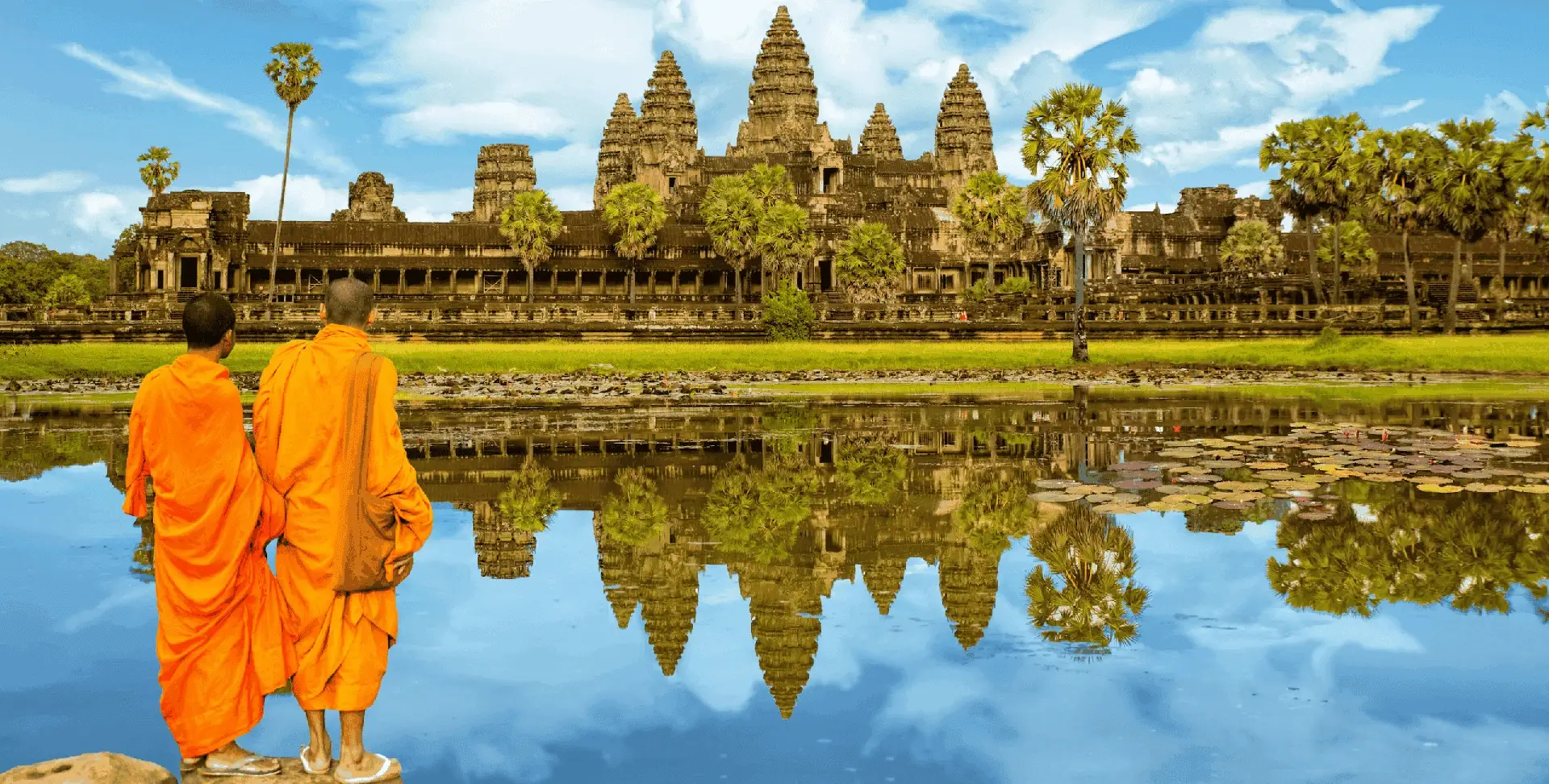
Your day begins in the quiet pre-dawn hours as you travel to Angkor Wat, the largest religious monument in the world. Stand along the edge of the reflecting lotus pond and watch the sky transform from deep indigo to hues of violet, orange, and gold behind the temple's iconic five lotus towers. This is a bucket-list travel moment that lives up to every expectation.
After the sunrise, enter the main temple complex while it is still cool. Built in the early 12th century by King Suryavarman II as a grand state temple and mausoleum, Angkor Wat represents the earthly manifestation of Mount Meru, the sacred home of the gods in Hindu mythology. Your guide will walk you through the vast outer galleries, explaining the intricate, $800\text{-meter-long}$ bas-reliefs that depict historic battles, celestial dancers (Apsaras), and vivid mythological scenes.
In the afternoon, pass through the monumental South Gate of Angkor Thom (The Great City), flanked by a stone avenue of gods and demons pulling a giant cosmic serpent. At the exact center of this walled city lies the Bayon Temple. Bayon is famous for its 54 towers adorned with over 200 massive, enigmatic stone faces smiling serenely down from the masonry. From here, walk to the nearby Baphuon, the grand Terrace of the Elephants, and the Terrace of the Leper King.
Conclude this memorable day by hiking up the gentle path of Phnom Bakheng to watch the sunset cast a warm, golden glow over the vast plains of the Angkor park below.
-
Highlights: Watching the sunrise over Angkor Wat, standing face-to-face with the giant stone smiles of Bayon, and viewing the sunset from Phnom Bakheng.
-
Local Food Suggestions: Relax at a stylish Siem Reap bistro and try Nom Banh Chok—traditional Khmer rice noodles topped with a rich, aromatic green fish gravy made from fresh lemongrass, turmeric, and fingerroot.
-
Practical Travel Tips: The upper tier of Angkor Wat (the Bakan Sanctuary) limits the number of concurrent visitors and is closed on Buddhist holy days. Check the lunar calendar with your guide to optimize your visiting schedule.

Day 12 – Tonle Sap & Ho Chi Minh City: Waterways & Urban Energy
Discover the unique lake-dwelling cultures of Cambodia before boarding your flight back to Vietnam to experience the dynamic energy of Ho Chi Minh City, formerly known as Saigon.
In the morning, drive south to Tonle Sap, the largest freshwater lake in Southeast Asia and a designated UNESCO Biosphere Reserve. This remarkable body of water expands up to five times its dry-season size during the monsoon rains.
Board a covered wooden river boat to explore an authentic floating village. Here, you will see how schools, clinics, markets, and police stations are all built on floating bamboo rafts or tall stilts. Witnessing daily life unfold on the water provides an eye-opening look at the resilience and adaptability of the local communities.
Return to Siem Reap for lunch before transferring to the airport for your flight to Ho Chi Minh City. Upon arrival, you will notice a distinct change in pace. Saigon is a booming metropolis where sleek glass skyscrapers rise alongside historic French colonial buildings and bustling street markets.
In the late afternoon, join your guide for an insightful orientation tour of historic District 1. Stroll past the elegant Saigon Opera House, the grand Central Post Office (designed by Gustave Eiffel’s studio), and the red-brick Notre-Dame Cathedral Basilica. End your afternoon with a walk through the lively aisles of Ben Thanh Market, where vendors display everything from aromatic spices to local textiles.
-
Highlights: Cruising past the floating schools and homes of Tonle Sap Lake, seeing Saigon’s historic French colonial landmarks, and browsing Ben Thanh Market.
-
Local Food Suggestions: Sample a classic southern Bánh Mì—a crispy, airy French baguette spread with rich pâté and mayonnaise, packed with pork char siu, pickled daikon and carrots, fresh cucumber slices, cilantro, and a dash of chili sauce.
-
Practical Travel Tips: When exploring the busy markets and streets of Ho Chi Minh City, keep your personal items, cameras, and smartphones securely tucked away to ensure a worry-free walk.

Day 13 – Authentic Mekong Delta: Deep into the Water World
Leave the metropolis behind as you travel into the heart of the Mekong Delta. This immersive segment bypasses the busy commercial day-trip hubs, taking you deeper into the delta to stay at an authentic eco-lodge in Tra Vinh.
Your journey into the delta begins with a drive to Ben Tre, a province celebrated for its vast coconut groves. Board a private wooden motorized boat to navigate the narrow canals lined with water coconut palms. Stop at a small, family-run workshop to see how traditional coconut candy is made—from husking the shell to boiling the rich nectar—and enjoy a taste of the warm candy as it is cut and wrapped by hand.
Next, step onto a horse-drawn cart or a bicycle to travel along shady village lanes, passing fruit orchards heavy with rambutan, durian, and longan. Stop at a local garden to enjoy fresh, seasonal fruits paired with a warm cup of honey tea, all while listening to a performance of Doi Ca Tai Tu—traditional southern Vietnamese folk music recognized by UNESCO.
Afterward, board a small, hand-rowed wooden sampan to glide through a quiet, shaded canal network. After a delicious riverside lunch featuring local specialties, your driver will take you deeper into the delta to Tra Vinh province.
Check into your peaceful eco-lodge, surrounded by canals and tropical greenery. In the evening, join a fun, hands-on cooking class at the lodge to learn how to prepare traditional southern dishes before enjoying a relaxing dinner in a serene rural setting.
-
Highlights: Cruising the narrow coconut canals of Ben Tre, enjoying traditional folk music in a fruit orchard, and relaxing at a peaceful eco-lodge in Tra Vinh.
-
Local Food Suggestions: Try Elephant Ear Fish—a local delicacy fried to a perfect crisp, stood upright on a wooden frame, and rolled at the table inside rice paper with fresh herbs, cucumber, and pineapple, dipped in sweet chili fish sauce.
-
Practical Travel Tips: Pack insect repellent for your time in the Mekong Delta, particularly for late afternoon and evening activities around the rural waterways.

Day 14 – Khmer Culture in Tra Vinh to Can Tho: A Cultural Blend
Explore the unique cultural synthesis of Tra Vinh—where Vietnamese, Chinese, and Khmer communities have lived harmoniously for centuries—before traveling to Can Tho, the largest city in the Mekong Delta.
Tra Vinh is home to a significant ethnic Khmer population, and the province features over 140 striking Khmer Buddhist pagodas. After breakfast, hop on a bicycle or take a short drive to visit one of the most revered sites, such as the Ang Pagoda. Set within a quiet forest inhabited by playful gibbons and wild birds, this ancient temple features a classic pointed Khmer roof and vibrant murals that detail the life of the Buddha. Walking through these peaceful grounds highlights the deep spiritual and cultural connections between southern Vietnam and neighboring Cambodia.
Following your morning tour, enjoy a scenic drive through the delta countryside, crossing the grand Can Tho bridge to arrive in Can Tho city. In the afternoon, visit the historic Binh Thuy Ancient House. Built in 1870 by the wealthy Duong family, this beautifully preserved residence is a striking example of French-colonial exterior architecture blended with traditional Chinese and Vietnamese interior design elements. Film enthusiasts may recognize it as a key filming location for the acclaimed 1992 film The Lover.
Conclude your afternoon with a relaxing stroll along Ninh Kieu Wharf, a lively riverfront promenade where the Can Tho River meets the Hau River. Watch the colorful local commuter boats and larger dinner cruises navigate the wide waterways as night falls.
-
Highlights: Discovering the ornate Khmer architecture of Ang Pagoda, walking through the historic rooms of Binh Thuy Ancient House, and enjoying the lively atmosphere of Ninh Kieu Wharf.
-
Local Food Suggestions: Try Bun Nuoc Leo—a flavorful Khmer-influenced noodle soup made with a savory fish-broth base, topped with tender roasted pork, fresh shrimp, and shredded banana blossoms.
-
Practical Travel Tips: Remove your shoes before stepping into the main sanctuary of the Khmer pagodas, and avoid pointing the soles of your feet directly toward the Buddha statues or resident monks.

Day 15 – Cai Rang Floating Market to Saigon: Bountiful Harvests
Awaken early to experience the legendary Cai Rang Floating Market at its busiest. Afterward, explore a local river islet before returning to Ho Chi Minh City for your onward international flight.
At 5:00 AM, board a private motorized riverboat to visit Cai Rang Floating Market, the largest and most vibrant wholesale floating market in the region. Arriving early allows you to experience the market at its peak, as hundreds of wooden boats laden with pineapples, watermelons, sweet potatoes, and mangoes gather on the river.
Notice how each boat displays its products by hanging samples from a tall bamboo pole (Cây Bẹo) at the bow, making it easy for buyers to spot items from afar. The river is alive with activity; small nimble sampans weave through the crowd selling coffee, noodle soup, and fresh snacks to the larger cargo vessels.
After capturing photographs of this lively market, visit nearby Son Islet, a fertile land mass in the middle of the Hau River. Here, stroll through peaceful fruit orchards, visit a local eco-fish farm, and enjoy a farewell lunch cooked by a local family using ingredients harvested straight from their garden.
In the afternoon, your private vehicle will pick you up for the return drive to Ho Chi Minh City’s Tan Son Nhat International Airport, arriving in time to check in for your onward international flight home. Your memorable 15 days Vietnam and Angkor tour concludes here.
-
Highlights: Seeing the lively morning trade at Cai Rang Floating Market, enjoying the quiet fruit orchards of Son Islet, and sharing a farewell lunch with a local family.
-
Local Food Suggestions: Enjoy a bowl of Hu Tieu Quynh (a delicate, clear pork and shrimp noodle soup favored by southern locals for breakfast) served right from a boat on the river.
-
Practical Travel Tips: Keep your camera strap securely around your neck or wrist while taking photos from the open boat at the floating market to prevent any accidental drops into the river.

Tour Highlights
UNESCO World Heritage Sites
This comprehensive route features five distinct UNESCO World Heritage sites: the grand Imperial Citadel of Hue, the charming riverside streets of Hoi An Ancient Town, the pristine limestone landscapes of Ninh Binh, the beautiful expanse of Lan Ha Bay, and the monumental temple complexes of Angkor.
A Peaceful Lan Ha Bay Cruise
By choosing Lan Ha Bay over the busier sections of Halong Bay, you enjoy a more tranquil cruise experience. Take in the dramatic limestone karsts, kayak through quiet sea caves, and relax under the stars without the distraction of heavy maritime traffic.
The Charm of Ancient Capitals
Experience the historical evolution of Vietnam by visiting its grand capitals. Discover Hanoi's lively, century-old trading streets, and explore Hue’s imperial palaces, royal tombs, and peaceful riverside pagodas.
Immersive Craft and Farming Villages
Connect with local traditions through hands-on activities. Try throwing pottery in Bat Trang, learn the delicate process of silk weaving in Van Phuc, and join an organic farming family in Tra Que to learn time-tested agricultural techniques.
The Magic of Angkor Archeology
Experience the full majesty of the ancient Khmer Empire. Witnessing the sunrise over Angkor Wat is unforgettable, while exploring the jungle-choked corridors of Ta Prohm and the quiet courtyards of Banteay Samre offers a deeper appreciation for history.
Deep Exploration of the Mekong Delta
Venture beyond the typical day-trip destinations to experience the authentic rhythm of the Mekong Delta. Sleep at a quiet rural eco-lodge, explore the unique Khmer pagodas of Tra Vinh, and witness the bustling morning trade at the Cai Rang Floating Market.
Best Time to Take This Vietnam and Cambodia Tour
Planning a multi-country itinerary requires careful consideration of regional weather patterns. Because Vietnam spans three distinct climate zones, choosing the right months ensures a comfortable and rewarding journey.
Autumn (October to November): This is an exceptional time for this tour. Northern Vietnam enjoys cool temperatures and low rainfall, leaving the landscapes of Ninh Binh lush and green. In Cambodia, the monsoon rains have just concluded, filling the reflecting ponds of Angkor Wat and the waterways of Tonle Sap Lake to their scenic maximum.
Winter (December to February): This serves as the peak dry season across both countries. You can expect clear blue skies, minimal rainfall, and pleasant temperatures throughout Central Vietnam, Saigon, and Cambodia. Northern Vietnam can turn quite brisk during these months, adding a cozy, mist-veiled atmosphere to Hanoi and Lan Ha Bay.
Spring (March to April): These months bring warm, dry weather that is perfect for photography and outdoor exploration. While temperatures begin to rise in Cambodia and southern Vietnam, the bright, clear days are ideal for cruising Lan Ha Bay or relaxing on the beaches near Hoi An.
Travel Tips for Festivals and Crowds
If you wish to experience local celebrations, consider planning your trip around Tết (the Vietnamese Lunar New Year, falling between late January and mid-February) or Chol Chnam Thmey (the Khmer New Year in mid-April). While these festivals offer wonderful cultural insights, shops may close briefly, so early booking is highly recommended. To get the best photographs at major monuments like Angkor Wat or the Hue Citadel, plan your entry for the early morning or late afternoon when the lighting is soft and the venues are exceptionally quiet.
Visas and Entry Requirements
-
Vietnam: Travelers from many European nations enjoy short-term visa exemptions. Visitors from the US, Canada, Australia, and the UK can easily apply online for a 90-day e-visa via the official immigration portal.
-
Cambodia: You can secure a 30-day tourist visa online (e-visa) before departure or obtain a Visa on Arrival directly at the Siem Reap airport for $30 USD in cash.

Currency and Local Payments
-
Vietnam: The official currency is the Vietnamese Đồng (VND). Credit cards are widely accepted in hotels, upscale restaurants, and boutiques, but keeping small denominations of cash is essential for street food and market purchases.
-
Cambodia: The US Dollar (USD) functions as a dual currency alongside the Cambodian Riel (KHR). Ensure your USD bills are crisp, clean, and free of any tears, as local businesses may decline worn currency. ATMs are widely available in all major cities along this route.
Packing Essentials
Pack lightweight, breathable cotton or linen clothing to stay comfortable in the tropical climate. Bring a versatile, light jacket or pashmina shawl for cooler evenings in northern Vietnam or on the overnight train. Pack sturdy walking shoes for temple tours, a wide-brimmed sun hat, polarized sunglasses, high-SPF sunscreen, and an effective insect repellent.
Frequently Asked Questions (FAQ)
Is 15 days enough for Vietnam and Cambodia?
Yes, fifteen days is an ideal duration for a well-paced, focused cross-border journey. By specializing in a specific travel corridor—from Hanoi down to the Mekong Delta, plus Siem Reap—this Vietnam and Cambodia itinerary captures the finest cultural landmarks and UNESCO sites without making you feel rushed.
When is the best time of year to book this tour?
The ideal travel window runs from October through April. During these months, you will experience the most comfortable temperatures and minimal rainfall across northern Vietnam, Central Vietnam, and Cambodia.
Is Lan Ha Bay truly a better choice than Halong Bay?
Lan Ha Bay shares the exact same stunning limestone karst ecosystem as Halong Bay but accommodates far fewer cruise vessels. This ensures a much quieter, more serene sailing experience, cleaner waters for kayaking, and a closer connection to nature.
Is this itinerary suitable for beginners and active seniors?
Absolutely. This tour is designed with comfort in mind, utilizing private air-conditioned vehicles, quality domestic flights, and well-equipped boutique accommodations. While there is a fair amount of walking at major historical sites, activities can easily be adapted to match your preferred physical pace.
Do I need to secure separate visas for both countries?
Yes, Vietnam and Cambodia maintain independent immigration policies. Most international travelers will need to secure a Vietnamese e-visa online before departure, and can choose between an e-visa or a Visa on Arrival for Cambodia.
How much walking and physical activity is involved?
The physical activity level is easy to moderate. It includes casual walking tours through historic quarters, light bicycling along flat village paths, and climbing a few flights of stone steps at certain temples and pagodas. Comfortable footwear is highly recommended.
Can this 15-day itinerary be fully customized?
Yes, this itinerary serves as an excellent foundation. As a premium travel provider, we can fully customize the route to match your personal preferences—whether you wish to upgrade to 5-star luxury resorts, extend your stay for a beach holiday, or arrange private historical guides.
Conclusion: Embrace the Spirit of Indochina
True travel is measured not by the number of stamps in your passport, but by the moments that catch you by surprise. It is found in the aromatic steam rising from a morning bowl of noodles in Hanoi, the gentle rhythm of a sampan gliding through a quiet Ninh Binh wetland, the golden light illuminating the stone faces of Bayon, and the warm smiles of a farming family in the Mekong Delta.
This 15 days Vietnam and Angkor tour is more than a sequence of famous sights; it is an intentionally crafted narrative designed to connect you with the history, heritage, and people of Southeast Asia. By choosing a thoughtful, balanced pace and prioritizing authentic cultural encounters, you will experience the true spirit of Vietnam and Cambodia.
Are you ready to turn this dream itinerary into your next great adventure? Contact our travel specialists today to receive a complimentary consultation. Whether you are looking to book a premium private tour, customize a specific segment, or arrange a memorable family journey, our experienced team is ready to design your perfect Southeast Asian holiday.
>>> Ultimate Travel Guide To Chau Doc : A Bustling Delta Town Near By Cambodian Border
>>> New E-Arrival Card In Cambodia

Thuy Nguyen is a passionate travel blogger and storyteller who has spent years exploring the hidden corners of Vietnam and Southeast Asia. With a love for authentic experiences, she writes about local life, culture, and off-the-beaten-path adventures. Through her words, Anh invites readers to travel deeper, connect with people, and find beauty in every journey — whether it’s a quiet sunrise in Hoi An or a mountain trail in Ha Giang.
Send us your comments about : 15 Days Vietnam and Angkor Tour: An Unforgettable Journey Through Vietnam and Cambodia
Required fields*
You may also like
You may also like

15 Best Vietnamese Snacks & Street Food You Must Try in 2026
Planning a trip to Vietnam? Go beyond Pho and Banh Mi with our ultimate street food guide. Discover 15 must-try traditional Vietnamese snacks and authentic local food culture tips.

Hai Van Pass: Vietnam’s Most Spectacular Coastal Mountain Road
Plan your ultimate Hai Van Pass adventure. Discover how to visit by motorcycle, train, or private car, plus top viewpoints, history, scenic stops, and essential safety tips.

Tailor-Made Clothes in Hoi An: Why It's One of Vietnam's Most Memorable Travel Experiences
Planning a trip to Vietnam? Discover how to get premium tailor-made clothes in Hoi An, including the step-by-step process, prices, fitting tips, and fabric selection advice.
Travel ideas
Need some inspiration? Discover some of the best tours in Vietnam, which are highly appreciated by our clients. An excellent starting point to help you choose the right trip to Vietnam, Laos, Cambodia, Burma or Thailand, whether you are traveling alone, as a couple, as a family or with friends.
And because this trip is yours, feel free to customize it as you wish!
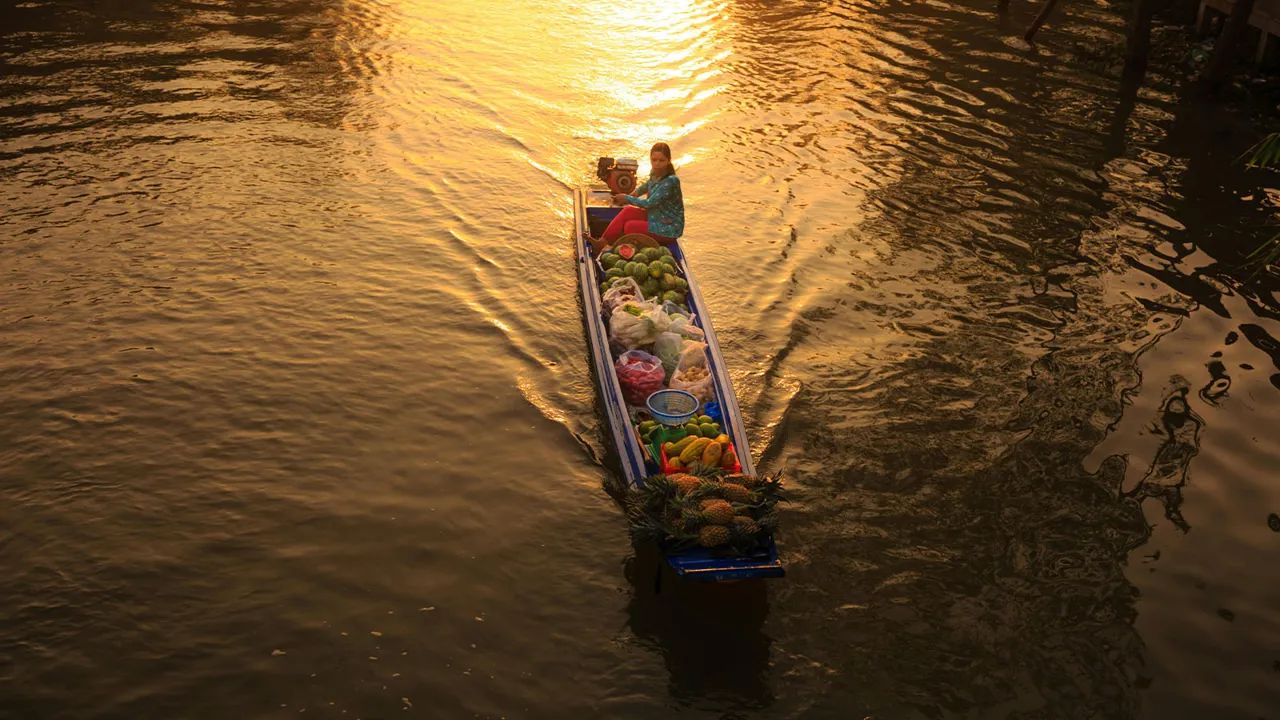
Vietnam Itinerary 2 Weeks
Hanoi - Ninh Binh - Lao Cai - Sapa - Muong Hum market - Ha Long Bay - Hue - Danang - Hoi An - Saigon - Mekong Delta - Cai Rang floating market - Departure

The Best of Ha Giang Trekking Tours
Discover Ha Giang on trekking tours where you live local life, enjoy breathtaking views and escape the crowded routes.

Vietnam and Laos 14 days
Saigon - My Tho - Da Nang- Hoian – Hue - Hanoi - Halong Bay - Vientiane Luang Prabang - Pak Ou – Khuang Si - Luang Prabang – Departure
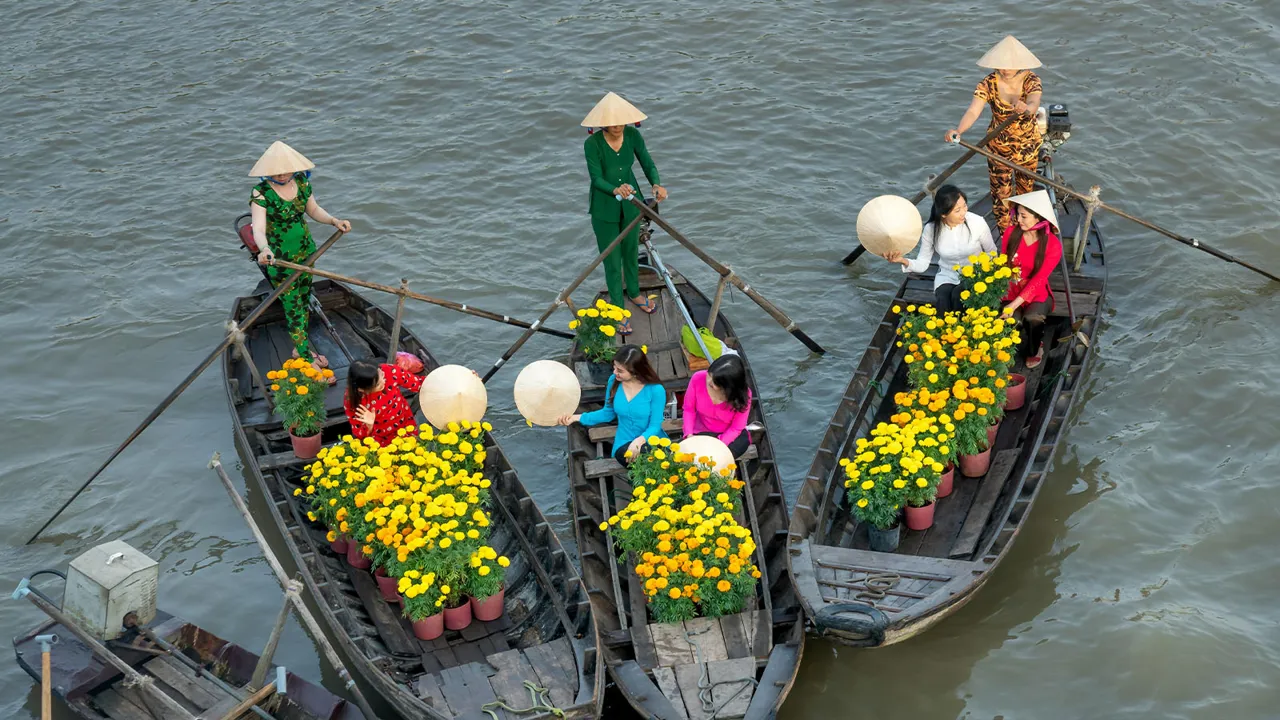
Vietnam Cambodia Itinerary 14 Days
Hanoi – Hoa Binh – Mai Chau – Ninh Binh – Halong bay – Hue - Danang – Hoian – Saigon – Ben Tre - Can Tho – Saigon - Siem Reap Angkor - Tonlé Sap - Siem Reap – Ta Prohm - Departure

Authentic Hoang Su Phi Trekking Tours
Hoang Su Phi trekking tours take you to stunning terraces, meet few tourists, connect with locals and enjoy authentic culture.

Honeymoon Tour Packages In Vietnam 12 Days
Saigon Arrival - City Tour – Mekong Delta – Danang – Hoian - by flight - Da Nang – Hanoi - by flight – Halong - overnight on junk – Departure
Are you interested in this tour?

Our testimonials
Whether it's a short or long tour, to discover must-see sites or to travel less-traveled paths, by car, junk, on foot, by bike or by motorbike... upon their return from their trip to Indochina, our clients tell us about their experiences. We thank them for entrusting us with the organization of their stay in Vietnam, Cambodia, Laos, Thailand and Myanmar!
Tailor-made trips to Vietnam
Are you a couple, a family, a group of friends? Are you planning a trip to Vietnam and/or Southeast Asia? Or maybe you want an individual, personalized trip, operated directly by a local agency? Perhaps you're thinking of a customized trip accompanied by a perfectly French-speaking guide and a private car with a professional driver... Are you the kind of traveler who likes to go where others don't? Our tailor-made tours adapt to your desires, your choices, your pace and your budget.... You decide, we create a trip that suits you!
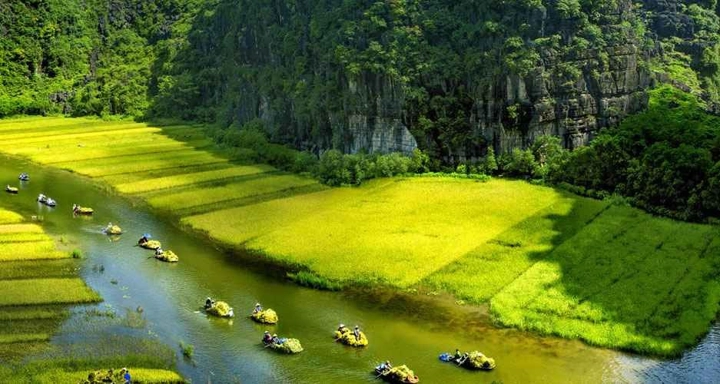

Don't miss anything from Southeast Asia
The press talks about us




Comment
No comments yet. Be the first to leave a comment!