 Français
 Deutsch
 Italiano
 Português
 Español

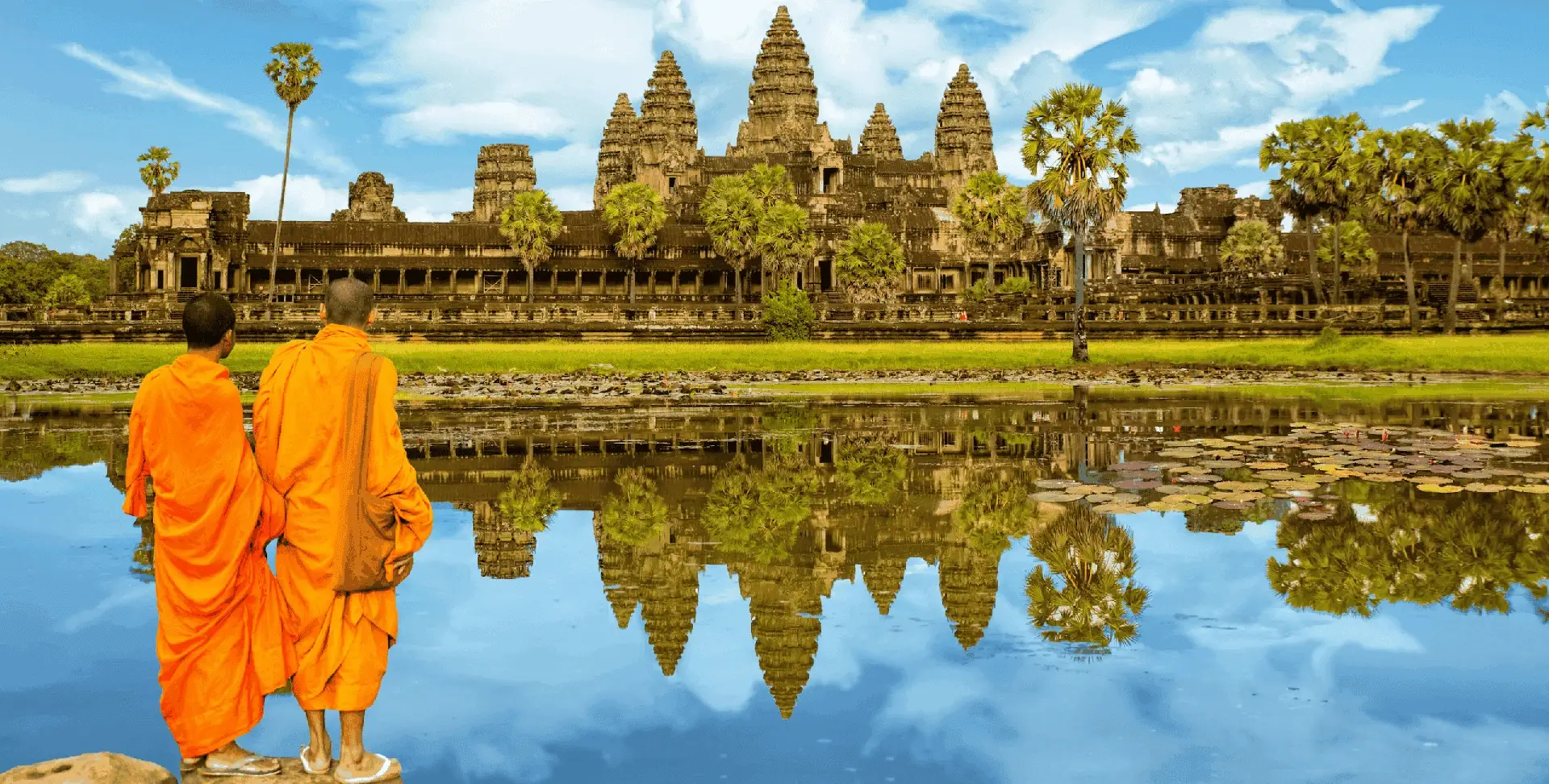
Top 6 best places in Northern Vietnam for winter holidays
Where to go in Northern Vietnam when the weather turns chilly? These 6 cozy spots offer mountain views, rich culture, warm cuisine, and perfect vibes for a winter escape.
When people think of Vietnam, they often imagine sunny beaches, tropical jungles, or warm cities. But Northern Vietnam in winter offers a completely different experience. From misty mountain peaks to chilly highland villages, this part of the country becomes calm, quiet, and magical between December and February. If you enjoy cool weather, peaceful landscapes, and authentic local culture, winter is a great time to visit.
In this article, we’ll show you the Top 6 Best Places in Northern Vietnam for Winter Holidays. You’ll learn where to go, what to do, and what to eat in each destination. Whether you want to see snow in Sapa, ride through the mountains of Ha Giang, or relax in a foggy hill station like Tam Dao, we’ve got you covered.
Northern Vietnam during the winter months
When is winter in Northern Vietnam?
Winter here usually lasts from late November to early March, with the coldest months being December and February. This is when temperatures drop and misty mornings cover the mountains and valleys. You’ll feel a big difference if you’ve just arrived from the south, where it stays warm year-round.

What is the climate like?
In winter, the weather in Northern Vietnam is cool and dry. Skies are often overcast, especially in the mountains, but rain is rare. This makes it a good time to travel, especially if you want to avoid the tropical heat.
Vietnam winter temperatures?
In cities like Hanoi or Ninh Binh, average temperatures in winter range from 12°C to 20°C (54°F to 68°F). In the mountains, like Sapa or Ha Giang, it can drop to 5°C or even below 0°C (41°F to 32°F). You won’t experience snow in most places, but it can feel quite chilly, especially in early mornings and late evenings. Bring warm clothes, especially if you're heading to the highlands.
Does it snow in Northern Vietnam?
Yes — but only in a few places and only occasionally. Sapa and the high mountains around Ha Giang sometimes get light snow or frost in December or January. It’s rare and doesn’t last long, but when it happens, it draws visitors from all over Vietnam. Locals call it a magical time.

Any winter events or festivals?
The biggest celebration of the season is Tet (Vietnamese Lunar New Year), which usually takes place between late January and mid-February, depending on the lunar calendar. Tet is a time for family, food, and tradition.
Many people return to their hometowns, and cities can become quiet for a few days. Streets are decorated with flowers, and you’ll see markets full of Tet goods. If you’re in Vietnam during Tet, expect closures, but also a unique cultural experience.
Another special time is Christmas, especially in Hanoi. While Vietnam isn’t a Christian-majority country, many people still decorate their homes and go out to enjoy the festive lights. Churches hold midnight masses, and you’ll find decorated trees and nativity scenes, especially in places like Ham Long Church in Hanoi.
Top 6 best places in Northern Vietnam for winter holidays
#1 Sapa (Lao Cai)
Sapa is one of the most famous winter destinations in Northern Vietnam — and for good reason. This small mountain town sits in Lao Cai Province, close to the Chinese border, and lies around 1,500 meters above sea level. It takes about 5–6 hours to reach from Hanoi, either by bus or train. The journey might be long, but the views and experiences are well worth it.
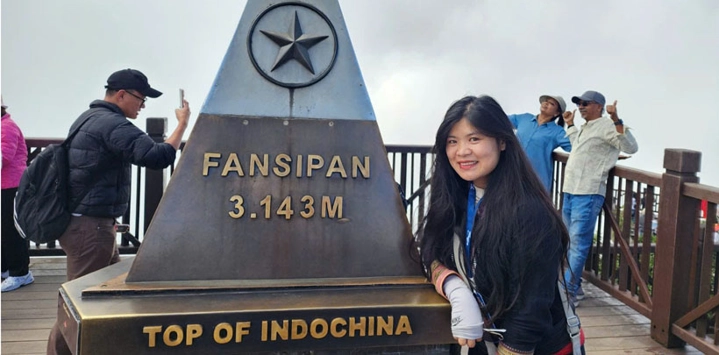
Sapa gets very cold in winter, especially from late December to early February. Temperatures can drop below 0°C (32°F) at night, and during cold spells, you might even see snowfall, especially in areas like O Quy Ho Pass, Fansipan Peak, or Y Ty Village.
Sapa is famous for its ethnic minority cultures, stunning trekking routes, and cool climate. The region is home to groups like the Hmong, Dao, Tay, and Giay, each with their own customs, languages, and traditional dress. Visiting their villages is a great way to learn more about Vietnam’s diversity.
Things to Do in Sapa in Winter
- Trek through rice terraces: Winter is off-season for rice, but the terraces are still beautiful and peaceful. You’ll walk past rivers, waterfalls, and wooden stilt houses. Some great routes include Lao Chai – Ta Van, or Cat Cat Village.
- Visit Fansipan Mountain: This is the tallest peak in Indochina, and you can now take a cable car up to the summit. In winter, you might even see snow on top. The view is amazing on clear days.
- Enjoy Sapa Stone Church: Right in the town center, this French colonial church is especially pretty at night, when it’s lit up and surrounded by fog.
- Explore local markets: The Sapa Love Market (on weekends) and Bac Ha Market (a bit farther away) are great places to shop for handmade textiles, silver jewelry, and try local snacks.
What to Eat in Sapa in Winter
Sapa is one of the best places in Vietnam to enjoy hot, hearty food. When it’s cold out, you’ll appreciate warming dishes like:
- Thắng cố: A traditional Hmong stew made from horse meat and organs — it’s strong-flavored and not for everyone, but very authentic.
- Grilled meats and vegetables: You’ll find many stalls offering skewers of pork, mushrooms, sweet potatoes, and eggs, all grilled over open flames.
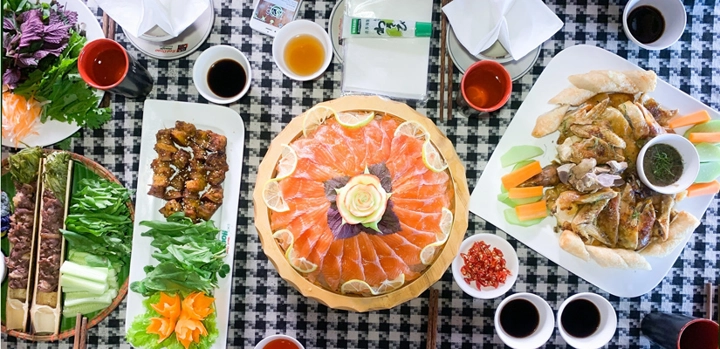
- Salmon hotpot (lẩu cá hồi): Yes, Sapa has salmon! It’s farmed locally in the cool mountain streams, and the hotpot is fresh, flavorful, and perfect for a chilly evening.
- Corn wine: Try a small cup of this strong local drink, usually homemade in the villages.
#2 Ha Giang
If you want to go off the beaten path this winter, Ha Giang is one of the best places to experience untouched beauty and authentic culture. It’s located in the far north of Vietnam, about 300 km from Hanoi, and borders China. While it’s less touristy than Sapa, it’s just as stunning, maybe even more.
Ha Giang has a mountainous landscape with sharp limestone peaks, deep valleys, and winding passes. Winter here, especially from December to February, is chilly and dry. Temperatures often drop to 5–10°C (41–50°F), and in high mountain areas like Dong Van or Meo Vac, it can fall below 0°C. You won’t usually find snow, but the morning fog and chilly winds give the region a wild, dramatic charm.
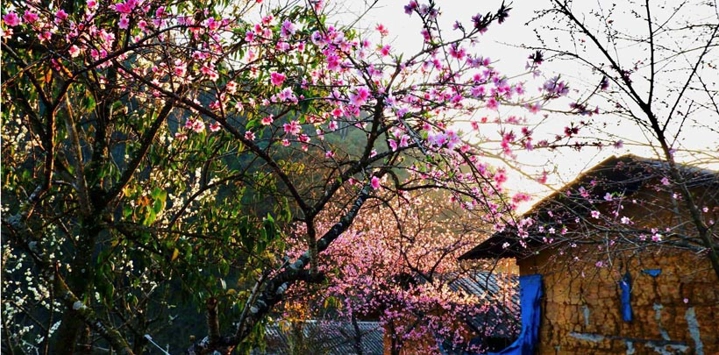
Ha Giang is famous for its majestic mountain scenery and ethnic diversity. The region is home to many minority groups like the Hmong, Tay, Nung, Lo Lo, and Giay, who live in stilt houses and wear beautifully embroidered clothing. The Ha Giang Loop — a scenic motorbike route that runs through the mountains — is one of the most adventurous and rewarding experiences in Vietnam.
Things to Do in Ha Giang in Winter
- Motorbike the Ha Giang Loop: The full loop takes 3–5 days, depending on your pace. You’ll pass by places like Quan Ba Heaven’s Gate, Lung Cu Flag Tower, Dong Van Karst Plateau, and the jaw-dropping Ma Pi Leng Pass.

- Visit Dong Van Old Town: This small town has clay-walled houses with tiled roofs and a calm, peaceful vibe. Visit the weekend market and try some warm local dishes.
- Explore ethnic villages: Head to Sung La Village (filming location of “Story of Pao”) to meet local families and learn about traditional ways of life.
- Tour the Hmong King’s Palace (Dinh Vua Meo): This historic palace sits in the Sa Phin Valley and shows a blend of French and Chinese influence with local Hmong architecture.
What to Eat in Ha Giang in Winter
Food in Ha Giang is rustic, simple, and made for the cold. Try:
- Thắng dền: Similar to sweet glutinous rice balls served with ginger syrup — perfect for cold weather.
- Au tau porridge (cháo ấu tẩu): Made with pork and a root called “au tau,” this porridge has a bitter flavor that locals love. It's especially popular in Dong Van.
- Smoked buffalo meat (thịt trâu gác bếp): A specialty of the Tay and Thai people, it’s chewy, smoky, and flavorful — great as a snack with rice wine.
- Five-colored sticky rice (xôi ngũ sắc): This colorful dish is often seen at festivals and markets, especially in the highlands.
#3 Moc Chau
Moc Chau is a peaceful highland district in Son La Province, about 200 km west of Hanoi. It sits on a plateau at around 1,050 meters above sea level, so the air is fresh and cool year-round. In winter, temperatures drop to around 10–15°C, and it can get colder at night. You won’t see snow here, but the cool, dry air and misty mornings make it perfect for a relaxing winter escape.
Winter is blossom season in Moc Chau. The scenery becomes like a painting, with flower-covered hills and tea plantations stretching into the distance. The crowds are smaller, the temperature is cool but comfortable, and the peaceful countryside makes it perfect for couples, families, or solo travelers.

Moc Chau is famous for its tea plantations, flower valleys, and ethnic culture. The area is home to groups like the Thai, Hmong, and Muong, who add a rich cultural flavor to the landscape. Winter is also when the region is at its most colorful, thanks to blooming plum and apricot blossoms, which cover the hills in white and pale pink.
Things to do in Moc Chau in winter
- Visit the Moc Chau Tea Hills: The tea fields are green all year, and in winter the contrast between the green tea rows and white plum blossoms is stunning.
- Walk through Na Ka Valley: January and February are the best months to see the plum blossoms in full bloom. It’s a magical sight.
- Try ethnic homestays: Spend a night in a traditional stilt house, enjoy local food, and learn about the way of life from Hmong or Thai families.

What to eat in Moc Chau
- Grilled stream fish: Often served with wild herbs and dipping sauce.
- Bamboo-tube rice (cơm lam): Sticky rice cooked inside bamboo tubes, common in many mountainous regions.
- Milk-based products: Moc Chau is also known for its dairy farms. Try fresh milk, yogurt, and cheese here.
#4 Mau Son (Lang Son)
Mau Son is a mountain peak in Lang Son Province, near the Chinese border. It’s about 180 km northeast of Hanoi. This area is one of the coldest places in Vietnam, and during winter, especially from December to February, temperatures can drop to below 0°C. Some years, Mau Son even gets snow and frost, which is a rare and exciting event in Vietnam.
Mau Son is one of the few places in Vietnam where you might see snow. The mountain air is crisp, the views are wide and sweeping, and the vibe is quiet and untouched. It’s ideal for travelers who want a true winter mountain escape, away from the usual tourist spots.

Mau Son is known for its remote beauty, colonial ruins, and the chance of snowfall in winter. It’s also home to the Dao and Tay ethnic minorities, who live in small mountain villages and keep many of their traditions alive. Because it’s still relatively unknown to international travelers, you’ll find fewer crowds and more raw, untouched landscapes.
Things to do in Mau Son in winter
- Chase the snow: If you're lucky, you might catch one of the few snowfalls Vietnam gets each year. Locals from nearby provinces rush up here when snow is forecasted.
- Trek through quiet mountain paths: The area is ideal for hiking, especially if you enjoy peaceful routes through forests and small villages.
- Explore the French ruins: Mau Son once had a French colonial hill station. Some of the villas and wine cellars still stand in eerie silence.
- Visit ethnic villages: Interact with local Dao families, learn about their herbal medicine, and enjoy a hot meal by the fire.

What to eat in Mau Son
- Mau Son roast pig: A flavorful dish roasted with herbs grown in the mountains.
- Mau Son wine: Locally brewed rice wine with a unique, strong taste.
- Mountain vegetables: Try stir-fried or boiled greens served with garlic and sesame salt — simple but very fresh.
#5 Tam Dao (Vinh Phuc)
Tam Dao is a small mountain town located in Vinh Phuc Province, about 85 km northwest of Hanoi. It sits at an altitude of 900 meters above sea level, which gives it a pleasantly cool climate year-round. In winter, temperatures usually range between 10–16°C, but the air feels colder due to the mist and high humidity.

Tam Dao is known for its French colonial charm, misty mountain views, and easy weekend getaway vibe from Hanoi. Many locals call it the “Da Lat of the North” because of its romantic scenery. The area has a mix of pine forests, waterfalls, old villas, and panoramic viewpoints.
Things to do in Tam Dao in winter
- Walk along the central stone path lined with French-style villas and cafes. The fog adds a mysterious and cozy feeling to the whole town.
- Climb to the Tam Dao Church: Built in 1906, this old stone church is the town’s most iconic building.
- Hike up to the TV tower: The trail is a bit steep but gives you stunning views over the mountains when the sky is clear.

What to eat in Tam Dao
- Su su (chayote): Locals grow it on the mountain slopes. You’ll find it stir-fried or boiled with sesame salt in nearly every meal.
- Grilled mountain pork or chicken: Served with herbs and local sauces.
- Hotpot: A popular winter treat, especially on misty evenings.
#6 Mai Chau (Hoa Binh)
Mai Chau is a peaceful rural valley in Hoa Binh Province, about 140 km southwest of Hanoi. It lies between hills and rice paddies and is home to several ethnic groups, especially the White Thai people. In winter, temperatures range from 10–18°C during the day and drop lower at night.

Mai Chau in winter is peaceful and authentic. The cool air makes it comfortable for walking or biking, and staying with a local family gives you a deeper look into rural life. It’s a place to slow down, enjoy fresh food, and connect with Vietnam’s warm countryside hospitality.
Things to do in Mai Chau in winter
- Bike through the villages: Rent a bicycle and explore the rice fields, stilt houses, and quiet paths connecting the Thai villages.
- Join a homestay experience: Sleep in a stilt house, join the host’s family meals, and watch traditional dances at night.
- Visit nearby caves: Chieu Cave and Mo Luong Cave are beautiful natural spots with amazing rock formations.
- Attend a local market: These are great places to try ethnic foods and buy handmade crafts.
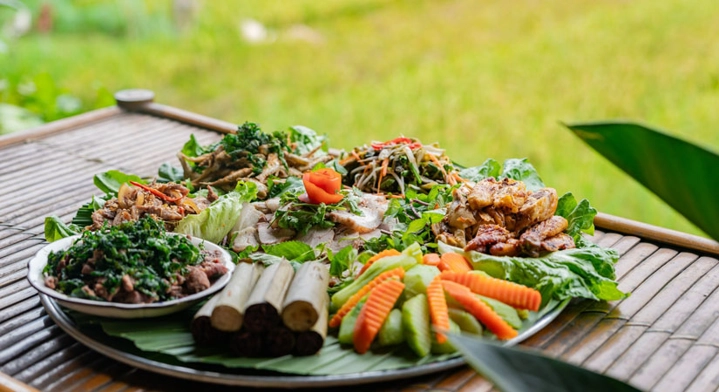
What to eat in Mai Chau
- Sticky rice (xôi nếp nương): Cooked in bamboo tubes and often served with sesame salt or grilled meat.
- Grilled chicken or pork marinated with forest herbs.
- Rượu cần: A local rice wine traditionally drunk through long bamboo straws, usually shared during social events.
Practical tips for winter travel in Northern Vietnam
1. Pack Warm Clothes (Even for Vietnam!)
Many people think of Vietnam as hot and tropical, but Northern Vietnam can get very cold in winter, especially in the mountains like Sapa, Ha Giang, or Mau Son. Bring:
- A warm jacket
- Layers (thermal shirts, sweaters, fleece)
- Scarves, gloves, and beanies
- Thick socks and waterproof shoes for trekking

2. Expect Fog, Drizzle, and Low Visibility
Winter weather often brings thick fog, light rain, and mist, especially in higher altitudes. Plan for:
- Slippery roads (especially when riding motorbikes)
- Limited views from high viewpoints — check the weather forecast
- Delays in transportation or sightseeing on foggy days
3. Travel Slowly and Safely
Mountain roads can be steep and winding. If you’re planning a motorbike trip (like in Ha Giang):
- Make sure your bike is in good condition
- Wear proper gear, especially a helmet with a visor
- Avoid riding at night or during heavy fog

4. Check for Local Festivals and Events
Winter leads into Tet (Vietnamese Lunar New Year), which usually falls in late January or early February. If you’re lucky, you might witness:
- Flower markets
- Folk music and dance
- Traditional village celebrations
Note: During Tet, many places may close for several days — so plan around it if you’re traveling during this time.
5. Stay Flexible With Your Schedule
Weather in winter can be unpredictable. Keep your itinerary flexible to:
- Wait out bad weather
- Swap days for outdoor and indoor activities
- Add an extra night if you fall in love with the misty atmosphere
Conclusion
Winter in Vietnam may be cold, but the landscapes are stunning, and the people are warm and welcoming. From mountain adventures to cozy homestays and delicious local meals, there’s something special waiting in every corner.
We hope this guide to the Top 6 Best Places in Northern Vietnam for Winter Holidays gives you inspiration and useful tips for your trip. If you want a smooth and memorable journey, consider booking a local winter tour. You’ll get to explore hidden spots, try authentic dishes, and experience Vietnam’s quiet beauty when fewer tourists are around.
>>> Ha Giang Loop In The Rain – A Misty Motorbike Adventure
>>> Explore Northern Vietnam: 15 Must-See Destinations
Passionate blogger sharing trusted insights, well-researched tips, and real experiences. Dedicated to delivering accurate, valuable, and inspiring content that helps readers explore, learn, and make informed choices with confidence.
Send us your comments about : Top 6 best places in Northern Vietnam for winter holidays
Required fields*
You may also like
You may also like

Alluring And Famous Islets Of Halong Bay
Explore Halong Bay’s famous islets, hidden caves, and charming landscapes—an unforgettable highlight for any Vietnam travel itinerary filled with adventure and scenic beauty.

Palace On Wheels: Experience The Great Pleasure On-Board
Discover Palace on Wheels India, the luxury train offering a royal journey through Rajasthan’s forts, palaces, wildlife parks, and the iconic Taj Mahal in unforgettable style.

Visit Vietnam In February: What To Wear In February?
Discover Vietnam in February with mild weather, vibrant Tet festivals, and blooming flower seasons. Learn what to wear and the best places to visit across the country this month.
Travel ideas
Need some inspiration? Discover some of the best tours in Vietnam, which are highly appreciated by our clients. An excellent starting point to help you choose the right trip to Vietnam, Laos, Cambodia, Burma or Thailand, whether you are traveling alone, as a couple, as a family or with friends.
And because this trip is yours, feel free to customize it as you wish!
Vietnam Itinerary 2 Weeks
Hanoi - Ninh Binh - Lao Cai - Sapa - Muong Hum market - Ha Long Bay - Hue - Danang - Hoi An - Saigon - Mekong Delta - Cai Rang floating market - Departure

The Best of Ha Giang Trekking Tours
Discover Ha Giang on trekking tours where you live local life, enjoy breathtaking views and escape the crowded routes.

Vietnam and Laos 14 days
Saigon - My Tho - Da Nang- Hoian – Hue - Hanoi - Halong Bay - Vientiane Luang Prabang - Pak Ou – Khuang Si - Luang Prabang – Departure
Vietnam Cambodia Itinerary 14 Days
Hanoi – Hoa Binh – Mai Chau – Ninh Binh – Halong bay – Hue - Danang – Hoian – Saigon – Ben Tre - Can Tho – Saigon - Siem Reap Angkor - Tonlé Sap - Siem Reap – Ta Prohm - Departure

Authentic Hoang Su Phi Trekking Tours
Hoang Su Phi trekking tours take you to stunning terraces, meet few tourists, connect with locals and enjoy authentic culture.

Honeymoon Tour Packages In Vietnam 12 Days
Saigon Arrival - City Tour – Mekong Delta – Danang – Hoian - by flight - Da Nang – Hanoi - by flight – Halong - overnight on junk – Departure
Are you interested in this tour?


Our testimonials
Whether it's a short or long tour, to discover must-see sites or to travel less-traveled paths, by car, junk, on foot, by bike or by motorbike... upon their return from their trip to Indochina, our clients tell us about their experiences. We thank them for entrusting us with the organization of their stay in Vietnam, Cambodia, Laos, Thailand and Myanmar!
Tailor-made trips to Vietnam
Are you a couple, a family, a group of friends? Are you planning a trip to Vietnam and/or Southeast Asia? Or maybe you want an individual, personalized trip, operated directly by a local agency? Perhaps you're thinking of a customized trip accompanied by a perfectly French-speaking guide and a private car with a professional driver... Are you the kind of traveler who likes to go where others don't? Our tailor-made tours adapt to your desires, your choices, your pace and your budget.... You decide, we create a trip that suits you!


Don't miss anything from Southeast Asia
The press talks about us




Comment
No comments yet. Be the first to leave a comment!