 Français
 Deutsch
 Italiano
 Português
 Español

Wellness Retreat in Vietnam: A Unique Journey to Reconnect with Yourself
Discover wellness retreats in Vietnam, from yoga and meditation to spiritual journeys, silent retreats and relaxing spa escapes. Explore peaceful destinations, traditional healing practices and practical tips for planning your wellness journey.
Beyond its spectacular landscapes and vibrant cities, Vietnam has a rich cultural heritage shaped by Buddhist traditions, local healing practices and a close relationship with nature. These elements create an inviting environment for travelers seeking a more meaningful experience than a conventional holiday.
In this guide, we explore the different types of wellness retreats in Vietnam, the destinations worth considering, the benefits of a restorative escape and practical tips to help you plan your journey.
1. Why Choose Vietnam for a Wellness Retreat?
Vietnam offers an appealing combination of natural beauty, cultural depth and diverse wellness experiences. Whether you prefer a peaceful countryside setting or a luxury resort by the sea, the country provides plenty of opportunities to step away from everyday routines.
Beautiful Natural Landscapes
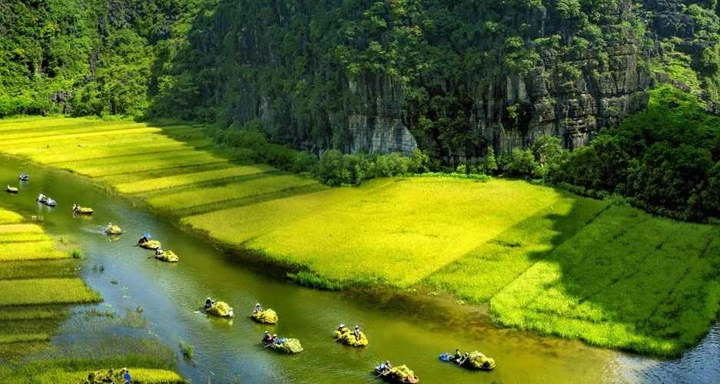
Vietnam’s varied geography allows travelers to choose the environment that best supports their retreat. The northern mountains offer misty valleys, forest trails and quiet villages, while destinations such as Ninh Binh are known for limestone karsts, rivers and rice fields. Along the coast, destinations such as Da Nang and Phu Quoc provide beaches, fresh sea air and opportunities for relaxation.
Spending time in nature can also complement mindfulness practices, gentle exercise and a slower daily rhythm.

A Rich Spiritual Heritage
Buddhism has a long history in Vietnam and continues to influence religious and cultural life. Pagodas, temples and monasteries offer opportunities to learn about Buddhist philosophy, observe local religious practices and appreciate the country’s spiritual heritage.
Some Buddhist communities organize meditation programs or welcome visitors for specific activities. However, accommodation and participation arrangements vary, so travelers interested in an immersive monastic experience should contact the relevant institution in advance.
Traditional Wellness Experiences
Vietnamese wellness experiences may include herbal baths, therapeutic massages, traditional herbal preparations and meals made with fresh local ingredients. Their availability varies by destination and provider, but they can complement a relaxing holiday.
Vietnamese cuisine also offers plenty of vegetable-based dishes, fresh herbs, rice, tofu and seasonal produce. Travelers can enjoy these foods as part of a balanced diet without necessarily following a strict vegetarian program.
A wellness retreat in Vietnam is therefore more than a chance to relax. It can also be an opportunity to discover local traditions, appreciate the natural environment and develop a more mindful approach to everyday life.
2. Different Types of Wellness Retreats in Vietnam
Wellness retreats are not all the same. Some focus on physical activity and relaxation, while others emphasize meditation, spiritual learning or periods of silence. Understanding the differences will help you choose an experience that matches your expectations.
Yoga Retreats
A yoga retreat in Vietnam combines physical practice, breathing exercises and relaxation in a setting designed to encourage balance and well-being.
Destinations such as Hoi An, Da Nang and Mai Chau offer attractive surroundings for yoga-focused holidays. Depending on the program, a typical day may include morning yoga, meditation, healthy meals and free time for nature walks or personal reflection.
Some retreats are suitable for beginners, while others are designed for experienced practitioners. Before booking, check the teaching style, class schedule, accommodation arrangements and whether meditation or other activities are included.
Yoga retreats are particularly suitable for travelers who want to maintain an active routine while taking a break from busy schedules.

Meditation Retreats
A meditation retreat in Vietnam provides an opportunity to develop mindfulness, improve concentration and become more aware of the present moment.
Programs may take place in dedicated meditation centers, wellness resorts or Buddhist communities. Activities can include seated meditation, mindful walking, breathing exercises and guided reflection.
Some retreats introduce meditation gradually, making them suitable for beginners. Others follow a more structured schedule with longer practice sessions and fewer recreational activities.
If this is your first meditation retreat, consider choosing a beginner-friendly program with clear guidance and a manageable daily schedule.
Spiritual Retreats
A spiritual retreat in Vietnam is an opportunity to explore Buddhist traditions, reflect on personal values and experience a simpler way of life.
Certain monasteries and Buddhist centers offer visitors opportunities to attend teachings, participate in meditation sessions or learn about Buddhist practices. The experience depends on the institution, the time of year and the type of program available.
Well-known Buddhist destinations include Truc Lam Zen Monastery in Da Lat and the Yen Tu Buddhist complex in Quang Ninh. These sites are valuable places to explore Vietnam’s spiritual heritage, although visiting a religious site does not automatically mean that overnight retreats are available.
Travelers interested in staying with a monastic community should confirm whether foreign visitors are accepted, whether English-language guidance is offered and what rules participants must follow.

Silent Retreats
A silent retreat in Vietnam offers a more intensive opportunity for reflection by reducing conversation and other everyday distractions.
Depending on the program, silence may be observed during meditation sessions, meals or throughout most of the day. Some retreats also restrict phone use, reading and other activities to help participants maintain their attention.
Vipassana meditation courses are one option for travelers interested in a structured practice. These courses commonly involve a disciplined schedule, extended meditation sessions and specific participation rules. Availability, language options and eligibility requirements should be checked through the official organizers.
A silent retreat may be rewarding, but it is not simply a holiday without conversation. Travelers should understand the schedule and expectations before committing to a demanding program.
Spa and Wellness Retreats
For travelers who prefer comfort and flexibility, spa and wellness retreats provide a more relaxed approach.
Coastal destinations such as Phu Quoc, Nha Trang and Da Nang have resorts and wellness properties offering massages, spa treatments, yoga classes and relaxation facilities. Some properties also provide fitness sessions, healthy menus or personalized wellness programs.
These experiences are generally easier to combine with sightseeing, beach activities and other elements of a Vietnam holiday.
A spa retreat is a suitable choice for travelers who want to unwind without following the strict timetable of a meditation course or spiritual retreat.

3. The Best Destinations for a Wellness Retreat in Vietnam
Choosing the right destination can shape your entire retreat experience. Consider whether you feel most comfortable by the sea, in the mountains or among quiet countryside landscapes.
Hoi An: Ancient Charm and Relaxation
Hoi An is an appealing destination for travelers seeking a balance between wellness and cultural exploration. Its historic streets, riverside setting and nearby countryside create a relaxed atmosphere, while the beaches around An Bang and Cua Dai offer space to unwind.
Yoga classes, spa treatments and wellness-oriented accommodation can be combined with cycling through rural villages, visiting local markets and discovering Vietnamese cuisine.
Hoi An is especially suitable for travelers who want to include wellness activities in a broader cultural holiday rather than spend their entire stay in retreat.
Da Lat: Fresh Mountain Air and Quiet Surroundings
Located in Vietnam’s Central Highlands, Da Lat is known for its cooler climate, pine forests, lakes and rolling hills. Its mountain scenery makes it an attractive destination for travelers looking to escape the heat of the lowlands.
Visitors can combine gentle walks, meditation and spa treatments with time spent exploring the city’s gardens and surrounding countryside.
Truc Lam Zen Monastery, overlooking Tuyen Lam Lake, is one of Da Lat’s best-known spiritual landmarks. It offers an opportunity to appreciate the area’s Buddhist heritage in a peaceful natural setting.

Ninh Binh: Mindfulness Among Limestone Mountains
Ninh Binh is famous for its dramatic limestone formations, winding waterways and extensive rice fields. Areas such as Trang An and Tam Coc offer a slower-paced alternative to Vietnam’s larger cities.
Boat trips, countryside cycling and gentle walks can complement meditation or relaxation activities arranged through local accommodation providers.
For travelers who find peace in open landscapes and natural scenery, Ninh Binh offers a beautiful setting for a restorative escape.
Mai Chau: A Peaceful Countryside Retreat
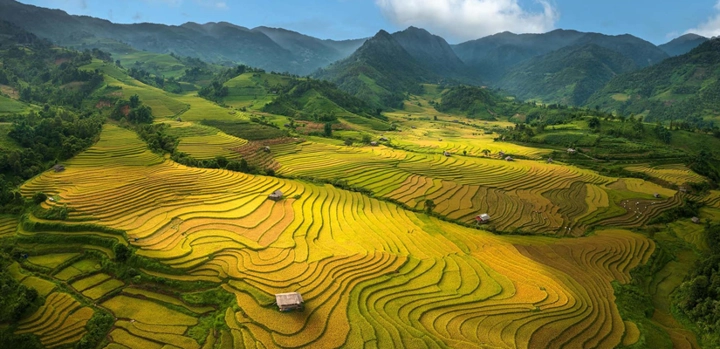
Mai Chau, in northern Vietnam, is known for its green valleys, rice paddies and traditional villages. The relatively unhurried pace of rural life makes it an appealing destination for travelers who want to disconnect from urban routines.
Depending on the accommodation, visitors can enjoy countryside walks, cycling, local food and time outdoors. Yoga or meditation sessions may be available through selected properties or private instructors.
Mai Chau is worth considering if you prefer a countryside retreat with opportunities to discover local culture rather than a highly structured wellness program.

Phu Quoc: A Tropical Wellness Escape
Phu Quoc is an attractive choice for travelers who associate wellness with warm weather, ocean views and time to rest.
The island offers beaches, tropical landscapes and resorts with spa facilities. Depending on the property, guests may be able to arrange massages, yoga sessions, fitness activities and personalized relaxation programs.
Phu Quoc works particularly well for couples, solo travelers and visitors who want to combine wellness with a beach holiday.
The Mekong Delta: Slow Living by the Water
The Mekong Delta offers a different kind of retreat experience, shaped by waterways, orchards, rural communities and everyday life along the river.
Staying in a countryside homestay or a small riverside property can provide a chance to slow down and experience local hospitality. Travelers can explore village paths, sample regional dishes and observe the rhythms of life in the delta.
Rather than a formal meditation retreat, the region is better suited to those seeking a gentle, culturally immersive escape.
4. Experiencing a Spiritual Retreat in Vietnam
A spiritual retreat in Vietnam allows travelers to explore Buddhist traditions while taking time to reflect on their own lives. For some, this means learning meditation techniques; for others, it involves attending teachings, observing religious practices or spending time in a quiet environment.
Living at a Slower Pace
Programs inspired by monastic life may follow a structured daily routine, with early mornings, meditation, communal activities and simple meals.
Participants may be invited to observe quiet periods, follow particular rules of conduct or attend scheduled teachings. However, not every monastery offers residential retreats, and daily activities differ between institutions.
Before making arrangements, contact the center directly to understand what participation involves.
Learning Mindfulness
Mindfulness encourages people to pay attention to their experiences without immediately reacting to every thought or emotion.
During a guided retreat, participants may practice seated meditation, mindful walking or breathing exercises. These techniques can help develop greater awareness of everyday habits and provide opportunities to respond to stress more thoughtfully.
The benefits vary from person to person, and mindfulness should not be viewed as a guaranteed solution to emotional or psychological difficulties.

Exploring Buddhist Teachings
Buddhist teachings often explore compassion, impermanence, non-attachment and the relationship between thoughts, actions and suffering.
A retreat may introduce these ideas through talks, meditation or conversations with teachers. Even visitors who do not identify with Buddhism can approach the experience as an opportunity to learn about Vietnamese culture and reflect on their own values.
Respect for the host community is essential. Dress modestly, follow instructions, ask before photographing religious ceremonies and remember that a monastery is a place of religious practice rather than simply a tourist attraction.
5. Silent Retreats in Vietnam: What to Expect
For travelers who want to step away from constant communication and digital distractions, a silent retreat can provide a structured environment for reflection.
Potential Benefits of Silence
Periods of silence can create more space to notice thoughts, emotions and habitual reactions. Without the usual pressure to respond to messages or maintain conversations, participants may find it easier to focus on their immediate surroundings.
Meditation and quiet reflection may also help some people feel calmer and more attentive. However, experiences differ, and extended silence can feel challenging rather than relaxing, particularly for first-time participants.

Where to Find a Silent Retreat
Travelers can explore organized meditation courses, Buddhist centers and wellness properties that offer quiet or mindfulness-focused programs.
Vipassana courses may be available at designated centers in Vietnam, but locations, schedules, languages and admission requirements can change. Use official course directories or contact the organizers directly to confirm current details.
Do not assume that a resort advertising meditation offers a formal silent retreat. Likewise, a monastery that welcomes day visitors may not accept overnight guests.
Rules and Preparation
A structured silent retreat may involve early mornings, scheduled meditation sessions, simple meals and limited access to phones or other distractions.
Some programs ask participants to avoid conversation, reading, writing or physical contact during designated periods. Others offer a gentler approach, with guided activities and free time.
Before booking, check the duration, accommodation, meals, language of instruction, physical requirements and cancellation policy. If you have never attended a retreat, a shorter or less intensive program may be a sensible starting point.
A silent retreat is not a competition in endurance. Choosing a program that fits your experience and personal circumstances is more important than selecting the longest or strictest option.
6. The Benefits of a Wellness Retreat in Vietnam
A wellness retreat brings together several experiences that may support a more balanced lifestyle. The results depend on the activities, the individual and the quality of the program.
Physical Well-Being
Yoga, gentle stretching, walking and other low-impact activities can encourage movement while giving participants time to rest.
Nutritious meals featuring vegetables, fresh fruit, rice, herbs and other local ingredients can also be part of a balanced holiday. Spa treatments and massages may provide temporary relief from muscular tension and help some travelers feel more relaxed.
These experiences can support general well-being, but they should not be presented as medical treatment or a substitute for professional healthcare.
Emotional Balance
A break from work, travel demands and constant notifications can create space for rest and reflection.
Mindfulness, breathing exercises and time in nature may help some participants manage everyday stress and become more aware of their emotional responses. A supportive environment can also make it easier to slow down without feeling pressured to remain productive.

Personal and Spiritual Growth
For those interested in spiritual exploration, a retreat can provide time to reflect on personal values, relationships and priorities.
Learning about Buddhist philosophy or establishing a regular meditation practice may encourage a more thoughtful approach to everyday decisions. The experience does not require adopting a particular religion or belief system.
Social Connection
Group retreats bring together travelers who share an interest in mindfulness, movement or personal development.
Shared meals, yoga classes and group activities can create opportunities to meet people from different backgrounds. At the same time, many retreats provide private accommodation or individual practice time for those who prefer solitude.
The right balance between community and personal space depends on the type of retreat you choose.
7. Practical Tips for Planning Your Wellness Retreat
A little preparation can help you find a retreat that is both enjoyable and appropriate for your needs.
Choose a Retreat That Matches Your Goals
Start by asking yourself what you want from the experience.
- For movement and flexibility: Consider a yoga retreat.
- For mindfulness and concentration: Look for a guided meditation program.
- For cultural and spiritual exploration: Research Buddhist centers and monastery programs.
- For a digital break and introspection: Consider a structured silent retreat.
- For rest and comfort: Choose a spa or resort-based wellness stay.
Read the full program rather than relying on the word wellness alone, as providers may use it to describe very different experiences.
Select the Right Setting
Your preferred environment can help narrow your choices. Coastal destinations such as Phu Quoc and Da Nang suit travelers who enjoy the sea, while Da Lat offers a cooler mountain setting. Hoi An and Ninh Binh are appealing for those who want to combine relaxation with cultural sightseeing, and Mai Chau provides a countryside atmosphere.
Consider travel time, weather, accessibility and the availability of activities before deciding.
Plan the Duration Carefully
A weekend can be enough for a short wellness break, while a longer stay may allow more time to settle into a new routine.
For a structured meditation course, follow the duration specified by the organizer. Some programs require participants to attend the entire course rather than arrive late or leave early.
If you are combining a retreat with a larger Vietnam itinerary, allow time to travel between destinations without rushing from one activity to another.
Check What Is Included
Before paying a deposit, confirm whether the price covers accommodation, meals, classes, equipment, transfers and spa treatments.
For monastic or meditation programs, check whether donations are expected, whether instruction is available in English and whether there are specific participation requirements.
Reviews can be useful, but prioritize recent information from the retreat provider and verify important details directly.
Respect Local Customs
When visiting pagodas, temples and monasteries, wear modest clothing and follow posted rules. Remove your shoes where required, keep your voice low and ask permission before taking photographs.
Some religious spaces restrict photography or access to certain areas. Be respectful of worshippers and avoid interrupting ceremonies.
Learning a few basic Vietnamese greetings can also make everyday interactions more pleasant.
Stay Flexible and Open-Minded
A wellness retreat may introduce unfamiliar food, early mornings, new physical practices or periods of quiet.
You do not need to approach every activity with the same expectations. Choose a program that fits your comfort level, communicate any relevant needs in advance and give yourself time to adjust.
The aim is not to achieve a perfect state of calm, but to create space for rest, curiosity and a more intentional way of traveling.
8. Wellness Retreat in Vietnam: A Journey Within
A wellness retreat in Vietnam can be an opportunity to experience the country at a different pace. Instead of moving quickly between famous attractions, you can spend time listening to the sounds of the countryside, walking beside rice fields, practicing yoga by the sea or learning about Buddhist traditions in a quiet setting.
Whether you choose a yoga retreat in Hoi An, a mountain escape in Da Lat, a nature-focused stay in Ninh Binh or a spa holiday on Phu Quoc, each destination offers a different way to pause and reconnect with yourself.
For some travelers, the experience may involve a structured meditation course or a period of silence. For others, it may be as simple as enjoying a few unhurried days surrounded by nature, eating fresh local food and stepping away from daily responsibilities.
The most suitable retreat is not necessarily the most luxurious or the most demanding. It is the one that matches your needs, respects your limits and gives you room to experience Vietnam beyond its usual tourist highlights.
Vietnam is more than a destination to explore. With the right setting and a thoughtful approach, it can also be a place to slow down, reflect and rediscover the value of being present.
>>> Top 15 Best Outdoor Adventure Activities In Vietnam
>>> Top 15 Best Sustainable Ecolodges and Retreats In Vietnam
Ha Pham is a travel photographer devoted to capturing the soul of Vietnam through his lens. His photos reveal the harmony between people and landscapes — from the golden rice terraces of Mu Cang Chai to the peaceful floating markets of the Mekong Delta. Ha believes that every image tells a story, and his work brings to life the emotions, colors, and textures that make traveling across Vietnam unforgettable.
Send us your comments about : Wellness Retreat in Vietnam: A Unique Journey to Reconnect with Yourself
Required fields*
You may also like
You may also like

Co To Island, Vietnam: A Complete Guide to Its Beaches and Local Life
Discover Co To Island in northern Vietnam, a peaceful coastal destination known for its sandy beaches, turquoise waters, dramatic rock formations and fresh seafood. This practical travel guide covers the best time to visit, how to get there from Hanoi, where to stay, local experiences and a suggested 3-day itinerary to help you plan your trip.

Ha Giang Loop by Car: A Complete Guide to Exploring Northern Vietnam
Discover the Ha Giang Loop by car with this complete travel guide. Explore dramatic mountain passes, ethnic minority villages, local markets, and a 3-day itinerary through northern Vietnam.

Incense Making in Vietnam: Discover a Timeless Craft and Spiritual Tradition
Discover incense making in Vietnam, from its spiritual significance and natural ingredients to traditional production methods and visits to Quang Phu Cau incense village.
Travel ideas
Need some inspiration? Discover some of the best tours in Vietnam, which are highly appreciated by our clients. An excellent starting point to help you choose the right trip to Vietnam, Laos, Cambodia, Burma or Thailand, whether you are traveling alone, as a couple, as a family or with friends.
And because this trip is yours, feel free to customize it as you wish!
Vietnam Itinerary 2 Weeks
Hanoi - Ninh Binh - Lao Cai - Sapa - Muong Hum market - Ha Long Bay - Hue - Danang - Hoi An - Saigon - Mekong Delta - Cai Rang floating market - Departure

The Best of Ha Giang Trekking Tours
Discover Ha Giang on trekking tours where you live local life, enjoy breathtaking views and escape the crowded routes.

Vietnam and Laos 14 days
Saigon - My Tho - Da Nang- Hoian – Hue - Hanoi - Halong Bay - Vientiane Luang Prabang - Pak Ou – Khuang Si - Luang Prabang – Departure
Vietnam Cambodia Itinerary 14 Days
Hanoi – Hoa Binh – Mai Chau – Ninh Binh – Halong bay – Hue - Danang – Hoian – Saigon – Ben Tre - Can Tho – Saigon - Siem Reap Angkor - Tonlé Sap - Siem Reap – Ta Prohm - Departure

Authentic Hoang Su Phi Trekking Tours
Hoang Su Phi trekking tours take you to stunning terraces, meet few tourists, connect with locals and enjoy authentic culture.

Honeymoon Tour Packages In Vietnam 12 Days
Saigon Arrival - City Tour – Mekong Delta – Danang – Hoian - by flight - Da Nang – Hanoi - by flight – Halong - overnight on junk – Departure
Are you interested in this tour?

Our testimonials
Whether it's a short or long tour, to discover must-see sites or to travel less-traveled paths, by car, junk, on foot, by bike or by motorbike... upon their return from their trip to Indochina, our clients tell us about their experiences. We thank them for entrusting us with the organization of their stay in Vietnam, Cambodia, Laos, Thailand and Myanmar!
Tailor-made trips to Vietnam
Are you a couple, a family, a group of friends? Are you planning a trip to Vietnam and/or Southeast Asia? Or maybe you want an individual, personalized trip, operated directly by a local agency? Perhaps you're thinking of a customized trip accompanied by a perfectly French-speaking guide and a private car with a professional driver... Are you the kind of traveler who likes to go where others don't? Our tailor-made tours adapt to your desires, your choices, your pace and your budget.... You decide, we create a trip that suits you!

Don't miss anything from Southeast Asia
The press talks about us




Comment
No comments yet. Be the first to leave a comment!