 Français
 Deutsch
 Italiano
 Português
 Español


Co To Island, Vietnam: A Complete Guide to Its Beaches and Local Life
Discover Co To Island in northern Vietnam, a peaceful coastal destination known for its sandy beaches, turquoise waters, dramatic rock formations and fresh seafood. This practical travel guide covers the best time to visit, how to get there from Hanoi, where to stay, local experiences and a suggested 3-day itinerary to help you plan your trip.
Co To Island, Vietnam: A Practical Guide to Its Beaches and Local Life
Far from the busiest coastal resorts of Vietnam, Co To Island offers a different kind of seaside escape. Located in Quang Ninh Province, in the Gulf of Tonkin, this island destination is known for sandy beaches, rocky coastal landscapes, fishing communities and a slower rhythm of life.
Yet Co To is not simply a place to spend a few hours on the beach. Reaching the island requires some planning, boat services depend on sea conditions, and the experience can vary considerably between the main island and its smaller neighbours. For travellers who prefer a destination that combines coastal scenery with everyday local life, these details are part of what makes the journey worthwhile.
This Co To Island travel guide explains what to see, when to go, how to organise your stay and what to consider before adding the island to a northern Vietnam itinerary.
1. Where is Co To Island, Vietnam?
Co To belongs to Quang Ninh Province in northeastern Vietnam, east of the mainland and beyond the familiar limestone landscapes of Ha Long Bay. The name refers both to the main inhabited island and, more broadly, to an archipelago of smaller islands and islets in the Gulf of Tonkin.
Unlike destinations developed around large resorts or extensive nightlife, Co To is more closely associated with beaches, fishing activities, coastal roads and small local settlements. The main island is the practical base for most visitors, offering accommodation, restaurants and transport for exploring the surrounding area.
The island is also connected to the maritime identity of northern Vietnam. Fishing remains an important part of local life, while monuments and historical sites reflect its significance beyond tourism. Exploring the island therefore means seeing more than its coastline: it also means understanding how a community lives in a place shaped by the sea.
Is Co To Island worth visiting?
Co To is worth considering if you have time for an island stay and want to experience a quieter side of northern Vietnam. It is particularly suitable for travellers who enjoy swimming when conditions allow, coastal walks, photography, fresh seafood and unhurried days outdoors.
However, the island is not the most convenient choice for every itinerary. Travellers with only one free day, those who prefer a wide selection of luxury facilities or visitors who dislike boat journeys may find a coastal destination closer to Hanoi more practical.
The effort required to reach Co To is best justified by staying overnight rather than treating it as a quick excursion. Two nights is a useful starting point, while three days gives you more flexibility to explore different parts of the island without rushing.
2. Best things to do on Co To Island
The main attractions are spread across the coastline and inland hills, so allow enough time to move between them. The following experiences offer a balanced introduction to Co To without requiring an overly packed schedule.
Spend time at Hong Van Beach
Hong Van Beach is often associated with calmer coastal scenery and a more relaxed atmosphere. When the sea is settled, its sandy shoreline can be a pleasant place to swim, walk or simply spend time by the water.
Conditions are not guaranteed, however. Wind, waves, tides and seasonal weather can change the appearance of the beach, and visitors should follow local safety advice before entering the sea. During Vietnamese summer holidays, the beach may also be busier than its reputation suggests.
For a more peaceful experience, consider visiting outside the busiest periods and arriving early in the day. Even when swimming is not advisable, the shoreline can still be worth exploring.
Discover the coastal landscape at Cau My
Cau My, also known as Mong Rong or Dragon Claw, is one of the island's most distinctive geological landscapes. Its layered rock formations have been shaped by erosion over time, creating a rugged coastline that contrasts with the softer sandy beaches elsewhere on the island.
This is a particularly appealing stop for photographers and travellers interested in natural landscapes. Early morning can provide softer light and a quieter atmosphere, although the best conditions depend on the weather.
Take care on uneven or slippery rocks, especially after rain or when waves reach the shore. The area is best appreciated from safe viewing points rather than by climbing over every formation for a photograph.
Visit Van Chay Beach
Van Chay Beach offers another perspective on Co To's coastline. Compared with the calmer image often associated with Hong Van, Van Chay is known for a more open shoreline where waves can be stronger.
The difference matters when deciding where to spend your time. A beach that looks inviting in photographs may not be suitable for swimming on a particular day. Check the conditions locally and treat the sea with respect rather than assuming that every beach is safe simply because the weather is sunny.
Van Chay is also a good place for a coastal walk, especially when you want to enjoy the landscape without planning a full day of activities.
Climb towards Co To Lighthouse
Co To Lighthouse stands on elevated ground surrounded by greenery, offering views across the island and the sea. The journey towards it is as much a part of the experience as the viewpoint itself, taking visitors away from the immediate waterfront and into a different landscape.
Access arrangements may change, and reaching the lighthouse does not necessarily mean visitors can enter every part of the structure. Confirm current access with local authorities or your accommodation before making a special journey.
If you enjoy seeing a destination from above, the lighthouse area is worth including in your plans. Choose a clear day when possible, and allow enough time to travel there and back without rushing.
Walk along Love Road and explore Co To Town
Love Road, a coastal route associated with leisurely walks and cycling, offers a slower way to experience the island. Rather than treating every stop as a major attraction, use this part of the visit to observe the coastline, vegetation and everyday movement around the town.
Co To Town is also where visitors can experience the island's practical side: local shops, eateries, accommodation and the routines of residents. A walk through town can be a useful reminder that Co To is a living community rather than a resort designed exclusively for visitors.
Be considerate when photographing residents, boats or private property. Small gestures of respect help preserve the welcoming atmosphere that many travellers appreciate.
Take a boat trip to Co To Con
Co To Con, or Small Co To, is a nearby island known for its beaches and natural scenery. A boat excursion can add variety to a stay on the main island, particularly for visitors who want to spend more time near the sea.
This trip should be planned around actual boat availability and weather conditions. Do not assume that services operate every day or that a departure will be possible whenever you want. Confirm the arrangements locally and leave sufficient time before your return journey to the mainland.
If the sea is rough or conditions are uncertain, it is better to skip the excursion than force it into the itinerary. Co To's appeal lies partly in its natural setting, and the sea must always take priority over a sightseeing plan.
3. When is the best time to visit Co To Island?
The best time to visit Co To depends on what you want to do and how much flexibility you have. The island has a seasonal coastal climate, and weather conditions influence not only the beach experience but also the reliability of boat services.
April to May: a possible shoulder-season choice
Late spring can offer a useful balance between warmer weather and the busiest summer travel period. These months may suit travellers who want to explore the coastline before domestic holiday traffic reaches its peak.
Nevertheless, sea conditions vary from year to year. Check the forecast and boat schedules for your actual travel dates rather than relying on a general seasonal recommendation.
June to August: summer beach holidays
Summer is a popular time for domestic visitors travelling to Co To for swimming and seaside breaks. The atmosphere can be lively, but accommodation and transport may be under greater pressure during weekends and public holidays.
This period also requires particular attention to rain, tropical storms and rough seas. A sunny forecast for the mainland does not guarantee calm conditions around the islands, so avoid arranging a tight connection immediately after a boat journey.
September to October: a more flexible alternative
Early autumn can be attractive for travellers seeking a different pace after the main summer holiday period. However, it is not automatically the safest or calmest time to travel. Tropical weather and changing sea conditions may still affect services.
November to March: check before planning a beach-focused trip
The cooler months are generally less suitable for travellers whose main priority is swimming and conventional beach activities. Wind and sea conditions may also affect transport.
Co To can still appeal to those interested in local life and coastal landscapes, provided accommodation and boat arrangements are confirmed. Before committing to a winter visit, check whether the activities you want are available and whether your schedule can accommodate delays.
4. How to get to Co To Island from Hanoi
Reaching Co To normally involves travelling by road from Hanoi to a mainland port in Quang Ninh Province, followed by a boat journey to the island. The precise route depends on the passenger service operating on your travel date.
Ao Tien Port in Van Don is an important departure point for passenger boats serving the island. Other ports and services may be relevant depending on current arrangements, so do not assume that every port mentioned in older travel guides still offers the same route.
Step 1: Travel from Hanoi to the departure port
Travellers can arrange a road transfer from Hanoi by private car or a suitable passenger service. The journey takes several hours, depending on traffic, the starting point and the port being used.
If you are travelling independently, confirm the exact port with your boat operator before booking ground transport. A bus ticket to the general Van Don area is not enough if it leaves you too far from the departure point or arrives after check-in has closed.
For a more comfortable itinerary, allow a generous connection between the road journey and the boat departure. Traffic delays can occur, and rushing through a port with luggage is an avoidable source of stress.
Step 2: Take a passenger boat to Co To
The sea crossing is an essential part of the journey. Journey times depend on the vessel, route and sea conditions, so use the confirmed schedule provided by the operator rather than relying solely on a travel blog's estimate.
Book in advance when travelling during popular summer periods. Keep your ticket information and identification accessible, and check where passengers must report before boarding.
Most importantly, remember that boats can be delayed or cancelled because of weather and maritime safety restrictions. Leave a buffer before any onward flight, international departure or non-refundable booking on the mainland.
Step 3: Arrange transport on the island
Once you arrive, you will need a practical way to reach your accommodation and explore the island. Options may include local electric vehicles, taxis or other locally available transport, depending on the area and service provider.
Ask your accommodation about arrival transfers before you travel. This is especially useful if your boat arrives late, you have bulky luggage or you are unfamiliar with the island.
If you plan to hire a motorbike, check the legal requirements, insurance coverage and your own riding experience. Visitors should not assume that their home driving licence automatically authorises them to ride a motorbike in Vietnam.
5. Where to stay on Co To Island
Choosing where to stay depends on whether you prefer easy access to restaurants and transport or a quieter setting near the coast.
Co To Town is a practical base for first-time visitors. Staying near the town can make it easier to arrange meals, transfers and boat excursions, while also giving you access to local services. This convenience can be particularly valuable when the weather changes your plans.
Accommodation closer to the beaches may suit travellers who want to spend more time outdoors. Before booking, check the actual walking or driving distance to the shoreline rather than relying on a property's general description of its location.
The island has a range of accommodation styles, but the level of facilities should not be assumed to match that of a major resort destination. Review recent guest feedback, confirm air-conditioning and hot water if these are important to you, and ask whether meals or transport can be arranged.
During peak domestic holiday periods, reserve early where possible. Outside the busiest season, check that your preferred property is open and that the services you need are operating.
6. What to eat on Co To Island
Seafood is a natural part of the island's food culture. Depending on the catch and the season, local restaurants may serve squid, prawns, fish, clams and other seafood prepared in straightforward ways that highlight their freshness.
A good approach is to ask what has arrived that day instead of ordering solely from a generic menu. Prices can depend on species, size, preparation and seasonal availability, so confirm the cost before ordering seafood sold by weight.
You may also find familiar Vietnamese dishes that are useful for breakfast or a lighter meal between excursions. Exploring local eateries can provide a more rounded impression of Co To than spending the entire stay at a beachfront restaurant.
If you have food allergies or dietary restrictions, communicate them clearly before ordering. Seafood handling and cross-contamination practices can vary, and travellers with serious allergies should take appropriate precautions.
7. A suggested 3-day Co To Island itinerary
Three days and two nights can provide a comfortable introduction to the island, although the exact schedule should follow your confirmed boat times.
Day 1: Arrive and enjoy the coast
Travel from Hanoi to the departure port, then take the confirmed passenger boat to Co To. After checking in, have a meal and allow time to rest after the journey.
If you arrive early enough and conditions are suitable, spend the afternoon at Hong Van or Van Chay Beach. Choose according to the sea conditions and your preferred atmosphere rather than trying to visit both in a hurry.
Finish the day with a seafood dinner in town or near your accommodation.
Day 2: Explore the island
Start early if you want to visit Cau My and see the rock formations in the softer morning light. Continue towards Co To Lighthouse if access is available, then return for lunch and a break during the hottest part of the day.
In the afternoon, explore Love Road, Co To Town or another stretch of coastline you have not yet visited. If you would rather spend more time swimming, keep the schedule light instead of filling every available hour with sightseeing.
A boat excursion to Co To Con can replace part of this plan if services are operating and the sea is suitable. It should not be treated as a guaranteed activity.
Day 3: Enjoy a slow morning and return
Keep your final morning flexible. Depending on your departure time, you may have time for breakfast, a short walk or a final visit to a nearby beach.
Confirm your boat departure and port check-in requirements the previous day. Allow enough time to collect luggage and reach the port, and avoid scheduling an additional excursion that could put your return journey at risk.
Can you visit Co To in two days?
A two-day, one-night trip is possible, but it leaves less time to recover from the journey and explore the island. For travellers arriving from Hanoi, much of the first and last days may be taken up by road and boat transfers.
If you have only two days available, prioritise one or two experiences and keep your plans flexible. If your wider itinerary allows it, two nights or more will usually make the journey feel less rushed.
8. Practical travel tips before you go
A little preparation can make a significant difference to your experience on Co To.
-
Keep your schedule flexible. Weather-related changes to boat services are possible. Avoid making essential onward connections too tight.
-
Confirm transport details. Check the exact departure port, boarding time, luggage arrangements and return sailing with the operator.
-
Carry identification. Keep the identification required for transport and accommodation check-in readily available.
-
Prepare for changing conditions. Bring sun protection, suitable footwear, insect repellent and a light rain layer when appropriate for the forecast.
-
Protect the coastline. Carry reusable items where practical, take rubbish with you and avoid damaging rock formations or collecting natural material.
-
Respect swimming conditions. Follow local warnings and do not enter the water when conditions are unsafe.
-
Bring a suitable payment backup. Ask your accommodation about accepted payment methods and whether cash is useful for smaller purchases.
-
Check current prices. Boat tickets, accommodation, local transport and excursions can change with the season. Confirm costs before paying.
Travellers should also remember that Co To is not a destination where every service can be assumed to operate on demand. Advance communication with your accommodation and transport provider can help you avoid unnecessary waiting and make better use of your time.
9. Is Co To better than Cat Ba or Ha Long Bay?
These destinations offer different experiences, so the best choice depends on the purpose of your trip.
Ha Long Bay is the familiar option for travellers interested in limestone karsts and an organised cruise. It is often easier to incorporate into a short northern Vietnam itinerary, particularly when you have limited time.
Cat Ba combines beaches with island scenery, outdoor activities and access to Lan Ha Bay. It may be more suitable for travellers who want a wider range of activities and a more established visitor infrastructure.
Co To is a stronger candidate if you want to spend time on beaches away from the main cruise routes, explore coastal landscapes and experience a smaller island community. The additional road and boat journey is part of the decision: it makes Co To less convenient for a brief stop but rewarding for travellers who can stay longer.
Rather than choosing the destination with the most attractive photographs, consider how much time you have, what kind of landscape you prefer and how much flexibility your itinerary allows.
10. Frequently asked questions about Co To Island
Where is Co To Island in Vietnam?
Co To is an island destination in Quang Ninh Province, northeastern Vietnam, in the Gulf of Tonkin. It is reached by road to a mainland port followed by a passenger boat.
How do you get to Co To Island from Hanoi?
Travel from Hanoi to the departure port serving Co To, commonly Ao Tien Port in Van Don, then take a passenger boat to the island. Confirm the route and timetable with the operator for your travel date.
How many days do you need on Co To Island?
Two nights is a useful starting point for most first-time visitors. Three days gives you more time for the beaches, rock formations and local life without rushing between activities.
What is the best time to visit Co To Island?
Late spring and summer are popular for beach holidays, while early autumn may offer a different pace. Conditions vary, and storms or rough seas can disrupt boat services. Always check the forecast and transport arrangements before travelling.
Is Co To Island suitable for international travellers?
Yes, travellers from abroad can consider Co To as part of a northern Vietnam itinerary. However, transport, accommodation and activity arrangements require advance planning, and visitors should confirm current requirements with the relevant providers.
Can you visit Co To Island as a day trip?
It is generally more practical to stay overnight because reaching the island involves both road and boat travel. A day trip may leave too little time to explore and can become difficult if services are delayed.
Is Co To Island worth visiting compared with Ha Long Bay?
Co To is worth considering if beaches and a quieter island atmosphere are your priorities. Ha Long Bay is usually the more straightforward choice for a short cruise-focused visit. They offer different experiences rather than being direct substitutes.
Can you visit Co To Con from the main island?
Boat excursions may be available, depending on local services and sea conditions. Confirm departures before planning your day, and do not assume that a trip will operate in rough weather.
Conclusion
Co To Island offers a different perspective on northern Vietnam: open coastlines, distinctive rock formations, local seafood and a pace that encourages travellers to slow down. Its appeal is not based on a long list of attractions, but on the combination of sea, landscape and everyday island life.
The journey requires more planning than a stop in Ha Long City, and the weather can influence what is possible. Give yourself enough time, confirm boat arrangements and keep the itinerary flexible. With those details in place, Co To can be a worthwhile addition to a northern Vietnam journey.
Planning a trip to Co To Island or combining it with other destinations in northern Vietnam? Vietnam Original Travel can help you explore suitable transport and itinerary options based on your travel dates, interests and preferred pace. Contact the team to discuss a journey that fits your plans.

Thuy Nguyen is a passionate travel blogger and storyteller who has spent years exploring the hidden corners of Vietnam and Southeast Asia. With a love for authentic experiences, she writes about local life, culture, and off-the-beaten-path adventures. Through her words, Anh invites readers to travel deeper, connect with people, and find beauty in every journey — whether it’s a quiet sunrise in Hoi An or a mountain trail in Ha Giang.
Send us your comments about : Co To Island, Vietnam: A Complete Guide to Its Beaches and Local Life
Required fields*
You may also like

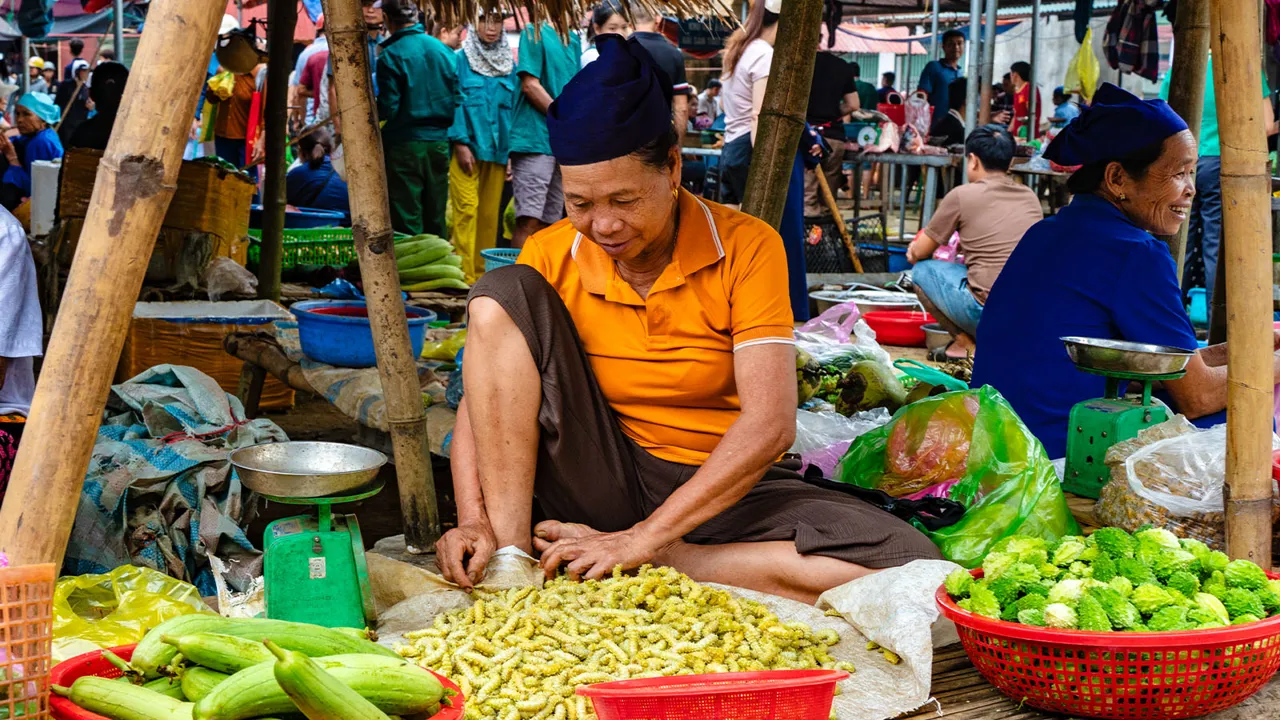

You may also like

Ha Giang Loop by Car: A Complete Guide to Exploring Northern Vietnam
Discover the Ha Giang Loop by car with this complete travel guide. Explore dramatic mountain passes, ethnic minority villages, local markets, and a 3-day itinerary through northern Vietnam.

Incense Making in Vietnam: Discover a Timeless Craft and Spiritual Tradition
Discover incense making in Vietnam, from its spiritual significance and natural ingredients to traditional production methods and visits to Quang Phu Cau incense village.

Rice Cultivation in Vietnam: 9 Stages of the Traditional Rice Farming Cycle
Discover the 9 stages of rice cultivation in Vietnam, from preparing the fields and transplanting seedlings to harvesting golden rice. Explore traditional farming techniques, seasonal landscapes, and the cultural importance of rice in Vietnamese life.
Travel ideas
Need some inspiration? Discover some of the best tours in Vietnam, which are highly appreciated by our clients. An excellent starting point to help you choose the right trip to Vietnam, Laos, Cambodia, Burma or Thailand, whether you are traveling alone, as a couple, as a family or with friends.
And because this trip is yours, feel free to customize it as you wish!
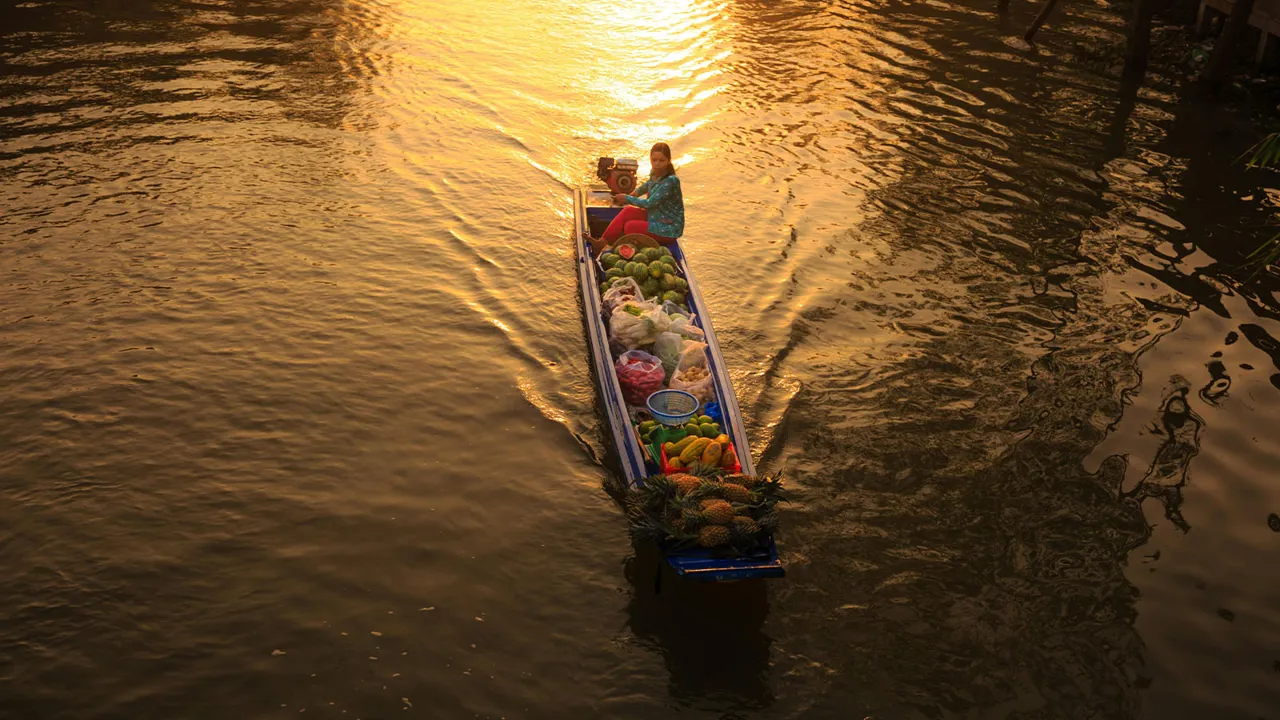
Vietnam Itinerary 2 Weeks
Hanoi - Ninh Binh - Lao Cai - Sapa - Muong Hum market - Ha Long Bay - Hue - Danang - Hoi An - Saigon - Mekong Delta - Cai Rang floating market - Departure

The Best of Ha Giang Trekking Tours
Discover Ha Giang on trekking tours where you live local life, enjoy breathtaking views and escape the crowded routes.

Vietnam and Laos 14 days
Saigon - My Tho - Da Nang- Hoian – Hue - Hanoi - Halong Bay - Vientiane Luang Prabang - Pak Ou – Khuang Si - Luang Prabang – Departure
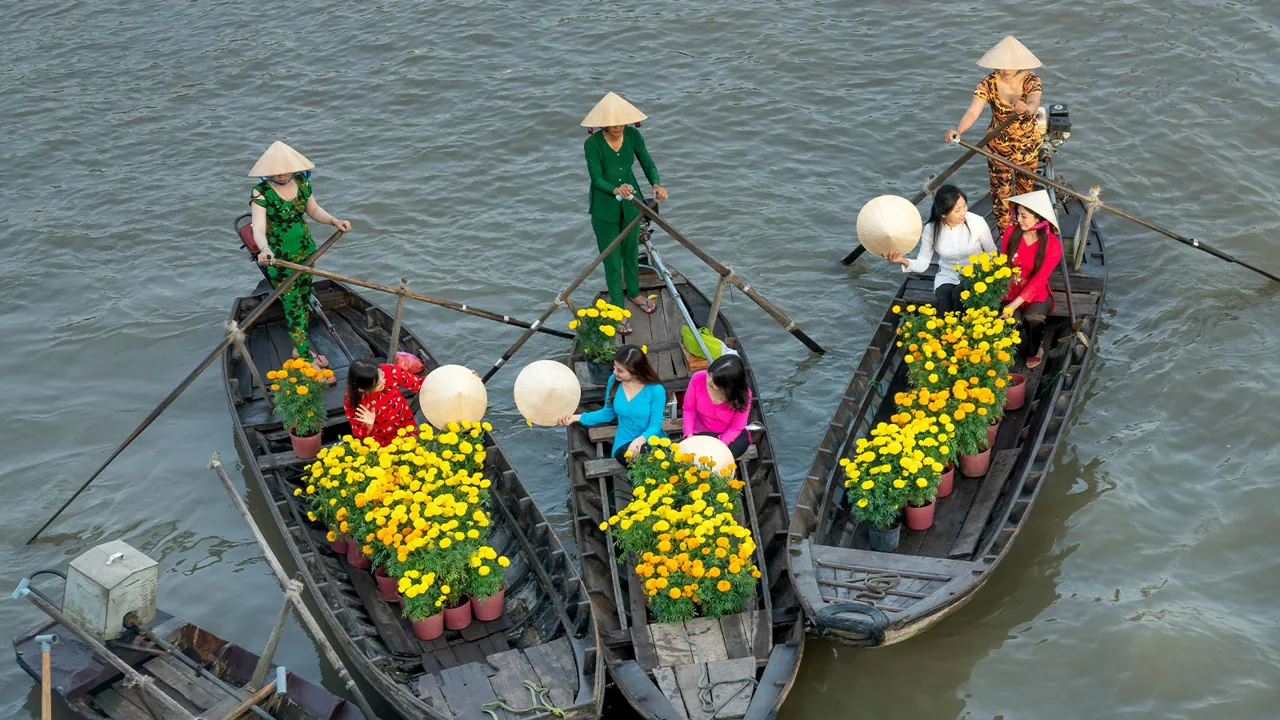
Vietnam Cambodia Itinerary 14 Days
Hanoi – Hoa Binh – Mai Chau – Ninh Binh – Halong bay – Hue - Danang – Hoian – Saigon – Ben Tre - Can Tho – Saigon - Siem Reap Angkor - Tonlé Sap - Siem Reap – Ta Prohm - Departure

Authentic Hoang Su Phi Trekking Tours
Hoang Su Phi trekking tours take you to stunning terraces, meet few tourists, connect with locals and enjoy authentic culture.

Honeymoon Tour Packages In Vietnam 12 Days
Saigon Arrival - City Tour – Mekong Delta – Danang – Hoian - by flight - Da Nang – Hanoi - by flight – Halong - overnight on junk – Departure
Are you interested in this tour?


Our testimonials
Whether it's a short or long tour, to discover must-see sites or to travel less-traveled paths, by car, junk, on foot, by bike or by motorbike... upon their return from their trip to Indochina, our clients tell us about their experiences. We thank them for entrusting us with the organization of their stay in Vietnam, Cambodia, Laos, Thailand and Myanmar!
Tailor-made trips to Vietnam
Are you a couple, a family, a group of friends? Are you planning a trip to Vietnam and/or Southeast Asia? Or maybe you want an individual, personalized trip, operated directly by a local agency? Perhaps you're thinking of a customized trip accompanied by a perfectly French-speaking guide and a private car with a professional driver... Are you the kind of traveler who likes to go where others don't? Our tailor-made tours adapt to your desires, your choices, your pace and your budget.... You decide, we create a trip that suits you!





Don't miss anything from Southeast Asia
The press talks about us




Comment
No comments yet. Be the first to leave a comment!