 Français
 Deutsch
 Italiano
 Português
 Español

Sam Mountain in Chau Doc: A Sacred Journey Through the Mekong Delta
Discover Sam Mountain in Chau Doc, a sacred Mekong Delta landmark surrounded by temples, rice fields and Cham villages. Explore its spiritual heritage, local culture, food and nearby attractions.
Sam Mountain in Chau Doc rises dramatically from the flat landscapes of Vietnam’s Mekong Delta, surrounded by rice fields, canals, temples and traditional villages. Known locally as Nui Sam, this 284-metre-high mountain is far more than a scenic viewpoint. It is one of southern Vietnam’s most important pilgrimage destinations, where spiritual traditions, local history, nature and everyday life come together.
At the foot and slopes of Sam Mountain, visitors can discover the famous Ba Chua Xu Temple, Tay An Pagoda, Phuoc Dien Pagoda and the tomb of Thoai Ngoc Hau. Beyond the mountain, Chau Doc opens onto a fascinating world of floating houses, fish farms, Cham communities, colourful mosques, bustling markets and the peaceful waterways of the Mekong Delta.
For travellers looking for a different side of Vietnam beyond Hanoi, Ha Long Bay or Hoi An, Sam Mountain and Chau Doc offer an authentic introduction to the cultural diversity of southern Vietnam.
1. Discovering Sam Mountain in Chau Doc
Located just a few kilometres from the centre of Chau Doc, Sam Mountain appears almost unexpectedly from the flat Mekong Delta. The surrounding landscape is dominated by rice paddies, waterways and villages, making the isolated mountain particularly striking.
At 284 metres above sea level, Sam Mountain is not a challenging highland destination. Its importance comes instead from its religious and cultural heritage. The slopes are dotted with temples, pagodas, shrines and tombs, creating a unique sacred landscape in the middle of the delta.
Vietnam Tourism describes Sam Mountain as Chau Doc’s most sacred site, with numerous religious buildings spread across its slopes. The mountain is particularly associated with Ba Chua Xu, a goddess whose worship has become an important part of southern Vietnamese religious culture.
For international travellers, a visit to Sam Mountain provides something different from the classic Vietnamese sightseeing experience. Rather than simply looking at monuments, you can observe how religious traditions remain part of everyday life: people buying offerings, lighting incense, visiting family shrines and travelling to the mountain during important festivals.

2. Why Is Sam Mountain a Sacred Place?
The worship of Ba Chua Xu
The most important spiritual landmark at Sam Mountain is the Ba Chua Xu Temple, dedicated to Ba Chua Xu, often translated as the Lady of the Realm.
According to local tradition, a sacred statue was discovered on the mountain and eventually brought down to the area where the temple now stands. The story has become deeply associated with the spiritual identity of Chau Doc, and Ba Chua Xu is widely venerated as a protective figure associated with peace, prosperity and wellbeing.
The annual Festival of Ba Chua Xu Goddess at Sam Mountain is the most important expression of this tradition. The festival takes place from the 22nd to the 27th day of the fourth lunar month and includes religious ceremonies, music, dance, offerings, a palanquin procession and a ceremony involving the statue of the goddess.
In 2024, UNESCO inscribed the Festival of Ba Chua Xu Goddess at Sam Mountain on the Representative List of the Intangible Cultural Heritage of Humanity. The festival is particularly significant because it brings together Kinh, Khmer, Cham and Hoa communities living in Chau Doc, highlighting the cultural interaction and social cohesion of the region.
Temples and pagodas around the mountain
Sam Mountain is not centred around a single temple. Its slopes contain a remarkable collection of religious sites, making temple-hopping one of the best ways to experience the area.
Tay An Pagoda
Tay An Pagoda is one of the most recognisable religious buildings near Sam Mountain. Its architecture combines Vietnamese Buddhist traditions with distinctive decorative influences, creating a colourful and unusual appearance.
The pagoda is particularly interesting for travellers who enjoy architecture and religious heritage. Elaborate statues, vivid colours and ornamental details create a striking contrast with the surrounding greenery.

Thoai Ngoc Hau Tomb
At the foot of Sam Mountain stands the tomb of Thoai Ngoc Hau, an important historical figure associated with the development of southern Vietnam.
Thoai Ngoc Hau played a major role in the construction of canals and agricultural infrastructure in the region, including the Vinh Te Canal. His tomb has become an important historical site in Chau Doc and provides useful context for understanding how people transformed the Mekong Delta into one of Vietnam’s major agricultural regions.
Phuoc Dien Pagoda – Hang Pagoda
Known as Chua Hang, or Cave Pagoda, Phuoc Dien Pagoda is built into the slopes of Sam Mountain. Stairs lead visitors upwards through greenery towards the pagoda and its caves.
The elevated location creates beautiful views across the surrounding rice fields and countryside. Vietnam Tourism specifically highlights Chua Hang for its panoramic views stretching towards Cambodia.
Together, these religious landmarks make Sam Mountain much more than a viewpoint. The mountain itself forms a cultural landscape where architecture, beliefs, history and nature are closely connected.
3. Nature and Panoramic Views
A mountain rising from the Mekong Delta
One of the most memorable aspects of Sam Mountain is its setting.
The Mekong Delta is overwhelmingly flat, so the sudden appearance of a mountain creates a dramatic visual contrast. From higher points on the mountain, rice fields stretch across the horizon like a green or golden carpet, interrupted by narrow roads, canals, palm trees and small villages.
On clear days, the views extend towards the Cambodian border, making Sam Mountain an excellent place to appreciate the geographical character of the western Mekong Delta.
Sunrise and late afternoon are particularly beautiful times to enjoy the landscape. The softer light gives the rice fields warmer colours while temperatures are more comfortable for walking.

Tropical vegetation
The slopes of Sam Mountain are covered with tropical vegetation, trees and flowering plants. Around the temples, mature trees provide shade and create a peaceful atmosphere that contrasts with the busier roads and pilgrimage areas below.
The mountain is not a wilderness destination in the traditional sense. Its natural environment is closely intertwined with religious buildings, paths and human activity. This combination of nature and culture is part of what makes Sam Mountain distinctive.
4. Hiking and Exploring Sam Mountain
Sam Mountain is relatively accessible and does not require advanced hiking experience.
There are several ways to explore the mountain depending on your interests and fitness level.
By road
A paved road winds around the mountain and provides easy access for cars and motorbikes. This is a convenient option for travellers who want to enjoy the views without undertaking a demanding hike.
By stairs
Walking up the stairs towards the pagodas provides a more immersive experience. Along the way, you may encounter local worshippers, small stalls, statues, incense and views opening gradually across the delta.
The climb can be taken slowly, with plenty of opportunities to stop and explore the religious sites.
By smaller paths
Some paths around the mountain offer a quieter experience away from the busiest temple areas. These routes are better suited to travellers who enjoy walking and want to experience the vegetation and atmosphere of the mountain at a slower pace.
Although Sam Mountain is not technically difficult, the tropical heat can make walking more tiring than the elevation suggests. Comfortable footwear and plenty of water are therefore essential.

5. Sam Mountain and Local Life
One of the most interesting things about Sam Mountain is that it remains a living religious destination rather than a monument preserved exclusively for tourists.
Around the temples, visitors may see families making offerings, pilgrims carrying flowers and incense, local vendors selling religious items and residents travelling between different shrines.
This everyday activity gives the mountain a strong sense of place.
Chau Doc is also home to important Cham communities, adding another layer to the cultural landscape of the region.
The Cham people of the Mekong Delta are predominantly Muslim, and their communities can be found along the waterways around Chau Doc. Visitors can explore traditional villages, observe local handicrafts and visit mosques such as Mubarak Mosque.
The pastel-coloured Mubarak Mosque stands near the Hau River and is an important religious centre for the local Cham Muslim community. Visitors are welcome, but should dress respectfully and avoid entering during prayer times unless permitted.
For travellers interested in cultural diversity, combining Sam Mountain with a visit to a Cham village creates a much broader understanding of Chau Doc.

6. Things to Do Around Sam Mountain
Explore Chau Doc Market
Chau Doc Market is a great place to experience the flavours and daily rhythm of the Mekong Delta.
The market is known for fermented fish products, dried seafood, herbs, spices, fruit and local snacks. Even if you do not plan to buy anything, walking through the market offers an opportunity to observe how food from the river and surrounding countryside becomes part of everyday cuisine.
Visit Tra Su Cajuput Forest
About 20–30 kilometres from Chau Doc, depending on the route, Tra Su Cajuput Forest is one of the region’s most atmospheric natural attractions.
The wetland forest can be explored by boat through narrow waterways surrounded by cajuput trees. Floating duckweed creates a green surface across parts of the water, while birds can often be seen among the vegetation.
Vietnam Tourism notes that the forest covers around 850 hectares and is home to more than 70 bird species.

Cruise along the Mekong waterways
A boat trip around Chau Doc offers another perspective on life in the delta.
Floating houses, fish farms, cargo boats and small riverside communities reveal how closely local livelihoods remain connected to the water. Chau Doc is particularly interesting because its location near Cambodia has historically made it an important river route between Vietnam and the neighbouring country.
Explore historical sites
Beyond Sam Mountain itself, Chau Doc has several temples, memorials and historic locations connected to the development of southern Vietnam.
The tomb of Thoai Ngoc Hau is an obvious starting point, while the city’s temples and waterfront provide further opportunities to explore local history.
Visit a Cham village and Mubarak Mosque
A boat trip across the river to a Cham community can be one of the most culturally rewarding experiences in Chau Doc.
Rather than treating the village simply as a tourist attraction, take time to observe respectfully, learn about local traditions and appreciate the cultural diversity of the Mekong Delta.
7. What to Eat in Chau Doc
Food is an essential part of any visit to Chau Doc.
Bun Ca Chau Doc
Bun ca Chau Doc, or Chau Doc fish noodle soup, is one of the region’s signature dishes. The light but aromatic broth is served with rice noodles, fish and fresh herbs, often accompanied by local vegetables.
The dish reflects the close relationship between Mekong Delta cuisine and the river.

Mam Chau Doc
Chau Doc is famous for its fermented fish products, collectively known as mam. The flavour is strong, salty and deeply savoury, and mam is used as a seasoning or served alongside other dishes.
For visitors unfamiliar with fermented fish, it can be an intense first taste of southern Vietnamese cuisine—but it is an important part of the region’s culinary identity.
Banh bo thot not
Made with palm sugar, banh bo thot not has a soft, slightly chewy texture and a distinctive caramel-like sweetness.
Palm sugar from the thot not palm is closely associated with An Giang Province, making this a particularly appropriate snack to try while travelling around Chau Doc.

Lau mam
For a group meal, try lau mam, a southern Vietnamese hot pot made with fermented fish broth, vegetables, herbs and ingredients such as fish, shrimp or meat.
Its powerful aroma and complex flavours make it one of the most distinctive dishes associated with the Mekong Delta.
8. Where to Stay in Chau Doc
Chau Doc offers accommodation ranging from simple city hotels to scenic properties around Sam Mountain.
For travellers looking for convenient access to restaurants, markets and the riverfront, staying in central Chau Doc is practical.
Options commonly included in Mekong Delta itineraries include Chau Pho Hotel, Dong Nam Hotel, Ha Long Hoteland Lux Chau Doc Hotel.
For a more scenic stay, consider Victoria Nui Sam Lodge, located on the slopes of Sam Mountain. The lodge is known for its elevated position and views across the surrounding rice fields. Current travel listings place the property on Vinh Dong 1, Nui Sam, while Vietnam-focused tour programmes also regularly use it as a higher-end accommodation option in Chau Doc.
Another established option is Victoria Chau Doc Resort, situated beside the river. Its location is particularly convenient for travellers combining accommodation with river excursions and visits to the Cham communities.
When choosing where to stay, consider your itinerary rather than simply the hotel category. A central hotel is convenient for exploring town, while staying around Sam Mountain offers a quieter atmosphere and easier access to the mountain at sunrise.
9. Best Time to Visit Sam Mountain
The dry season, generally from November to April, is a comfortable period for exploring Chau Doc and Sam Mountain. Sunny weather makes walking and sightseeing easier, although temperatures can still be high.
The rainy season from around May to October brings greener landscapes and can create beautiful conditions for photography. However, tropical showers can be heavy and may make steps or paths slippery.
For the best walking conditions, start early in the morning or visit in the late afternoon. Avoid the hottest part of the day if you plan to climb stairs.
The Ba Chua Xu Festival
If you want to experience the religious significance of Sam Mountain at its most intense, consider travelling during the Ba Chua Xu Festival.
The festival takes place from the 22nd to the 27th day of the fourth lunar month. UNESCO describes it as a major cultural event involving Kinh, Khmer, Cham and Hoa communities in Chau Doc.
However, travellers should expect larger crowds during the festival period and plan accommodation and transportation in advance.

10. How to Get to Sam Mountain
From Ho Chi Minh City
Chau Doc is roughly a day’s overland journey from Ho Chi Minh City, depending on traffic and the type of transportation chosen.
By private car: A private car is the most flexible option, particularly for families or travellers who want to combine Chau Doc with other Mekong Delta destinations.
The journey allows you to stop along the way and explore smaller towns, countryside landscapes and local attractions.
By bus: Long-distance buses connect Ho Chi Minh City with Chau Doc. This is generally the more economical option for independent travellers.
Once in Chau Doc, Sam Mountain is only a short local journey from the city centre.
By boat from Cambodia
For travellers combining Vietnam and Cambodia, Chau Doc is particularly interesting because of its location near the international river route.
Fast boats have historically connected Chau Doc with Phnom Penh, making the town a useful stop for travellers moving between the two countries. Check current schedules, border requirements and operating conditions before travelling, as international river services can change seasonally.
Getting around Chau Doc
Motorbike taxis, regular taxis and other local transport options can be used to reach Sam Mountain.
For a more comfortable sightseeing day, arranging a private car or driver can be convenient, especially if you also want to visit Tra Su Forest and a Cham village.
11. Practical Tips for Visiting Sam Mountain
Dress respectfully: Sam Mountain is an important religious destination. Wear comfortable, breathable clothing but cover your shoulders and knees when entering temples and pagodas.
Bring water: The Mekong Delta can be hot and humid. Carry water, especially if you plan to climb stairs or walk between several religious sites.
Wear comfortable shoes: Some stairs and paths can become slippery after rain. Trainers or shoes with good grip are preferable to sandals with smooth soles.
Visit early or late: Early morning and late afternoon are usually more pleasant for walking and photography. They also provide softer light over the rice fields.
Respect religious spaces: Remember that the temples are active places of worship. Keep your voice low, avoid disrupting ceremonies and ask permission before photographing worshippers or religious rituals.
A respectful attitude allows visitors to experience the site without turning a living spiritual tradition into simply another tourist attraction.

12. Why Include Sam Mountain in Your Vietnam Itinerary?
Living spirituality: Sam Mountain allows travellers to witness religious traditions as part of everyday life. Incense, offerings, temples and pilgrimages remain an active part of the local community.
Peaceful Mekong Delta landscapes: The elevated viewpoints provide a completely different perspective on the delta, with rice fields, canals and villages stretching towards the horizon.
Rich history: From the tomb of Thoai Ngoc Hau to the temples and pagodas around the mountain, Chau Doc offers an opportunity to understand the history of southern Vietnam and the development of the Mekong Delta.
Cultural diversity: Kinh, Khmer, Cham and Hoa cultural influences can all be encountered in and around Chau Doc. The presence of Cham Muslim communities is particularly distinctive and offers international visitors an opportunity to discover a lesser-known aspect of Vietnam.
Authentic local experiences: Markets, river cruises, floating houses, fish farms, local food and village life make Chau Doc a destination where travellers can experience the Mekong Delta beyond the most familiar tourist routes.
Sam Mountain in Chau Doc: A Different Side of Vietnam
Sam Mountain is not the highest mountain in Vietnam, nor is it a destination for extreme hiking. Its appeal lies somewhere else.
Here, a small mountain rises from an immense delta plain, surrounded by sacred temples, rice fields, waterways and communities with different cultural traditions. Pilgrims come to pray at Ba Chua Xu Temple, travellers climb the steps of Chua Hang, boats move quietly along the Mekong and Cham villages continue their distinctive religious and cultural traditions.
The result is a destination where spirituality, history, nature and everyday life exist side by side.
For travellers exploring southern Vietnam, spending time in Chau Doc and visiting Sam Mountain can reveal a quieter and more culturally diverse side of the Mekong Delta. It is a place to slow down, look beyond the major tourist attractions and discover how deeply the river, the land and local traditions remain connected.
A visit to Sam Mountain is therefore not simply about reaching the top of a 284-metre hill. It is about discovering one of the Mekong Delta’s most fascinating living cultural landscapes.
>>> Top 4 Reasons to Visit Chau Doc, Vietnam
>>> The Floating Village in Chau Doc: A Vibrant River Life in An Giang, Vietnam

Thao is a senior travel consultant and tour designer at Vietnam Original Travel. With a deep passion for sustainable tourism and personalized service, she crafts tailor-made itineraries that balance adventure, culture, and relaxation. Thao finds joy in transforming travel dreams into memorable experiences — from romantic escapes in Hoi An to family adventures in the northern mountains.
Send us your comments about : Sam Mountain in Chau Doc: A Sacred Journey Through the Mekong Delta
Required fields*
You may also like
You may also like

Con Dao Prison: 113 years behind the island's walls
What Con Dao Prison was, what you will see in the French and American tiger cages, which sites to prioritise, how to fit them into a two- or three-day island stay and how to visit Hang Duong Cemetery respectfully after dark, with or without a local guide.

Senior Travel in Vietnam: A Gentle Journey Through Culture, Nature and Local Life
Discover senior travel in Vietnam through slower, more comfortable journeys blending culture, nature, cuisine and local encounters, with cruises, wellness and travel tips

St. Joseph’s Cathedral in Hanoi: A Living Symbol of Faith, History and Everyday Life
Discover St. Joseph’s Cathedral in Hanoi, a historic Gothic landmark in the Old Quarter where French colonial heritage, Catholic faith and everyday Hanoi life come together.
Travel ideas
Need some inspiration? Discover some of the best tours in Vietnam, which are highly appreciated by our clients. An excellent starting point to help you choose the right trip to Vietnam, Laos, Cambodia, Burma or Thailand, whether you are traveling alone, as a couple, as a family or with friends.
And because this trip is yours, feel free to customize it as you wish!
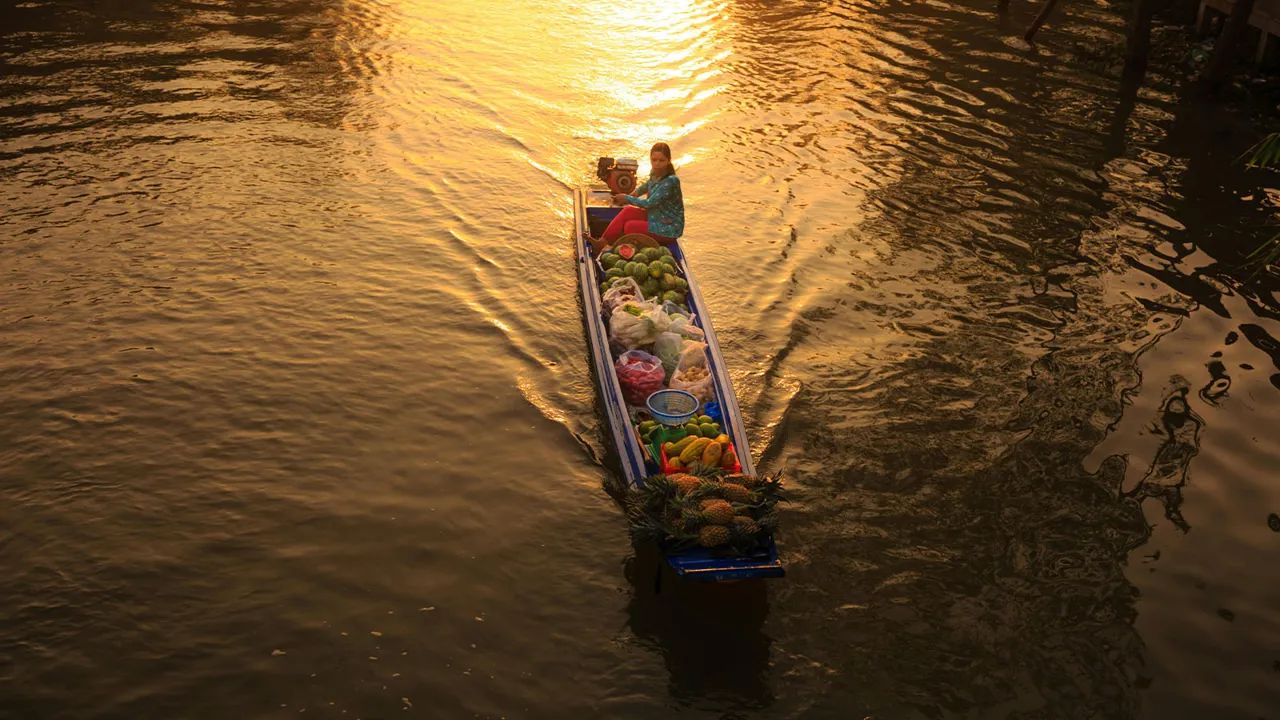
Vietnam Itinerary 2 Weeks
Hanoi - Ninh Binh - Lao Cai - Sapa - Muong Hum market - Ha Long Bay - Hue - Danang - Hoi An - Saigon - Mekong Delta - Cai Rang floating market - Departure

The Best of Ha Giang Trekking Tours
Discover Ha Giang on trekking tours where you live local life, enjoy breathtaking views and escape the crowded routes.

Vietnam and Laos 14 days
Saigon - My Tho - Da Nang- Hoian – Hue - Hanoi - Halong Bay - Vientiane Luang Prabang - Pak Ou – Khuang Si - Luang Prabang – Departure
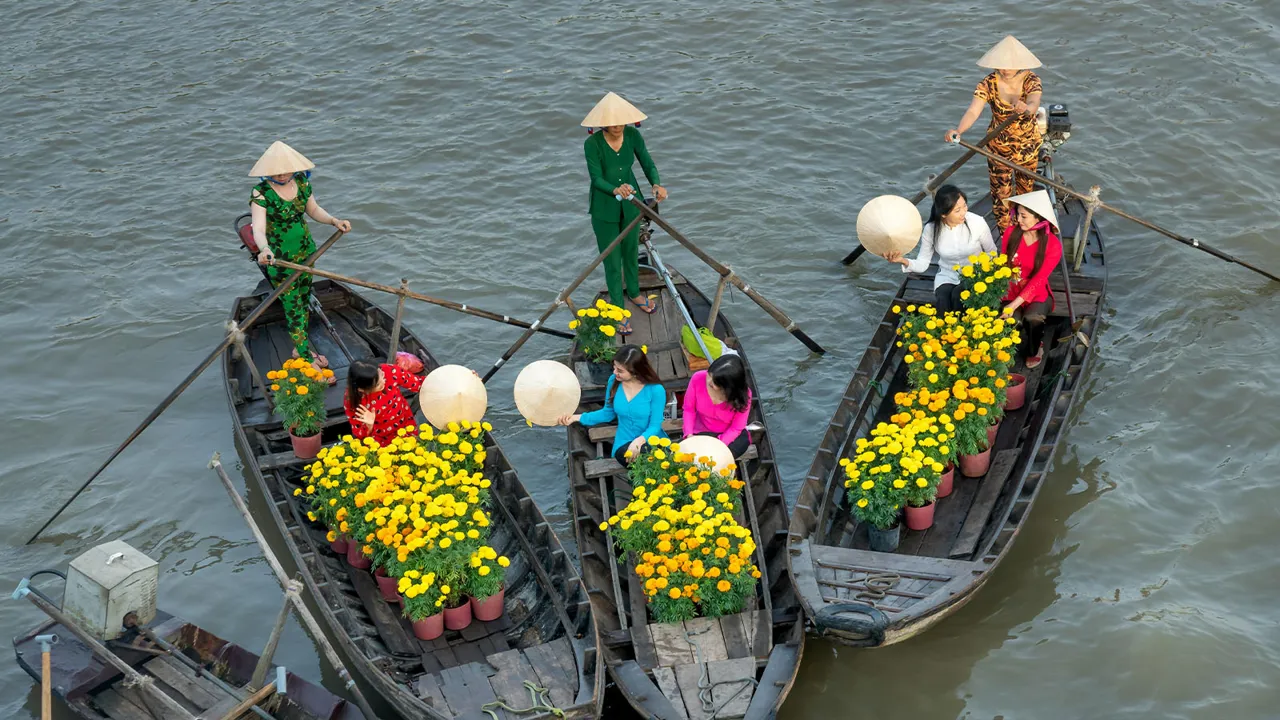
Vietnam Cambodia Itinerary 14 Days
Hanoi – Hoa Binh – Mai Chau – Ninh Binh – Halong bay – Hue - Danang – Hoian – Saigon – Ben Tre - Can Tho – Saigon - Siem Reap Angkor - Tonlé Sap - Siem Reap – Ta Prohm - Departure

Authentic Hoang Su Phi Trekking Tours
Hoang Su Phi trekking tours take you to stunning terraces, meet few tourists, connect with locals and enjoy authentic culture.

Honeymoon Tour Packages In Vietnam 12 Days
Saigon Arrival - City Tour – Mekong Delta – Danang – Hoian - by flight - Da Nang – Hanoi - by flight – Halong - overnight on junk – Departure
Are you interested in this tour?

Our testimonials
Whether it's a short or long tour, to discover must-see sites or to travel less-traveled paths, by car, junk, on foot, by bike or by motorbike... upon their return from their trip to Indochina, our clients tell us about their experiences. We thank them for entrusting us with the organization of their stay in Vietnam, Cambodia, Laos, Thailand and Myanmar!
Tailor-made trips to Vietnam
Are you a couple, a family, a group of friends? Are you planning a trip to Vietnam and/or Southeast Asia? Or maybe you want an individual, personalized trip, operated directly by a local agency? Perhaps you're thinking of a customized trip accompanied by a perfectly French-speaking guide and a private car with a professional driver... Are you the kind of traveler who likes to go where others don't? Our tailor-made tours adapt to your desires, your choices, your pace and your budget.... You decide, we create a trip that suits you!
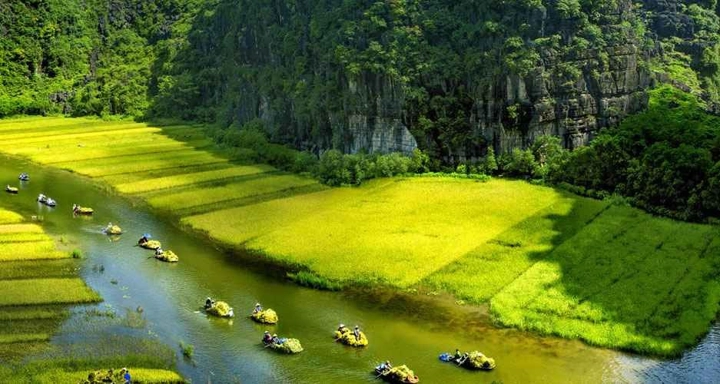

Don't miss anything from Southeast Asia
The press talks about us



Comment
No comments yet. Be the first to leave a comment!