 Français
 Deutsch
 Italiano
 Português
 Español

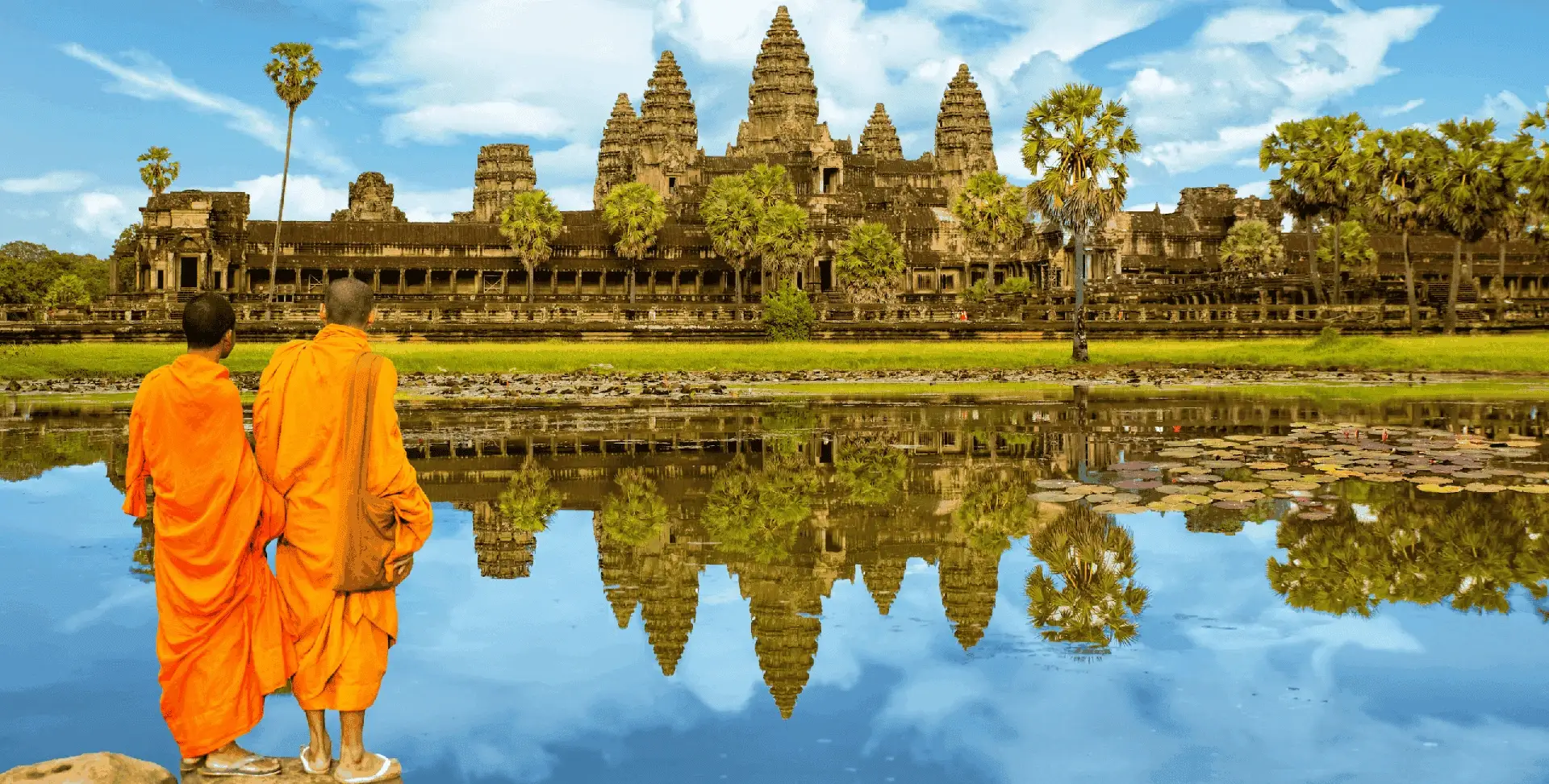
Vietnam travel safety guide 2027
Is Vietnam safe to travel in 2027? Discover what international visitors should know about Vietnam's political environment, personal security, road conditions, health risks and seasonal weather before planning their journey.
Is Vietnam safe to visit in 2027?
For holidays, cultural visits and independent travel, Vietnam is generally a manageable destination for visitors who plan sensibly. The main risks are not usually associated with an ongoing armed conflict or widespread political violence affecting ordinary tourist itineraries. Instead, the level of care required depends on where you go and what you plan to do. A walk around Hanoi’s Old Quarter or Hoi An’s historic centre is different from riding a motorbike along a remote mountain pass in heavy rain.
Vietnam’s political situation: what should tourists know?
If you are wondering is Vietnam safe to travel in 2027, the short answer is yes. Vietnam travel safety remains consistently high, making it a welcoming and reliable destination for international visitors, including first-time travellers and solo explorers.
Understanding the Vietnam political situation helps explain this stability. Vietnam is a one-party socialist republic and a peaceful country free from armed conflict or major civil unrest. According to standard Vietnam travel advisory guidelines, the local political system rarely affects daily tourism, airports, hotels, and popular attractions across the country operate normally and safely.
To ensure a smooth trip, tourists simply need to follow a few practical rules. Avoid joining any demonstrations or unauthorised public gatherings, refrain from photographing military bases or restricted security facilities, and approach sensitive political topics respectfully when chatting with locals. Otherwise, visitors are free to explore Vietnam’s rich history through museums, heritage sites, and cultural tours with complete peace of mind.
What are the main safety risks for tourists in Vietnam?
A realistic Vietnam travel safety guide should look beyond politics. Most of the practical precautions visitors need concern transport, belongings, scams, food and health.
1. Road traffic and motorbike accidents
Motorbikes are common in Vietnamese cities, where cars, buses, bicycles and pedestrians share busy roads. Crossing in Hanoi or Ho Chi Minh City can feel intimidating. Walk at a steady, predictable pace, look both ways and avoid sudden movements. If unsure, wait for a suitable gap or cross with a group.
Motorbike accidents are a more serious concern, particularly for inexperienced riders. Mountain routes around Ha Giang, Sapa and Cao Bang can include steep gradients, sharp bends, uneven surfaces, fog and rapidly changing weather. If you are not an experienced motorcyclist, consider a professional driver or an organised excursion instead of renting a bike.
2. Petty theft and bag snatching
Opportunistic theft can occur in crowded areas, markets and transport hubs. Phone and bag snatching by motorbike riders is a recognised risk in Ho Chi Minh City. Keep your phone away from the roadside, carry bags on the side away from traffic, avoid displaying valuables and store passports securely. Keep a digital copy of important documents separately.
If someone tries to snatch your bag, do not fight back or put yourself in danger to recover a phone or wallet. Your personal safety is more important than replacing a possession.
3. Scams and overcharging
Unclear taxi fares, inflated prices, unofficial airport transfers, and tour services that differ from their advertisements can affect a visitor’s budget and experience. Always agree on prices before using a service and stick to established booking channels.
If you are an independent traveller, ride-hailing apps with upfront pricing are the easiest way to avoid fare disputes. Alongside popular options like Grab, be, Xanh SM (which already selects English-speaking drivers for its premium VinFast VF 8 and 7-seater services) officially launched Green Travel in September 2026, a dedicated service featuring English-speaking drivers tailored specifically for international tourists. All platforms display estimated fares clearly while verifying the driver and vehicle details.
In local markets, friendly negotiation is common, though you can always politely decline an offer you do not understand or want. For longer journeys, cruises, and outdoor excursions, research the operator rather than choosing on price alone, as an unusually cheap offer may compromise on safety standards or inclusions. To bypass these risks altogether and ensure transparent pricing from start to finish, consider planning your itinerary with a reputable local travel agency like Vietnam Original Travel.
4. Food safety and drinking water
Vietnam’s food is a highlight, from bun cha in Hanoi to cao lau in Hoi An. Unfamiliar ingredients and food hygiene can sometimes cause stomach discomfort. Choose freshly prepared food, ideally served hot. A busy stall can be reassuring, although it is no guarantee of hygiene.
Drink bottled water from sealed containers or properly treated water. Be cautious with ice if you are unsure of its source, and wash your hands before eating. Travellers with allergies should carry a translated allergy card because dishes may contain fish sauce, peanuts, shellfish or other ingredients that are not obvious from a menu. Buy alcohol from reputable establishments, keep an eye on your drink and avoid homemade or unlabelled spirits; illicit alcohol can carry a serious risk of methanol poisoning.
5. Health risks, mosquitoes and air quality
Dengue is present in Vietnam throughout the year, with transmission often increasing during the rainy season. Use insect repellent, wear suitable clothing in mosquito-prone areas and choose accommodation with screens or air conditioning where possible. Before departure, consult a healthcare professional or travel clinic about recommended vaccinations and any medication you may need. Destination-specific guidance is available from the US Centers for Disease Control and Prevention’s Vietnam travel health page.
Air quality is another consideration, particularly in Hanoi during the cooler months, when pollution can worsen. Travellers with asthma or other respiratory conditions, as well as young children and older visitors, may wish to monitor air-quality information and adjust outdoor activities on days with elevated pollution. Bring basic medication, keep prescriptions in their original packaging and know where to seek medical help if you become unwell.
Is it safe to travel around Vietnam independently?
Independent travel is possible, with major destinations connected by flights, trains, buses, private transfers and local transport. Choose according to distance, road conditions, budget and planned activities.
Travelling between major cities
Domestic flights are often convenient for longer distances. The railway is useful along the north–south corridor, including journeys between Hanoi, Hue, Da Nang and Ho Chi Minh City. Sleeper buses can be a budget-friendly alternative, but journeys may be long and overnight road travel requires careful operator selection. Choose established transport companies, confirm departure and arrival details, and keep valuables with you rather than placing them in checked luggage.
Exploring northern mountain regions
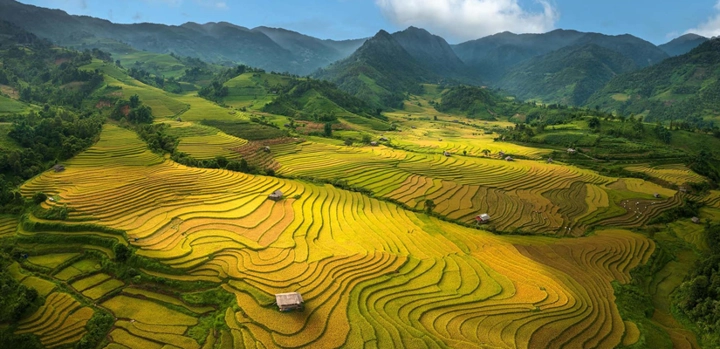
Northern Vietnam’s landscapes, from the rice terraces of Mu Cang Chai to the mountains of Ha Giang and valleys around Sapa, are rewarding but require more preparation than a city break. Rain can make roads slippery, fog can reduce visibility and landslides may affect routes. Visitors without local riding experience may find a professional driver more comfortable. If you join a motorbike tour, ask about the driver’s experience, insurance, protective equipment and emergency arrangements.
Visiting islands and coastal destinations
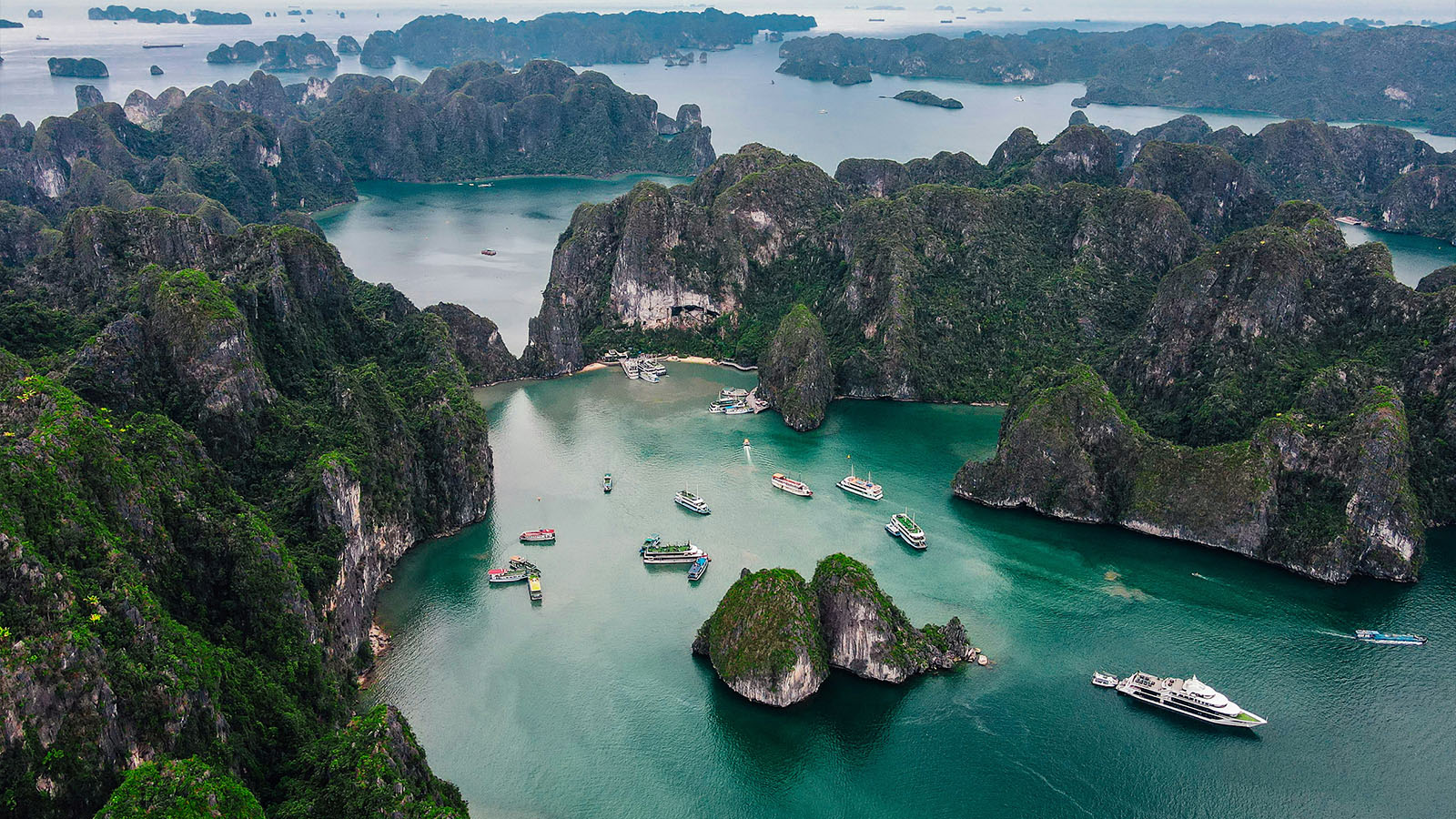
Boat trips and island excursions are popular in Ha Long Bay, Lan Ha Bay, Cat Ba and the southern islands. Choose registered operators, check the weather and listen to the safety briefing. Life jackets should be available, and you should not feel pressured to join an excursion when conditions are unsuitable. For an overnight cruise, ask about the vessel’s safety arrangements, crew qualifications and procedures for bad weather rather than judging by photographs and price alone.
Is Vietnam safe for different types of travellers?
Whether you are wondering is Vietnam safe for first-time visitors, is Vietnam safe for American tourists, or is Vietnam safe for European tourists, the experience largely comes down to how you structure your itinerary. A few practical adjustments can make the journey effortless for any travel style.
Solo travellers and solo female travellers
For anyone asking is Vietnam safe for solo travellers, major hubs and tourist towns are well-equipped with reliable transport, busy cafes, and reputable stays. Solo female travellers can explore comfortably by sticking to basic street smarts: book registered taxis or established ride-hailing apps late at night, keep your bag secure in crowded streets, and never leave drinks unattended. While city hopping is straightforward, heading into remote mountain villages requires booking transfers and homestays in advance—and letting your host or a friend know your route.
Families travelling with children
Vietnam is a rewarding destination for families, from peaceful boat rides in Ninh Binh to beach days in Da Nang and heritage walks in Hue. With kids in tow, the main priorities are practical: keep a close eye during busy road crossings, stay hydrated in the tropical heat, and stick to busy, reputable eateries for food hygiene. Since long overland drives can tire young children out, spacing out travel days and requesting private cars with seat belts makes a noticeable difference.
Older travellers
Senior visitors can comfortably experience Vietnam without feeling rushed by opting for a slower-paced itinerary. Staying in centrally located hotels cuts down on daily walking, while private transfers and guided excursions take the stress out of navigating busy streets or transit hubs. If you take regular medication, bring enough for the entire trip along with your prescriptions, and double-check that your travel insurance covers private international clinics in major cities.
Weather and natural disasters: when should you be more careful?
Because Vietnam stretches across three distinct climate zones, checking a single nationwide forecast rarely tells the full story. Understanding seasonal shifts is key to deciding is it safe to travel around Vietnam during your chosen dates, as weather directly affects mountain roads, coastal boat trips, and outdoor excursions.
Northern Vietnam
The north experiences four distinct seasons, with hot, rainy summers and cool, misty winters. Between June and August, heavy downpours can trigger landslides and make rural mountain passes slippery. If you are heading to Ha Giang, Sapa, or Cao Bang for trekking or motorbike loops, always check local forecasts before setting out.
Central Vietnam
The central coast is the region most exposed to typhoons and seasonal flooding, typically peaking from September to November. Heavy rain in Hue, Da Nang, and Hoi An can temporarily flood streets, disrupt train schedules, and halt river boat trips. Because storm timing varies each year, keeping a flexible itinerary during autumn helps minimize Vietnam travel risks in 2027.
Southern Vietnam
Southern Vietnam follows a tropical rhythm with a dry season and a rainy season (roughly May to October). Afternoon rain usually arrives in short, intense bursts rather than all-day storms, meaning sightseeing rarely stops for long. However, high tides combined with heavy rain can cause localized street flooding in Ho Chi Minh City or alter boat routes in the Mekong Delta.
Practical tips for handling extreme weather
A few common-sense Vietnam safety tips for tourists go a long way when weather turns unpredictable:
- Never walk, ride, or drive through deep floodwater, and avoid mountain trails if local authorities issue landslide warnings.
- If a storm disrupts your plans, reach out to your hotel, airline, or local tour operator first—they can help rebook transport safely rather than leaving you stranded.
- Make sure your travel insurance explicitly covers weather-related trip interruptions and flight delays before you depart.
What should tourists avoid in Vietnam?
Vietnam is a welcoming destination, and knowing a few local laws and cultural norms will keep your trip completely hassle-free. To stay on the safe side, keep these key points in mind:
- Driving without proper credentials or after drinking: Vietnam enforces a strict zero-tolerance policy on drink-driving. If you plan to rent a motorbike, make sure you hold a valid International Driving Permit (IDP) recognized in Vietnam along with appropriate insurance, as riding illegally voids coverage if an accident happens.
- Drugs and restricted security areas: Possessing or using illegal substances carries severe legal penalties in Vietnam. Likewise, avoid joining unauthorised political gatherings and never photograph military bases, police stations, or border checkpoints.
- Straying off marked paths in former war zones: While major cities and tourist hubs are completely safe, unexploded ordnance (UXO) remains a risk in certain rural areas—particularly in central provinces like Quang Tri. Always stick to marked trails and paved roads when exploring the countryside, and never touch unfamiliar metal objects on the ground.
- Disrespecting cultural and religious etiquette: When visiting temples, pagodas, or mausoleums, cover your shoulders and knees, remove your shoes before entering prayer halls, and always ask permission before taking close-up photos of locals.
How to prepare for a safe trip to Vietnam in 2027
A little smart planning goes a long way toward ensuring is Vietnam safe to travel in 2027 becomes an easy "yes"—especially if you are researching is Vietnam safe for first-time visitors. Before you pack your bags, run through these five practical essentials:
Check your passport and visa
Make sure your passport is valid for at least six months beyond your arrival date. Vietnam’s e-visa system offers single- and multiple-entry visas valid for up to 90 days—always apply directly through the official immigration portal (evisa.gov.vn) to avoid unnecessary agency markups or scam sites. Once approved, double-check your full name, passport number, entry date, and permitted stay, as overstaying even by a day results in fines and departure delays.
Purchase suitable travel insurance
Do not rely on a bare-bones policy. Choose travel insurance that covers medical treatment, emergency evacuation, and trip cancellations—and read the fine print if your itinerary includes motorbike rentals, high-altitude trekking in the north, or water sports, as standard plans often exclude adventure activities.
Save important contact information
Keep offline copies of your hotel addresses, flight details, and your embassy’s contact number on your phone. It is also smart to save Vietnam’s local emergency numbers: 113 for police, 114 for fire and rescue, and 115 for medical emergencies.
Choose transport and activities carefully
Book airport transfers, sleeper buses, Ha Long Bay cruises, and guided tours through established operators rather than chasing the cheapest street deal. For winding mountain roads in places like Ha Giang or Sapa, an experienced local driver is non-negotiable; for kayaking or boat trips, check that proper life jackets are provided before boarding.
Check travel advice again before departure
Entry rules and local weather can shift between the time you book and the day you fly. Take five minutes a few days before departure to review your government’s latest Vietnam travel advisory and check regional weather forecasts, particularly if you are visiting during the autumn storm season or heading into remote highlands.
Frequently asked questions about Vietnam travel safety in 2027
Is Vietnam safe to visit for tourists in 2027?
Yes. Vietnam remains one of Southeast Asia’s safest destinations, with violent crime against visitors being rare. The main everyday concerns are chaotic urban traffic, petty theft like bag snatching in crowded spots, overcharging scams, and seasonal weather. Taking normal city precautions is usually enough for a trouble-free trip.
Is Vietnam safe for American and European tourists?
Yes. Major Western governments—including the US Department of State (Level 1: Exercise Normal Precautions), the UK FCDO, and Australia’s Smartraveller—consistently place Vietnam at their lowest travel risk tier. Nationality does not make an ordinary itinerary unsafe; simply follow local laws, keep valuables secure, and review your government’s latest Vietnam travel advisory before flying.
Is Vietnam safe for solo travellers and women travelling alone?
Very much so. Both solo men and solo female travellers regularly explore Vietnam without issue. Stick to well-reviewed accommodations, use registered taxis or ride-hailing apps like Grab and Xanh SM late at night, watch your drinks at busy bars, and book transport in advance when heading into remote mountain regions.
Is it safe to walk around Hanoi and Ho Chi Minh City at night?
Central tourist districts—such as Hanoi’s Old Quarter and Ho Chi Minh City’s District 1—stay lively well into the evening, and walking between restaurants and hotels is common. Stick to well-lit main streets, carry your bag on the side away from traffic to prevent motorbike snatching, and take an app-booked car for longer late-night distances.
Is street food safe to eat in Vietnam?
Yes, and trying it is a highlight of any trip. To avoid an upset stomach, pick busy stalls with high food turnover where dishes are cooked fresh in front of you, avoid raw or undercooked items if you have a sensitive stomach, and inform vendors clearly if you have severe food allergies.
Is it safe to rent a motorbike in Vietnam?
Riding a motorbike in Vietnam is challenging due to dense city traffic and steep mountain passes. Only ride if you are an experienced motorcyclist holding a valid International Driving Permit (IDP) recognized in Vietnam and comprehensive insurance. Otherwise, hiring a local driver or using ride-hailing apps is far safer.
Is Vietnam safe during the rainy season?
You can visit year-round, as weather patterns differ sharply by region. Southern Vietnam sees brief afternoon downpours that rarely disrupt plans, whereas central Vietnam (Hue, Da Nang, Hoi An) faces typhoon and flooding risks mainly from September to November. Keep your autumn itinerary flexible and monitor regional forecasts.
Are there political protests in Vietnam?
Public protests are rare and are not something tourists normally encounter. As Vietnam is a one-party state with strict laws on public assembly, visitors should steer clear of any unauthorised demonstrations and follow local authority instructions.
Is tap water safe to drink in Vietnam?
No, avoid drinking untreated tap water anywhere in Vietnam. Stick to sealed bottled water (including for brushing your teeth if you have a sensitive stomach). Ice served at established restaurants, hotels, and cafes is commercially produced and generally safe, though it is best to skip ice at basic roadside stalls.
What should I do in an emergency in Vietnam?
Call Vietnam’s local emergency services immediately: 113 for police, 114 for fire and rescue, and 115 for an ambulance (or 112 for search and rescue). Note that operators mainly speak Vietnamese, so asking your hotel reception or tour guide to call on your behalf often gets faster results. Keep digital copies of your passport, travel insurance, and embassy contact details saved offline.
Final thoughts: is Vietnam worth visiting in 2027?
Vietnam remains a deeply rewarding destination, offering an unforgettable mix of rich heritage, dramatic landscapes, vibrant street life, and warm hospitality. For the vast majority of visitors, the main safety concerns are not reasons to stay away, but simple everyday logistics—like navigating busy traffic, watching seasonal weather, and booking reliable transport—that are easily managed with a bit of preparation.
Ultimately, travelling safely in Vietnam comes down to knowing what to expect and having the right local support if plans shift. With smart planning, is Vietnam safe to travel in 2027? Without a doubt—and it is well worth the journey.
Planning your Vietnam trip? Let our local travel consultants handle the details
Organising a trip to a new destination comes with plenty of practical questions—from choosing safe mountain routes and vetted drivers to adjusting your schedule around regional weather. You do not have to figure it all out on your own.
At Vietnam Original Travel, our local travel consultants build custom itineraries tailored around your pace, comfort level, and travel style. Whether you are planning a first-time visit, a family holiday, or an overland adventure through northern Vietnam, we take care of reliable transport, experienced local guides, and smooth logistics so you can simply focus on enjoying the trip.
Reach out to Vietnam Original Travel for a personalized consultation and start planning your 2027 journey with complete peace of mind.
Thuy Nguyen is a passionate travel blogger and storyteller who has spent years exploring the hidden corners of Vietnam and Southeast Asia. With a love for authentic experiences, she writes about local life, culture, and off-the-beaten-path adventures. Through her words, Anh invites readers to travel deeper, connect with people, and find beauty in every journey — whether it’s a quiet sunrise in Hoi An or a mountain trail in Ha Giang.
Send us your comments about : Vietnam travel safety guide 2027
Required fields*
You may also like
You may also like

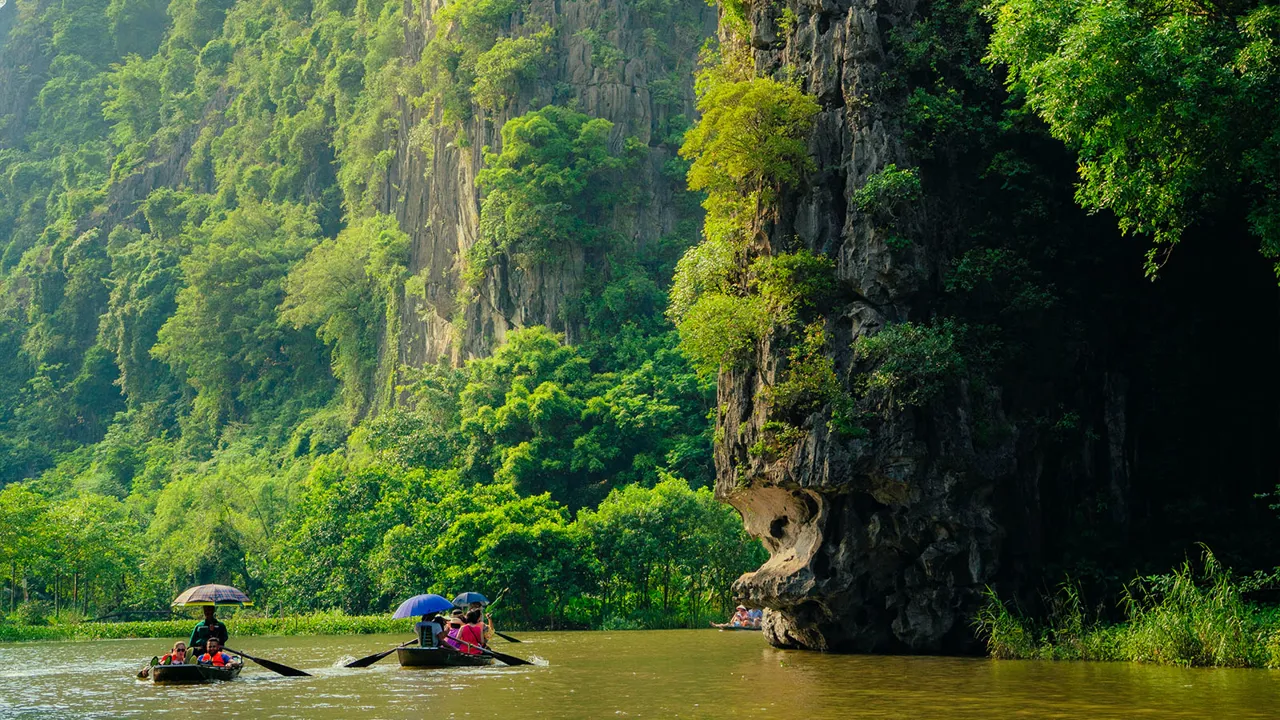
Traveling in Vietnam During Tet (Lunar New Year 2027): Dates, What Closes & Essential Survival Guide
Planning a trip to Vietnam during Tet Lunar New Year 2027? Learn exact holiday dates, what shops and restaurants close, transport survival tips, and how to enjoy the festive magic.

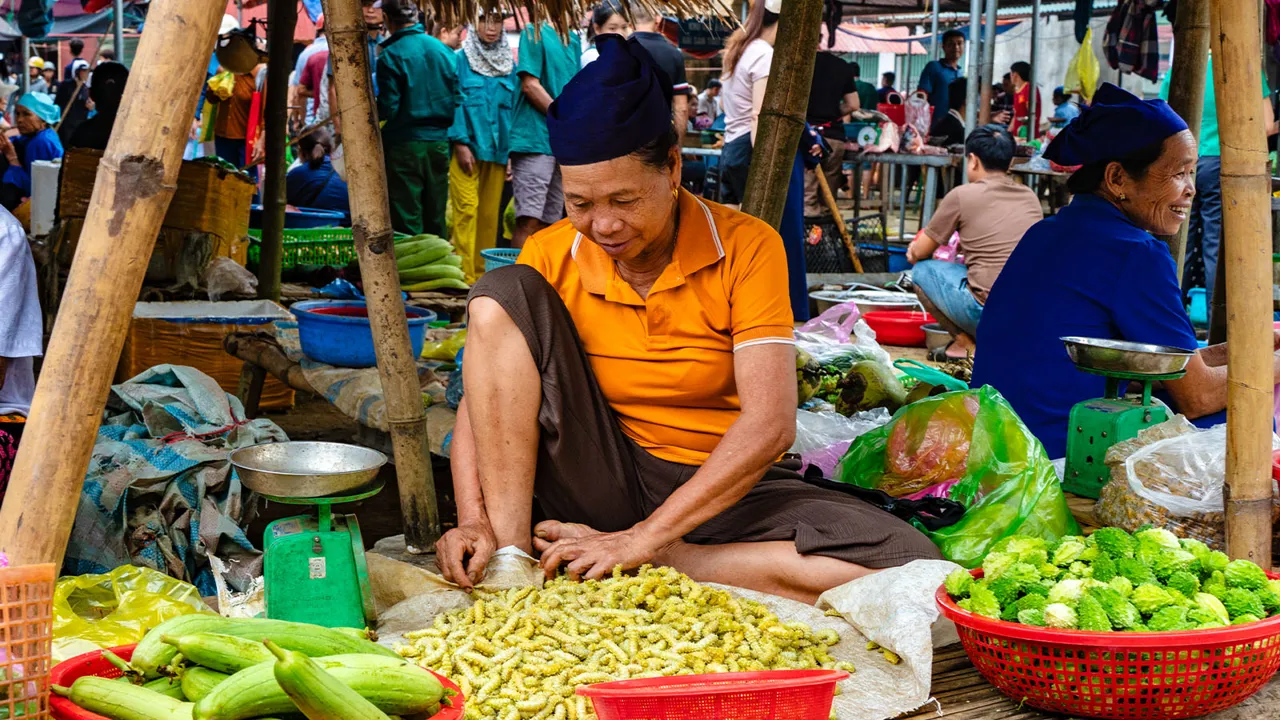
Who lives where: ethnic minorities in northern Vietnam
A province-by-province guide to the Tay, Thai, Hmong, Dao and other peoples of the north: where each group lives, market days and respectful ways to visit.

Lan Ha Bay vs Halong Bay: Which Cruise Is Truly Better for You? (2026 - 2027 Comparison)
Debating between Halong Bay and Lan Ha Bay? Compare crowds, water cleanliness, luxury cruises, kayaking, and cave excursions to pick your perfect Vietnam bay cruise.
Travel ideas
Need some inspiration? Discover some of the best tours in Vietnam, which are highly appreciated by our clients. An excellent starting point to help you choose the right trip to Vietnam, Laos, Cambodia, Burma or Thailand, whether you are traveling alone, as a couple, as a family or with friends.
And because this trip is yours, feel free to customize it as you wish!
Vietnam Itinerary 2 Weeks
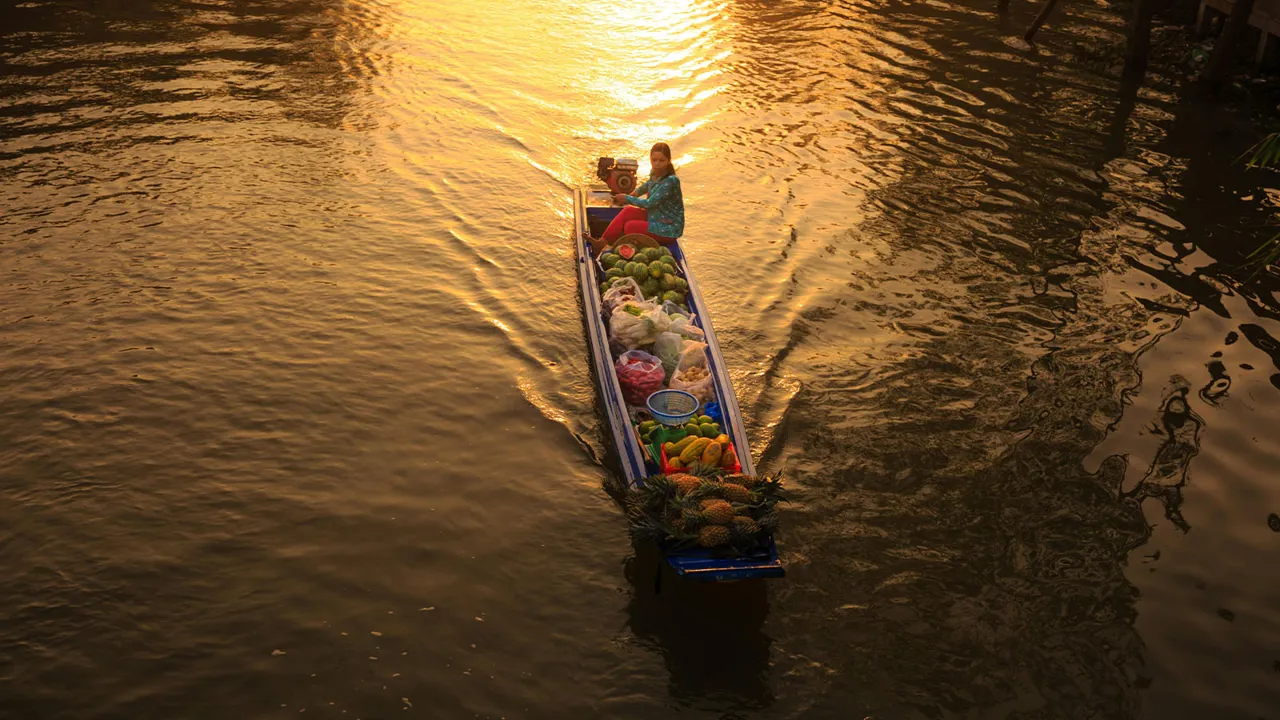
Hanoi - Ninh Binh - Lao Cai - Sapa - Muong Hum market - Ha Long Bay - Hue - Danang - Hoi An - Saigon - Mekong Delta - Cai Rang floating market - Departure

The Best of Ha Giang Trekking Tours
Discover Ha Giang on trekking tours where you live local life, enjoy breathtaking views and escape the crowded routes.

Vietnam and Laos 14 days
Saigon - My Tho - Da Nang- Hoian – Hue - Hanoi - Halong Bay - Vientiane Luang Prabang - Pak Ou – Khuang Si - Luang Prabang – Departure
Vietnam Cambodia Itinerary 14 Days
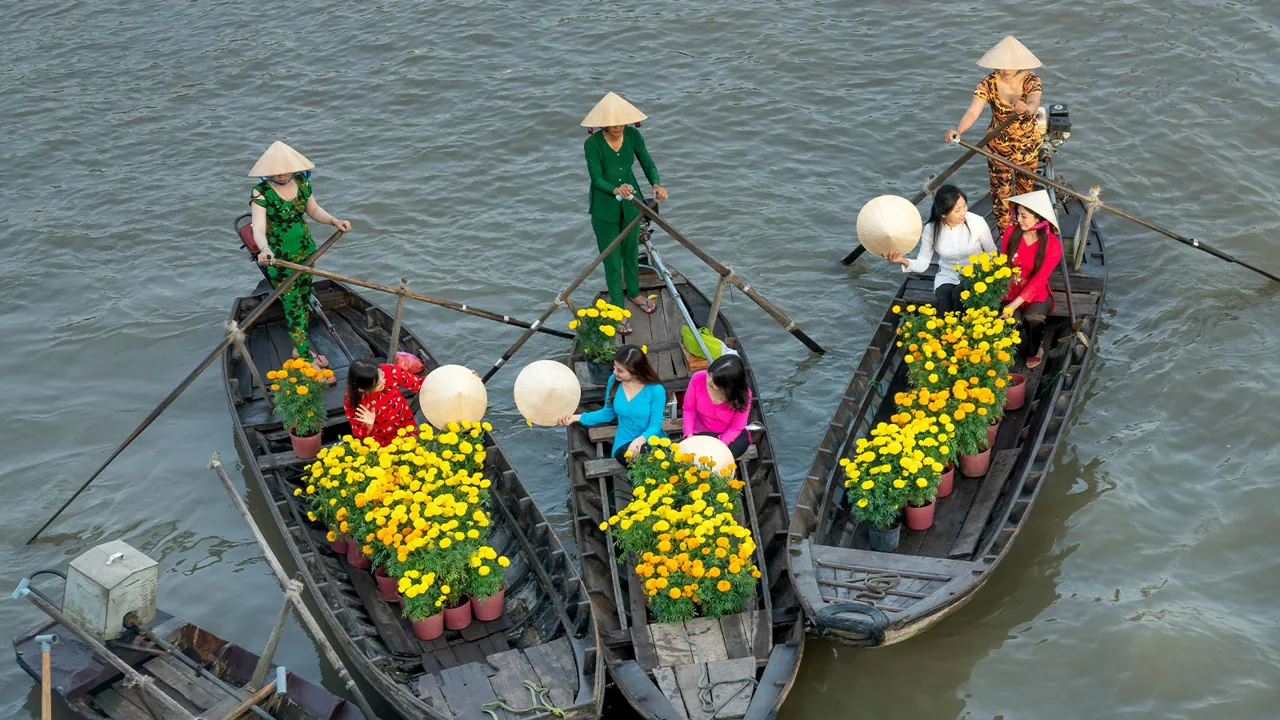
Hanoi – Hoa Binh – Mai Chau – Ninh Binh – Halong bay – Hue - Danang – Hoian – Saigon – Ben Tre - Can Tho – Saigon - Siem Reap Angkor - Tonlé Sap - Siem Reap – Ta Prohm - Departure

Authentic Hoang Su Phi Trekking Tours
Hoang Su Phi trekking tours take you to stunning terraces, meet few tourists, connect with locals and enjoy authentic culture.

Honeymoon Tour Packages In Vietnam 12 Days
Saigon Arrival - City Tour – Mekong Delta – Danang – Hoian - by flight - Da Nang – Hanoi - by flight – Halong - overnight on junk – Departure
Are you interested in this tour?


Our testimonials
Whether it's a short or long tour, to discover must-see sites or to travel less-traveled paths, by car, junk, on foot, by bike or by motorbike... upon their return from their trip to Indochina, our clients tell us about their experiences. We thank them for entrusting us with the organization of their stay in Vietnam, Cambodia, Laos, Thailand and Myanmar!
Tailor-made trips to Vietnam
Are you a couple, a family, a group of friends? Are you planning a trip to Vietnam and/or Southeast Asia? Or maybe you want an individual, personalized trip, operated directly by a local agency? Perhaps you're thinking of a customized trip accompanied by a perfectly French-speaking guide and a private car with a professional driver... Are you the kind of traveler who likes to go where others don't? Our tailor-made tours adapt to your desires, your choices, your pace and your budget.... You decide, we create a trip that suits you!

Don't miss anything from Southeast Asia
The press talks about us




Comment
No comments yet. Be the first to leave a comment!