 Français
 Deutsch
 Italiano
 Português
 Español


Who lives where: ethnic minorities in northern Vietnam
A province-by-province guide to the Tay, Thai, Hmong, Dao and other peoples of the north: where each group lives, market days and respectful ways to visit.
Ethnic minorities of northern Vietnam: who lives where, how to recognise them and why it matters
Vietnam officially recognises 54 ethnic groups, and the 53 outside the Kinh majority made up about 15 percent of the population in the 2019 census. Most of the ethnic minorities of northern Vietnam live in the upland provinces along the Chinese and Lao borders, from Cao Bang in the northeast to Dien Bien in the northwest. These mountains hold the country's densest mix of languages, textiles, house styles and festival calendars.
Most guides to ethnic minorities give a list of names and a few portraits. A traveller standing in the Sunday market at Bac Ha, or in a stilt house near Mai Chau, usually wants more than that: a plain answer to which ethnic minorities live in this valley, how to tell them apart and what is respectful to do next. This guide works in three layers. The first is geography, meaning who lives where. The second is recognition, meaning what clothing, houses and crafts reveal about each community. The third is living heritage, meaning how these cultures are changing and what visitors can do to support them. Population figures come from the 2019 census and are rounded, and market days and festival dates shift, so a local check before booking is wise.
How many ethnic groups are in northern Vietnam?
No official figure exists for the north alone, but by most regional counts roughly 30 of the 54 groups have a home in the northern uplands, with the other main clusters in the Central Highlands and the Mekong Delta. The table below is a quick map of northern Vietnam ethnic groups by size, and the six largest ethnic minorities account for most of the population:
|
Group |
Population (2019, rounded) |
Main provinces |
Where visitors meet them |
|
Tay |
1.85 million |
Cao Bang, Lang Son, Bac Kan, Thai Nguyen, Tuyen Quang, Ha Giang |
Stilt-house homestays around Ba Be and Cao Bang |
|
Thai |
1.82 million |
Son La, Dien Bien, Lai Chau, Hoa Binh, Yen Bai |
Mai Chau, Pu Luong, Moc Chau, Dien Bien |
|
Muong |
1.45 million |
Hoa Binh, Thanh Hoa, Phu Tho |
Villages around Mai Chau and Pu Luong |
|
Hmong |
1.39 million |
Ha Giang, Lao Cai, Lai Chau, Dien Bien, Son La |
Sapa, Bac Ha, Dong Van plateau |
|
Nung |
1.08 million |
Lang Son, Cao Bang, Bac Giang, Ha Giang |
Border villages in Cao Bang and Lang Son |
|
Dao |
0.89 million |
Ha Giang, Lao Cai, Cao Bang, Tuyen Quang, Yen Bai |
Ta Phin near Sapa, Hoang Su Phi, Yen Bai, Ha Giang |
Language gives a second way to read the map. The Tay, Thai and Nung speak related Tai languages, the Hmong and Dao belong to the Hmong-Mien family, the Hani (Ha Nhi) and Lo Lo to the Tibeto-Burman family, and the Muong speak a language close to Vietnamese. Neighbouring villages can therefore share a market and still not share a word, which is one reason a local guide matters far more here than in a coastal town. Older official pages quote earlier census figures, so numbers differ between sources.
Older guides often call these communities hill tribes. Many travellers and communities now prefer ethnic minorities or ethnic groups, and this guide follows that usage.
Why so many ethnic minorities live in the northern uplands
Altitude sorted the map long before roads did. Tai-speaking ethnic minorities such as the Tay, Thai and Nung settled the valley floors, where wet rice and irrigation worked best. The Hmong and Dao, commonly described as having moved south from China over the past few centuries, farmed the higher slopes, and groups such as the Hani and Lo Lo took the steep terraces and remote ridges. That vertical pattern still helps visitors predict what they will meet. Valley towns and weekly markets tend to bring together Tay, Thai and Kinh traders, while ridge-top villages are more often Hmong or Dao.
Belief gives the region another common thread. Many ethnic minorities keep animist traditions in which people, animals, trees and mountains all carry spirits that deserve respect, alongside ancestor worship. Understanding where each of the ethnic minorities in northern Vietnam traditionally lived, and what they believe, explains why a single day's drive can cross three or four distinct cultures.
Layer one: who lives where
The northeast: Tay, Nung and Dao around Cao Bang, Lang Son and Bac Kan
The northeastern provinces belong mainly to the Tay and Nung, who live in valleys and low hills, build wooden stilt houses and farm wet rice and maize. High wooden floors keep homes dry when rivers rise quickly in the rainy season. Tay villages around Ba Be Lake and the Cao Bang countryside are among the easiest places to stay in a family house and eat at a shared mat on the floor. The Tay are also known for then singing, a ritual song accompanied by a two-stringed lute, inscribed by UNESCO in 2019 as shared heritage of the Tay, Nung and Thai.
The Nung are close cousins of the Tay in language and many customs, but tend to live nearer the border in Lang Son and northern Cao Bang. Dao communities live on the higher ground above both. Among the smaller ethnic minorities here are the San Chay and San Diu. Ethnic minorities in the northeast are met through homestays, waterfall and cave visits and local markets, and not through one famous village, which makes it the most relaxed part of the north.
The far north: Ha Giang and the Dong Van plateau
Few provinces hold such a dense mix of ethnic groups in northern Vietnam as Ha Giang. The question of which ethnic group lives in Ha Giang has no single answer, because the province counts more than 20 groups, with the Hmong, Tay and Dao the largest. The Hmong dominate the high karst plateau around Dong Van, Meo Vac and Lung Cu. The Tay hold the river valleys, and the Dao live on the slopes in between.
Smaller ethnic minorities give the region its character. The Lo Lo of Lung Cu live in villages of dark wooden houses near the flag tower. The Bo Y, who are thought to have come from China, build thick rammed-earth houses in the Quan Ba area. The La Chi, with a population of only a few thousand, live in remote high villages and are known for keeping up their own cotton growing and weaving. The Pu Peo number fewer than a thousand people. The Ha Giang loop passes close to several of these villages, but many travellers see only the roadside.
The Sunday markets at Dong Van and Meo Vac are the best window here. They bring Hmong, Dao, Lo Lo, Tay and other families down from the hills to trade livestock, herbs, corn spirit and cloth, and the Meo Vac livestock section starts very early in the morning.
The Hoang Lien Son range: Sapa, Bac Ha and Hoang Su Phi
Lao Cai and the Hoang Lien Son range are where many first-time visitors first meet the ethnic minorities of the north. Black Hmong live in Cat Cat, Lao Chai and the nearby valleys. Red Dao live in Ta Phin. The Giay, a Tai-speaking group, farm the terraced Muong Hoa valley around Ta Van, with Tay families and the small Xa Pho community also living in the area. Further out, the Hani (Ha Nhi) of Y Ty build mushroom-roofed earth houses. Which ethnic group lives in Sapa therefore depends on the village, and a single walking route can cross three of them.
Bac Ha, a few hours east, is the home of the Flower Hmong, whose bright pleated skirts make the Sunday market one of the most photographed in the north. Hoang Su Phi, in Ha Giang province, is home to Red Dao, Nung, Tay, La Chi and Hmong families around its terraced rice fields, and suits travellers who want terraces without the Sapa crowds.
The northwest and Yen Bai: Thai, Muong and Dao valleys
West of the Hoang Lien Son range, the valleys of Son La, Dien Bien and Lai Chau belong to the Thai, the second largest of the ethnic minorities of northern Vietnam. White Thai live around Mai Chau and Moc Chau, and Black Thai are concentrated in Son La and Dien Bien. Thai houses stand on stilts, with a central hearth, woven mats and rice-wine jars. The xoe circle dance, inscribed by UNESCO in 2021, is often performed for visitors in Mai Chau.
The Muong, who live mainly in Hoa Binh and Thanh Hoa, are linguistically the closest ethnic minority to the Kinh majority and keep a strong gong culture. Pu Luong Nature Reserve mixes Thai and Muong villages among terraced fields. In Yen Bai, the Luc Yen district is mostly Dao, one of the ethnic minorities spread across the north, a reminder that the Dao are scattered across many provinces and not limited to Sapa.
Layer two: how to recognise the ethnic minorities of northern Vietnam
Clothing and houses are the quickest clues to which ethnic minorities live in a village, and both reflect centuries of local craft.
Black Hmong. Dark indigo cloth made from hemp or flax, often polished with a stone to a faint sheen so that the outfit catches the light from far away. Some communities decorate cloth with beeswax batik before dyeing. Girls traditionally learn to grow the fibre, spin, dye and embroider from a young age, and a complete outfit can take months of handwork.
Flower Hmong. Bright pleated skirts and embroidered strips in strong colours, most visible at Bac Ha.
Red Dao. Large red headdresses trimmed with silver, embroidered clothing worn in daily life and, around Ta Phin, groups of women who sit together stitching. Embroidery is taught in childhood, beginning with straight lines and moving on to flowers and animal motifs. Red Dao families also prepare herbal baths for visitors.
Lo Lo Hoa. Among the most elaborate outfits in Vietnam, built from many small appliqué pieces of coloured cloth and requiring weeks or months of work. Lo Lo villages are found around Lung Cu and in Cao Bang.
Tay and Nung. Indigo clothing, stilt houses and, in some areas, silver jewellery that local accounts link to the melting of old coins. Some Tay communities in Ha Giang wear a distinctive palm-leaf hat for field work.
Thai. Fitted blouses with silver buttons in some areas and long skirts, together with large stilt houses.
Hani, Bo Y and Hmong on the high plateaus. Thick earth-walled houses that stay warm in winter and cool in summer, and mushroom-shaped roofs at Y Ty.
Recognising ethnic minorities by clothing is not exact, because styles vary by village and by occasion, and many younger people wear modern clothes day to day. The best check is still to ask a local guide.
Layer three: how ethnic minorities keep their heritage alive
The most revealing stories about ethnic minorities concern craft and change. Weaving, dyeing and embroidery are rites of passage in many communities, and a young woman's skill has traditionally counted as a mark of readiness for marriage. At local markets, however, printed polyester clothing made industrially is increasingly replacing handwoven cloth, which is quicker and cheaper to buy. Elders among several ethnic minorities, including the Bo Y, Lo Lo and La Chi, say that fewer young people want to learn the full craft or the old songs, partly because small communities offer few buyers.
Tourism can help or harm, depending on how it is organised. Where families run homestays, guide treks or keep making instruments such as the seven-pipe Hmong khen, travel gives young people a reason to stay and a reason to keep the skill alive. In the Sapa valleys, for example, many younger Black Hmong and Red Dao now train as guides and learn English at home, rather than leave for the cities. Visitors who want to support ethnic minorities can choose community-run or family-run options, buying direct from makers and asking questions instead of only taking photos.
Customs offer another window into these ethnic minorities. In some Dao communities, for instance, a wedding follows its own sequence: a ritual specialist sets an auspicious hour, the bride's party escorts her to the groom's village, and the groom's family welcomes the group with rice wine at the gate. Rules differ from village to village, so such details are better learned from hosts than assumed.
Ethnic minority markets and festivals: when and where
Ethnic minority markets run on a weekly rhythm and festivals follow the lunar calendar. A few anchors for planning:
- Bac Ha (Lao Cai): Sunday, the largest and best known of the ethnic minority markets in the north.
- Can Cau and Coc Ly (Lao Cai): Saturday and Tuesday respectively, smaller and more local.
- Dong Van and Meo Vac (Ha Giang): Sunday, with many different groups trading.
- Khau Vai love market (Ha Giang): once a year on the 27th day of the third lunar month.
- Gau Tao (Hmong): a spring festival after Tet in many Hmong villages.
- Long Tong (Tay and Nung): the spring field-opening festival in many northern villages.
The best time to visit ethnic minority markets is the dry, cooler stretch from October to April, with spring festivals between January and April. Ethnic minority markets are working markets, where people buy seeds, tools, livestock and food, so visitors are guests in a busy place and not an audience. Because market days and festival dates vary by district, a local guide or homestay host is the safest source.
How to visit ethnic minority villages respectfully
A good visit to ethnic minority villages comes down to a few habits. These are general guidelines, and each family and village may have its own rules.
- Ask before photographing people, especially children, and offer to show the picture.
- Dress modestly, remove shoes at the door of a stilt house and avoid touching the family altar.
- Buy handicrafts directly from the maker and pay the asking price.
- Avoid giving money or sweets to children. A gift of fruit passed through the host family is better.
- Choose an ethnic minority homestay that shares income with the village, and ask in advance about toilets, water and sleeping arrangements.
- Travel with a guide from the area when possible, both for language and for judgement.
Matching ethnic minorities to a route
Ha Giang and Cao Bang, five to seven days. The best choice for Hmong, Dao, Lo Lo, Tay and Nung communities, with Dong Van and Meo Vac markets and Tay homestays. It suits travellers who accept long mountain drives.
Sapa, Bac Ha and Hoang Su Phi, three to five days. The easiest route for Black Hmong, Red Dao, Giay, Hani and Flower Hmong, and a good fit for first-time visitors and families.
Mai Chau, Pu Luong and Moc Chau, three to four days. The gentlest route for meeting ethnic minorities, with Thai and Muong stilt villages and shorter drives from Hanoi.
Frequently asked questions about ethnic minorities in northern Vietnam
How many ethnic groups are in northern Vietnam?
Roughly 30 of Vietnam's 54 ethnic groups live in the northern uplands, according to most regional counts. The Tay, Thai, Muong, Hmong, Nung and Dao are the largest ethnic minorities.
Which ethnic group lives in Sapa?
Mainly the Black Hmong and Red Dao ethnic minorities, with the Giay in the Muong Hoa valley, Tay families and the small Xa Pho community. The group changes from village to village.
Which ethnic group lives in Ha Giang?
More than 20 groups live in Ha Giang. The Hmong, Tay and Dao are the largest, and smaller groups such as the Lo Lo, Bo Y, La Chi and Pu Peo add to the mix.
What is the largest of the ethnic minorities of northern Vietnam?
The Tay, at about 1.85 million people in the 2019 census, narrowly ahead of the Thai.
What is the difference between the Hmong and the Dao?
They belong to the same wider language family but are distinct peoples. The Hmong are recognised by indigo or brightly pleated clothing and silver neck rings, and the Red Dao by red headdresses and embroidered clothing.
When is the best time to visit ethnic minority markets in northern Vietnam?
October to April is the most comfortable period, and spring brings most festivals. Weekly market days differ by district, so confirm them locally.
Are ethnic minority villages real or staged for tourists?
They are real working communities. Some villages near Sapa see many visitors, while others in Ha Giang, Cao Bang and the northwest see far fewer. Homestays and local guides give the most authentic access.
Can visitors stay overnight in an ethnic minority homestay?
Yes. An ethnic minority homestay is common in Mai Chau, Pu Luong, Ba Be, Cao Bang, Sapa and Ha Giang, and ranges from basic floor mattresses to comfortable private rooms.
Conclusion
The ethnic minorities of northern Vietnam are not one story but dozens, shaped by language, altitude and a long habit of trade across mountain passes. Knowing which ethnic minorities live where turns a scenic trek into an encounter: Tay hosts in a Cao Bang stilt house, Hmong families on the Dong Van plateau, the Red Dao of Ta Phin and Thai dancers in Mai Chau each offer a different version of northern Vietnam. A little preparation, a local guide and respect for each village's own rules do most of the work, and the communities of the north reward that care with hospitality.
Meeting the mountain communities with Vietnam Original Travel
For travellers who would like to meet northern ethnic minorities without guesswork, Vietnam Original Travel designs private routes through Ha Giang, Sapa, Mai Chau and beyond, with local guides, family-run homestays and a schedule built around market days. Tell the team the travel month and the kind of encounter wanted, and a route can be shaped to fit.
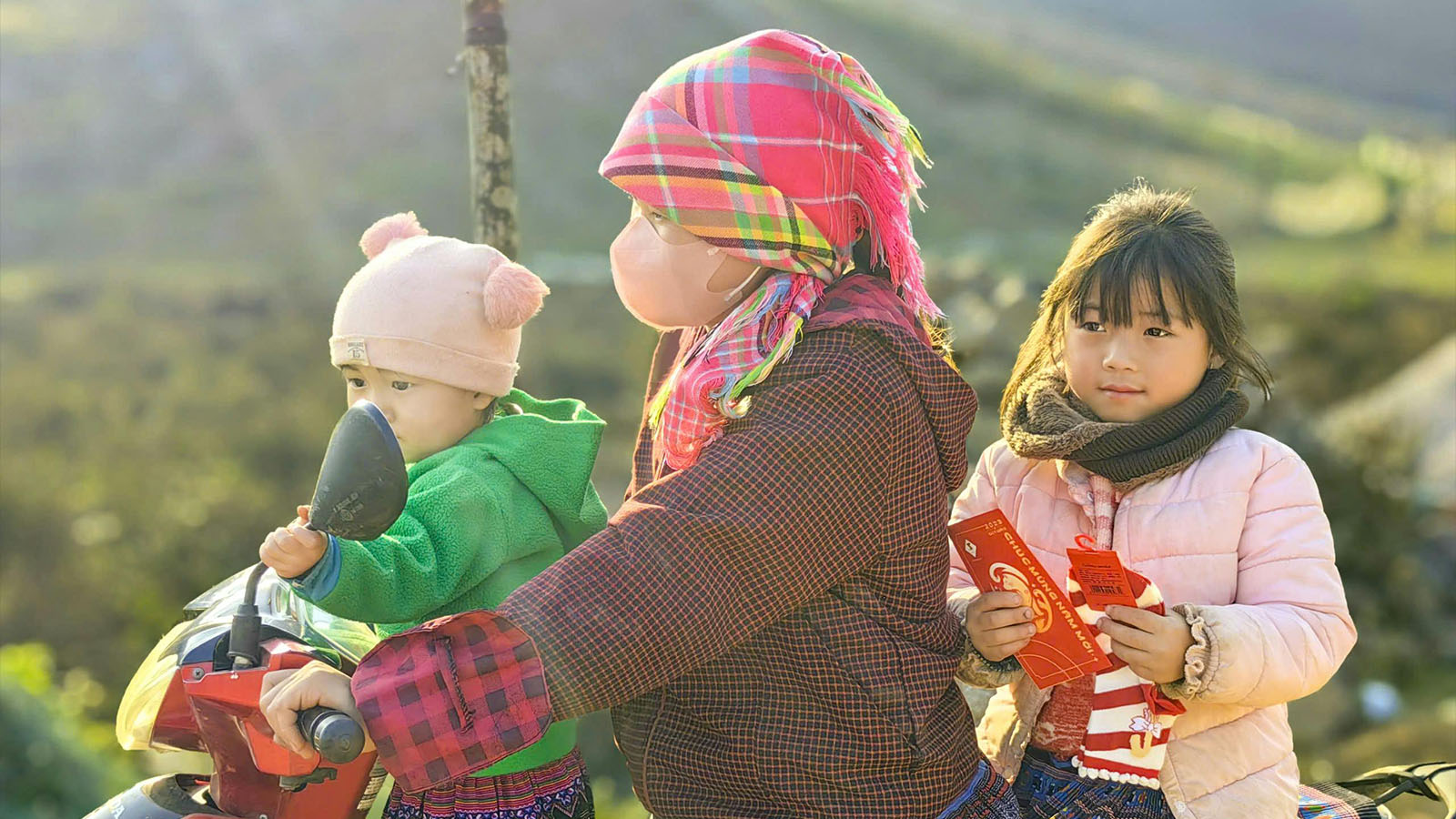
Thuy Nguyen is a passionate travel blogger and storyteller who has spent years exploring the hidden corners of Vietnam and Southeast Asia. With a love for authentic experiences, she writes about local life, culture, and off-the-beaten-path adventures. Through her words, Anh invites readers to travel deeper, connect with people, and find beauty in every journey — whether it’s a quiet sunrise in Hoi An or a mountain trail in Ha Giang.
Send us your comments about : Who lives where: ethnic minorities in northern Vietnam
Required fields*
You may also like

You may also like

Lan Ha Bay vs Halong Bay: Which Cruise Is Truly Better for You? (2026 - 2027 Comparison)
Debating between Halong Bay and Lan Ha Bay? Compare crowds, water cleanliness, luxury cruises, kayaking, and cave excursions to pick your perfect Vietnam bay cruise.

Ha Giang Loop in Winter (December - February): Weather, Scenery, Motorbike Safety & Is It Worth Visiting?
Planning the Ha Giang Loop in winter? Discover what weather to expect from December to February, essential winter packing, sea-of-clouds photography, and Easy Rider safety tips.

Dental & Wellness Tourism in Vietnam: Quality Care, Huge Savings & Tropical Recovery (2026 - 2027)
Save up to 70% on world-class dental care and holistic wellness retreats in Vietnam! Discover top international clinics, recovery beach resorts, costs, and vacation packages.
Travel ideas
Need some inspiration? Discover some of the best tours in Vietnam, which are highly appreciated by our clients. An excellent starting point to help you choose the right trip to Vietnam, Laos, Cambodia, Burma or Thailand, whether you are traveling alone, as a couple, as a family or with friends.
And because this trip is yours, feel free to customize it as you wish!
Vietnam Itinerary 2 Weeks
Hanoi - Ninh Binh - Lao Cai - Sapa - Muong Hum market - Ha Long Bay - Hue - Danang - Hoi An - Saigon - Mekong Delta - Cai Rang floating market - Departure

The Best of Ha Giang Trekking Tours
Discover Ha Giang on trekking tours where you live local life, enjoy breathtaking views and escape the crowded routes.

Vietnam and Laos 14 days
Saigon - My Tho - Da Nang- Hoian – Hue - Hanoi - Halong Bay - Vientiane Luang Prabang - Pak Ou – Khuang Si - Luang Prabang – Departure
Vietnam Cambodia Itinerary 14 Days
Hanoi – Hoa Binh – Mai Chau – Ninh Binh – Halong bay – Hue - Danang – Hoian – Saigon – Ben Tre - Can Tho – Saigon - Siem Reap Angkor - Tonlé Sap - Siem Reap – Ta Prohm - Departure

Authentic Hoang Su Phi Trekking Tours
Hoang Su Phi trekking tours take you to stunning terraces, meet few tourists, connect with locals and enjoy authentic culture.

Honeymoon Tour Packages In Vietnam 12 Days
Saigon Arrival - City Tour – Mekong Delta – Danang – Hoian - by flight - Da Nang – Hanoi - by flight – Halong - overnight on junk – Departure
Are you interested in this tour?


Our testimonials
Whether it's a short or long tour, to discover must-see sites or to travel less-traveled paths, by car, junk, on foot, by bike or by motorbike... upon their return from their trip to Indochina, our clients tell us about their experiences. We thank them for entrusting us with the organization of their stay in Vietnam, Cambodia, Laos, Thailand and Myanmar!
Tailor-made trips to Vietnam
Are you a couple, a family, a group of friends? Are you planning a trip to Vietnam and/or Southeast Asia? Or maybe you want an individual, personalized trip, operated directly by a local agency? Perhaps you're thinking of a customized trip accompanied by a perfectly French-speaking guide and a private car with a professional driver... Are you the kind of traveler who likes to go where others don't? Our tailor-made tours adapt to your desires, your choices, your pace and your budget.... You decide, we create a trip that suits you!



Don't miss anything from Southeast Asia
The press talks about us




Comment
No comments yet. Be the first to leave a comment!