 Français
 Deutsch
 Italiano
 Português
 Español


Is Phu Quoc Safe? A Complete Guide to Safety on Vietnam’s Paradise Island
Is Phu Quoc safe for tourists? Discover everything you need to know about crime, transportation, beaches, health, weather, scams, and travel safety before visiting Vietnam’s tropical island.
Is Phu Quoc safe for tourists? This is one of the most common questions travelers ask when planning a holiday to Vietnam’s tropical island. Known for its white-sand beaches, turquoise waters, lush forests, and relaxed atmosphere, Phu Quoc has become one of Vietnam’s most popular destinations for international visitors.
Located in the Gulf of Thailand, off the southwestern coast of Vietnam, Phu Quoc offers a wonderful combination of natural beauty, local culture, and modern tourism facilities. Whether you are planning a romantic getaway, a family holiday, or your first trip to Southeast Asia, the island promises plenty of opportunities to relax and explore.
However, like any destination, Phu Quoc has certain risks that travelers should understand before arriving. Road accidents, tropical weather, mosquitoes, beach conditions, and occasional tourist scams are among the main concerns.
So, is Phu Quoc safe to visit?
The short answer is yes. Phu Quoc is generally considered a safe destination for tourists, provided you take reasonable precautions and stay aware of your surroundings.
This complete guide explores everything you need to know about Phu Quoc travel safety, from crime and transportation to healthcare, beaches, and responsible tourism.

1. A Welcoming Island: Social Environment and Public Safety
Before discussing specific risks, it is important to understand the overall atmosphere of Phu Quoc.
The island has developed rapidly as a tourism destination, attracting visitors from Vietnam and around the world. Tourism plays an important role in the local economy, and many residents work in hotels, restaurants, transportation, fishing, and other services.
For most travelers, Phu Quoc offers a relaxed and welcoming environment.
Is Crime a Concern in Phu Quoc?
Phu Quoc is generally a peaceful destination, and serious violent crime against tourists is not commonly reported in the island’s main visitor areas.
Travelers can usually explore popular destinations, visit local restaurants, enjoy the night markets, and spend time at the beach without feeling particularly threatened.
Nevertheless, being in a tourist destination does not mean you should completely forget about personal safety.
As in other popular holiday destinations, petty theft and opportunistic incidents can occasionally occur.
To protect yourself:
- Keep your passport, important documents, and extra cash in your hotel safe when possible.
- Carry only the money and cards you need for the day.
- Keep your handbag or backpack securely closed in crowded areas.
- Avoid leaving phones, wallets, or cameras unattended on the beach.
- Be particularly careful with valuables when swimming or participating in water activities.
Duong Dong Night Market is one of the island’s busiest evening attractions. It is a wonderful place to discover Vietnamese street food, souvenirs, and local specialties.
However, when walking through crowded areas, keep your belongings close and remain aware of your surroundings.
These precautions are simple, but they can help prevent unnecessary problems during your holiday.

Are Local People Friendly to Tourists?
One of the most enjoyable aspects of visiting Phu Quoc is interacting with local residents.
Many people working in tourism are accustomed to welcoming international visitors and are happy to help travelers find restaurants, arrange transportation, or discover interesting places around the island.
English is spoken in many tourist-oriented establishments, although communication may be more limited in smaller villages and local businesses.
Learning a few Vietnamese expressions, such as xin chào (hello) and cảm ơn (thank you), can make everyday interactions more enjoyable.
As with any destination, prices may vary between establishments, particularly in tourist areas.
A friendly attitude, clear communication, and checking prices before purchasing something are usually enough to avoid uncomfortable situations.
Overall, Phu Quoc is a welcoming destination where travelers can enjoy local hospitality while respecting the island’s culture and customs.
2. Natural Risks and Weather Conditions
Phu Quoc’s tropical climate is one of its greatest attractions.
Warm temperatures, lush vegetation, and beautiful beaches make the island appealing throughout much of the year.
However, tropical weather can also create certain challenges.
Rainy Season: When Should Travelers Be Careful?
Phu Quoc generally experiences a dry season and a rainy season.
The dry season usually lasts from November to April, while the rainy season typically extends from May to October.
These periods are approximate, and weather conditions can vary from year to year.
During the rainy season, visitors may experience:
- Heavy tropical showers.
- Temporary flooding in certain low-lying areas.
- Slippery roads and muddy paths.
- Reduced visibility while driving.
- Rough seas and changes to boat excursion schedules.
Rain does not necessarily mean that your entire holiday will be disrupted.
Tropical showers can be brief, and many travelers still enjoy visiting Phu Quoc during the wetter months.
However, it is important to remain flexible.
Before booking a boat trip, snorkeling excursion, or island-hopping tour, check the weather forecast and confirm that the activity is operating safely.
If heavy rain or strong winds are expected, postponing an excursion is often the better decision.
Travelers renting scooters should also avoid riding during heavy rain, especially on unfamiliar roads or routes through rural areas.
Wet surfaces, sand, potholes, and reduced visibility can make driving considerably more dangerous.

Wildlife and Insects: Should You Be Worried?
Phu Quoc is home to tropical forests, coastal ecosystems, and a variety of wildlife.
For visitors staying in established tourist areas, encounters with dangerous wildlife are not usually a major concern.
However, travelers exploring forests, rural areas, or less-developed trails should remain aware of their surroundings.
Avoid touching unfamiliar animals, walking through dense vegetation without appropriate footwear, or disturbing wildlife.
Mosquitoes are a more practical concern.
Vietnam, including Phu Quoc, has dengue fever, a mosquito-borne illness.
Mosquitoes can be present throughout the year, with conditions becoming more favorable for breeding during and after periods of rainfall.
To reduce your risk:
- Apply an effective insect repellent.
- Wear lightweight, long-sleeved clothing when appropriate.
- Use mosquito screens or air conditioning where available.
- Avoid leaving standing water around your accommodation.
- Pay particular attention to mosquito protection during daytime activities.
Dengue-carrying mosquitoes can bite during the day, so protection should not be limited to evenings.
Are There Dangerous Snakes or Other Animals?
Phu Quoc’s natural environment includes wildlife, but most visitors will not encounter dangerous animals during ordinary sightseeing.
Snakes and other potentially hazardous creatures are more relevant when exploring forested areas or hiking away from established tourist routes.
If you encounter a snake, do not attempt to approach, touch, or capture it.
Simply keep your distance and allow it to move away.
For travelers planning forest excursions, wearing closed shoes and following a local guide’s instructions is a sensible precaution.
The main takeaway is that Phu Quoc’s natural environment is generally enjoyable to explore, but visitors should treat wildlife with respect rather than assuming every area is completely risk-free.

3. Healthcare and Medical Facilities
Healthcare is an important consideration when planning a trip abroad.
Even a minor illness or injury can become stressful when you are unfamiliar with the local healthcare system.
Fortunately, Phu Quoc has medical facilities that can provide basic treatment and emergency assistance.
What Medical Services Are Available on Phu Quoc?
Phu Quoc has hospitals, clinics, and pharmacies serving both local residents and visitors.
Phu Quoc General Hospital, located in the Duong Dong area, provides medical services for a range of health conditions.
The island also has private healthcare facilities, including Vinmec International Hospital Phu Quoc, which offers additional medical services.
The availability of English-speaking staff can vary depending on the facility and the medical department.
For travelers with a minor illness, such as a fever, stomach problem, or small injury, local medical services may be sufficient.
However, serious injuries or complex medical conditions may require treatment in a larger medical center.
In some circumstances, patients may need to be transferred to Ho Chi Minh City or another major medical center.
Travelers should not assume that every specialist treatment or emergency service is available on the island.

Why Travel Insurance Matters
Travel insurance is strongly recommended when visiting Vietnam.
Before departure, check that your policy covers:
- Emergency medical treatment.
- Hospitalization.
- Medical evacuation when necessary.
- Travel disruptions caused by illness or injury.
- Activities you plan to participate in.
If you intend to rent a scooter, pay particular attention to the policy’s motorcycle coverage.
Some insurance policies exclude motorbike accidents unless the traveler meets specific licensing and safety requirements.
A valid driving license, appropriate authorization for the motorcycle category, and compliance with local regulations may be necessary for coverage.
Always read the policy carefully rather than assuming that your insurance automatically covers every activity.
Food, Water, and Health Precautions
Phu Quoc is famous for its seafood, fish sauce, and fresh tropical produce.
Eating local food is one of the highlights of visiting the island.
However, travelers should take basic food and water precautions.
Tap water in Vietnam is generally not recommended for drinking.
Choose bottled water from reliable sources or appropriately treated drinking water.
When eating seafood, select restaurants that appear clean and have good food turnover.
Freshly prepared, thoroughly cooked dishes are generally a sensible choice.
Travelers should be cautious with raw seafood, undercooked shellfish, and food that has been left unrefrigerated in hot weather.
Before traveling, check the latest recommendations from your healthcare provider regarding routine vaccinations and any additional precautions appropriate for your itinerary.

4. Transportation and Traffic: The Main Safety Concern
When asking whether Phu Quoc is safe, transportation deserves particular attention.
For many visitors, the island’s roads present a greater practical risk than crime.
Traffic conditions can vary considerably between the main towns, tourist areas, and rural roads.
Is It Safe to Rent a Scooter in Phu Quoc?
Scooters are one of the most popular ways to explore Phu Quoc.
They provide flexibility and allow travelers to discover beaches, local villages, and attractions at their own pace.
However, riding a scooter in an unfamiliar country can be challenging.
Potential hazards include:
- Uneven road surfaces.
- Potholes and loose gravel.
- Sand near beach entrances.
- Limited lighting on rural roads.
- Sudden changes in traffic.
- Rain and slippery surfaces.
Some visitors underestimate these risks because Phu Quoc may appear quieter than larger Vietnamese cities.
Nevertheless, accidents can happen, particularly when travelers have limited riding experience.
If you are not confident riding a motorbike, choosing another transportation option is often the safest decision.
Essential Scooter Safety Tips
If you decide to rent a scooter:
Always wear a helmet. Choose a properly fitting helmet and wear it throughout your journey.
Check the vehicle before leaving. Inspect the brakes, tires, lights, mirrors, and fuel level.
Confirm your legal requirements. Make sure you have the appropriate driving license and authorization under Vietnamese regulations.
Check your insurance coverage. Confirm that your travel insurance covers the vehicle and your intended activities.
Avoid riding after drinking alcohol. Never drive a scooter after consuming alcohol.
Avoid unfamiliar roads at night. Rural roads may have limited lighting, unexpected obstacles, and animals.
Slow down in rainy weather. Wet surfaces and loose sand can make scooter riding particularly dangerous.
A short journey is not necessarily a safe journey simply because it is close to your accommodation.

What Are the Alternatives to Scooters?
Fortunately, visitors do not need to rent a scooter to enjoy Phu Quoc.
Several alternatives are available.
Taxis and ride-hailing services
Taxis and ride-hailing services can be convenient for traveling between hotels, restaurants, beaches, and attractions.
Where available, apps such as Grab allow travelers to arrange transportation and check estimated fares.
Always confirm the vehicle and destination before starting your journey.
Private transfers
Private transfers are particularly useful for airport arrivals, families, and travelers planning several attractions in one day.
They can also be a comfortable option for visitors who prefer not to navigate unfamiliar roads.
Organized excursions
Many tour operators offer transportation as part of their island tours.
This can simplify travel between attractions and reduce the need to arrange individual journeys.
Bicycles
Cycling can be enjoyable in quieter areas, particularly for short journeys through villages and scenic surroundings.
However, travelers should consider traffic conditions, road surfaces, heat, and their own cycling experience before choosing this option.
For most visitors, the safest transportation choice depends on their experience, itinerary, and comfort level.

5. Beaches, Swimming, and Water Activities
Phu Quoc is famous for its beaches.
From Long Beach to Sao Beach, the island offers beautiful coastal scenery and opportunities for swimming, snorkeling, kayaking, and other water activities.
However, attractive beaches should not automatically be considered safe for swimming in every condition.
Is Swimming Safe in Phu Quoc?
Swimming can be enjoyable at many of Phu Quoc’s beaches, particularly when the weather is calm.
Nevertheless, sea conditions can change.
Potential hazards include:
- Strong currents.
- Unexpected waves.
- Slippery rocks.
- Limited lifeguard supervision.
- Jellyfish.
- Poor visibility.
- Changing weather conditions.
Not every beach has lifeguards, warning systems, or clearly marked swimming zones.
Before entering the water, check local conditions and follow any instructions provided by beach staff.
If the sea is rough, avoid swimming.
Travelers should also be particularly careful during the rainy season, when weather conditions can change quickly.

Jellyfish and Marine Life
Jellyfish may occasionally appear around Phu Quoc.
Their presence varies depending on the season, location, and ocean conditions.
Some jellyfish stings cause mild irritation, while others can be more serious.
If you notice jellyfish in the water, avoid swimming until local staff confirm that conditions are suitable.
If you are stung, leave the water and seek assistance.
Avoid touching unfamiliar marine animals, including sea urchins, stonefish, and other creatures that may be present around reefs.
Even beautiful marine life should be observed without touching or disturbing it.
Are Water Sports Safe?
Phu Quoc offers a variety of water activities, including snorkeling, scuba diving, kayaking, and jet skiing.
These experiences can be wonderful ways to explore the island.
However, safety standards and equipment quality may vary between operators.
Before booking:
- Choose a reputable operator.
- Ask about safety equipment.
- Check whether life jackets are provided.
- Confirm that the activity is suitable for your experience.
- Follow the guide’s instructions.
- Check the weather and sea conditions.
- Avoid activities when the sea is rough.
For scuba diving, choose a properly qualified diving center and disclose any relevant medical conditions before participating.
For snorkeling, remain within your ability and avoid swimming far from the boat or shore without appropriate supervision.
The safest approach is to enjoy the ocean while respecting its conditions.
6. Tourist Scams and Common Travel Problems
Phu Quoc is generally a welcoming destination, but travelers should still be aware of occasional tourist-related problems.
These situations are usually manageable when visitors take a few simple precautions.
Transportation and Pricing
Before taking a taxi, boat, or other transportation without a clearly displayed fare, confirm the price and destination.
If you use a ride-hailing application, check the estimated fare and vehicle details.
For private transfers or excursions, confirm what is included in the quoted price.
Clear communication helps prevent misunderstandings.

Restaurant Bills and Tourist Prices
Restaurants in tourist areas may have different prices from establishments serving primarily local residents.
This does not necessarily mean that a restaurant is dishonest.
However, travelers should check menu prices before ordering.
When receiving the bill, review the items and ask about anything you do not understand.
If there is a genuine mistake, explain the problem calmly and politely.
Shopping and Market Purchases
Phu Quoc’s markets offer seafood, souvenirs, local products, and traditional Vietnamese specialties.
Prices may vary between sellers.
If bargaining is appropriate, negotiate politely and agree on the price before completing the purchase.
Avoid buying products you do not understand or feel pressured to purchase.
Booking Tours and Excursions
When booking island tours, snorkeling trips, or other activities, choose operators with clear information about their services.
Check:
- The itinerary.
- The total price.
- Transportation arrangements.
- Equipment provided.
- Cancellation conditions.
- Safety procedures.
Be cautious when a seller makes unrealistic promises or cannot explain the activity clearly.
A little preparation can help you enjoy your holiday without unnecessary financial or logistical problems.

7. Environmental Safety: Protecting Phu Quoc’s Natural Beauty
When discussing Phu Quoc safety, it is also important to consider the island’s environment.
The island’s natural beauty is one of the main reasons travelers visit.
However, rapid tourism development, waste management challenges, and pressure on coastal ecosystems can affect the environment.
These issues do not necessarily create immediate danger for every visitor, but they influence the quality and sustainability of the destination.
Tourism and Environmental Challenges
Phu Quoc’s beaches, forests, and marine ecosystems are valuable natural resources.
However, increased tourism can create pressure on these environments.
Potential challenges include:
- Plastic waste on beaches.
- Water pollution.
- Damage to coral reefs.
- Pressure on marine wildlife.
- Construction affecting natural landscapes.
- Increased waste production.
Conditions can vary between locations and seasons.
Some beaches may be clean and well-maintained, while others may experience temporary pollution, particularly after periods of heavy rain.
Travelers should avoid assuming that every beach will look exactly like the photographs used in promotional materials.
How to Travel Responsibly in Phu Quoc
Visitors can help protect the island by making thoughtful choices.
Reduce plastic waste: Bring a reusable water bottle and shopping bag whenever possible. Avoid unnecessary single-use plastic products.
Respect marine life: Never touch coral reefs, chase marine animals, or collect shells and other natural materials where prohibited.
Choose responsible tour operators: Look for operators who explain their environmental practices and provide appropriate safety guidance.
Dispose of waste properly: Use designated bins and avoid leaving rubbish on beaches, trails, or boats.
Respect local communities: Support local businesses, follow cultural customs, and avoid activities that exploit wildlife or damage natural habitats.
Responsible travel helps preserve Phu Quoc for both local residents and future visitors.

8. Practical Safety Tips Before Visiting Phu Quoc
Before traveling to Phu Quoc, a little preparation can make your holiday considerably more comfortable.
Here is a simple checklist.
Before Your Trip
- Check your passport validity and Vietnam entry requirements.
- Purchase suitable travel insurance.
- Review your insurance policy’s medical and motorbike coverage.
- Check the weather forecast for your travel dates.
- Research transportation options from the airport.
- Prepare any medication you regularly need.
- Save important emergency contacts.
During Your Stay
- Keep your passport and valuables secure.
- Drink safe, treated, or bottled water.
- Use mosquito repellent.
- Apply sunscreen regularly.
- Wear a helmet if riding a motorbike.
- Avoid driving after drinking alcohol.
- Check sea conditions before swimming.
- Follow local safety instructions.
- Keep emergency contact information accessible.
If Something Goes Wrong
If you experience a medical emergency, contact local emergency services or seek assistance from your accommodation.
Vietnam’s general emergency numbers include:
- 113: Police.
- 114: Fire and rescue.
- 115: Medical emergency.
Travelers should confirm the most appropriate local assistance options for their situation.
If your passport is lost or stolen, contact your embassy or consulate for guidance.
For serious medical situations, contact your travel insurance provider as soon as possible.
Keeping copies of important documents can also make unexpected situations easier to manage.

Is Phu Quoc Safe for Tourists?
So, is Phu Quoc safe? Yes, Phu Quoc is generally a safe and welcoming destination for international travelers. The island offers beautiful beaches, friendly local communities, a relaxed atmosphere, and a growing range of tourism services.
For most visitors, the main safety concerns are practical rather than dramatic. Road accidents, changing weather, mosquito bites, unsafe swimming conditions, and occasional tourist-related misunderstandings are the issues worth preparing for.
Fortunately, many of these risks can be reduced through sensible planning. Choose transportation that matches your experience, check the weather before outdoor activities, protect yourself against mosquitoes, and follow local guidance when swimming or exploring the island.
Travel insurance and a basic understanding of local emergency services are also important. Most importantly, remember that being a responsible traveler means respecting both the people and the environment of your destination. Phu Quoc is more than a tropical holiday island. It is a place where you can discover Vietnamese culture, enjoy fresh seafood, explore beautiful coastal landscapes, and experience a slower pace of life.
Rather than worrying unnecessarily about whether Phu Quoc is dangerous, focus on preparing for your journey and making informed decisions along the way. With reasonable precautions and an open mind, Phu Quoc can be a wonderful destination for your next Vietnam adventure. The island is ready to welcome you. Your next step is to discover it safely, responsibly, and at your own pace.
>>> Hon Thom Cable Car: The World’s Longest Sea-Crossing Ride In Phu Quoc
>>> 15 Unforgettable Experiences for a Perfect Day in North Phu Quoc

Thao is a senior travel consultant and tour designer at Vietnam Original Travel. With a deep passion for sustainable tourism and personalized service, she crafts tailor-made itineraries that balance adventure, culture, and relaxation. Thao finds joy in transforming travel dreams into memorable experiences — from romantic escapes in Hoi An to family adventures in the northern mountains.
Send us your comments about : Is Phu Quoc Safe? A Complete Guide to Safety on Vietnam’s Paradise Island
Required fields*
You may also like

You may also like

Which sauce goes with which dish in Vietnam?
From the light, tangy dip served with bun cha in Hanoi to the pungent anchovy sauce of Da Nang and the sticky caramelised dip of the Mekong Delta, this guide covers the Vietnamese dipping sauces you will meet on a trip, which dishes they belong with and how locals use them.

Nho Que River, Ha Giang: Boat Trips, Tu San Canyon & Travel Tips
Discover Nho Que River in Ha Giang, Vietnam. Explore Tu San Canyon, enjoy a scenic boat trip, visit Ma Pi Leng Pass, and plan your trip with our travel tips.

Gau Tao festival: the Hmong spring celebration of northern Vietnam
A friendly guide to the Gau Tao festival, the Hmong spring celebration of northern Vietnam: what the neu pole and its offerings mean, how khen music and pao throwing fit in, how it relates to Hmong New Year and where to see it with respect in the mountains.
Travel ideas
Need some inspiration? Discover some of the best tours in Vietnam, which are highly appreciated by our clients. An excellent starting point to help you choose the right trip to Vietnam, Laos, Cambodia, Burma or Thailand, whether you are traveling alone, as a couple, as a family or with friends.
And because this trip is yours, feel free to customize it as you wish!
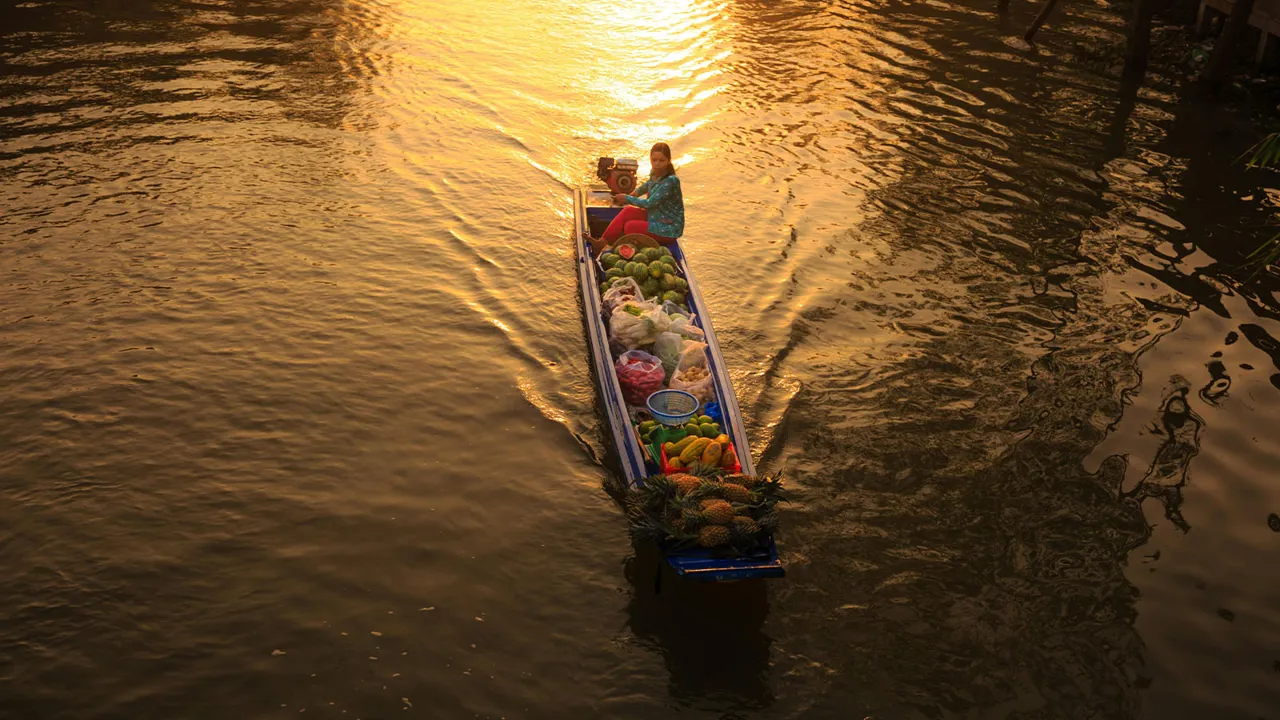
Vietnam Itinerary 2 Weeks
Hanoi - Ninh Binh - Lao Cai - Sapa - Muong Hum market - Ha Long Bay - Hue - Danang - Hoi An - Saigon - Mekong Delta - Cai Rang floating market - Departure

The Best of Ha Giang Trekking Tours
Discover Ha Giang on trekking tours where you live local life, enjoy breathtaking views and escape the crowded routes.

Vietnam and Laos 14 days
Saigon - My Tho - Da Nang- Hoian – Hue - Hanoi - Halong Bay - Vientiane Luang Prabang - Pak Ou – Khuang Si - Luang Prabang – Departure
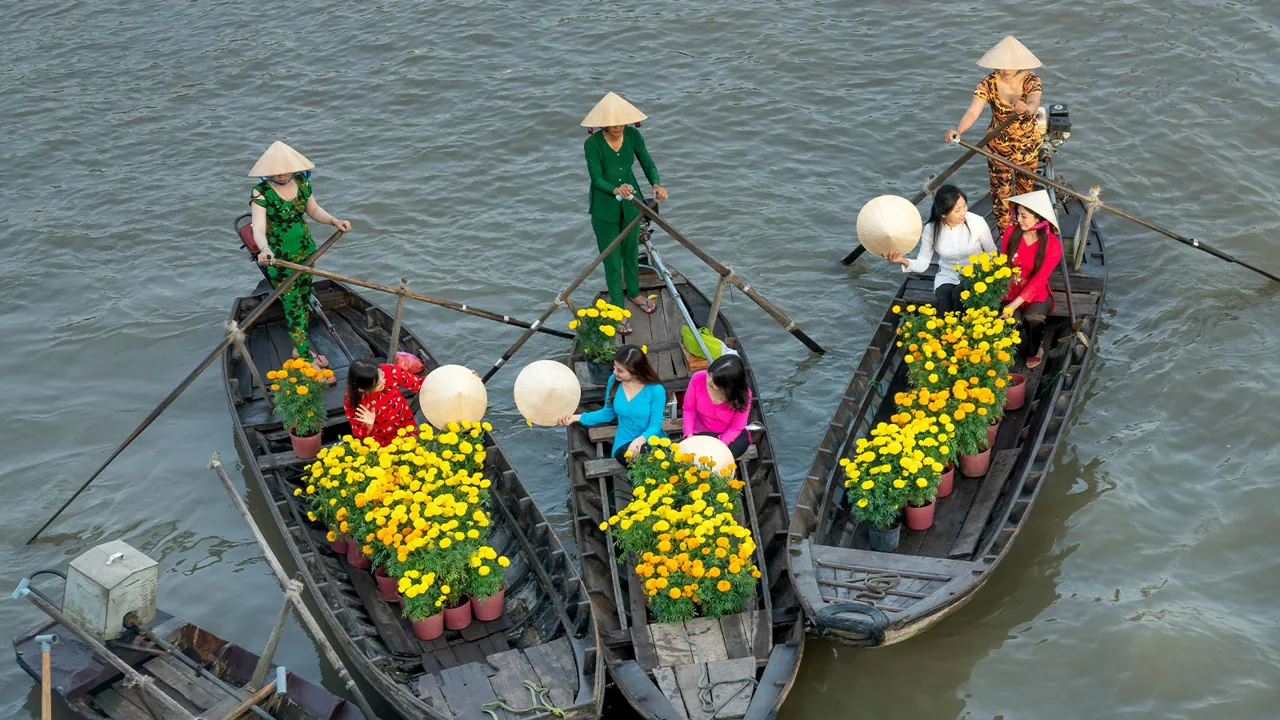
Vietnam Cambodia Itinerary 14 Days
Hanoi – Hoa Binh – Mai Chau – Ninh Binh – Halong bay – Hue - Danang – Hoian – Saigon – Ben Tre - Can Tho – Saigon - Siem Reap Angkor - Tonlé Sap - Siem Reap – Ta Prohm - Departure

Authentic Hoang Su Phi Trekking Tours
Hoang Su Phi trekking tours take you to stunning terraces, meet few tourists, connect with locals and enjoy authentic culture.

Honeymoon Tour Packages In Vietnam 12 Days
Saigon Arrival - City Tour – Mekong Delta – Danang – Hoian - by flight - Da Nang – Hanoi - by flight – Halong - overnight on junk – Departure
Are you interested in this tour?


Our testimonials
Whether it's a short or long tour, to discover must-see sites or to travel less-traveled paths, by car, junk, on foot, by bike or by motorbike... upon their return from their trip to Indochina, our clients tell us about their experiences. We thank them for entrusting us with the organization of their stay in Vietnam, Cambodia, Laos, Thailand and Myanmar!
Tailor-made trips to Vietnam
Are you a couple, a family, a group of friends? Are you planning a trip to Vietnam and/or Southeast Asia? Or maybe you want an individual, personalized trip, operated directly by a local agency? Perhaps you're thinking of a customized trip accompanied by a perfectly French-speaking guide and a private car with a professional driver... Are you the kind of traveler who likes to go where others don't? Our tailor-made tours adapt to your desires, your choices, your pace and your budget.... You decide, we create a trip that suits you!

Don't miss anything from Southeast Asia
The press talks about us




Comment
No comments yet. Be the first to leave a comment!