 Français
 Deutsch
 Italiano
 Português
 Español


Banh Xeo: Vietnam’s Crispy Pancake & a Must-Try Vietnamese Street Food
Discover Banh Xeo, Vietnam’s crispy savory pancake filled with shrimp, pork and bean sprouts. Learn how to eat it, where to try it and why it is a must on your Vietnam trip.
Vietnam is a paradise for food lovers, especially those who enjoy discovering local dishes beyond the usual tourist highlights. From steaming bowls of pho to fresh spring rolls, Vietnamese cuisine is known for its balance of flavors, textures and fresh ingredients. Among the country’s most exciting street foods is Banh Xeo, a golden, crispy Vietnamese pancake that is as much an experience as it is a meal.
Cooked in a sizzling hot pan, Banh Xeo gets its name from the distinctive “xèo” sound made when the rice-flour batter hits the hot surface. The thin, crispy pancake is traditionally filled with shrimp, pork and bean sprouts, then served with fresh herbs, lettuce, rice paper and a flavorful dipping sauce.
For travelers, Banh Xeo offers more than a delicious meal. It is an opportunity to experience the lively atmosphere of Vietnamese street food and discover how food brings people together.
In this guide, discover what Banh Xeo is, where it comes from, how it differs across Vietnam, how to eat it like a local, and where to try it during your Vietnam holiday.

What Is Banh Xeo?
Banh Xeo is a crispy Vietnamese savory pancake made primarily from rice flour, water and turmeric. Depending on the region and recipe, coconut milk may also be added to the batter, giving the pancake a subtle sweetness and fragrant aroma.
The batter is poured into a very hot pan, creating a thin and crispy shell. Shrimp, thinly sliced pork and bean sprouts are then added to the pancake before it is folded in half.
Unlike many Western pancakes, Banh Xeo is not usually eaten on its own. It is served with an abundant selection of fresh lettuce and herbs, such as mint, Vietnamese basil and coriander. A piece of the pancake is wrapped in rice paper or lettuce together with the herbs and then dipped into Vietnamese fish sauce, known as nuoc cham.
The result is a wonderful contrast of textures and flavors: hot and cold, crispy and fresh, savory and slightly sweet.
Why Is It Called Banh Xeo?
The name Banh Xeo literally refers to the sizzling sound made during cooking.
When the liquid batter is poured into a hot, oiled pan, it immediately begins to cook and produces a characteristic “xèo” sound. This sizzling noise is one of the most recognizable parts of preparing the dish.
In many Vietnamese eateries, Banh Xeo is cooked right in front of customers. You can watch the cook swirl the batter around the pan, add the filling and wait patiently for the edges to become beautifully crisp.
For travelers, this makes Banh Xeo particularly enjoyable. You do not simply receive a finished dish; you get to watch a small piece of Vietnamese culinary craftsmanship happen before your eyes.

Banh Xeo in Vietnamese Food Culture
Banh Xeo represents many of the qualities that make Vietnamese cuisine distinctive.
First, it is a social dish. Rather than eating an individual pancake from beginning to end, diners usually place the Banh Xeo in the center of the table, cut it into smaller pieces and share it with others.
Each person can then create their own roll using rice paper, lettuce and herbs. This makes the meal interactive and relaxed, encouraging conversation around the table.
Banh Xeo also reflects the Vietnamese preference for balancing different flavors and textures. The rich, crispy pancake is combined with fresh herbs and vegetables, while the dipping sauce adds salty, sweet, sour and sometimes spicy notes.
This combination keeps the dish from feeling overly heavy and makes every bite slightly different.
Regional Differences of Banh Xeo in Vietnam
One of the most interesting things about trying Banh Xeo during a Vietnam trip is discovering how much the dish can change from one region to another.
Banh Xeo in Southern Vietnam
Southern Vietnam is particularly famous for its large, crispy Banh Xeo.
In Ho Chi Minh City and the Mekong Delta, the pancakes are often relatively large and generously filled with shrimp, pork and bean sprouts. They are accompanied by a generous plate of fresh herbs and vegetables.
The southern version tends to emphasize freshness and abundance. The pancake may be placed in the middle of the table so everyone can cut off pieces, wrap them with herbs and dip them into nuoc cham.
In the Mekong Delta, Banh Xeo is also closely connected to rural life. Local ingredients, fresh vegetables and herbs from the surrounding area can make the experience feel particularly connected to the region.

Banh Xeo in Central Vietnam
Central Vietnam has its own distinctive interpretation of Banh Xeo.
In places such as Hue, Hoi An and Da Nang, Banh Xeo is often considerably smaller than the southern version. The pancakes may be only the size of a hand, making them easier to prepare and serve individually.
Central Vietnamese cuisine is known for its more pronounced flavors, and Banh Xeo here can have a particularly savory and aromatic character.
In Hoi An, for example, small Banh Xeo are often served alongside herbs, vegetables, rice paper and dipping sauce. Ordering several small pancakes allows diners to enjoy them gradually with different combinations of herbs and accompaniments.
Banh Xeo in Northern Vietnam
Banh Xeo is less prominent in Northern Vietnam than it is in the South and Central regions.
When available, northern versions may be somewhat simpler and less rich than their southern counterparts. This reflects the broader characteristics of northern Vietnamese cuisine, where flavors are often more restrained.
For travelers exploring Vietnam from north to south, trying Banh Xeo in different destinations is therefore an interesting way to discover regional differences within Vietnamese cuisine.

What Is Banh Xeo Made Of?
The ingredients are relatively simple, but the technique is what creates the characteristic texture.
The main ingredients usually include:
- Rice flour
- Water
- Turmeric
- Coconut milk, depending on the recipe
- Shrimp
- Pork
- Bean sprouts
- Lettuce and fresh herbs
- Vietnamese dipping sauce
Turmeric gives Banh Xeo its characteristic golden-yellow color, while rice flour creates the crispy texture.
Coconut milk is particularly common in some southern recipes, adding a subtle richness and sweetness to the batter.
The fresh herbs are just as important as the pancake itself. Depending on the location, you may find mint, coriander, Vietnamese basil, lettuce and other local herbs served alongside the dish.
How Is Banh Xeo Made?
Preparing Banh Xeo requires high heat and good timing.
Step 1: Heat the Pan
The pan is heated until very hot before a small amount of oil is added.
High heat is essential because the batter needs to begin cooking immediately when it touches the pan.
Step 2: Pour in the Batter
The rice-flour batter is poured into the hot pan and quickly spread into a thin layer.
This is when you hear the famous “xèo” sound.
A skilled cook can spread the batter quickly enough to create a thin pancake with beautifully crispy edges.

Step 3: Add the Filling
Shrimp, thinly sliced pork and bean sprouts are added to one side of the pancake.
The ingredients cook directly in the pan, allowing their flavors to combine with the crispy batter.
Step 4:Cook Until Crispy
The pancake continues cooking until the bottom becomes golden and crisp.
The edges should become particularly crunchy, while the filling remains tender and juicy.
Patience is important here. Removing the pancake too early can result in a softer texture rather than the crispness that makes Banh Xeo special.
Step 5: Fold and Serve
Finally, the pancake is folded in half and transferred to a plate.
It is served immediately with lettuce, fresh herbs, rice paper and dipping sauce.
The best Banh Xeo is eaten while it is still hot and crispy.
How to Eat Banh Xeo Like a Local
For first-time visitors, the way Banh Xeo is eaten can be just as interesting as the dish itself.
You are not necessarily expected to pick up the entire pancake and eat it directly.
Step 1: Break the Pancake Into Pieces
Take a small piece of the crispy pancake.
You can use chopsticks, a spoon or your hands, depending on the restaurant and your preference.
Step 2: Add Herbs and Vegetables
Place the pancake inside a piece of rice paper or a large lettuce leaf.
Add fresh herbs, lettuce and other vegetables.
Some restaurants may also provide ingredients such as cucumber, green banana or star fruit.
Step 3: Roll It Up
Fold the rice paper or lettuce around the ingredients to create a small roll.
Do not worry if your first attempt is not perfect. Watching the locals at the table next to you is often the easiest way to learn.

Step 4: Dip Into Nuoc Cham
Dip the roll into nuoc cham, the Vietnamese dipping sauce commonly served with Banh Xeo.
The sauce typically combines fish sauce with ingredients such as sugar, lime juice, garlic and chili, creating a balance of salty, sweet, sour and spicy flavors.
Step 5: Enjoy the Combination
The real pleasure comes from the contrast between the crispy pancake, warm filling, cool vegetables, fragrant herbs and flavorful dipping sauce.
Every bite combines something different.
Where to Try Banh Xeo in Vietnam
Banh Xeo can be found in many parts of Vietnam, but certain destinations are particularly interesting for travelers.
Ho Chi Minh City
Ho Chi Minh City, also known as Saigon, is one of the easiest places to discover Banh Xeo.
The city has countless local restaurants and street food spots where pancakes are cooked continuously throughout the day.
For visitors, a small local eatery can be more rewarding than a formal restaurant. Look for places where locals are eating and where the pancakes are cooked to order.
Hoi An and Da Nang
Hoi An and Da Nang offer a different Banh Xeo experience.
In Hoi An, the smaller central Vietnamese pancakes are often served alongside other local specialties. They are particularly enjoyable after exploring the historic streets and markets of the old town.
Da Nang also has many casual local restaurants where you can try Banh Xeo alongside other central Vietnamese dishes.

The Mekong Delta
For travelers interested in combining food with rural experiences, the Mekong Delta is another excellent destination.
Here, Banh Xeo can be enjoyed in a more relaxed setting, surrounded by gardens, canals and local communities.
Some rural lodges and homestays also offer cooking activities, allowing visitors to learn how to prepare the pancake themselves.
For example, at places such as Tra Vinh Lodge, travelers may have the opportunity to participate in a cooking experience and discover the process behind this iconic dish.
Banh Xeo as Part of Your Vietnam Trip
Food is one of the easiest ways to connect with Vietnamese culture, and Banh Xeo can fit naturally into many different types of Vietnam itineraries.
Join a Vietnamese Street Food Tour
A street food tour is a convenient way to discover Banh Xeo, particularly for first-time visitors.
Local guides can introduce you to small eateries and street stalls that may be difficult to find independently. You can also learn how locals order, eat and combine different herbs and sauces.
Ho Chi Minh City is particularly well known for its lively street food scene, making it an ideal destination for this type of experience.

Take a Vietnamese Cooking Class
If you want more than simply tasting Banh Xeo, consider joining a cooking class.
Cooking experiences are available in different parts of Vietnam, including Hoi An and the Mekong Delta.
A typical experience may include visiting a local market, selecting ingredients, preparing the batter and learning how to achieve the perfect crispy texture.
The best part is that you can take the recipe and technique home with you.
Include Culinary Experiences in a Tailor-Made Journey
Travelers who enjoy food can also incorporate culinary experiences into a customized Vietnam itinerary.
A journey might combine street food in Ho Chi Minh City, a cooking class in Hoi An, local markets in the Mekong Delta and traditional restaurants in other destinations.
This allows food to become part of the journey rather than simply something you eat between sightseeing activities.
Practical Tips for Eating Banh Xeo in Vietnam
Hygiene and Food Safety
When eating street food, choose busy stalls or restaurants with a steady flow of local customers.
High turnover generally means ingredients are being used regularly rather than sitting for long periods.
Take a moment to observe how the food is prepared. Look for freshly cooked pancakes, clean cooking surfaces and ingredients that appear fresh.
If you have a sensitive stomach, you may prefer to begin with well-established local restaurants or join a guided food tour.
How Much Does Banh Xeo Cost?
Banh Xeo is generally an affordable way to experience Vietnamese cuisine.
Prices vary according to location, portion size and type of restaurant. A local serving may cost around US$1.50–4, while prices can be higher in tourist-oriented restaurants or central locations.
Always check the menu or ask about the price before ordering when eating somewhere without a clearly displayed menu.
How to Order Banh Xeo
Ordering is usually straightforward.
Simply saying “Banh Xeo” or pointing to the dish is often enough in local eateries.
If you have dietary restrictions, make them clear before ordering. The standard version commonly contains both pork and shrimp, so vegetarians should specifically ask for “Banh Xeo chay”, meaning vegetarian Banh Xeo.
A translation app can also be useful when communicating more specific dietary requirements.
What Is the Best Time to Eat Banh Xeo?
Banh Xeo can be available throughout the day, depending on the restaurant.
However, late afternoon and evening can be particularly enjoyable. As temperatures become cooler, street food areas become livelier and more locals gather for dinner.
For travelers who want to combine the food with the atmosphere, arriving between around 5:00 and 8:00 PM can be a pleasant option.
Why Banh Xeo Should Be on Your Vietnam Food List
Banh Xeo is much more than a Vietnamese pancake.
It brings together several elements that make traveling through Vietnam so rewarding: local ingredients, traditional cooking techniques, regional diversity, communal dining and the energy of street food.
From the dramatic sizzling sound of the batter hitting the pan to the satisfying crunch of the finished pancake, every stage is part of the experience.
And because Banh Xeo changes from region to region, trying it in different destinations can also become a small culinary journey through Vietnam itself.
Whether you discover a large southern-style pancake in Ho Chi Minh City, small crispy pancakes in Hoi An or a homemade version in the Mekong Delta, Banh Xeo offers a delicious introduction to Vietnamese food culture.
If you are planning a Vietnam holiday and want to experience the country beyond its famous landmarks, make time for local food. A bowl of noodles, a market snack or a freshly cooked Banh Xeo can sometimes tell you as much about everyday Vietnam as a major attraction.
So when you hear that unmistakable “xèo” from a hot pan, take a seat, grab some herbs, roll your pancake and enjoy one of Vietnam’s most delicious street food experiences.
>>> Top 20 Best Dishes in Vietnam from North to South
>>> Vietnamese Egg Coffee: A Unique Hanoi Specialty You Must Try
Giang is a Vietnam destination expert with over a decade of experience guiding travelers through the country’s most inspiring regions. Born and raised in the Red River Delta, Giang has an intimate understanding of local traditions, cuisine, and culture. Her articles reflect her mission: to help travelers discover the authentic Vietnam — beyond the postcards — through meaningful encounters and immersive journeys.
Send us your comments about : Banh Xeo: Vietnam’s Crispy Pancake & a Must-Try Vietnamese Street Food
Required fields*
You may also like

You may also like

Na Hang, Tuyen Quang: Vietnam's "Ha Long Bay of the mountains"
A practical guide to Na Hang Tuyen Quang, the quiet lake among limestone peaks in north-east Vietnam: how to get there from Hanoi, when to go, the boat trip, Pac Ban and Khuoi Nhi waterfalls, where to stay, a 2-day itinerary and how to pair it with Ba Be Lake or Ha Giang.

Chè – Vietnamese Sweet Soups and the Sweet World of Traditional Vietnamese Desserts
Discover Chè, Vietnam’s diverse world of traditional sweet desserts. Explore popular Chè varieties, regional specialties, ingredients and tips for trying Vietnamese sweet soups like a local.

Senior Travel in Vietnam: A Gentle Journey Through Culture, Nature and Local Life
Discover senior travel in Vietnam through slower, more comfortable journeys blending culture, nature, cuisine and local encounters, with cruises, wellness and travel tips
Travel ideas
Need some inspiration? Discover some of the best tours in Vietnam, which are highly appreciated by our clients. An excellent starting point to help you choose the right trip to Vietnam, Laos, Cambodia, Burma or Thailand, whether you are traveling alone, as a couple, as a family or with friends.
And because this trip is yours, feel free to customize it as you wish!
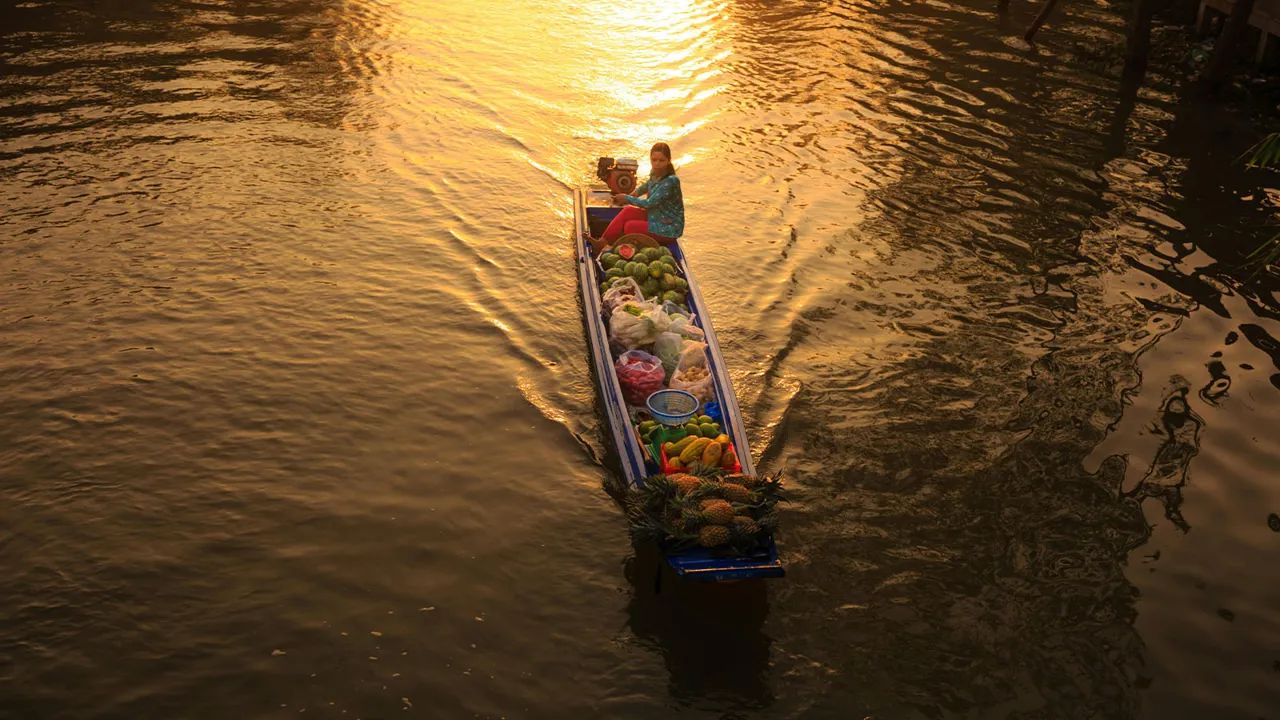
Vietnam Itinerary 2 Weeks
Hanoi - Ninh Binh - Lao Cai - Sapa - Muong Hum market - Ha Long Bay - Hue - Danang - Hoi An - Saigon - Mekong Delta - Cai Rang floating market - Departure

The Best of Ha Giang Trekking Tours
Discover Ha Giang on trekking tours where you live local life, enjoy breathtaking views and escape the crowded routes.

Vietnam and Laos 14 days
Saigon - My Tho - Da Nang- Hoian – Hue - Hanoi - Halong Bay - Vientiane Luang Prabang - Pak Ou – Khuang Si - Luang Prabang – Departure
Vietnam Cambodia Itinerary 14 Days
Hanoi – Hoa Binh – Mai Chau – Ninh Binh – Halong bay – Hue - Danang – Hoian – Saigon – Ben Tre - Can Tho – Saigon - Siem Reap Angkor - Tonlé Sap - Siem Reap – Ta Prohm - Departure

Authentic Hoang Su Phi Trekking Tours
Hoang Su Phi trekking tours take you to stunning terraces, meet few tourists, connect with locals and enjoy authentic culture.

Honeymoon Tour Packages In Vietnam 12 Days
Saigon Arrival - City Tour – Mekong Delta – Danang – Hoian - by flight - Da Nang – Hanoi - by flight – Halong - overnight on junk – Departure
Are you interested in this tour?


Our testimonials
Whether it's a short or long tour, to discover must-see sites or to travel less-traveled paths, by car, junk, on foot, by bike or by motorbike... upon their return from their trip to Indochina, our clients tell us about their experiences. We thank them for entrusting us with the organization of their stay in Vietnam, Cambodia, Laos, Thailand and Myanmar!
Tailor-made trips to Vietnam
Are you a couple, a family, a group of friends? Are you planning a trip to Vietnam and/or Southeast Asia? Or maybe you want an individual, personalized trip, operated directly by a local agency? Perhaps you're thinking of a customized trip accompanied by a perfectly French-speaking guide and a private car with a professional driver... Are you the kind of traveler who likes to go where others don't? Our tailor-made tours adapt to your desires, your choices, your pace and your budget.... You decide, we create a trip that suits you!


Don't miss anything from Southeast Asia
The press talks about us




Comment
No comments yet. Be the first to leave a comment!