 Français
 Deutsch
 Italiano
 Português
 Español
Top 20 Random Facts About Vietnam That You May Want To Know
You think you know Vietnam? These 20 quirky and surprising facts will change your view of the country, revealing hidden history, culture, traditions, and everyday curiosities.
Vietnam is full of surprises. From misty mountain villages and endless coastlines to ancient traditions and flavorful street food, there’s so much to discover beyond what you read in guidebooks. Whether you're planning your first trip or just curious about this Southeast Asian gem, learning a few fun facts can give you a deeper appreciation of the culture, people, and places you’ll encounter.
In this article, we’ve put together the Top 20 random facts about Vietnam that will help you understand the country a little better—and maybe even inspire you to see it through a different lens. Some are quirky, some are surprising, and others reveal how beautifully complex and diverse Vietnam really is.
#1 Vietnam is shaped like the letter "S"
When you look at Vietnam on the map, you'll see that the country curves down along the coast in the shape of a soft letter “S.” This shape helps divide the country into three main regions: the north, the central coast, and the south. Each region has its own weather, food specialties, and cultural style. This shape also gives the country a huge range of landscapes—from mountains and highlands in the north to flat rice fields in the Mekong Delta

#2 The country has over 3,000 kilometers of coastline
Vietnam stretches along the eastern edge of mainland Southeast Asia and boasts more than 3,200 kilometers (around 2,000 miles) of coastline. That means there are beaches almost everywhere! From the golden sands of Da Nang to the hidden coves of Quy Nhon or the island shores of Phu Quoc, you’ll find many places to swim, sunbathe, or enjoy fresh seafood. It’s one reason we think Vietnam is perfect for a summer trip.
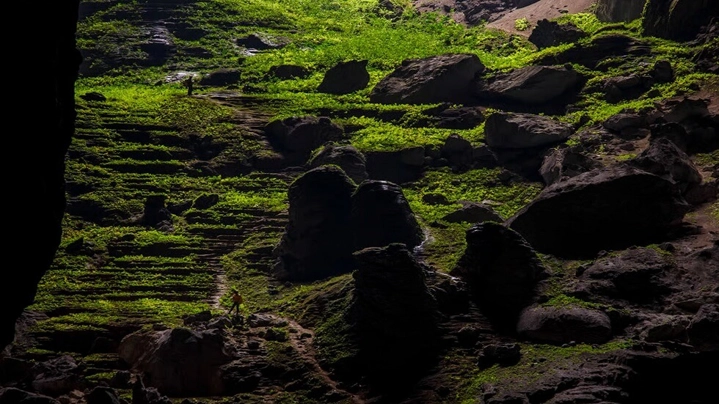
#3 Vietnam is home to the world's largest cave—Son Doong Cave
Located in Phong Nha-Ke Bang National Park in central Vietnam, Son Doong Cave is so big it has its own jungle, river, and clouds inside. It was first explored in 2009 by a British-Vietnamese team and is now one of the most unique natural wonders in the world. Only a limited number of people can visit each year, and you have to join a multi-day guided expedition. But if you love adventure, this is a once-in-a-lifetime experience.
#4 It has 54 officially recognized ethnic groups
While the majority of Vietnamese people belong to the Kinh (or Viet) ethnic group, the country is home to 53 other ethnic groups as well. Each has its own language, traditional dress, festivals, and customs. For example, the Hmong in the northwestern mountains wear vibrant hand-embroidered clothing and hold colorful New Year celebrations. The Cham people in the south still practice ancient Hindu traditions. If you visit places like Sapa, Ha Giang, or Dak Lak, you can meet different communities and even stay with local families.
#5 Vietnam has a long history of Chinese, French, and American influence
Over the centuries, Vietnam has been shaped by many foreign influences. The Chinese ruled parts of Vietnam for over a thousand years, bringing Confucianism, Chinese characters, and architectural styles. The French colonized Vietnam in the 19th and 20th centuries, and you can still see their legacy in old buildings, baguettes, and coffee culture. The American War (what locals call the Vietnam War) also left a lasting mark, especially in places like the Cu Chi Tunnels or the War Remnants Museum in Ho Chi Minh City. All of these layers have made Vietnam a fascinating mix of East and West.
#6 Pho is Vietnam’s most famous dish, but it’s just one of many delicious noodle dishes
Pho (pronounced "fuh") is a steaming bowl of rice noodles, herbs, and beef or chicken in a clear broth. You can find it almost everywhere, from street stalls to fancy restaurants. But don’t stop at pho! Vietnam has many more noodle dishes worth trying. Bun bo Hue is spicy and rich, Mi Quang has turmeric noodles and shrimp, and Bun Rieu is a crab-based tomato soup. Each region has its own specialties, so keep your mind and your stomach open.

#7 Vietnamese iced coffee (ca phe sua da) is among the strongest and tastiest in the world
If you love coffee, Vietnam will spoil you. Locals make coffee using a metal drip filter called a "phin" and pour it over a glass of sweetened condensed milk and ice. The result is rich, bold, and creamy. You can also try egg coffee in Hanoi, coconut coffee in Saigon, or salted coffee in Hue. Vietnamese coffee often tastes stronger than what you're used to, so sip slowly at first.
#8 The Vietnamese New Year (Tet) is the most important celebration of the year
Tet (short for Tet Nguyen Dan) usually takes place in late January or early February. It's based on the lunar calendar, and it's when families gather to honor their ancestors and welcome a fresh start. Homes get a deep clean, people decorate with flowers like peach blossoms or kumquat trees, and children receive "lì xì"—lucky red envelopes with money. Streets become quiet during the first days of Tet, but the atmosphere is full of joy and tradition.

#9 The country has 8 UNESCO World Heritage Sites
Vietnam is home to 8 official UNESCO World Heritage Sites that celebrate both its natural beauty and cultural history.
Halong Bay (Natural)
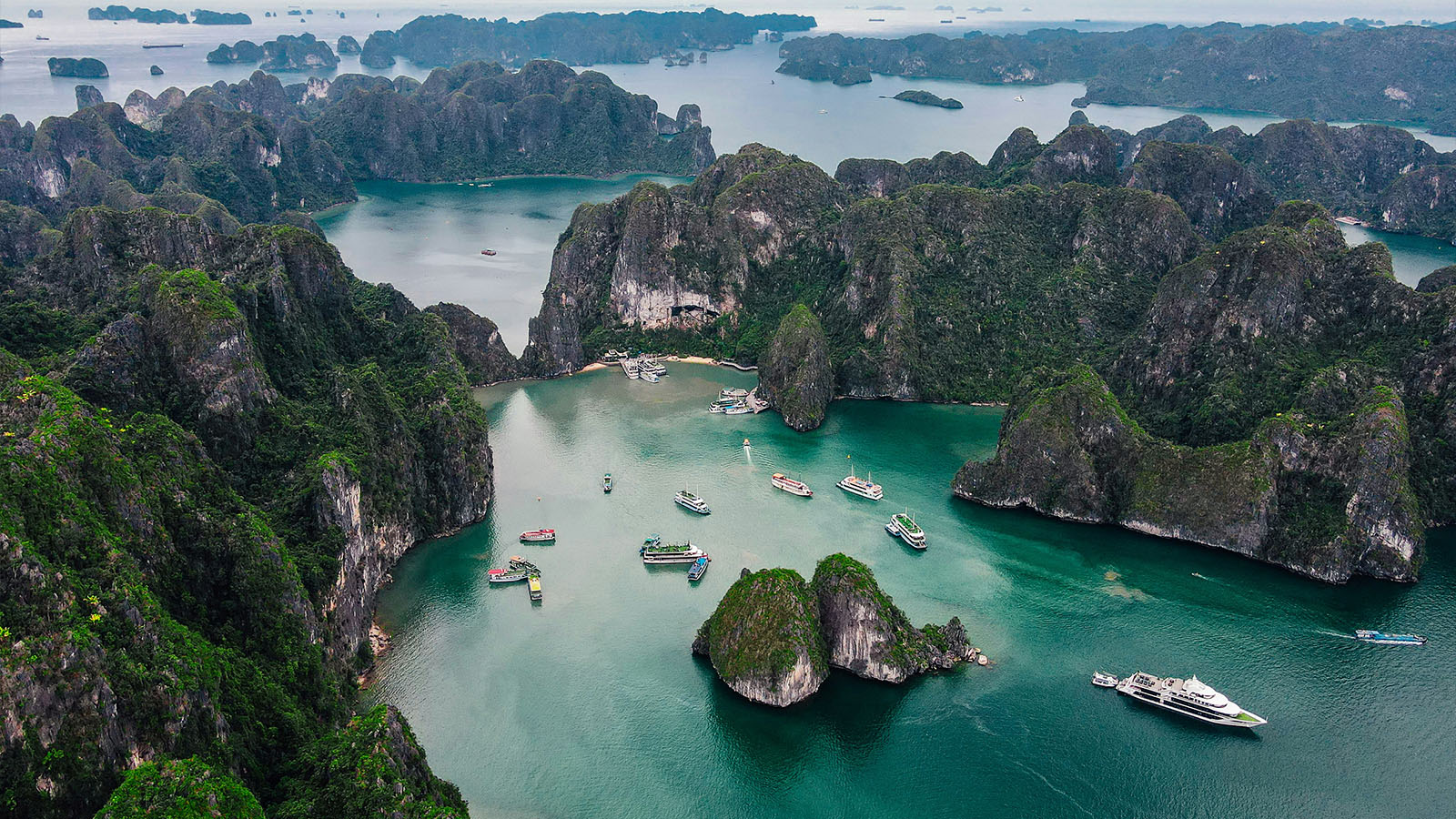
Known for its emerald waters and nearly 2,000 limestone islands topped with rainforests, Halong Bay in Quang Ninh Province is a world-famous destination.
Phong Nha–Ke Bang National Park (Natural)
Located in Quang Binh Province, this park features one of the most impressive cave systems in the world, including the record-breaking Son Doong Cave.
Complex of Hue Monuments (Cultural)
This site in central Vietnam was the imperial capital during the Nguyen Dynasty and includes palaces, tombs, pagodas, and temples along the Perfume River.
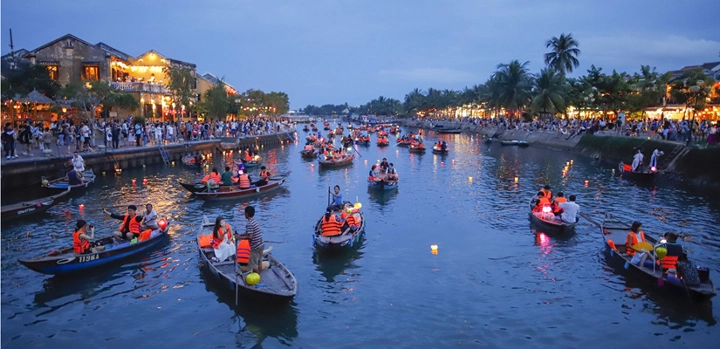
Hoi An Ancient Town (Cultural)
A well-preserved trading port in Quang Nam Province, Hoi An blends local and foreign influences from the 15th to 19th centuries.
My Son Sanctuary (Cultural)
Also in Quang Nam, this former religious center of the Champa Kingdom contains Hindu temple ruins dating from the 4th to 13th centuries.
Central Sector of the Imperial Citadel of Thang Long – Hanoi (Cultural)
This historic site showcases the political center of Vietnam for over 1,000 years, reflecting the country’s complex history.
Citadel of the Ho Dynasty (Cultural)
Located in Thanh Hoa Province, this short-lived 14th-century capital was built entirely of stone without mortar, showcasing remarkable architecture.
Trang An Landscape Complex (Both Cultural and Natural)
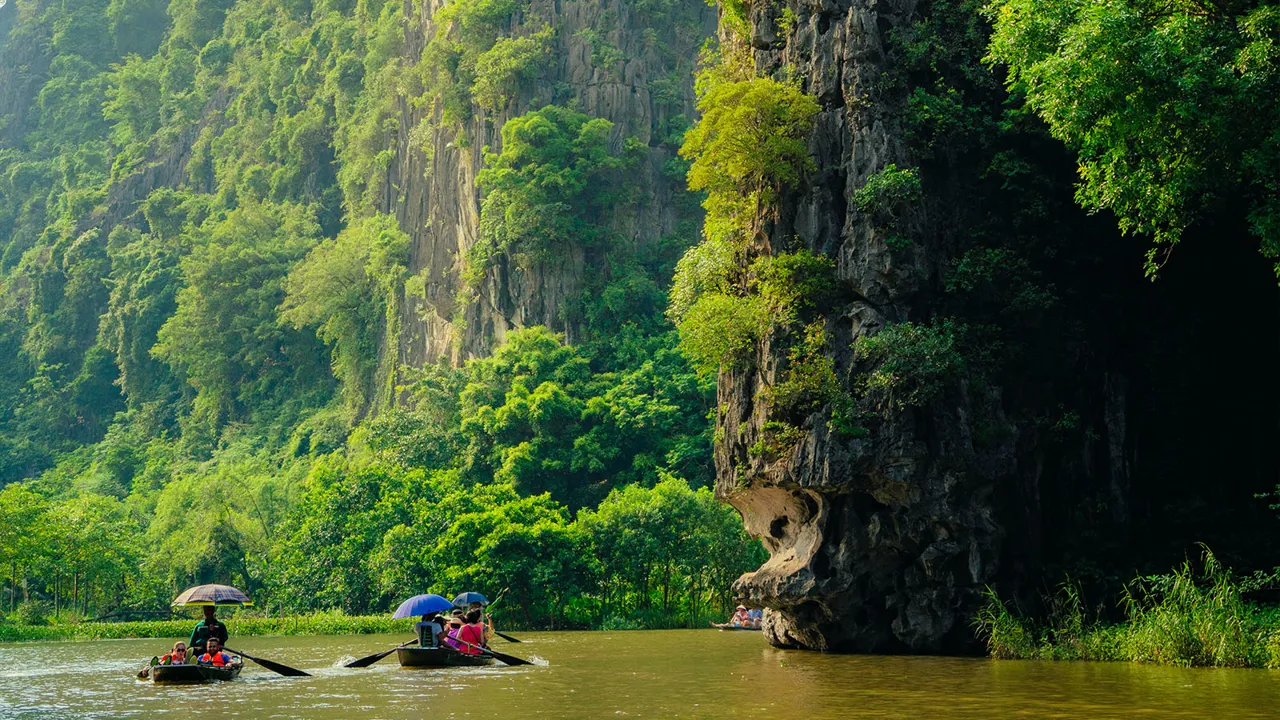
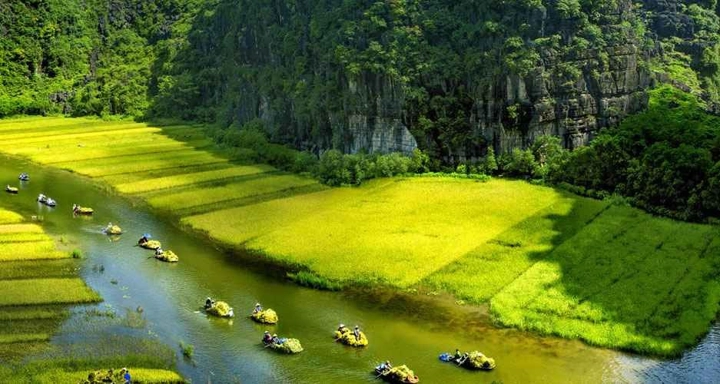
Found in Ninh Binh Province, Trang An combines limestone karst peaks with cultural landmarks like ancient temples and the former capital of Hoa Lu.
#10 Halong Bay has nearly 2,000 limestone islands
Halong Bay in northern Vietnam is a must-see for anyone visiting the country. The bay is dotted with around 1,969 limestone islands and islets, many of which are uninhabited and untouched. The scenery is surreal—like something out of a fantasy movie. You can take an overnight cruise, kayak through sea caves, visit floating fishing villages, or just relax and enjoy the views. It’s peaceful, romantic, and unforgettable.

#11 The Vietnamese language uses the Latin alphabet—thanks to Portuguese missionaries
Vietnamese might sound completely different from European languages, but it actually uses the Latin alphabet. This writing system, called Quốc Ngữ, was introduced by Portuguese and French missionaries in the 17th century. Before that, people wrote Vietnamese using Chinese characters. Today, the Latin script makes it easier for travelers to read signs and menus—even if pronunciation takes some getting used to!
#12 Vietnamese street food is among the best and cheapest in the world
Eating in Vietnam is a treat—especially on the street. From bowls of hot phở to crunchy bánh mì sandwiches, you can find delicious meals for just $1–$2. Each region has its own specialties. In Hanoi, try bún chả (grilled pork with noodles). In Hue, go for bánh bèo (steamed rice cakes). And in Saigon, don’t miss cơm tấm (broken rice with grilled meat). The food is fresh, fast, and full of flavor.

#13 Vietnamese people eat almost every part of an animal—nothing goes to waste
In Vietnam, food culture is all about being resourceful. People use every part of the animal, from organs to bones. You'll find dishes made with pig intestines, duck blood pudding, chicken feet, and beef tendon. While this may be surprising at first, it’s a part of a no-waste philosophy rooted in centuries of tradition and scarcity. If you're adventurous, street stalls and local markets offer a great way to explore these unique flavors.
#14 Vietnam is home to some of the most exotic dishes
If you’re feeling bold, Vietnam offers some truly unique dishes. In some parts of the country, you can try fertilized duck egg (balut), snake wine, silkworms, or even rat meat (mostly in rural areas and only certain types). These foods aren’t for everyone, and not every Vietnamese person eats them either. But they do reflect a deep connection to the land and a willingness to use everything nature provides.

#15 You’ll find ancestral altars in almost every Vietnamese home
Most Vietnamese homes have a family altar—usually placed in a quiet, respectful spot. People offer fruits, tea, and incense to honor deceased relatives. On death anniversaries and during Tết (Vietnamese New Year), families hold ceremonies to remember their ancestors. This tradition reflects a strong belief that the dead still watch over the living. You’ll also notice temples, tombs, and shrines throughout the country dedicated to those who came before.
#16 Mother Goddess Worship (Dao Mau) is a unique spiritual practice in Vietnam
Đạo Mẫu is a traditional religion in Vietnam centered around the worship of female deities, especially the Mother Goddesses. It combines elements of folk religion, Buddhism, and Taoism. One of the most fascinating parts of this practice is the hầu đồng ritual—a colorful ceremony involving music, singing, elaborate costumes, and spirit possession. During the ceremony, a medium channels the spirits of various deities. UNESCO recognized this tradition as an Intangible Cultural Heritage in 2016. If you're curious, you can sometimes witness these rituals at temples in Hanoi or Nam Dinh.

#17 Vietnamese names are written with the family name first
In Vietnam, people write their family name first, followed by the middle name, then the given name. For example, in the name Nguyễn Thị Minh, “Nguyễn” is the family name, “Thị” is the middle name (used if the baby is female), and “Minh” is the given name. This order reflects Vietnam’s Confucian roots, where family and community come before the individual. The most common surname is Nguyễn—almost 40% of the population shares it!
#18 Vietnamese water puppetry (mua roi nuoc) was originally performed in flooded rice paddies
Múa rối nước (water puppetry) is a traditional art form that began in the Red River Delta in the 11th century. Farmers originally performed the shows in flooded rice fields to entertain the village. Puppeteers stand behind a screen in waist-deep water and use long rods to control wooden puppets. The stories often depict legends, daily life, or harvest celebrations. If you’re in Hanoi, the Thang Long Water Puppet Theater near Hoan Kiem Lake is a great place to catch a show.

#19 Vietnam is one of the most budget-friendly travel destinations in Southeast Asia
You don’t need to spend a lot to enjoy Vietnam. Street food meals can cost under $2, local bus tickets are usually less than $1, and hostels or guesthouses offer stays for $10–$20 a night. Even nicer hotels and domestic flights are surprisingly affordable. From beaches to mountains to big cities, you can experience a lot without breaking the bank. We think it’s one of the best-value countries for long-term travel or backpacking in Asia.
#20 You can travel to Vietnam visa-free
If you hold a passport from the UK, most European countries, Japan, South Korea, or several ASEAN nations, you can enter Vietnam visa-free for up to 90 days depending on your nationality. This makes planning a trip a lot easier. Even if you need a visa, the Vietnam e-visa system is fast and simple, and you can apply online before arriving. Just check the latest rules on official government websites before your trip, as policies can change.
Conclusion
As you can see from these Top 20 random facts about Vietnam, the country offers far more than postcard views and famous dishes. It’s a land shaped by rich traditions, diverse communities, and everyday details that make traveling here an unforgettable experience.
Whether you're wandering through ancient towns, sipping strong iced coffee on the sidewalk, or learning the story behind a local festival, there's always something new to explore. We hope these facts spark your curiosity, and if you’re ready to experience it for yourself, we highly recommend booking a cultural tour or guided trip to dive even deeper into what makes Vietnam so special. Contact us and let’s start planning your journey to Vietnam today!
>>> Top 8 Most Impressive Sand Dunes In Vietnam
>>> How many days to visit Phong Nha Ke Bang National Park?
Giang is a Vietnam destination expert with over a decade of experience guiding travelers through the country’s most inspiring regions. Born and raised in the Red River Delta, Giang has an intimate understanding of local traditions, cuisine, and culture. Her articles reflect her mission: to help travelers discover the authentic Vietnam — beyond the postcards — through meaningful encounters and immersive journeys.
Send us your comments about : Top 20 Random Facts About Vietnam That You May Want To Know
Required fields*
You may also like
You may also like
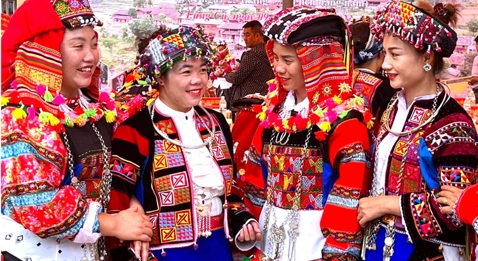
Top 20+ best things to do in Ha Giang
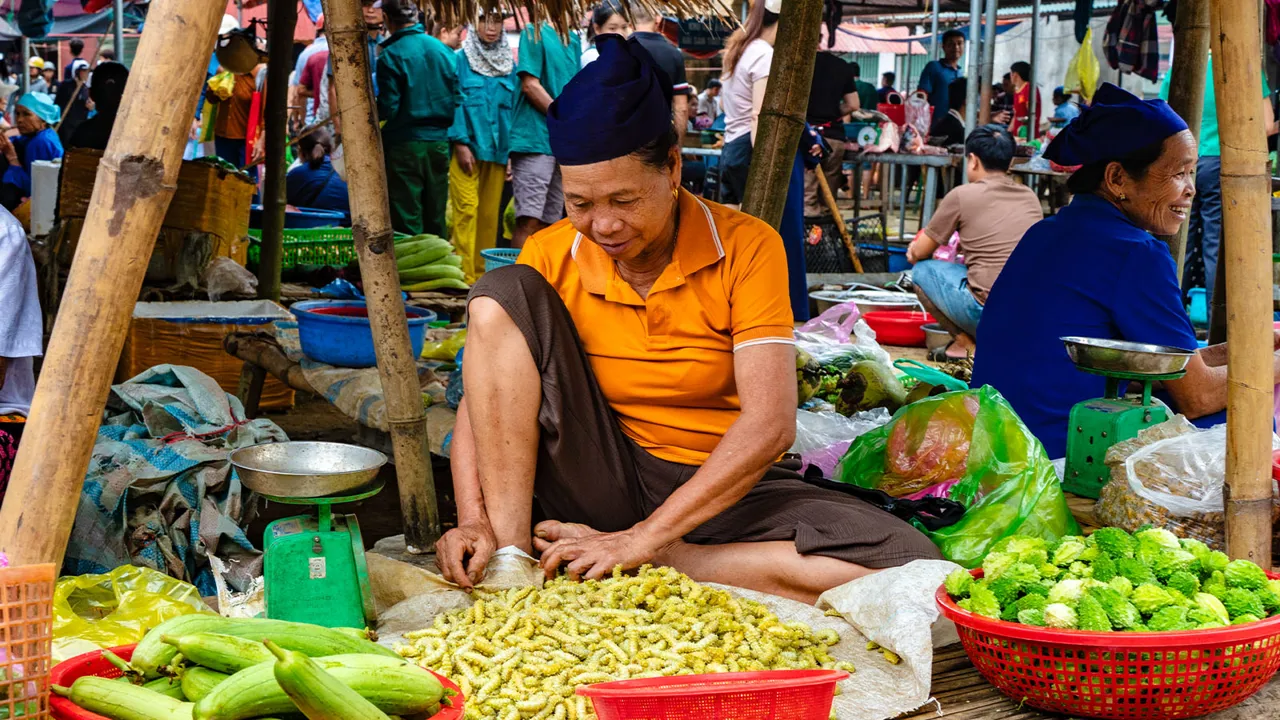
Looking for the ultimate Ha Giang experience? Here are 20+ must-dos to make your Northern Vietnam journey unforgettable, from mountain passes and ethnic markets to scenic valleys.
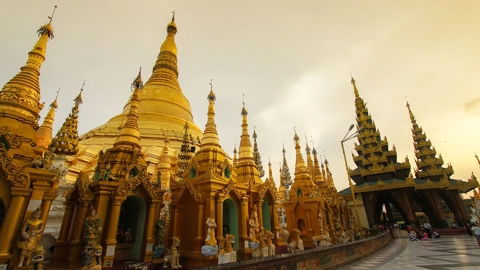
Myanmar Travel Guide: A Useful Guide Book For Your Successful Trip
Navigate Myanmar’s golden pagodas, colonial towns, and spiritual landscapes with the most up-to-date travel tips, covering visas, safety, and must-see cultural highlights.
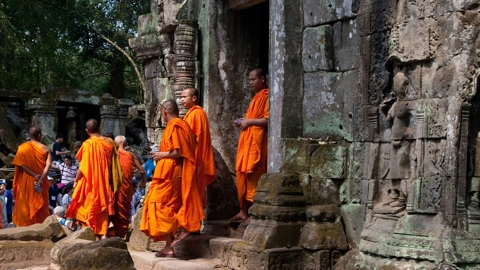
Cambodia Travel Guide: Ultimate Guide Book For A Successful Trip To Cambodia
Dive into Cambodia’s majestic Angkor temples, floating villages, and rich Khmer heritage with this essential travel companion, packed with insider tips, and must-see highlights.
Travel ideas
Need some inspiration? Discover some of the best tours in Vietnam, which are highly appreciated by our clients. An excellent starting point to help you choose the right trip to Vietnam, Laos, Cambodia, Burma or Thailand, whether you are traveling alone, as a couple, as a family or with friends.
And because this trip is yours, feel free to customize it as you wish!
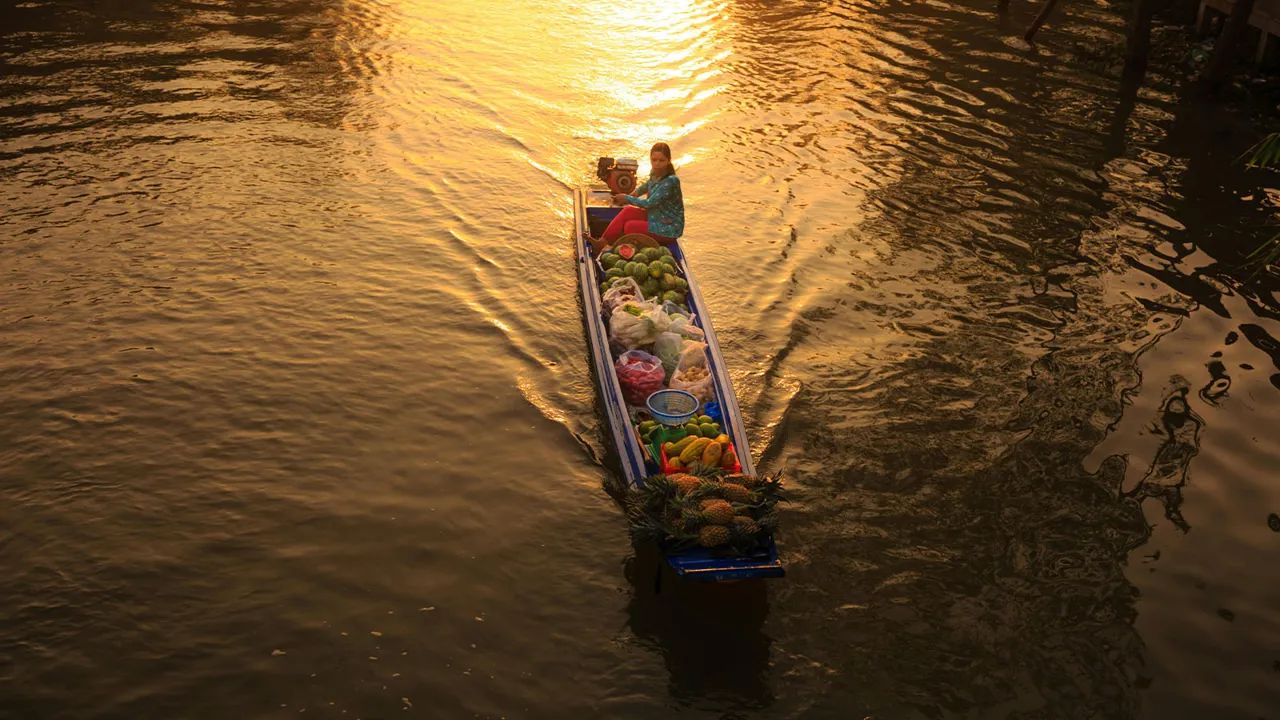
Vietnam Itinerary 2 Weeks
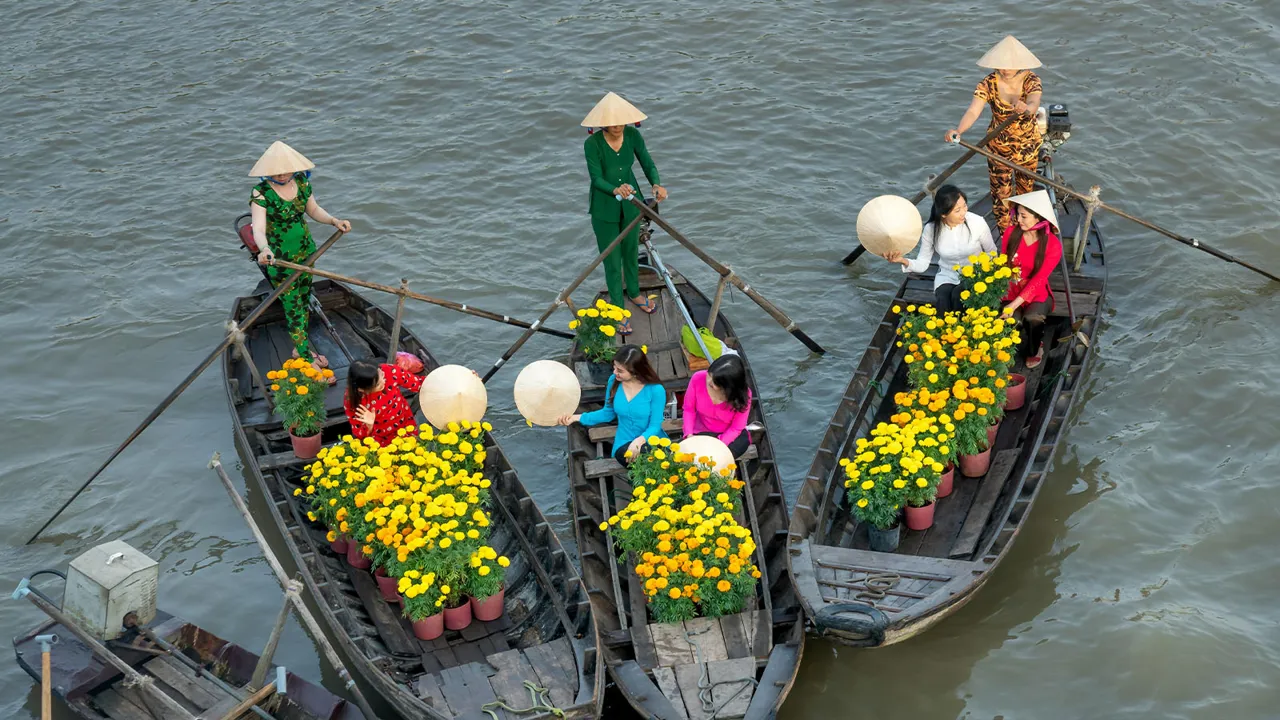
Hanoi - Ninh Binh - Lao Cai - Sapa - Muong Hum market - Ha Long Bay - Hue - Danang - Hoi An - Saigon - Mekong Delta - Cai Rang floating market - Departure

The Best of Ha Giang Trekking Tours
Discover Ha Giang on trekking tours where you live local life, enjoy breathtaking views and escape the crowded routes.

Vietnam and Laos 14 days
Saigon - My Tho - Da Nang- Hoian – Hue - Hanoi - Halong Bay - Vientiane Luang Prabang - Pak Ou – Khuang Si - Luang Prabang – Departure
Vietnam Cambodia Itinerary 14 Days
Hanoi – Hoa Binh – Mai Chau – Ninh Binh – Halong bay – Hue - Danang – Hoian – Saigon – Ben Tre - Can Tho – Saigon - Siem Reap Angkor - Tonlé Sap - Siem Reap – Ta Prohm - Departure

Authentic Hoang Su Phi Trekking Tours
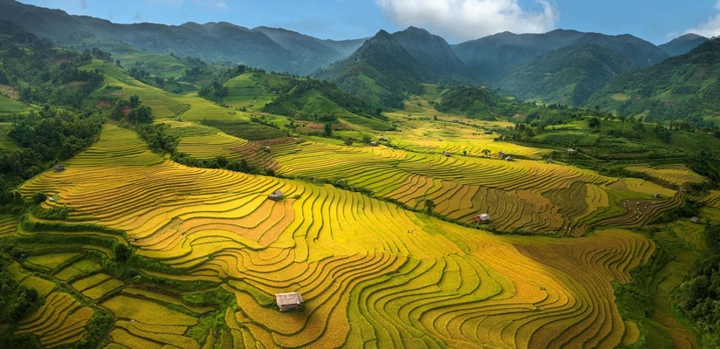
Hoang Su Phi trekking tours take you to stunning terraces, meet few tourists, connect with locals and enjoy authentic culture.

Honeymoon Tour Packages In Vietnam 12 Days
Saigon Arrival - City Tour – Mekong Delta – Danang – Hoian - by flight - Da Nang – Hanoi - by flight – Halong - overnight on junk – Departure
Are you interested in this tour?

Our testimonials
Whether it's a short or long tour, to discover must-see sites or to travel less-traveled paths, by car, junk, on foot, by bike or by motorbike... upon their return from their trip to Indochina, our clients tell us about their experiences. We thank them for entrusting us with the organization of their stay in Vietnam, Cambodia, Laos, Thailand and Myanmar!
Tailor-made trips to Vietnam
Are you a couple, a family, a group of friends? Are you planning a trip to Vietnam and/or Southeast Asia? Or maybe you want an individual, personalized trip, operated directly by a local agency? Perhaps you're thinking of a customized trip accompanied by a perfectly French-speaking guide and a private car with a professional driver... Are you the kind of traveler who likes to go where others don't? Our tailor-made tours adapt to your desires, your choices, your pace and your budget.... You decide, we create a trip that suits you!

Don't miss anything from Southeast Asia
The press talks about us


Comment
No comments yet. Be the first to leave a comment!