 Français
 Deutsch
 Italiano
 Português
 Español

What to Wear to Temples and Pagodas in Vietnam: Dress Code, Rules & Sacred Etiquette
Visiting Vietnam's sacred temples and pagodas? Discover the strict dress code rules, what clothing will get you turned away, footwear customs, and respectful photography tips.
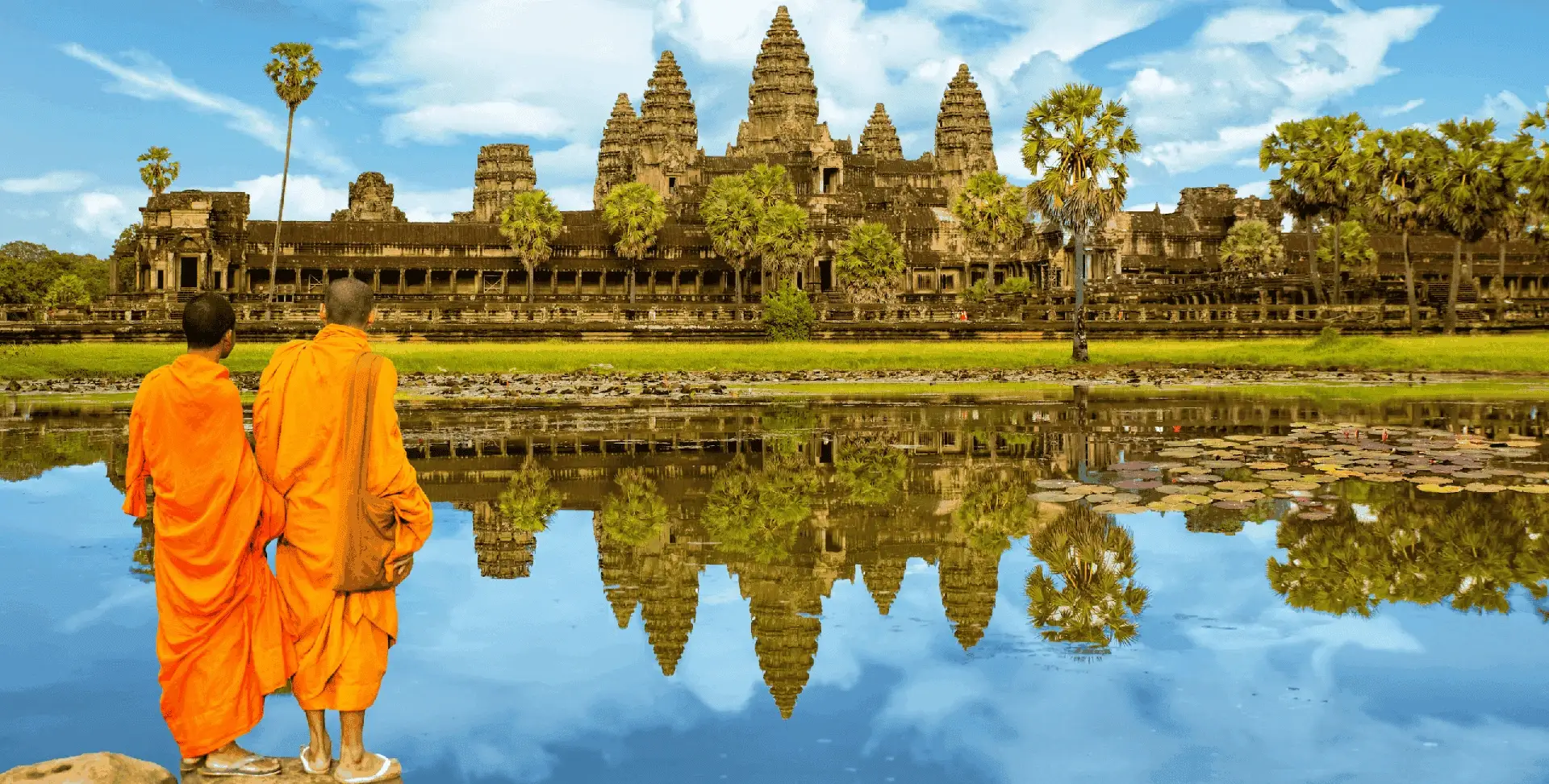
Few travel experiences in Southeast Asia are as deeply moving as stepping into the tranquil courtyard of an ancient Vietnamese temple. The delicate scent of burning sandalwood incense curls around ancient banyan trees, red lacquer pillars shimmer with gold calligraphy, and saffron-robed Buddhist monks chant ancient sutras while brass bells chime softly into the morning air.
From the thousand-year-old stone courtyards of the Temple of Literature (Văn Miếu) and Tran Quoc Pagoda in Hanoi to the imperial royal tombs of Hue and the atmospheric ancestral shrines of Hoi An, historic sanctuaries form the spiritual cornerstone of your Vietnamese journey.
However, as thousands of international visitors discover each week, sacred sites across Vietnam enforce strict, non-negotiable dress codes and behavioral etiquette.
Arriving in revealing tourist attire—such as athletic tank tops, short shorts, plunging necklines, or sheer sundresses—will frequently result in temple security guards shaking their heads, crossing their arms, and turning you away at the gate.
At Vietnam Original Travel, where our cultural journeys celebrate centuries of heritage with profound local respect, we want your temple visits to be welcoming, inspiring, and worry-free. Here is your definitive, practical guide to What to Wear to Temples, Pagodas, and Sacred Sites in Vietnam for 2026 and 2027.

The Fundamental Rule: The "Shoulders and Knees" Principle
If you remember only one guideline when packing your daily day-pack for cultural sightseeing in Vietnam, make it this: Shoulders must be covered, and knees must be covered.
In Vietnamese spiritual tradition (spanning Mahayana Buddhism, Taoism, and Confucian ancestral veneration), sacred enclosures are not merely historic tourist monuments; they are living sanctums inhabited by ancestral spirits, enlightened Bodhisattvas, and national heroes.
Dressing modestly is regarded as an essential outward demonstration of humility, purity, and spiritual respect.
The Quick "Pass or Fail" Temple Wardrobe Test:
|
Acceptable & Welcomed Attire (Green Light) |
Strictly Prohibited / Will Be Turned Away (Red Light) |
|
T-shirts, polo shirts, and blouses that fully cover shoulders |
Tank tops, halter tops, spaghetti strap camisoles, crop tops |
|
Trousers, jeans, chinos, or culottes reaching below the knee |
Short shorts, running shorts, athletic gym booty shorts |
|
Long maxi skirts, midi dresses, or linen pants covering the knees |
Mini-skirts, short summer dresses ending above the kneecap |
|
Loose, lightweight, breathable linen or cotton fabrics |
See-through, sheer, or mesh lace fabrics showing underwear |
|
Traditional Vietnamese Áo dài with long matching trousers |
Revealing clothing with deep plunging V-necklines or bare backs |
|
Footwear that is easily slipped on and off (sandals/loafers) |
Clothes displaying offensive graphics, skulls, or vulgar slogans |
What to Wear for Men vs. Women: Practical Outfit Ideas
Vietnam’s tropical heat and humidity—particularly during the summer months from May to September—can tempt travelers to dress as minimally as possible. However, staying cool and staying respectful are easily combined:
For Female Travelers
- The Ideal Outfit: A lightweight cotton or linen short-sleeved blouse paired with loose, flowing wide-leg linen trousers or an ankle-length maxi skirt. This provides maximum sun protection, allows breezy air circulation, and complies 100% with temple modesty.
- The "Sarong / Scarf" Emergency Fix: If you are touring city sights in a sleeveless dress during the heat of the day, keep a lightweight pashmina scarf or sarong folded inside your day bag. You can quickly drape it around your shoulders or wrap it around your waist like a long skirt before stepping into temple gates.
- Note on Sheer Wraps: Security at major sites (such as the Ho Chi Minh Mausoleum and Tran Quoc Pagoda) will inspect wraps. If your scarf is completely transparent or constantly slips off your shoulders, guards may still deny entry. A lightweight short-sleeved cardigan is far more reliable.

For Male Travelers
- The Ideal Outfit: A standard crewneck cotton T-shirt or short-sleeved polo shirt paired with lightweight chinos or knee-length cargo shorts that fully cover the kneecaps.
- Avoid: Sleeveless athletic basketball jerseys, tank tops (áo ba lỗ), and short gym running shorts. In Vietnamese culture, men appearing bare-chested or in sleeveless undershirts in spiritual temples is viewed as uncultured and disrespectful.
Footwear Customs: When Must You Remove Your Shoes?
Unlike Buddhist temples in Thailand or Myanmar where you must take off your shoes at the outer boundary gate and walk barefoot across burning outdoor courtyards, Vietnam follows a much more practical footwear custom:
Outdoor Courtyards & Garden Paths: You KEEP your shoes ON. You can walk freely through the stone gardens, lotus ponds, and pavilions of temple grounds in your regular walking shoes or sandals.
The Inner Sanctuary (Chính Điện): When you step across the threshold into the enclosed inner prayer hall where the primary golden Buddha statues, ancestral altars, and smoking bronze censers are housed, you MUST remove your shoes.
Look for Visual Cues: Look beside the doorway threshold. You will notice shoe cubbies, wooden racks, or a row of neat sandals left by local worshippers. If you see shoes outside, slip yours off immediately before entering.
Footwear Recommendation: Wear comfortable, supportive walking sandals with straps or slip-on loafers. Lacing and unlacing tight hiking boots eight times a day quickly becomes tedious! Wearing socks is perfectly acceptable if you prefer not to walk barefoot on cool temple tiles.

The Ultimate Modesty Test: The Ho Chi Minh Mausoleum in Hanoi
While regular neighborhood pagodas are gracious, the Ho Chi Minh Mausoleum Complex in Hanoi enforces the strictest dress code and protocol in the entire nation:
- Zero Tolerance for Exposed Skin: You will be scrutinized by crisp, white-uniformed military honor guards. Shoulders, knees, and midriffs must be completely covered. No scarves draped over tank tops—you must wear actual sleeves.
- Hats and Sunglasses Off: As soon as you enter the glass sanctuary viewing corridor to pay respects to the preserved body of President Ho Chi Minh, you must remove your sunhat, sunglasses, and take your hands out of your pockets.
- Strict Silence: Talking, laughing, whispering, pointing, and crossing your arms are strictly forbidden. Maintain a dignified, quiet procession.
- No Cameras Inside: Photography and video recording inside the inner viewing chamber are strictly prohibited; cameras must be checked into secure lockers before entering the line.
Discover Sacred Vietnam with Vietnam Original Travel
Understanding the spiritual nuances and architectural symbolism of Vietnam's ancient temples transforms sightseeing into profound cultural enlightenment. On our private guided excursions, your licensed local guide ensures you navigate sacred sanctuaries with complete poise, shares the deep folklore of every deity, and unlocks secret heritage courtyards far from tourist crowds. Explore Our Private Cultural & Heritage Tours or Speak with Our Cultural Travel Designers.
Sacred Temple Etiquette: 5 Rules Every Traveler Must Know
Beyond your clothing, respecting traditional behavioral codes ensures you are received with warmth and blessings by local elders and Buddhist monks:
Never Step on the Raised Door Threshold (Ngưỡng Cửa): At the entrance of traditional temple doorways, you will notice a raised wooden beam across the floor. Always step OVER the threshold—never step ON it. In Vietnamese folk belief, stepping on the threshold is symbolic of stepping on the neck of the guardian spirit of the temple and brings misfortune.
Never Point Your Feet at Buddha Statues or Monks: In Buddhist tradition, the soles of the feet are considered the lowest, least clean part of the physical body. If you sit on the floor of a prayer hall to rest or meditate, tuck your feet behind you in a kneeling position, or sit cross-legged with your feet tucked beneath your thighs. Never stretch your legs out with your feet pointing directly toward the altar.
Walk Around the Altar Clockwise: When circumambulating Buddhist stupas or shrines, traditional custom dictates walking in a clockwise direction(pradaksina), keeping your right side facing the sacred relics.

Speak in Low, Respectful Tones: Silence your smartphone before crossing the courtyard. Avoid loud telephone conversations, exuberant shouting, or boisterous laughter. Sacred pagodas are spaces of deep spiritual retreat for elderly locals and meditating monks.
Photography Rules in the Sanctuary: Taking photos of exterior pagodas, ancient bell towers, and garden bonsai trees is warmly welcomed everywhere. However, never photograph worshippers in mid-prayer or taking direct flash photos of the inner golden Buddha altars. If a sign says "Không Chụp Ảnh / No Photography", respect it without exception. Never climb on sacred stone statues or pose playfully mimicking Buddha mudras for social media selfies.
Cultural Etiquette: Lighting Incense & Making Offerings
If you wish to participate respectfully in local spiritual rituals, you are warmly invited to do so:
- Lighting Incense (Thắp Hương): You will often see bundles of incense available near temple censers. It is customary to light an odd number of incense sticks (typically 1 or 3 sticks). In Asian numerology, odd numbers represent Yang (growth, vitality, and connection to the spiritual realm), while even numbers represent Yin.
- The Bowing Gesture (Vái / Lạy): Hold the lit incense sticks between both palms pressed together in front of your chest or forehead. Bow slightly three times toward the altar with a calm, grateful heart, and place the sticks upright into the large brass incense censer.
- Modest Donations (Công Đức): If you feel moved by the peace of the temple, you may place a small cash donation (such as 20,000 to 50,000 VND) into the wooden donation box (hòm công đức). These funds directly support temple upkeep, historic preservation, and charitable community meals cooked by Buddhist nuns and monks.

Frequently Asked Questions (FAQ)
Can I wear shorts to temples in Vietnam if they cover my knees?
Yes. Modest shorts or bermuda shorts that reach down past the kneecap are generally accepted at most pagodas and temples. However, athletic running shorts ending above the knee will be rejected.
Do women have to cover their heads in Vietnamese temples?
No. Unlike mosques or Orthodox churches, there is no requirement for women to cover their hair or head in Vietnamese Buddhist pagodas or temples. In fact, removing hats and sunglasses before entering inner sanctums is customary.
What if I arrive at a temple dressed inappropriately?
Many popular tourist temples (such as Hanoi's Temple of Literature or Hue Citadel) provide or rent lightweight modesty cover-ups, long skirts, or scarves at the ticket gate for a nominal fee (around 10,000 to 30,000 VND). However, smaller neighborhood pagodas do not offer rentals—if you are underdressed, you simply cannot enter.
Is wearing an Áo Dài appropriate for visiting pagodas?
Yes, absolutely! The traditional Vietnamese Áo Dài (featuring a long tunic worn over flowing silk trousers) is the pinnacle of graceful, respectful, and elegant cultural attire. Monks and locals will smile warmly and appreciate your appreciation of Vietnamese culture.
Are children required to follow the strict temple dress code?
Young children under the age of 8 or 10 are given significant leeway and can wear standard comfortable summer clothing (including t-shirts and shorts). Teenagers and older children, however, should dress according to the standard modest rules.
Can I wear sandals or flip-flops to temples in Vietnam?
Yes. Wearing sandals, Birkenstocks, or clean flip-flops is completely acceptable in outdoor courtyards, as footwear must be slipped off easily before stepping into the inner prayer chambers anyway.
Are temples in Vietnam open every day?
Most Buddhist pagodas open daily from sunrise (around 06:00 AM) to dusk (around 18:00 PM). Historic state-managed monuments (like the Temple of Literature or Hue Royal Tombs) operate on fixed daytime ticket hours (usually 07:30 AM to 17:30 PM).
What to Wear to Temples in Vietnam: Honor the Sacred Soul of Indochina
Packing for your journey through Vietnam does not mean sacrificing comfort for culture. By embracing breezy, modest linens, keeping a lightweight scarf close at hand, and respecting time-honored thresholds, you open the door to the deepest spiritual heart of this ancient nation. You will be greeted not as a distant tourist, but as an honored guest welcomed with serene smiles and heartfelt hospitality.
To discover the hidden stories, imperial philosophies, and architectural secrets behind Vietnam’s sacred monuments, travel with the master storytellers at Vietnam Original Travel. With private air-conditioned transport, priority access, and seasoned local guides who bridge every cultural nuance, your heritage journey will be illuminating, effortless, and deeply moving.
>>> Hanoi City Tour Full Day: Temples, Citadels & French Boulevards
>>> What to Wear in Vietnam: The Complete Month-by-Month Packing Guide
Giang is a Vietnam destination expert with over a decade of experience guiding travelers through the country’s most inspiring regions. Born and raised in the Red River Delta, Giang has an intimate understanding of local traditions, cuisine, and culture. Her articles reflect her mission: to help travelers discover the authentic Vietnam — beyond the postcards — through meaningful encounters and immersive journeys.
Send us your comments about : What to Wear to Temples and Pagodas in Vietnam: Dress Code, Rules & Sacred Etiquette
Required fields*
You may also like


You may also like

Cash vs Card in Vietnam: How Much Cash Do You Really Need, ATM Limits & Payment Apps (2026 - 2027)
Should you use cash or card in Vietnam? Learn how much cash to carry daily, which ATMs have no fees, credit card acceptance, Apple Pay tips, and avoiding currency scams.

How to Use Grab in Vietnam: Step-by-Step App Guide, Airport Pickups & Payment Tips for Foreigners
Master the Grab app in Vietnam! Step-by-step setup guide for international travelers: credit card linking, airport pickup zones, GrabBike safety, and avoiding driver scams.

Vietnam Visa for Pakistani Citizens: Requirements, Fees, Approval Letter & Step-by-Step Guide (2026 - 2027)
Complete guide on Vietnam visa requirements for Pakistani passport holders: step-by-step visa approval letter process, fees, processing times, and hassle-free entry tips.
Travel ideas
Need some inspiration? Discover some of the best tours in Vietnam, which are highly appreciated by our clients. An excellent starting point to help you choose the right trip to Vietnam, Laos, Cambodia, Burma or Thailand, whether you are traveling alone, as a couple, as a family or with friends.
And because this trip is yours, feel free to customize it as you wish!
Vietnam Itinerary 2 Weeks
Hanoi - Ninh Binh - Lao Cai - Sapa - Muong Hum market - Ha Long Bay - Hue - Danang - Hoi An - Saigon - Mekong Delta - Cai Rang floating market - Departure

The Best of Ha Giang Trekking Tours
Discover Ha Giang on trekking tours where you live local life, enjoy breathtaking views and escape the crowded routes.

Vietnam and Laos 14 days
Saigon - My Tho - Da Nang- Hoian – Hue - Hanoi - Halong Bay - Vientiane Luang Prabang - Pak Ou – Khuang Si - Luang Prabang – Departure
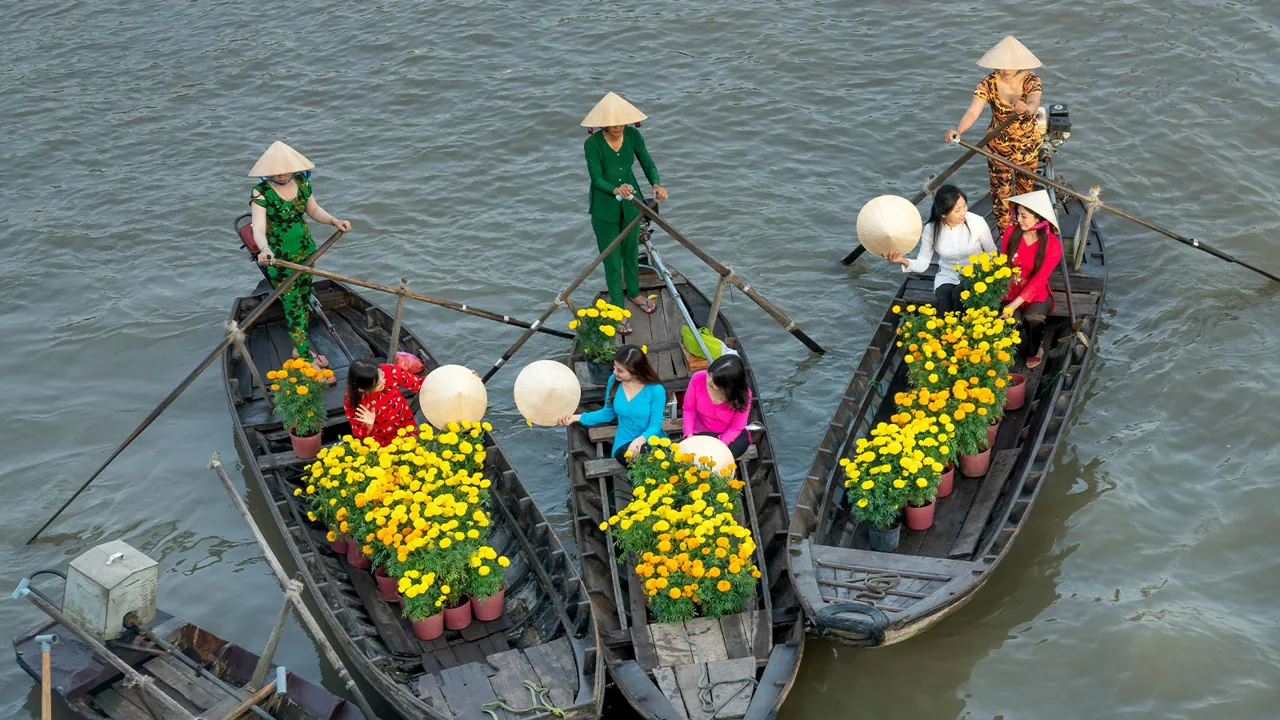
Vietnam Cambodia Itinerary 14 Days
Hanoi – Hoa Binh – Mai Chau – Ninh Binh – Halong bay – Hue - Danang – Hoian – Saigon – Ben Tre - Can Tho – Saigon - Siem Reap Angkor - Tonlé Sap - Siem Reap – Ta Prohm - Departure

Authentic Hoang Su Phi Trekking Tours
Hoang Su Phi trekking tours take you to stunning terraces, meet few tourists, connect with locals and enjoy authentic culture.

Honeymoon Tour Packages In Vietnam 12 Days
Saigon Arrival - City Tour – Mekong Delta – Danang – Hoian - by flight - Da Nang – Hanoi - by flight – Halong - overnight on junk – Departure
Are you interested in this tour?


Our testimonials
Whether it's a short or long tour, to discover must-see sites or to travel less-traveled paths, by car, junk, on foot, by bike or by motorbike... upon their return from their trip to Indochina, our clients tell us about their experiences. We thank them for entrusting us with the organization of their stay in Vietnam, Cambodia, Laos, Thailand and Myanmar!
Tailor-made trips to Vietnam
Are you a couple, a family, a group of friends? Are you planning a trip to Vietnam and/or Southeast Asia? Or maybe you want an individual, personalized trip, operated directly by a local agency? Perhaps you're thinking of a customized trip accompanied by a perfectly French-speaking guide and a private car with a professional driver... Are you the kind of traveler who likes to go where others don't? Our tailor-made tours adapt to your desires, your choices, your pace and your budget.... You decide, we create a trip that suits you!



Don't miss anything from Southeast Asia
The press talks about us




Comment
No comments yet. Be the first to leave a comment!