 Français
 Deutsch
 Italiano
 Português
 Español


Vietnamese Street Food Safety 101: How to Eat Like a Local Without Getting Sick
Craving authentic Vietnamese street food but worried about food poisoning? Master local hygiene secrets, clean ice rules, safe stall selection, and stomach remedies for 2026 - 2027.
To visit Vietnam and confine your culinary journey to enclosed hotel buffets and air-conditioned Western dining rooms is to miss the beating heart of the nation’s culture. From the maze of historic alleys in Hanoi’s Old Quarter to the roaring boulevards of Ho Chi Minh City, life in Vietnam unfolds on low blue plastic stools scattered across sidewalks, where clouds of fragrant star-anise steam billow from simmering broth cauldrons and fresh meats sizzle over open charcoal braziers.
Yet for many first-time international travelers, the prospect of dining on the street inspires palpable anxiety. Visions of the dreaded traveler’s diarrhea, unsanitary tap water, and foodborne bacteria cause cautious visitors to hesitate before the country’s most extraordinary culinary treasures.
The reassuring reality is that eating street food in Vietnam is not a game of culinary roulette. Millions of Vietnamese locals—including corporate executives, doctors, and students—eat at street stalls every single day of their lives without falling ill. By understanding the unwritten hygiene rules of local sidewalk dining, you can feast with boundless curiosity, complete confidence, and total peace of mind.

The Golden Rules of Street Food Selection
Knowing where to sit down is eighty percent of the street food safety battle. Follow these fundamental observational rules before ordering your first bowl.
The High-Turnover Rule: Follow the Local Commuter Crowds
The most reliable indicator of pristine food freshness in Vietnam is rapid customer turnover. A street food stall packed with local families, office workers on lunch break, and university students is a stall where ingredients never sit idle at ambient room temperature.
At bustling sidewalk vendors, raw herbs, freshly sliced beef, and fresh rice noodles are continuously restocked throughout the day, often prepared within thirty minutes of landing on your table. Conversely, an empty food stall where sliced meats sit exposed under open air with no customers in sight is a venue you should politely pass by.
Single-Dish Specialists vs Jack-of-All-Trades Stalls
In Western dining, restaurants boast expansive multi-page menus featuring steaks, pastas, and salads. In authentic Vietnamese street food culture, the finest cooks dedicate their entire lives to perfecting a single, specialized recipe handed down across generations.
Seek out vendors who prepare only one or two items—such as a stall that exclusively sells Pho Bo (beef noodle soup), or an elder who cooks nothing but Banh Xeo (crispy savory pancakes). These single-dish masters purchase their ingredients fresh from morning markets at dawn, sell out their stock by early afternoon, wash their pots clean, and close shop.
The Steaming Pot Rule: Watch Your Broth Boil at the Counter
When dining on noodle soups like Pho, Bun Cha, or Bun Bo Hue, observe the physical cooking station. High-grade stalls keep their giant stainless-steel broth stockpots simmering at a rolling boil over steady gas burners or charcoal heat.
When your bowl is assembled, the cook scalds your fresh rice noodles in boiling water for several seconds and ladles boiling broth directly over the fresh meat, reaching temperatures well above seventy degrees Celsius that instantly neutralize surface bacteria before the bowl reaches your hands.

The Great Ice and Water Debate in Vietnam
Few subjects cause more confusion among international travelers than whether it is safe to consume ice in tropical Southeast Asia.
Tubular Factory Ice vs Crushed Block Ice
The blanket travel myth that you must avoid all ice in Vietnam is completely outdated. In modern Vietnam, drinking tap water is universally recognized as unsafe, and locals do not make drinking ice from untreated municipal tap water.
Instead, ice is manufactured commercially in government-regulated industrial ice factories using deep-well purified, filtered water, then delivered daily to restaurants and cafes. You can easily identify safe factory-made ice by its distinct cylindrical, hollow shape—tubes of clear ice with a hole through the middle, known locally as Da Vien.
The only ice you should strictly avoid is crushed or chipped block ice, known as Da Xep. This ice arrives at stalls as massive rectangular frozen blocks hauled on the backs of motorbikes and is manually shaved down with handheld ice picks, introducing potential contamination during transit and handling.
Tap Water Precautions for Fresh Herbs and Vegetables
Authentic Vietnamese cuisine relies heavily on bountiful baskets of fresh, raw aromatic herbs—including mint, Thai basil, perilla, cilantro, and crisp sawtooth coriander. Naturally, travelers worry whether these raw greens have been washed in municipal tap water.
Reputable street food vendors thoroughly rinse their herbs multiple times in large tubs of clean water, often soaking them in diluted saltwater or ozone-purified vegetable wash to remove surface soil and garden microbes. If you have an exceptionally sensitive stomach during your first forty-eight hours in the country, you can politely ask the vendor to dunk your herbs into the boiling noodle broth for five seconds to blanch them safely.

Safe Drinking Habits: Bottled Water and Canned Beverages
For personal hydration throughout your street food explorations, stick exclusively to sealed, commercially bottled water from established national brands like Lavie, Aquafina, or Dasani, verifying that the plastic neck seal is intact before breaking it open.
Pairing your street meals with freshly cracked young coconuts (cut open directly in front of you) or chilled canned sodas and local beers like Bia Saigon and Bia Hanoi is always completely hygienic.
Street Food Etiquette and Table Hygiene Secrets
Look closely at how experienced Vietnamese diners behave when they sit down at a sidewalk table, and mimic their time-tested habits.
The Chopstick and Spoon Wipe Ritual
The moment a Vietnamese local sits down at a stainless-steel street table, muscle memory kicks in. They reach for the tabletop container of paper napkins and vigorously wipe down the tips of their wooden chopsticks and metal soup spoons before eating.
While utensils at reputable stalls are thoroughly washed in soapy water, they are air-dried in open tabletop caddies that collect ambient city dust from passing traffic. Wiping your utensils clean with a dry napkin—or carrying a pack of biodegradable antibacterial wet wipes in your pocket—is standard, polite local practice.

The Sanitizing Power of Fresh Calamansi and Chili
On every street food table in Vietnam, you will find small bowls of fresh, halved calamansi citrus fruits (Trai Tac) and sliced fiery red bird’s eye chilies.
Beyond imparting a bright, zesty acidity that balances rich broths, citrus juice is naturally high in citric acid. Squeezing fresh calamansi directly into your soup or dipping sauce creates an acidic environment that naturally discourages bacterial growth while aiding your digestive enzymes.
Inspecting Condiment Jars on Plastic Tables
Before spooning chili oil, pickled garlic, or fish sauce onto your meal, inspect the cleanliness of the communal glass jars sitting on the table.
Jars with clean rims, fresh clear vinegar, and crisp, translucent white pickled garlic slices indicate a conscientious vendor who replenishes their condiments daily. If a jar appears cloudy, crusted, or left uncovered, simply leave it aside and season your dish using fresh lime wedges instead.
Top Street Foods That Are Naturally Safe for Beginners
If you are eager to dive into sidewalk dining but want to begin with the lowest-risk culinary options, start with these four classic staples.
Boiling Broth Bowls: Pho Bo, Bun Cha, and Bun Bo Hue
Noodle soups are the safest entry point into Vietnamese street cuisine because thermal heat is your ultimate ally. The intense temperature of boiling broth ensures that both the noodles and thinly shaved meats are served thoroughly cooked and piping hot.
Whether you choose a fragrant Hanoi beef Pho, charcoal-grilled pork patties resting in warm dipping broth for Bun Cha, or a spicy lemongrass-infused bowl of central Bun Bo Hue, these soups represent culinary perfection with minimal digestive risk.

High-Heat Wok Specialties: Com Rang and Pho Xao
Dishes cooked to order inside screaming-hot iron woks over high-pressure gas burners are exceptionally safe. High wok heat instantly flash-fries ingredients at temperatures exceeding two hundred degrees Celsius.
Try Com Rang Dua Bo (fried rice tossed with tender beef and sour pickled mustard greens) or Pho Xao Thap Cam (pan-crisped flat rice noodles stir-fried with seasonal vegetables and beef).
Toasted and Sealed: The Classic Banh Mi
The legendary Vietnamese baguette sandwich is a street marvel. Look for busy carts where the bread rolls are kept hot and crispy inside a small warming oven attached to the cart.
Watch the vendor assemble your sandwich using clean metal tongs. If you are cautious about pork liver pate or homemade mayonnaise on very hot summer afternoons, you can simply ask the vendor to prepare your sandwich with warm fried eggs (Banh Mi Op La) cooked fresh in a skillet right before your eyes.
-720.webp)
Fresh Fruit Prepared Directly in Front of You
Vietnam produces some of the most extraordinary tropical fruits in the world, including dragon fruit, pomelo, mangosteen, and sweet mango.
The golden rule for street fruit is straightforward: only consume fruits with thick, inedible rinds that you peel yourself, or purchase sliced fruit from vendors who peel the whole fruit fresh upon your order rather than taking slices sitting on open ice trays.
High-Risk Street Items to Skip
While ninety-nine percent of street food is wholesome, there are a handful of traditional items that foreign travelers should strictly avoid for medical reasons.
Blood Pudding (Tiet Canh) and Raw Fermented Pork (Nem Chua)
Tiet Canh is a traditional northern dish made from raw, uncoagulated animal blood (typically duck, pig, or goat) mixed with chopped cartilage and herbs. Consuming raw animal blood carries severe risks of bacterial infection, including Streptococcus suis, and should be completely avoided by foreign visitors.
Similarly, while commercial Nem Chua (fermented cured pork) sold in sealed modern supermarket packaging is generally safe, unpasteurized raw pork sausage sold at informal rural roadside stands can harbor parasites and is best skipped.

Pre-Peeled Fruit Sitting in Stagnant Ambient Trays
Avoid purchasing pre-cut watermelon, papaya, or pineapple slices that have been sitting uncovered in glass carts on melting, stagnant ice for hours under the tropical sun. Ambient warmth combined with melted ice creates an ideal breeding ground for airborne bacteria.
Always wait the extra two minutes for a vendor to slice a whole, fresh, unpeeled fruit directly from their crate.
Lukewarm Buffets Sitting without Active Flame
Be cautious of budget sidewalk buffet stalls, known locally as Com Binh Dan (commoners' rice). At these stalls, twenty different cooked meat, tofu, and vegetable dishes are displayed in wide metal trays.
If you visit a Com Binh Dan stall during the peak lunch rush at 11:30 AM when the food is steaming hot and replenished constantly, it is wonderful. However, if you arrive at 2:30 PM when the food has been sitting lukewarm without heat for three hours, skip it and choose a cooked-to-order noodle stall instead.
Digestive First Aid: What to Do If Stomach Discomfort Strikes
Even with the best precautions, traveling halfway around the world to a new climate exposes your gut to unfamiliar digestive enzymes and harmless local microflora that can occasionally cause temporary loose stools.
Distinguishing Gut Microbiome Adjustment from Bacterial Infection
Mild stomach rumbling, light bloating, or passing softer stools during your first three days in Vietnam is usually not food poisoning. It is simply your gastrointestinal tract adjusting to generous amounts of unfamiliar fish sauce, fresh lime acids, chili capsaicin, and fiber-rich jungle herbs.
True bacterial food poisoning is unmistakable, characterized by violent stomach cramping, sudden vomiting, high fever, chills, and watery diarrhea.

Natural Local Remedies: Ginger Tea and Rice Congee
If your stomach feels slightly unsettled after a day of street food tasting, give your digestive system a gentle pause. Sip warm ginger tea (Tra Gung) sweetened with a touch of honey, which naturally calms nausea and reduces gut inflammation.
For your next meal, order a steaming bowl of Chao Ga (comforting Vietnamese rice porridge simmered with chicken and fresh ginger). It is incredibly bland, easy to digest, and replenishes lost fluids without irritating the stomach lining.
Over-the-Counter Essentials from Vietnamese Pharmacies
As detailed in our medical guide, local pharmacies across Vietnam are well-stocked and accessible. Keep a few packets of Oresol rehydration salts in your daypack to stay hydrated in the tropical heat, and take Smecta clay suspension to naturally settle your stomach lining if mild discomfort occurs.
If you experience high fevers, inability to retain fluids for twelve hours, or severe pain, visit an international clinic like Vinmec or Family Medical Practice rather than self-medicating with heavy antibiotics.
FAQS: Vietnamese Street Food Safety
1. Is it safe to eat raw herbs served alongside street food dishes?
At busy, reputable street food stalls, fresh herbs are thoroughly washed multiple times in clean water and are safe for most travelers. If you have an exceptionally sensitive stomach during your first few days in Vietnam, you can submerge the herbs into your boiling noodle broth for a few seconds to lightly blanch them before eating.
2. Can I safely drink iced coffee (Ca Phe Sua Da) on the street?
Yes, provided the iced coffee uses commercial factory-made tubular ice with a hollow center (Da Vien). Avoid iced coffee that uses crushed or chipped block ice that has been manually chopped on the street.
3. Are street food vendors in Vietnam regulated or inspected?
Municipal health departments in Vietnam conduct periodic hygiene inspections of street vendors and require food safety certifications. However, your best personal safeguard is observing practical hygiene factors like high customer turnover, boiling cauldrons, and clean food handling.
4. How do I say "not too spicy" in Vietnamese?
To request your street food with minimal or no chili, say "Dung cho cay" (do not make it spicy) or "Cho it cay" (make it only a little spicy). Vendors will happily omit fresh chilies and chili sauce from your bowl.
5. Is street food in Hanoi safer than street food in Ho Chi Minh City?
Food safety standards are comparable across all major Vietnamese cities. Hanoi’s street food culture revolves heavily around boiling noodle broths and steaming pots, while Ho Chi Minh City features diverse grilled dishes, fresh rolls, and tropical seafood. The high-turnover rule applies equally in both metropolises.
6. Can vegetarians and vegans eat street food safely in Vietnam?
Yes, Vietnam has a magnificent Buddhist vegetarian tradition. Look for street stalls displaying the sign "Quan Chay" (Vegetarian Restaurant). These dedicated vegetarian venues prepare delicious plant-based broths, tofu dishes, and mock meats that are clean, light, and very safe for foreign digestive systems.
7. How much does an average street food meal cost in Vietnam?
Authentic street meals are extraordinarily affordable. A steaming bowl of Pho Bo, a plate of Bun Cha, or crispy Banh Xeo typically costs between 35,000 and 65,000 VND ($1.40 to $2.60 USD). A freshly baked Banh Mi sandwich ranges from 20,000 to 40,000 VND ($0.80 to $1.60 USD).
Vietnamese Street Food Safety : Feast with Passion and Zero Fear
The true soul of Vietnam is not locked away in museums; it is sizzling over charcoal fires on the street corner, ladled into ceramic bowls by grandmothers who have perfected their craft across half a century, and shared among smiling strangers seated shoulder-to-shoulder on tiny sidewalk chairs. Approaching street food with simple practical awareness transforms sidewalk dining from a source of anxiety into the crowning highlight of your travels.
At Vietnam Original Travel, we believe food is the most profound bridge between travelers and authentic local culture. Our private culinary walking tours and bespoke itineraries feature handpicked, multigenerational street food masters vetted by our expert bilingual guides for flawless hygiene, exceptional flavor, and genuine heritage storytelling.
>>> Pharmacies in Vietnam: Buying Medicine, OTC Equivalents & Travel Health Guide
>>> Vietnamese Salt Coffee (Ca Phe Muoi): Origin, Flavor Profile & Best Cafes

Giang is a Vietnam destination expert with over a decade of experience guiding travelers through the country’s most inspiring regions. Born and raised in the Red River Delta, Giang has an intimate understanding of local traditions, cuisine, and culture. Her articles reflect her mission: to help travelers discover the authentic Vietnam — beyond the postcards — through meaningful encounters and immersive journeys.
Send us your comments about : Vietnamese Street Food Safety 101: How to Eat Like a Local Without Getting Sick
Required fields*
You may also like



You may also like

MICE Tourism in Vietnam: Corporate Guide to Meetings, Conferences & Team-Building
Planning a corporate retreat in Vietnam? Explore premier MICE convention hubs in Da Nang, Phu Quoc, Hanoi, and Saigon, luxury venues, team-building ideas, and gala dining.

Power Plugs, Sockets & Voltage in Vietnam: The Ultimate Travel Adapter Guide (2026 - 2027)
Will your electronics work in Vietnam? Learn about Type A, C, and G sockets, 220V voltage safety, dual-voltage gadget rules, and travel adapter essentials for 2026 - 2027.

Pharmacies in Vietnam: Buying Medicine, OTC Equivalents & Travel Health Guide (2026 - 2027)
Need medicine while traveling in Vietnam? Discover top trusted pharmacy chains, English-speaking staff tips, OTC brand equivalents, and stomach bug survival essentials.
Travel ideas
Need some inspiration? Discover some of the best tours in Vietnam, which are highly appreciated by our clients. An excellent starting point to help you choose the right trip to Vietnam, Laos, Cambodia, Burma or Thailand, whether you are traveling alone, as a couple, as a family or with friends.
And because this trip is yours, feel free to customize it as you wish!
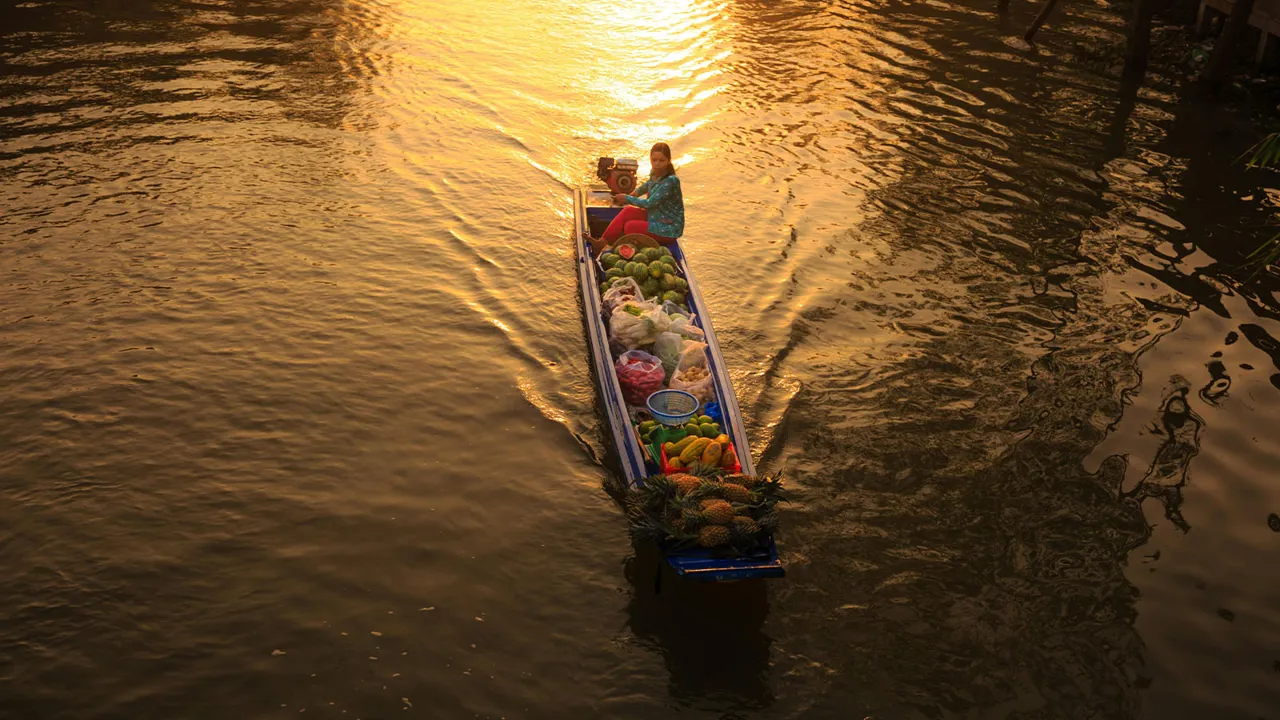
Vietnam Itinerary 2 Weeks
Hanoi - Ninh Binh - Lao Cai - Sapa - Muong Hum market - Ha Long Bay - Hue - Danang - Hoi An - Saigon - Mekong Delta - Cai Rang floating market - Departure

The Best of Ha Giang Trekking Tours
Discover Ha Giang on trekking tours where you live local life, enjoy breathtaking views and escape the crowded routes.

Vietnam and Laos 14 days
Saigon - My Tho - Da Nang- Hoian – Hue - Hanoi - Halong Bay - Vientiane Luang Prabang - Pak Ou – Khuang Si - Luang Prabang – Departure
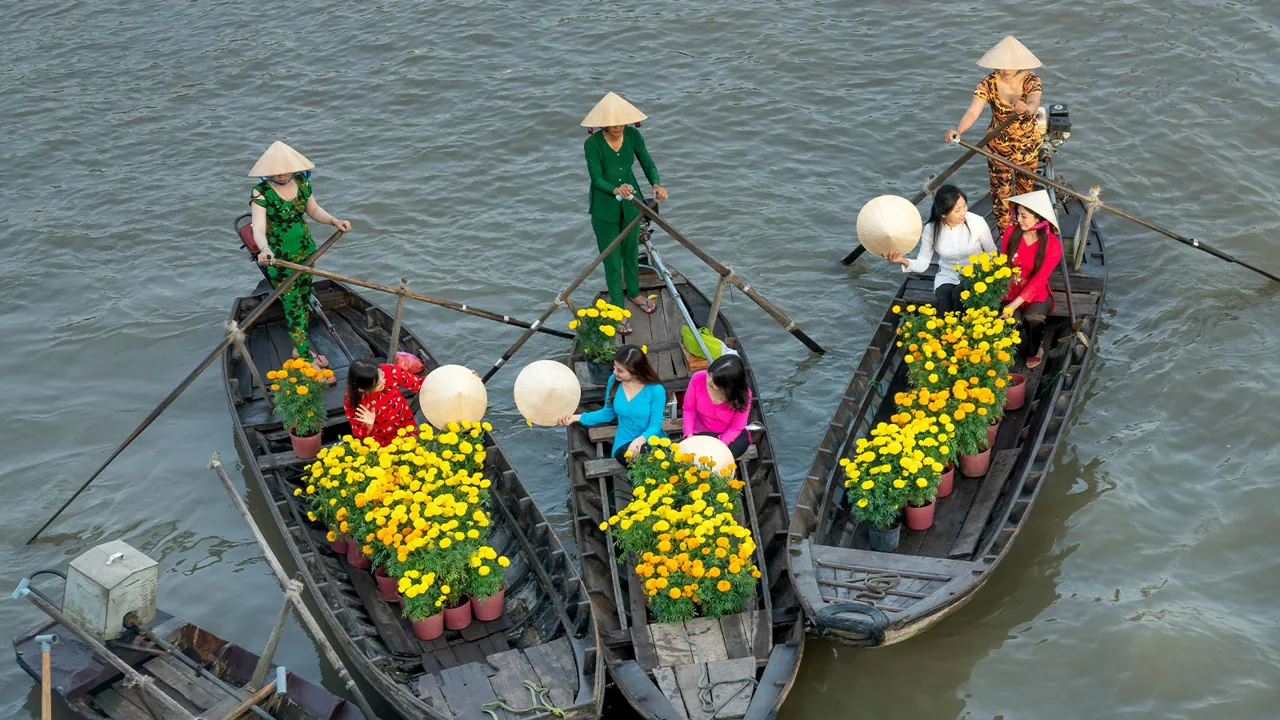
Vietnam Cambodia Itinerary 14 Days
Hanoi – Hoa Binh – Mai Chau – Ninh Binh – Halong bay – Hue - Danang – Hoian – Saigon – Ben Tre - Can Tho – Saigon - Siem Reap Angkor - Tonlé Sap - Siem Reap – Ta Prohm - Departure

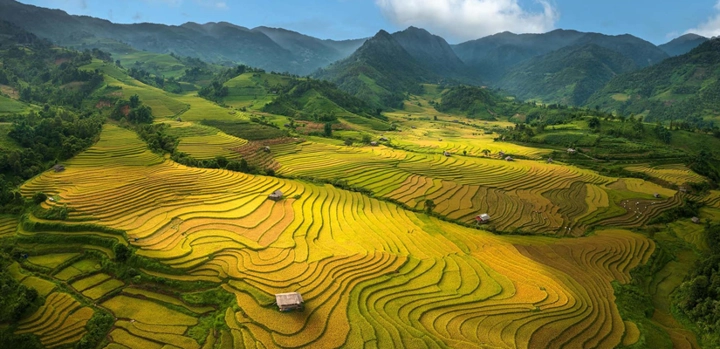
Authentic Hoang Su Phi Trekking Tours
Hoang Su Phi trekking tours take you to stunning terraces, meet few tourists, connect with locals and enjoy authentic culture.

Honeymoon Tour Packages In Vietnam 12 Days
Saigon Arrival - City Tour – Mekong Delta – Danang – Hoian - by flight - Da Nang – Hanoi - by flight – Halong - overnight on junk – Departure
Are you interested in this tour?


Our testimonials
Whether it's a short or long tour, to discover must-see sites or to travel less-traveled paths, by car, junk, on foot, by bike or by motorbike... upon their return from their trip to Indochina, our clients tell us about their experiences. We thank them for entrusting us with the organization of their stay in Vietnam, Cambodia, Laos, Thailand and Myanmar!
Tailor-made trips to Vietnam
Are you a couple, a family, a group of friends? Are you planning a trip to Vietnam and/or Southeast Asia? Or maybe you want an individual, personalized trip, operated directly by a local agency? Perhaps you're thinking of a customized trip accompanied by a perfectly French-speaking guide and a private car with a professional driver... Are you the kind of traveler who likes to go where others don't? Our tailor-made tours adapt to your desires, your choices, your pace and your budget.... You decide, we create a trip that suits you!



Don't miss anything from Southeast Asia
The press talks about us




Comment
No comments yet. Be the first to leave a comment!