 Français
 Deutsch
 Italiano
 Português
 Español

Can You Drink Tap Water in Vietnam? Drinking Water, Ice & Stomach Safety Guide for Travelers
Is tap water safe in Vietnam? Can you drink iced coffee or brush your teeth with tap water? Read this essential local health guide to travel safely without stomach bugs.
Few travel anxieties match the sudden fear of falling ill halfway through your dream vacation. For travelers journeying to Southeast Asia for the first time, water hygiene stands at the very top of health-related concerns.
Can you drink water straight from the hotel faucet in Hanoi? Is the cylindrical ice cube inside your fragrant glass of Vietnamese iced coffee safe to consume? Can you rinse your toothbrush with tap water, or must you use bottled mineral water for every morning routine?
At Vietnam Original Travel, ensuring our guests discover Vietnam with peace of mind, vibrant energy, and complete safety is our daily priority. To help you travel smart, stay hydrated under the tropical sun, and relish world-renowned street foods without digestive worries, here is our definitive local guide to drinking water, ice, and food safety across Vietnam.

Can You Drink Tap Water in Vietnam? The Direct Verdict
The short and unequivocal answer is NO: You should never drink unboiled tap water in Vietnam.
Whether you are staying in a 5-star colonial boutique hotel in Ho Chi Minh City, a luxury eco-lodge nestled in the valleys of Sapa, or a homestay in the Mekong Delta, tap water in Vietnam is not potable directly from the pipe.
Even though municipal water treatment facilities in major metropolitan centers like Hanoi and Da Nang have achieved notable modern standards, the underlying infrastructure presents challenges:
- Aging Pipeline Networks: Municipal pipes often suffer from age-related degradation, mineral corrosion, and microscopic fissures that can introduce heavy metals or secondary contaminants before water reaches residential taps.
- Rooftop Storage Tanks: Most Vietnamese houses, apartments, and hotels store water in stainless steel rooftop reservoirs (téc nước) or subterranean cisterns. Over time, these tanks collect atmospheric sediment and require frequent deep cleaning.
- Unfamiliar Bacterial Flora: Even if local Vietnamese residents have developed natural resilience to local water microflora through lifelong exposure, foreign travelers’ digestive tracts lack these specific antibodies, making them vulnerable to acute gastrointestinal distress (commonly known as "traveler's diarrhea").
Rule of Thumb: Treat tap water across all regions of Vietnam exclusively as utility water—suitable for showering, washing hands, and flushing toilets, but not for direct drinking.

Can You Brush Your Teeth with Tap Water in Vietnam?
This is where common traveler concerns diverge between strict caution and local practicality:
- In Major Cities & Quality Hotels (Hanoi, Da Nang, Hoi An, Saigon): Rinsing your toothbrush and swishing your mouth with tap water is generally safe for healthy adult travelers, provided you vigorously spit it out and do not swallow. The tiny trace of water remaining on your toothbrush bristles is insufficient to induce stomach upset in the vast majority of visitors.
- For Travelers with Sensitive Stomachs & Young Children: If you are prone to digestive sensitivities or traveling with young infants, practice extra diligence: use bottled water or filtered kettle water even for brushing your teeth.
- In Remote Rural Regions (Ha Giang, Cao Bang, Remote Villages): When staying in rustic homestays or off-the-beaten-path mountain villages where water originates from untreated mountain springs or shallow wells, always use bottled or boiled water for oral hygiene.
Is Ice Safe in Vietnam? (The Truth About Tra Da & Ca Phe Sua Da)
Vietnam is a country powered by refreshing iced beverages. Under the tropical heat, few experiences rival sitting on a low plastic stool sipping an artisanal Cà phê sữa đá (iced coffee with condensed milk) or an icy cup of fresh Trà đá (iced green tea).
Yet, many guidebooks perpetuate an outdated myth: "Avoid all ice in Vietnam at all costs." Is this warning still valid today?
The reassuring reality: In 95% of cases across cafes, restaurants, and bars, ice is completely safe to consume.
How to Distinguish "Safe Ice" from "Risky Ice"
Vietnam possesses a sophisticated, regulated commercial ice manufacturing industry. Knowing what to look for allows you to drink with absolute confidence:
- Safe Ice (Đá Viên / Đá Bi): Look at the shape of the ice cubes in your glass. If the ice consists of uniform, crystal-clear cylinders with hollow tubes running through the center, or smooth, square machine-made cubes, it was produced by a certified commercial ice plant using purified, micro-filtered, UV-treated water. These sanitized ice bags are delivered daily to virtually every coffee shop, restaurant, and sidewalk stall across Vietnam. You can enjoy your iced drinks without hesitation.
- Risky Ice (Đá Tảng / Đá Bào): If you observe a vendor hauling a gigantic, cloudy solid block of ice covered in sawdust, dragging it along the street, and chipping it down with a manual ice pick into jagged, irregular shards, avoid consuming it. Crushed block ice is intended primarily for chilling seafood and crates of beer, not for direct consumption in beverages.

Safe and Sustainable Drinking Water Options
Staying well-hydrated is crucial in Vietnam, where tropical humidity causes rapid fluid loss. Fortunately, finding safe, clean water is effortless and remarkably cheap.
1. Complimentary Hotel Bottled Water
Almost every hotel, boutique resort, and homestay provides two complimentary bottles of water per room daily(typically 350ml or 500ml). Look for intact plastic cap seals or glass bottles stamped with hotel branding.
2. Trusted Commercial Bottled Water Brands
When exploring city streets, night markets, or roadside pit-stops, reputable bottled water is available at every convenience store (Circle K, GS25, 7-Eleven, WinMart) for a modest 5,000 to 10,000 VND ($0.20 to $0.40 USD). Look for these recognized, hygienic brands:
- La Vie: Natural mineral water produced by Nestlé Waters.
- Aquafina: Purified drinking water processed via reverse osmosis by PepsiCo.
- Dasani: Purified drinking water manufactured by Coca-Cola.
- Thach Bich / Vinh Hao: High-grade Vietnamese natural mineral waters.
Eco-Tip: Single-use plastic is an environmental concern across Southeast Asia. If your hotel or tour vehicle features large 20-liter refillable water carboys (bình nước 20L), carry an insulated reusable water bottle (such as a Hydro Flask) and refill it throughout your day.

3. Boiling Water (The Local Tradition)
Boiling water vigorously for at least one to two minutes kills 99.9% of waterborne bacteria, parasites, and viruses. Every hotel room in Vietnam comes equipped with an electric kettle (ấm siêu tốc). If you run out of bottled water late at night, boil a kettle full of tap water, let it cool in a covered carafe, and drink safely.
Traveling with Vietnam Original Travel
When you travel on our private guided journeys, your wellness is safeguarded at every milestone. Our private chauffeured vehicles are stocked daily with unlimited complimentary chilled purified bottled water, wet towels, and first-aid kits. Furthermore, our seasoned guides inspect every dining venue to ensure peak culinary hygiene. => Discover Our Tailor-Made Vietnam Itineraries or Chat Directly with Our Travel Designers to start planning your worry-free vacation.
Eating Street Food Safely: The Art of Digestive Harmony
Vietnamese street food is celebrated globally for its freshness, vibrant herbs, and tantalizing balance of sweet, sour, salty, and spicy notes. Missing out on street dining out of excessive fear would deprive you of Vietnam's finest cultural treasure.
Follow these field-tested hygiene guidelines to feast like a local while keeping your stomach happy:
- Follow the Crowds (High Turnover Principle): Look for food stalls packed with local families, students, and office workers. A crowded stall guarantees rapid turnover; ingredients do not linger in the ambient heat, and broths are constantly boiled fresh.
- Eat Piping Hot Soups (Pho, Bun Cha, Hu Tieu): Boiling broths (nước dùng) served bubbling hot at 100°C are naturally sanitized. If your soup arrives only lukewarm, politely ask the vendor to heat it thoroughly ("Làm nóng lại giúp tôi").
- Inspect Fresh Herbs: Fresh aromatic greens (mint, coriander, basil, perilla) are the soul of Vietnamese dining. Trustworthy restaurants soak and wash their herbs in saline water baths. If herbs look crisp, moist, and free of dirt, they are wonderful to eat. If they appear wilted, muddy, or dry, leave them aside.
- Wipe Your Utensils: Notice how local Vietnamese people immediately grab a paper napkin and wipe their chopsticks and spoons before eating? It is a smart, standard habit. Alternatively, immerse your utensils in your boiling soup bowl for five seconds before dining.
- Wash Your Hands or Carry Hand Sanitizer: Most travel stomach bugs are caused not by the food itself, but by unwashed hands transferring pathogens picked up from railings, money, and door handles onto your fresh Spring Roll (Gỏi cuốn).

What to Do If You Get a Stomach Bug in Vietnam
Even the most cautious world travelers occasionally encounter digestive adaptation. If you experience mild nausea, cramps, or loose stools, do not panic. Vietnamese medical care and pharmacies are efficient, welcoming, and widespread.
1. Rehydration Is Paramount
Your first defense is replacing lost fluids and essential electrolytes:
- Buy Oresol (Oral Rehydration Salts) packets from any local pharmacy. Dissolve one sachet into 1 liter of bottled water and sip continuously throughout the day.
- Drink fresh young coconut water (Nước dừa). Natural coconut water is rich in potassium and electrolytes, sterile inside its husk, and remarkably soothing on delicate stomachs.
- Eat Cháo (Rice Porridge): Vietnamese rice congee cooked with a touch of ginger and lean chicken is the ultimate local comfort food—gentle, easily digested, and deeply restorative.
2. Visiting a Local Pharmacy
Pharmacies in Vietnam are everywhere, identifiable by green medical cross signs (such as major chains like Pharmacity, Long Chau, or An Khang). Pharmacists are knowledgeable and medications are available over the counter without a prescription at very low costs:
- Smecta: Natural clay suspension that coats and protects the intestinal lining.
- Berberin (Viên vàng Berberin): A legendary Vietnamese herbal remedy extracted from the Vàng đắng plant. It is an effective natural antimicrobial for minor food-related stomach aches without destroying healthy gut flora.
- Imodium (Loperamide): Useful for halting diarrhea during long transit flights or train journeys, though it should be used judiciously to allow your body to naturally expel toxins.

Traveler Packing List: Stomach & Health Essentials
Before departure, pack these simple essentials in your carry-on medical pouch:
- One box of travel-sized Electrolyte hydration powders.
- A small bottle of alcohol-based hand sanitizer or antiseptic hand wipes.
- Personal supply of antidiarrheal tablets, antacids (Tums), and probiotics.
- An insulated reusable water bottle to keep ice-cold filtered water within reach during day excursions.
Frequently Asked Questions (FAQ)
Can you drink hotel tap water in 5-star resorts in Vietnam?
Even in luxury 5-star international hotels, tap water is not designed for direct drinking unless the hotel explicitly advertises an in-house reverse-osmosis filtration faucet. Always drink the complimentary bottled water or filtered carafes provided.
Can I drink iced drinks and smoothies from street vendors in Vietnam?
Yes, provided the vendor uses clear, factory-manufactured tube ice (đá bi). Avoid smoothies or juices made with cloudy, crushed block ice scraped from large ice slabs.
What should I do if I accidentally swallow tap water while showering?
Do not worry. Swallowing a tiny splash of tap water while rinsing your face in a reputable hotel rarely causes illness. Your natural stomach acid is capable of neutralizing trace bacteria. Stay hydrated and monitor how you feel.
Is fruit safe to eat in Vietnam?
Yes! Vietnam is a tropical fruit wonderland. Fruits you peel yourself (bananas, mangoes, dragon fruit, pomelo, mangosteen, rambutan) are 100% safe. For unpeeled fruits like apples or guavas, wash them thoroughly with bottled or purified water before slicing.
>>> Where to Buy the Best Coffee in Vietnam: A Local Connoisseur's Guide
>>> Mosquito Season in Vietnam: Health Tips & How to Stay Bite-Free
Ha Pham is a travel photographer devoted to capturing the soul of Vietnam through his lens. His photos reveal the harmony between people and landscapes — from the golden rice terraces of Mu Cang Chai to the peaceful floating markets of the Mekong Delta. Ha believes that every image tells a story, and his work brings to life the emotions, colors, and textures that make traveling across Vietnam unforgettable.
Send us your comments about : Can You Drink Tap Water in Vietnam? Drinking Water, Ice & Stomach Safety Guide for Travelers
Required fields*
You may also like
You may also like

Tipping in Vietnam: The Complete Etiquette Guide for Travelers (2026 - 2027)
Wondering how much to tip in Vietnam? From private tour guides and drivers to street food and luxury spas, here is the essential etiquette guide for international travelers.

Bac Ha or Sapa: Which Should You Choose for an Authentic Northern Vietnam Trip?
Discover the differences between Bac Ha and Sapa, from ethnic markets and traditional villages to rice terraces, trekking and mountain scenery, and find out which destination is right for your Northern Vietnam trip.

Buying Clothes in Vietnam in 2027: A Practical Shopping Guide for Travelers
Discover where to buy clothes in Vietnam, what to shop for, tailoring tips, prices, silk and traditional clothing, and how to avoid common shopping mistakes.
Travel ideas
Need some inspiration? Discover some of the best tours in Vietnam, which are highly appreciated by our clients. An excellent starting point to help you choose the right trip to Vietnam, Laos, Cambodia, Burma or Thailand, whether you are traveling alone, as a couple, as a family or with friends.
And because this trip is yours, feel free to customize it as you wish!
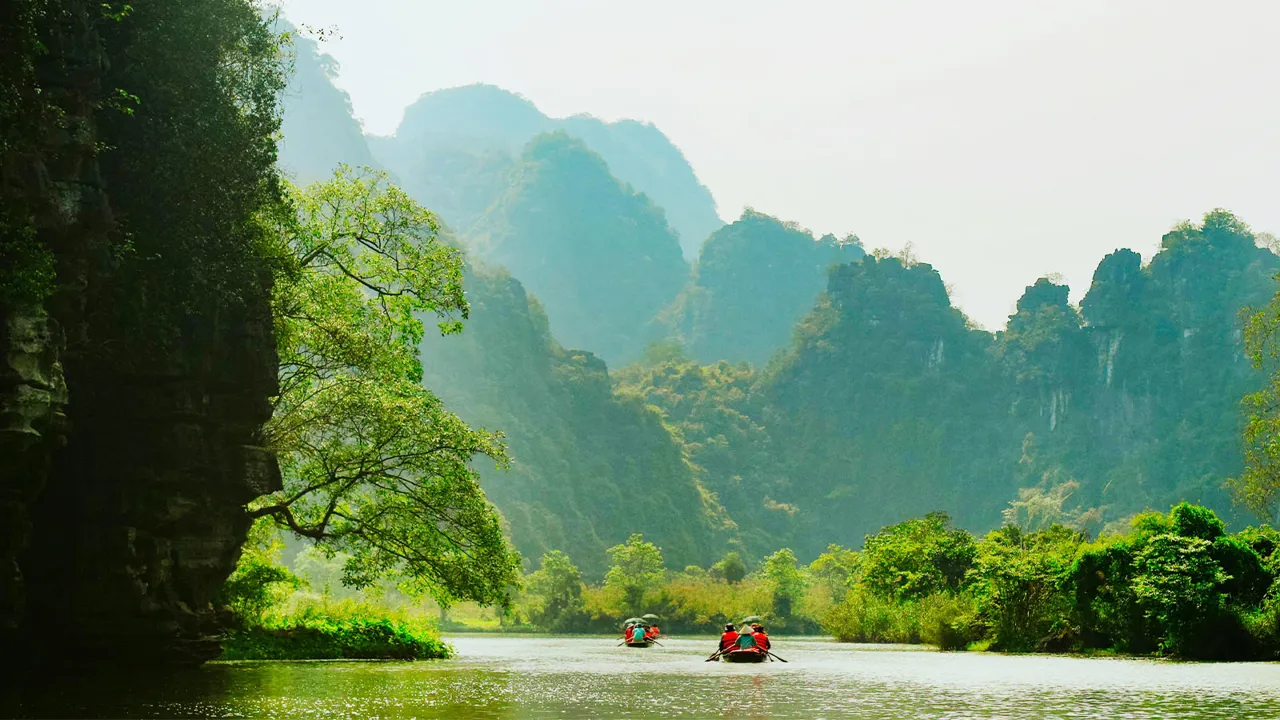
Vietnam Itinerary 2 Weeks
Hanoi - Ninh Binh - Lao Cai - Sapa - Muong Hum market - Ha Long Bay - Hue - Danang - Hoi An - Saigon - Mekong Delta - Cai Rang floating market - Departure

The Best of Ha Giang Trekking Tours
Discover Ha Giang on trekking tours where you live local life, enjoy breathtaking views and escape the crowded routes.

Vietnam and Laos 14 days
Saigon - My Tho - Da Nang- Hoian – Hue - Hanoi - Halong Bay - Vientiane Luang Prabang - Pak Ou – Khuang Si - Luang Prabang – Departure
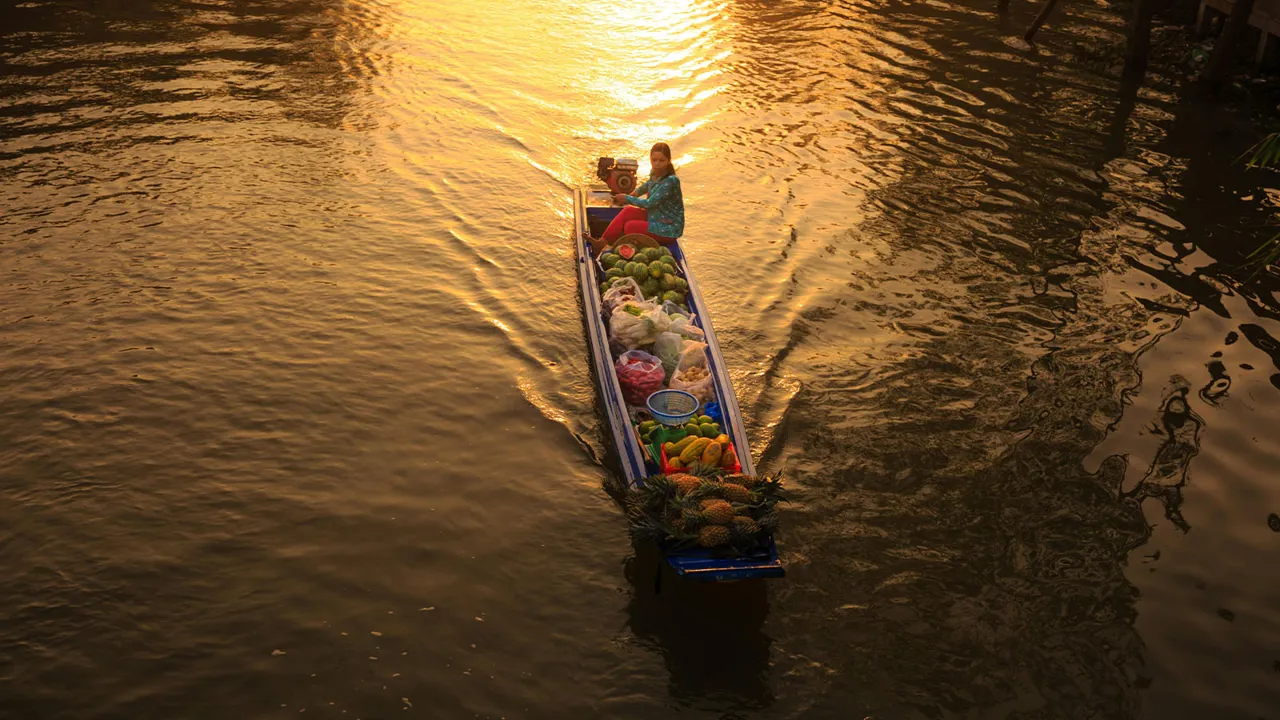
Vietnam Cambodia Itinerary 14 Days
Hanoi – Hoa Binh – Mai Chau – Ninh Binh – Halong bay – Hue - Danang – Hoian – Saigon – Ben Tre - Can Tho – Saigon - Siem Reap Angkor - Tonlé Sap - Siem Reap – Ta Prohm - Departure

Authentic Hoang Su Phi Trekking Tours
Hoang Su Phi trekking tours take you to stunning terraces, meet few tourists, connect with locals and enjoy authentic culture.

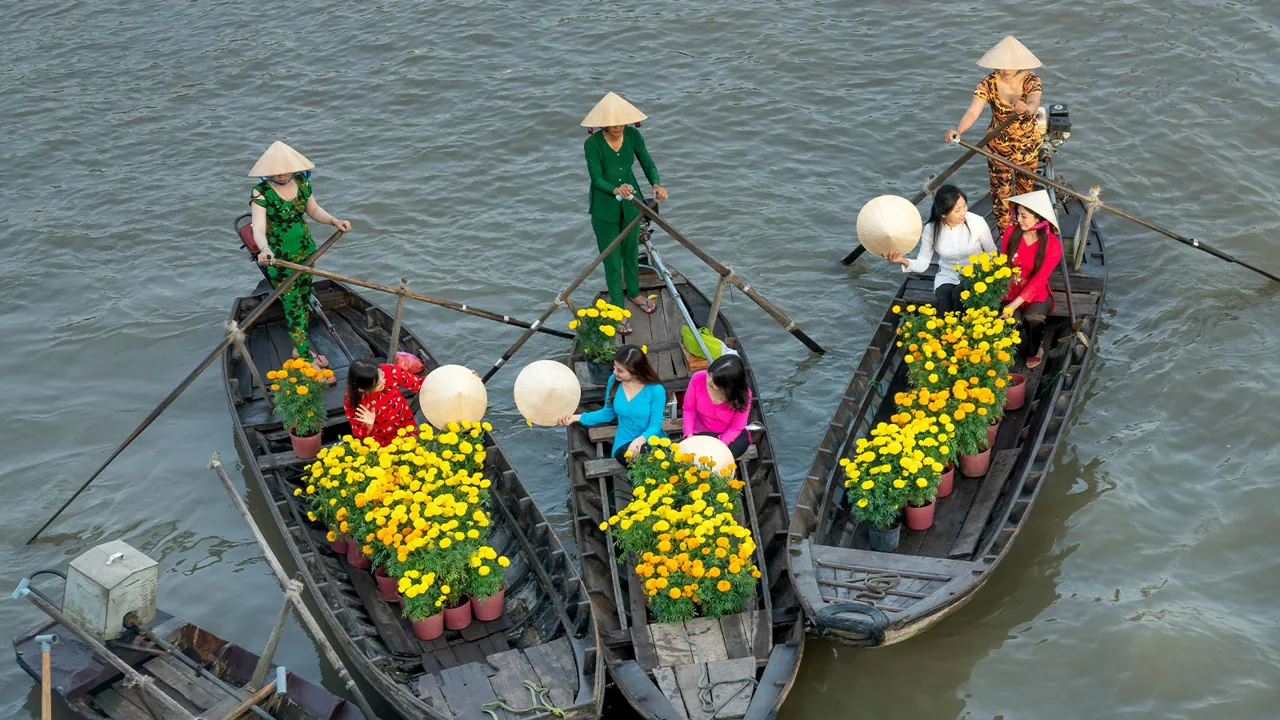
Honeymoon Tour Packages In Vietnam 12 Days
Saigon Arrival - City Tour – Mekong Delta – Danang – Hoian - by flight - Da Nang – Hanoi - by flight – Halong - overnight on junk – Departure
Are you interested in this tour?

Our testimonials
Whether it's a short or long tour, to discover must-see sites or to travel less-traveled paths, by car, junk, on foot, by bike or by motorbike... upon their return from their trip to Indochina, our clients tell us about their experiences. We thank them for entrusting us with the organization of their stay in Vietnam, Cambodia, Laos, Thailand and Myanmar!
Tailor-made trips to Vietnam
Are you a couple, a family, a group of friends? Are you planning a trip to Vietnam and/or Southeast Asia? Or maybe you want an individual, personalized trip, operated directly by a local agency? Perhaps you're thinking of a customized trip accompanied by a perfectly French-speaking guide and a private car with a professional driver... Are you the kind of traveler who likes to go where others don't? Our tailor-made tours adapt to your desires, your choices, your pace and your budget.... You decide, we create a trip that suits you!

Don't miss anything from Southeast Asia
The press talks about us


Comment
No comments yet. Be the first to leave a comment!