 Français
 Deutsch
 Italiano
 Português
 Español

Vietnamese Lacquer Paintings: A Typical Souvenir For Fravelers
Explore the world of Vietnamese lacquer art—a unique tradition blending patience, beauty, and storytelling, where layered techniques, and heritage create timeless masterpieces.
Vietnamese lacquer paintings are a unique and beautiful art form that has been practiced for centuries. They showcase the skill and creativity of Vietnamese artisans, blending traditional techniques with modern designs. Unlike regular paintings, lacquer art involves multiple layers of paint, resin, and natural materials like mother-of-pearl and eggshells, creating a glossy and long-lasting finish.
In this article, we will explore the history and techniques of Vietnamese lacquer paintings, the materials used, and the best places to see and buy them. Whether you are an art lover or a traveler looking for a meaningful souvenir, this guide will help you appreciate the beauty of Vietnamese lacquerware.
What are Vietnamese lacquer paintings?
Vietnamese lacquer painting, or sơn mài, is a unique and traditional form of art in Vietnam. It combines natural lacquer, minerals, and various materials to create stunning, long-lasting paintings. Unlike regular paintings, lacquer paintings go through multiple layers and polishing processes, giving them a glossy and deep appearance.
Lacquer art in Vietnam dates back thousands of years, originally used for decorating wooden objects, furniture, and religious statues. The natural lacquer resin, taken from the lacquer tree (cây sơn), was used to create a strong and protective coating.

In the 1930s, artists from the Hanoi College of Fine Arts transformed lacquer work into a new form of painting. They experimented with gold, silver, mother-of-pearl, and eggshell inlays, creating a unique art form that became internationally recognized.
Today, Vietnamese lacquer painting continues to evolve, with both traditional and contemporary artists bringing new ideas to this ancient craft.
Materials used to make Vietnamese lacquer paintings
Vietnamese lacquer paintings are made using natural lacquer resin and a combination of unique materials to create stunning visual effects. Each element plays a crucial role in the painting's depth, shine, and durability.
Natural Lacquer (Sơn Ta)
The most important material in Vietnamese lacquer painting is natural lacquer resin, known as sơn ta. It comes from the lacquer tree (cây sơn), mainly found in Phu Tho Province, Vietnam. Artists refine and process the resin to create a smooth and waterproof surface that enhances the painting’s longevity.
Wood Panels
Unlike regular canvas paintings, Vietnamese lacquer paintings are created on wooden boards. The most commonly used woods include jackfruit wood, plywood, or MDF (medium-density fiberboard). The wood is coated with lacquer layers to prevent warping and increase durability.
Gold and Silver Leaf
Many Vietnamese lacquer paintings include gold and silver leaf to add an elegant, luxurious effect. Artists carefully apply these delicate sheets onto the surface before sealing them with lacquer layers, creating a shimmering effect that changes with light.

Mother-of-Pearl Inlay
One of the most breathtaking elements in Vietnamese lacquer paintings is mother-of-pearl inlay. Artists use thin pieces of seashells, cut into intricate shapes and embedded into the lacquer surface. This technique gives the painting a beautiful, iridescent shine. Vietnamese lacquer painting with mother-of-pearl inlay is highly valued for its exquisite craftsmanship and unique visual appeal.
Eggshell Inlay
Artists break and arrange eggshells into fine patterns, creating a cracked effect that adds texture and depth. The eggshell pieces are carefully placed, lacquered, and polished to blend seamlessly into the painting.
Natural Pigments
Traditional Vietnamese lacquer paintings use natural pigments derived from minerals, plants, and soil. Artists mix these pigments into different lacquer layers to create deep reds, blacks, yellows, and greens. The most common colors are:
- Red—made from cinnabar or natural dye.
- Black—achieved by mixing lacquer with iron oxides.
- Yellow—Derived from ochre or gold leaf.
- Green and blue—created by mixing different minerals
Sanding and Polishing Materials
Artists use charcoal powder, fine sandpaper, and water stones to polish each layer of lacquer. This continuous sanding and layering process gives the painting its glossy and smooth surface.
How Are Vietnamese Lacquer Paintings Made?
Creating a Vietnamese lacquer painting is a complex process that requires time, patience, and skill. Artists use traditional Vietnamese lacquer painting techniques that have been perfected over centuries. The process involves multiple steps and layers, often taking weeks or even months to complete.

Step 1: Preparing the Wooden Base
Artists start by coating a wooden panel with layers of natural lacquer. They let each layer dry before sanding it down. This step is repeated several times until the surface is smooth and ready for painting.
Step 2: Sketching the Design
The artist draws the initial design onto the lacquered surface. This sketch serves as a guide for placing inlays, color layering, and details.
Step 3: Layering and Painting with Lacquer
Using Vietnamese lacquer painting techniques, artists apply multiple layers of lacquer mixed with natural pigments. Each layer must dry completely before being polished. This process creates the depth and richness that lacquer paintings are famous for.
Step 4: Inlaying Mother of Pearl, Gold, or Eggshell
If the painting includes mother-of-pearl inlay, artists carefully cut and embed thin pieces of seashells into the lacquer surface. The same technique is used for gold leaf, silver leaf, or eggshell inlays.
Step 5: Sanding and Polishing
One of the most important Vietnamese lacquer painting techniques is wet sanding and polishing. Artists use fine sandpaper and charcoal powder to smooth out the layers, creating a high-gloss finish.
Step 6: Final Coating and Polishing
The last step is applying one final coat of clear lacquer, letting it dry, and polishing the surface until it shines. This final polish enhances the colors, depth, and intricate details of the painting.
Vietnamese Lacquer Villages To Visit
If you want to see Vietnamese lacquer painting at its source, you should visit traditional lacquer villages. These villages have been producing lacquer art for generations, using authentic Vietnamese lacquer painting techniques.
Ha Thai Lacquer Village (Hanoi)
Location: Duyen Thai Commune, Thuong Tin District, Hanoi
Overview: Established over 200 years ago, Ha Thai Village has evolved from traditional painting to specialized lacquer craftsmanship. Artisans here produce a variety of lacquer items, including vases, paintings, and decorative pieces, blending traditional techniques with modern designs.

Tuong Binh Hiep Lacquer Village (Binh Duong)
Location: Tuong Binh Hiep Ward, Thu Dau Mot City, Binh Duong Province
Overview: With a history spanning over two centuries, Tuong Binh Hiep is renowned for its high-quality lacquer products. The village has adapted traditional methods to contemporary art trends, creating a distinctive local cultural identity.
Cat Dang Lacquer Village (Nam Dinh)
Location: Yen Tien Commune, Y Yen District, Nam Dinh Province
Overview: Cat Dang Village is famed for its traditional lacquerware, reflecting the rich cultural heritage of the region. Artisans here are known for their meticulous craftsmanship and intricate designs.
Boi Khe Lacquerware Village (Hanoi)
Location: Chuyen My Commune, Hanoi Province
Overview: Boi Khe Village specializes in lacquerware and is also recognized for horn sculpture and oyster-encrusting crafts. The village's artisans have preserved traditional techniques while incorporating modern aesthetics into their work.
Visiting these villages offers insight into Vietnam's rich lacquerware traditions and the dedication of artisans preserving this cultural art form.
Where To Admire Vietnamese Lacquer Paintings
If you want to see the best Vietnamese lacquer paintings, visit museums, art galleries, and cultural centers in Vietnam. These places showcase historic and modern lacquer masterpieces.
Vietnam Fine Arts Museum (Hanoi)
Location: 66 Nguyen Thai Hoc, Ba Dinh, Hanoi
Why Visit?: This museum has an impressive collection of lacquer paintings, including works by Nguyen Gia Tri, one of Vietnam’s most famous lacquer artists. You can see traditional and contemporary lacquer techniques in one place.

Ho Chi Minh City Fine Arts Museum
Location: 97A Pho Duc Chinh, District 1, Ho Chi Minh City
Why Visit?: This museum has a large collection of lacquer paintings, sculptures, and artifacts. The building itself is a beautiful French colonial mansion that adds to the experience.
Hanoi Art Galleries (Hang Bong and Hang Gai Streets)
Why Visit?: If you want to buy Vietnamese lacquer paintings, Hanoi’s Old Quarter has many art galleries selling traditional and modern lacquer artworks. Some well-known galleries include Apricot Gallery and Green Palm Gallery.
Ho Chi Minh City Art Galleries (Dong Khoi and Le Cong Kieu Streets)
Why Visit?: If you're in Ho Chi Minh City, visit galleries like Craig Thomas Gallery or Galerie Quynh to see modern lacquer painting interpretations. Le Cong Kieu Street is also a great place for antique lacquer art.
Lacquer Art Workshops in Ho Chi Minh City and Hanoi
Why Visit?: Some lacquer artists offer workshops where you can learn Vietnamese lacquer painting techniques and create your own piece. These workshops are a great way to understand how much effort goes into each painting.
Vietnamese Lacquer – FAQs
Where to buy lacquerware in Vietnam
If you want to buy authentic Vietnamese lacquerware, you’ll find plenty of options in markets, art galleries, and lacquer workshops across the country. Here’s where you can find them:

Art Galleries in Hanoi and Ho Chi Minh City
- Hanoi: Hang Gai Street, Hang Bong Street, Apricot Gallery, Green Palm Gallery
- Ho Chi Minh City: Dong Khoi Street, Craig Thomas Gallery, Galerie Quynh
Traditional Lacquer Villages
Ha Thai Lacquer Village (Hanoi) or Tuong Binh Hiep Lacquer Village (Binh Duong). You’ll find authentic Vietnamese lacquer vases, bowls, trays, and paintings at lower prices compared to city shops.
Markets and Souvenir Shops
For budget-friendly options, explore local markets and souvenir shops. These places sell a mix of handmade and factory-produced lacquerware, so check the quality before buying.
- Ben Thanh Market (Ho Chi Minh City)
- Dong Xuan Market (Hanoi)
- Hoi An Night Market
- Saigon Square (Ho Chi Minh City)
How much is lacquerware in Vietnam?
Prices depend on size, design, and craftsmanship. Here’s a rough guide:
- Vietnamese lacquer vases: $20 - $200+ (depending on size and detail)
- Lacquer trays, bowls, and boxes: $10 - $50
- Small decorative lacquer plates: $5 - $30
- Hand-painted lacquer paintings: $50 - $500+ (larger, high-quality pieces can cost thousands)
For cheaper options, visit markets or souvenir shops. For high-end lacquerware, go to galleries or artisan workshops.
Lacquer painting Vietnam price
- Small lacquer paintings (30x40 cm): $50 - $150
- Medium-sized paintings (50x70 cm): $150 - $500
- Large, high-quality lacquer paintings: $500 - $5,000+
If you're looking for unique pieces, ask the gallery or artist about custom commissions. For budget-friendly options, visit local markets or smaller art shops.
Final thoughts
Vietnamese lacquer paintings are more than just decorative art—they represent centuries of tradition, craftsmanship, and cultural heritage. Visiting lacquer villages, exploring galleries, and purchasing a piece of lacquerware, such as a Vietnamese lacquer vase, allows you to take home a part of Vietnam’s artistic soul.
If you want to experience this beautiful art form up close, consider booking a tour to explore lacquer villages and workshops. This way, you can witness the craftsmanship firsthand and even try your hand at making your own Vietnamese lacquer painting.
>>> Vietnam Fine Arts Museum In Hanoi: Is It Worth The Visit?
>>> Dong Ho Folk Paintings Village: Echoes Of Vietnamese Tradition On Paper
Giang is a Vietnam destination expert with over a decade of experience guiding travelers through the country’s most inspiring regions. Born and raised in the Red River Delta, Giang has an intimate understanding of local traditions, cuisine, and culture. Her articles reflect her mission: to help travelers discover the authentic Vietnam — beyond the postcards — through meaningful encounters and immersive journeys.
Send us your comments about : Vietnamese Lacquer Paintings: A Typical Souvenir For Fravelers
Required fields*
You may also like

You may also like
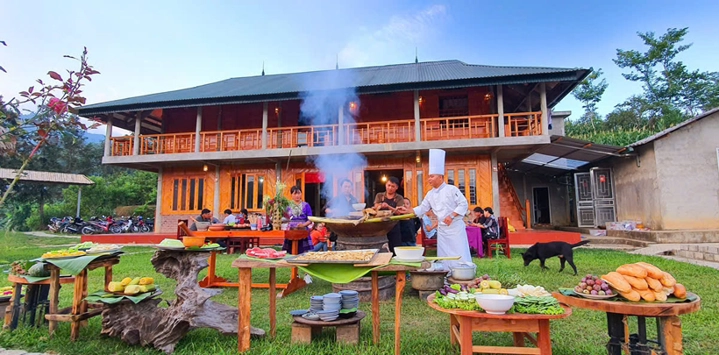
Where To Stay In Ho Chi Minh City?
Whether you’re after luxury, boutique charm, or local vibes—here’s your complete guide to find the perfect stay in Saigon, from skyline hotels to budget-friendly guesthouses.

5 Markets In Ho Chi Minh City That You Should Visit
Markets are where real life happens. Visit these 5 spots to dive into the flavors and energy of Saigon, from street food stalls to vibrant night markets and local crafts.

Top 5 Best Day Trips From Ho Chi Minh City
Need a quick escape from Saigon? These 5 day trips offer nature, history, and local life just a few hours away, from river cruises and to temples, tunnels, and lush countryside.
Travel ideas
Need some inspiration? Discover some of the best tours in Vietnam, which are highly appreciated by our clients. An excellent starting point to help you choose the right trip to Vietnam, Laos, Cambodia, Burma or Thailand, whether you are traveling alone, as a couple, as a family or with friends.
And because this trip is yours, feel free to customize it as you wish!
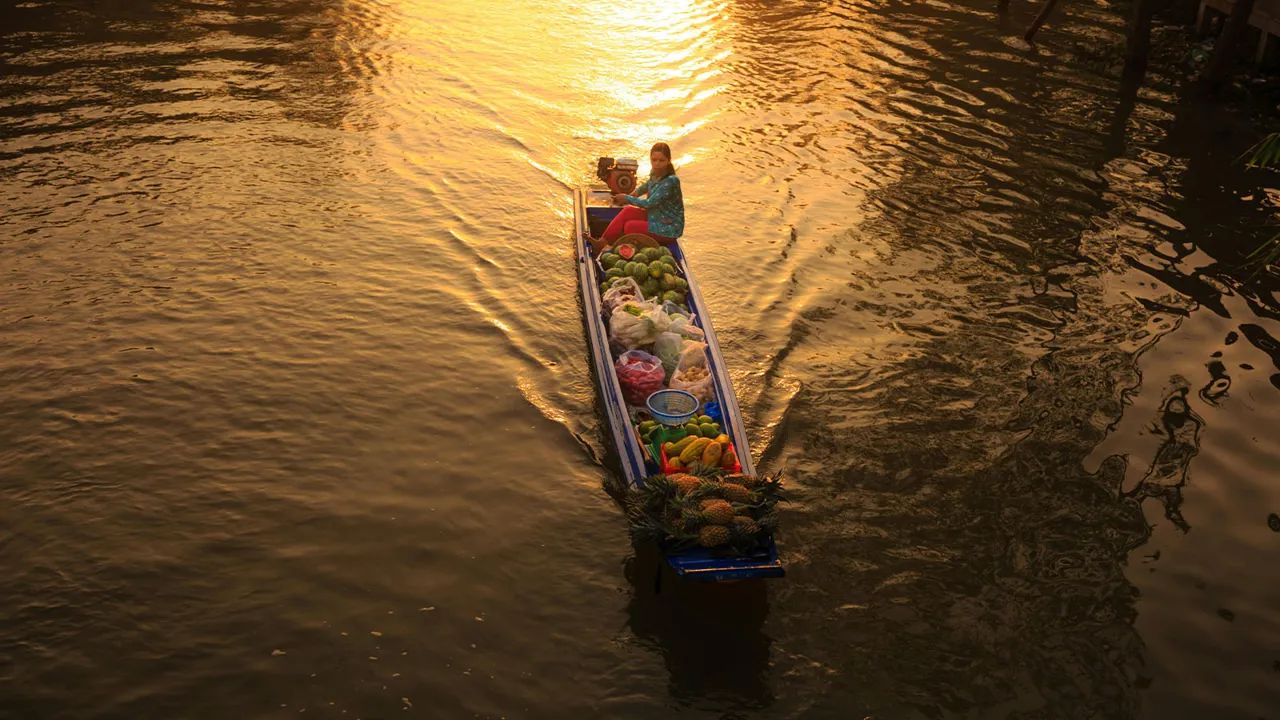
Vietnam Itinerary 2 Weeks
Hanoi - Ninh Binh - Lao Cai - Sapa - Muong Hum market - Ha Long Bay - Hue - Danang - Hoi An - Saigon - Mekong Delta - Cai Rang floating market - Departure

The Best of Ha Giang Trekking Tours
Discover Ha Giang on trekking tours where you live local life, enjoy breathtaking views and escape the crowded routes.

Vietnam and Laos 14 days
Saigon - My Tho - Da Nang- Hoian – Hue - Hanoi - Halong Bay - Vientiane Luang Prabang - Pak Ou – Khuang Si - Luang Prabang – Departure
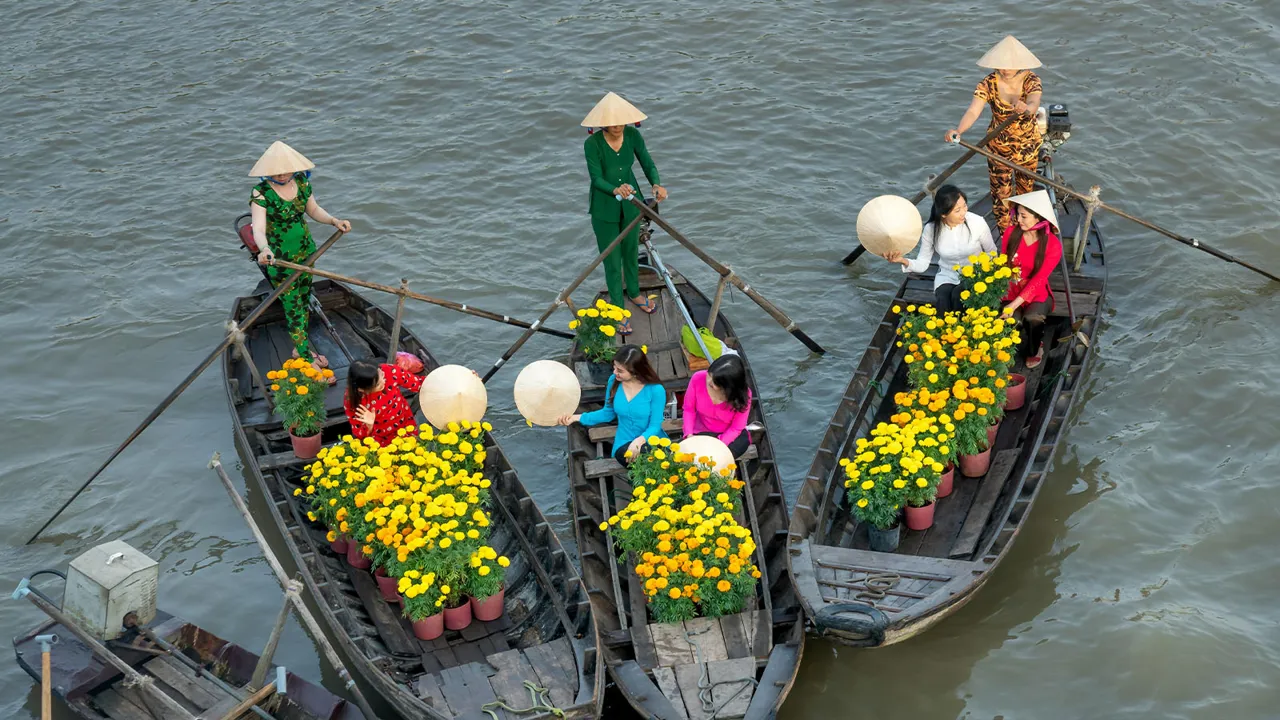
Vietnam Cambodia Itinerary 14 Days
Hanoi – Hoa Binh – Mai Chau – Ninh Binh – Halong bay – Hue - Danang – Hoian – Saigon – Ben Tre - Can Tho – Saigon - Siem Reap Angkor - Tonlé Sap - Siem Reap – Ta Prohm - Departure

Authentic Hoang Su Phi Trekking Tours
Hoang Su Phi trekking tours take you to stunning terraces, meet few tourists, connect with locals and enjoy authentic culture.

Honeymoon Tour Packages In Vietnam 12 Days
Saigon Arrival - City Tour – Mekong Delta – Danang – Hoian - by flight - Da Nang – Hanoi - by flight – Halong - overnight on junk – Departure
Are you interested in this tour?


Our testimonials
Whether it's a short or long tour, to discover must-see sites or to travel less-traveled paths, by car, junk, on foot, by bike or by motorbike... upon their return from their trip to Indochina, our clients tell us about their experiences. We thank them for entrusting us with the organization of their stay in Vietnam, Cambodia, Laos, Thailand and Myanmar!
Tailor-made trips to Vietnam
Are you a couple, a family, a group of friends? Are you planning a trip to Vietnam and/or Southeast Asia? Or maybe you want an individual, personalized trip, operated directly by a local agency? Perhaps you're thinking of a customized trip accompanied by a perfectly French-speaking guide and a private car with a professional driver... Are you the kind of traveler who likes to go where others don't? Our tailor-made tours adapt to your desires, your choices, your pace and your budget.... You decide, we create a trip that suits you!
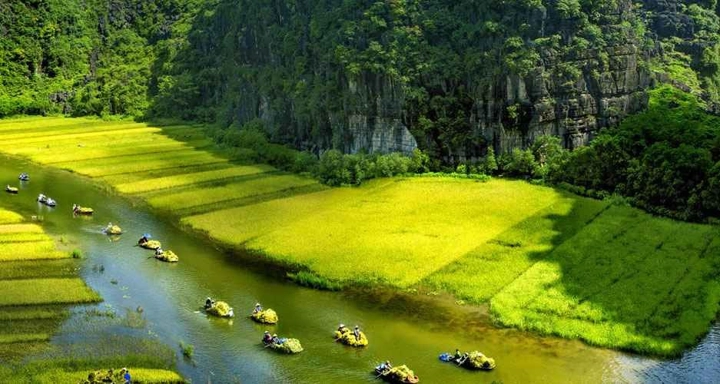


Don't miss anything from Southeast Asia
The press talks about us




Comment
No comments yet. Be the first to leave a comment!