 Français
 Deutsch
 Italiano
 Português
 Español

Sapa in Winter (December - February): Weather, Fansipan Peak, Cloud Hunting & Trekking
Planning a winter trip to Sapa? Discover sub-zero mountain weather, Fansipan cloud hunting, winter trekking trails, Red Dao herbal baths, and packing tips for 2026-2027
When international travelers picture Vietnam, their minds instinctively conjure images of sun-drenched coastal bays, emerald rice paddies shimmering under tropical heat, and bustling motorbike-filled boulevards. Yet tucked away in the dramatic northern highlands along the Chinese border lies an entirely different realm. Sapa, perched at an altitude of 1,600 meters above sea level within the Hoang Lien Son mountain range, undergoes a breathtaking transformation when winter descends.
Between December and February, the vibrant golden terraces of harvest season give way to an ethereal landscape cloaked in drifting mountain mists, dramatic sea-of-cloud inversions, and biting alpine chills. For adventurous souls seeking a side of Vietnam that resembles the Swiss Alps draped in Southeast Asian ethnic heritage, winter in Sapa is one of the most atmospheric and memorable journeys on earth.

Understanding Sapa Winter Climate: December, January, and February
The mountain climate of northern Vietnam in winter behaves very differently from the rest of the country, requiring proper mental and physical preparation.
Temperature Swings and Extreme Mountain Cold
During the winter months, average daytime temperatures in Sapa town fluctuate between 5 and 12 degrees Celsius (41 to 54 degrees Fahrenheit). However, when strong continental cold surges blow down from Siberia and mainland China, nighttime temperatures routinely drop close to freezing, and high mountain passes often plunge below zero.
Unlike modern European alpine ski resorts, traditional buildings, rural homestays, and budget hotels in Sapa often lack central indoor heating and double-glazed windows. Because the mountain air is saturated with high relative humidity, the cold feels far more biting and penetrating than dry sub-zero temperatures back home.
The Mystery of Sapa Fog and Freezing Rime Frost
Winter in Sapa is famous for its dense, rolling fog, locally celebrated as the town of mist. A thick blanket of white clouds can settle over the valleys for several days in a row, reducing visibility to twenty meters and lending an enchanting, gothic mood to the town’s colonial stone church and French villas.
During severe cold spells in late December and January, vegetation along the high ridgelines becomes encased in sparkling white rime frost. Delicate ice crystals freeze directly onto pine needles, bamboo shoots, and wild tea bushes, transforming the mountain passes into glistening crystal wonderlands.

Does It Actually Snow in Sapa?
While snowfall in a tropical Southeast Asian nation sounds almost paradoxical, snow does indeed fall across the highest peaks of Sapa during intense winter cold fronts. Accumulations are rare and unpredictable, generally occurring once or twice every few years between late December and mid-January.
When light snow flurries dust the summit of Mount Fansipan or the heights of O Quy Ho Pass, thousands of domestic travelers journey north from Hanoi to witness the phenomenon. If you happen to be in town during a snowfall, expect a lively, festive atmosphere filled with excited shutterbugs capturing the snow-capped pagoda roofs.
Conquering Fansipan Peak: The Roof of Indochina in Winter
At 3,143 meters (10,312 feet) above sea level, Mount Fansipan is the highest point in Indochina and the ultimate highlight of a winter visit to Sapa.
Cloud Hunting Above the Inversion Layer
Winter is the premier season for cloud hunting on Fansipan. While Sapa town down in the valley may sit shrouded in heavy, gloomy grey fog, ascending the mountain often carries you straight through the cloud deck into a phenomenon known as a temperature inversion.
Upon bursting through the ceiling, you will emerge into blindingly bright blue skies with pure sunlight warming your skin, looking down upon an endless ocean of rolling white clouds that lap against jagged granite peaks like gentle ocean waves. Experiencing this majestic sea of clouds from the summit terrace is an unforgettable spiritual moment.
Riding the Sun World Fansipan Legend Cable Car
Reaching the summit no longer requires a grueling two-day mountaineering trek through muddy bamboo forests. The Sun World Fansipan Legend cable car system transports visitors nearly six kilometers across the Muong Hoa Valley in fifteen scenic minutes, holding Guinness records for its massive elevation gain.
Inside the panoramic glass cabins, you soar directly over deep mountain gorges, cascading waterfalls, and ethnic terraced valleys before floating silently through the clouds. From the upper cable station, you can either ride a funicular tram or climb six hundred stone steps past monumental bronze Buddha statues and ancient cliffside pagodas to reach the official summit landmark.

Mountain Altitude and Cold Weather Navigation
Standing on the exposed summit peak of Fansipan in January can be intensely cold, with gale-force winds pushing the windchill well below minus five degrees Celsius. The air at 3,100 meters is noticeably thinner, meaning climbing the final summit steps will leave you breathing heavily.
Pace yourself deliberately, take frequent rests on the temple platforms, and keep your gloves and thermal hat firmly secured against sudden mountain gusts. If you use a smartphone or camera, be aware that freezing temperatures will cause lithium-ion batteries to drain rapidly, so store your electronics inside an internal jacket pocket close to your body heat.
Winter Trekking in the Muong Hoa Valley: What to Expect
Trekking through the villages of the Black Hmong, Red Dao, and Giay ethnic communities is central to the Sapa experience, but winter requires adjusted expectations.
Off-Season Rice Terraces: Mirror Water and Earthy Tones
Many travelers visit Sapa expecting lush green or bright yellow terraces, only to discover that the annual rice crop is harvested by October. In winter, the cascading terraces enter their resting and preparation cycle, known as the water-pouring season.
The hand-sculpted mud embankments fill with fresh mountain spring water, turning the slopes into hundreds of giant natural mirrors that reflect passing silver clouds, dramatic sunsets, and moody mountain skies. The scenery is rustic, dramatic, and deeply photogenic in an earthy, minimalist way.

Trekking Trails: Mud Conditions and Recommended Foothold
Winter rains and persistent mountain mist make hiking trails through villages like Cat Cat, Lao Chai, and Ta Van remarkably slick. The native clay soil turns into thick, slippery mud that easily defeats standard running sneakers or flat-soled lifestyle shoes.
Equipping yourself with waterproof hiking boots featuring deep rubber lugs is non-negotiable for village walks. Renting a sturdy bamboo walking staff from local vendors at the trailhead provides invaluable extra balance when traversing steep, slick village descents.
Cultural Encounters in Hmong and Red Dao Villages
Because agricultural fieldwork slows down significantly during the cold winter months, village life shifts indoors around open hearth fires. Walking into rural hamlets during winter offers intimate glimpses of authentic traditional life that summer tourists rarely witness.
You will see village elders hand-weaving natural hemp cloth, indigo dye vats bubbling outside wooden doorways, and families gathered around glowing charcoal hearths roasting dried corn, sweet potatoes, and black pork sausages while sharing local apple wine.
Winter Highlights: Cherry Blossoms, Herbal Baths, and Warming Stoves
Beyond mountain trails, winter brings several cozy cultural and natural traditions that make the cold weather deeply rewarding.
Wild Himalayan Cherry Blossoms along O Quy Ho Pass
Starting in late December and peaking throughout January, thousands of wild Himalayan cherry blossom trees burst into vivid pink blooms along the terraced hills of O Quy Ho Pass and the tea plantations of Sapa.
The contrast between the soft pink petals, vibrant green oolong tea hills, and misty mountain silhouettes creates a breathtaking visual spectacle that draws landscape photographers from across the globe.

Authentic Red Dao Herbal Barrel Baths
After a long, chilly day of mountain trekking, nothing compares to sinking into a steaming hot wooden barrel filled with traditional Red Dao herbal medicine. Originating in villages like Ta Phin, this ancient hydrotherapy practice uses more than thirty wild jungle herbs, barks, and leaves boiled in copper cauldrons over wood fires.
The dark, aromatic, earthy brew stimulates blood circulation, soothes aching joints, warms the core of your body against the mountain chill, and leaves your skin feeling incredibly soft and refreshed.
Traditional Mountain Hearth Cuisine: Salmon Hotpot and Charcoal Skewers
Cold mountain weather is the ultimate excuse to indulge in Sapa’s hearty, warming gastronomy. Sapa is famous across Vietnam for raising cold-water sturgeon and salmon in clean mountain spring pools.
Gathering around a boiling table pot of Lau Ca Hoi (salmon hotpot simmered with wild sour leaves, mountain herbs, and wild mushrooms) or sitting on low plastic stools at the town night market sampling grilled pork belly skewers wrapped around fresh mustard greens provides the perfect warming end to a winter day.
Essential Winter Packing Checklist for Sapa
Packing properly is the single most important factor that determines whether your winter trip to Sapa is magical or miserable.
The Three-Layer Clothing System for Sub-Zero Winds
Relying on one massive heavy coat is inefficient because temperatures change dramatically between heated buses, foggy valleys, and sunny mountain peaks. Instead, utilize the classic mountaineering three-layer system.
Start with a moisture-wicking synthetic or merino wool thermal base layer against your skin. Add an insulating middle layer such as a breathable fleece pullover or lightweight down jacket, and finish with a completely windproof and waterproof exterior shell jacket that seals out rain, mist, and howling summit gusts.

Footwear, Traction, and Moisture Management
Pack at least four pairs of thick wool or synthetic thermal hiking socks. If your shoes get wet from valley mud, having fresh dry socks is vital for foot health and core warmth.
Ensure your hiking footwear has been pre-treated with waterproofing spray before leaving home, and pack a lightweight, packable rain poncho in your daypack for sudden afternoon mountain squalls.
Hotel Heating Systems: Electric Blankets vs Fireplaces
When booking your accommodation in Sapa, pay careful attention to the room heating specifications. Budget hostels and older homestays often rely solely on portable space heaters, which struggle to warm uninsulated rooms.
Opt for reputable boutique eco-lodges or four-star and five-star properties that explicitly offer dual-directional central heating, heated mattress pads (electric blankets), or real wood-burning fireplaces that keep the bedroom wonderfully cozy all night long.

FAQs: Sapa in Winter
1. Is it worth visiting Sapa in winter if the rice fields are empty?
Yes, absolutely. While you will not see green or yellow rice terraces, winter offers unique attractions that other seasons lack, including magical cloud inversions on Fansipan, wild cherry blossoms, cozy wood-fired hearth dining, and atmospheric misty village walks without tourist crowds.
2. How cold does it really get in Sapa during winter?
Daytime temperatures in Sapa town typically range between 5 and 12 degrees Celsius (41 to 54 degrees Fahrenheit). However, night temperatures regularly drop toward freezing, and high summits like Fansipan frequently plummet below zero with freezing windchill.
3. Does the cable car to Fansipan operate during foggy or windy winter weather?
The modern Doppelmayr cable car system is engineered to operate safely in heavy fog and strong mountain winds. The system only halts temporarily during extreme severe weather events like heavy typhoons or severe lightning storms.
4. Can I trek independently in Sapa during the winter months?
While basic paved routes can be walked independently, hiring a local English-speaking ethnic guide through Vietnam Original Travel is strongly advised for winter trekking. Local guides know how to navigate treacherous muddy detours, avoid fog-obscured drop-offs, and welcome you into authentic village homes.
5. How do I travel from Hanoi to Sapa comfortably in winter?
The most comfortable and nostalgic way is taking an overnight luxury sleeper train (such as Chapa Express or VicSapa) from Hanoi to Lao Cai station, followed by a private heated car transfer up the mountain. Alternatively, luxury private limousine vans travel directly via the smooth Hanoi - Lao Cai highway in roughly five hours.
6. Are restaurants and tourist attractions open during winter in Sapa?
Yes, all major restaurants, cafes, markets, village trails, and the Fansipan cable car complex remain fully operational throughout the winter. Winter is a popular travel season for both international adventurers and domestic holidaymakers.
7. What should I do if my hotel room in Sapa feels too cold?
Do not hesitate to ask your hotel front desk for an electric heated mattress pad (dem dien) or extra heavy wool blankets. Most reputable accommodations keep extra heating pads and portable radiant oil heaters specifically for winter guests.
Sapa in Winter : Embrace the Enchanting Chill of the Northern Peaks
There is a profound, meditative beauty in watching northern mountain mist roll slowly through ancient limestone valleys while warming your hands over a clay brazier with a cup of hot ginger tea. Sapa in winter strips away the commercial rush of peak harvest tourism, inviting you to connect intimately with the raw power of nature, the timeless warmth of indigenous ethnic hearths, and the breathtaking thrill of standing above the clouds on the roof of Indochina.
At Vietnam Original Travel, we craft bespoke winter journeys through the northern highlands with meticulous attention to comfort and safety. From guaranteed private chauffeured heated transfers and handpicked luxury boutique lodges equipped with genuine fireplaces to expert local ethnic guides who navigate the safest winter trails, we ensure your high-altitude adventure is seamless, cozy, and unforgettable.
>>> Vietnam Sleeper Trains: Guide to the Reunification Express & Luxury Rail Cabins
>>> Ha Giang Loop in Winter: Weather, Scenery, Motorbike Safety & Travel Guide

Ha Pham is a travel photographer devoted to capturing the soul of Vietnam through his lens. His photos reveal the harmony between people and landscapes — from the golden rice terraces of Mu Cang Chai to the peaceful floating markets of the Mekong Delta. Ha believes that every image tells a story, and his work brings to life the emotions, colors, and textures that make traveling across Vietnam unforgettable.
Send us your comments about : Sapa in Winter (December - February): Weather, Fansipan Peak, Cloud Hunting & Trekking
Required fields*
You may also like
You may also like

Tailor-Made Clothes in Hoi An: 24-Hour Suits, Silk Dresses & Scam-Free Guide (2026 - 2027)
Get bespoke suits, silk dresses, and custom linen made in Hoi An! Discover top fabric tips, realistic fitting timelines, honest prices, and how to avoid tourist scams.

Steamed veal with lemongrass and ginger
A step-by-step guide to Vietnamese steamed veal with lemongrass and ginger, from choosing the cut to the dipping sauce, with variations and FAQ.

Phu Quoc in Dry Season (November to April): Best Beaches, Weather & Island Hopping
Escape winter! Experience Phu Quoc in peak dry season from November to April. Discover crystal turquoise bays, Bai Sao vs Bai Khem, Hon Thom cable car, and sunset boat trips.
Travel ideas
Need some inspiration? Discover some of the best tours in Vietnam, which are highly appreciated by our clients. An excellent starting point to help you choose the right trip to Vietnam, Laos, Cambodia, Burma or Thailand, whether you are traveling alone, as a couple, as a family or with friends.
And because this trip is yours, feel free to customize it as you wish!
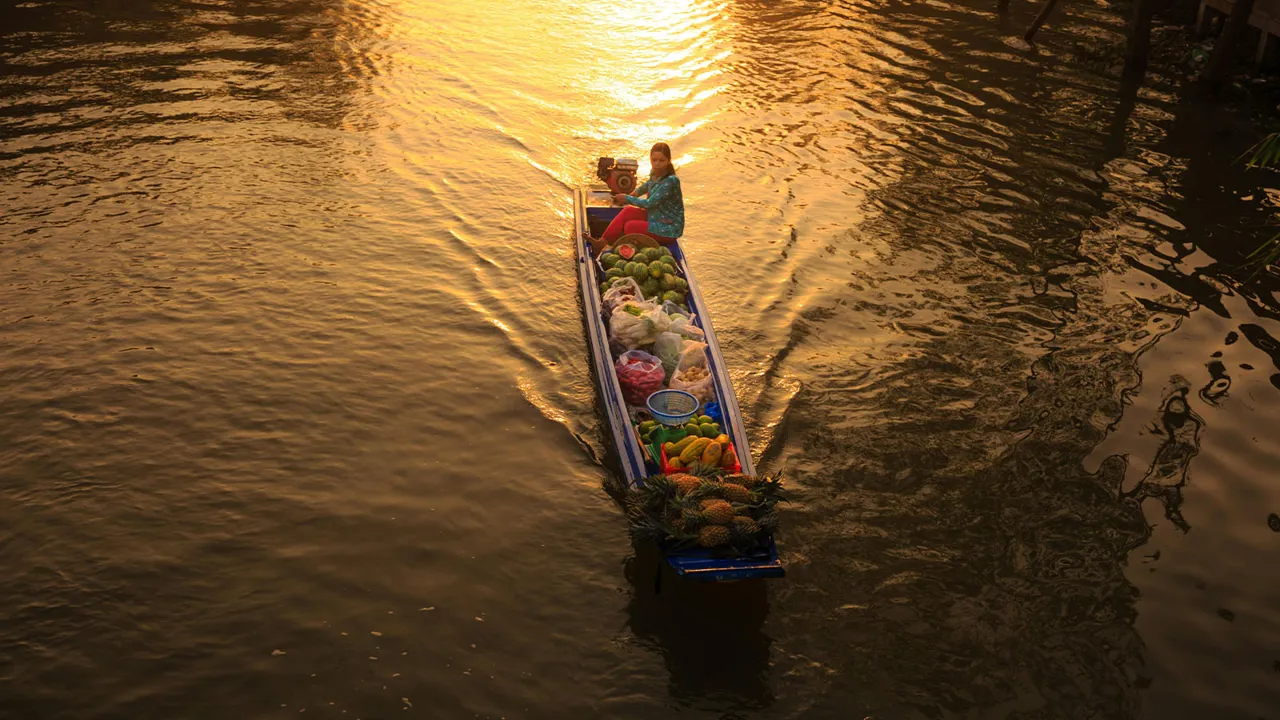
Vietnam Itinerary 2 Weeks
Hanoi - Ninh Binh - Lao Cai - Sapa - Muong Hum market - Ha Long Bay - Hue - Danang - Hoi An - Saigon - Mekong Delta - Cai Rang floating market - Departure

The Best of Ha Giang Trekking Tours
Discover Ha Giang on trekking tours where you live local life, enjoy breathtaking views and escape the crowded routes.

Vietnam and Laos 14 days
Saigon - My Tho - Da Nang- Hoian – Hue - Hanoi - Halong Bay - Vientiane Luang Prabang - Pak Ou – Khuang Si - Luang Prabang – Departure
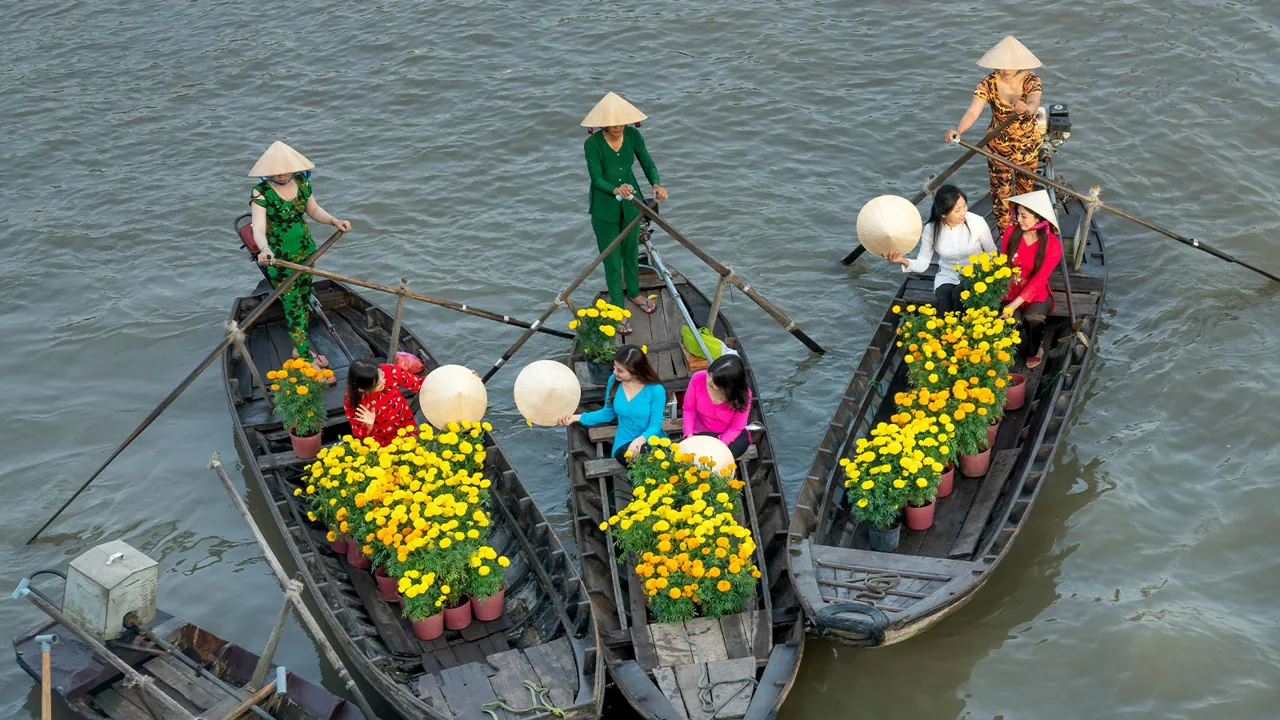
Vietnam Cambodia Itinerary 14 Days
Hanoi – Hoa Binh – Mai Chau – Ninh Binh – Halong bay – Hue - Danang – Hoian – Saigon – Ben Tre - Can Tho – Saigon - Siem Reap Angkor - Tonlé Sap - Siem Reap – Ta Prohm - Departure

Authentic Hoang Su Phi Trekking Tours
Hoang Su Phi trekking tours take you to stunning terraces, meet few tourists, connect with locals and enjoy authentic culture.

Honeymoon Tour Packages In Vietnam 12 Days
Saigon Arrival - City Tour – Mekong Delta – Danang – Hoian - by flight - Da Nang – Hanoi - by flight – Halong - overnight on junk – Departure
Are you interested in this tour?


Our testimonials
Whether it's a short or long tour, to discover must-see sites or to travel less-traveled paths, by car, junk, on foot, by bike or by motorbike... upon their return from their trip to Indochina, our clients tell us about their experiences. We thank them for entrusting us with the organization of their stay in Vietnam, Cambodia, Laos, Thailand and Myanmar!
Tailor-made trips to Vietnam
Are you a couple, a family, a group of friends? Are you planning a trip to Vietnam and/or Southeast Asia? Or maybe you want an individual, personalized trip, operated directly by a local agency? Perhaps you're thinking of a customized trip accompanied by a perfectly French-speaking guide and a private car with a professional driver... Are you the kind of traveler who likes to go where others don't? Our tailor-made tours adapt to your desires, your choices, your pace and your budget.... You decide, we create a trip that suits you!


Don't miss anything from Southeast Asia
The press talks about us




Comment
No comments yet. Be the first to leave a comment!