 Français
 Deutsch
 Italiano
 Português
 Español

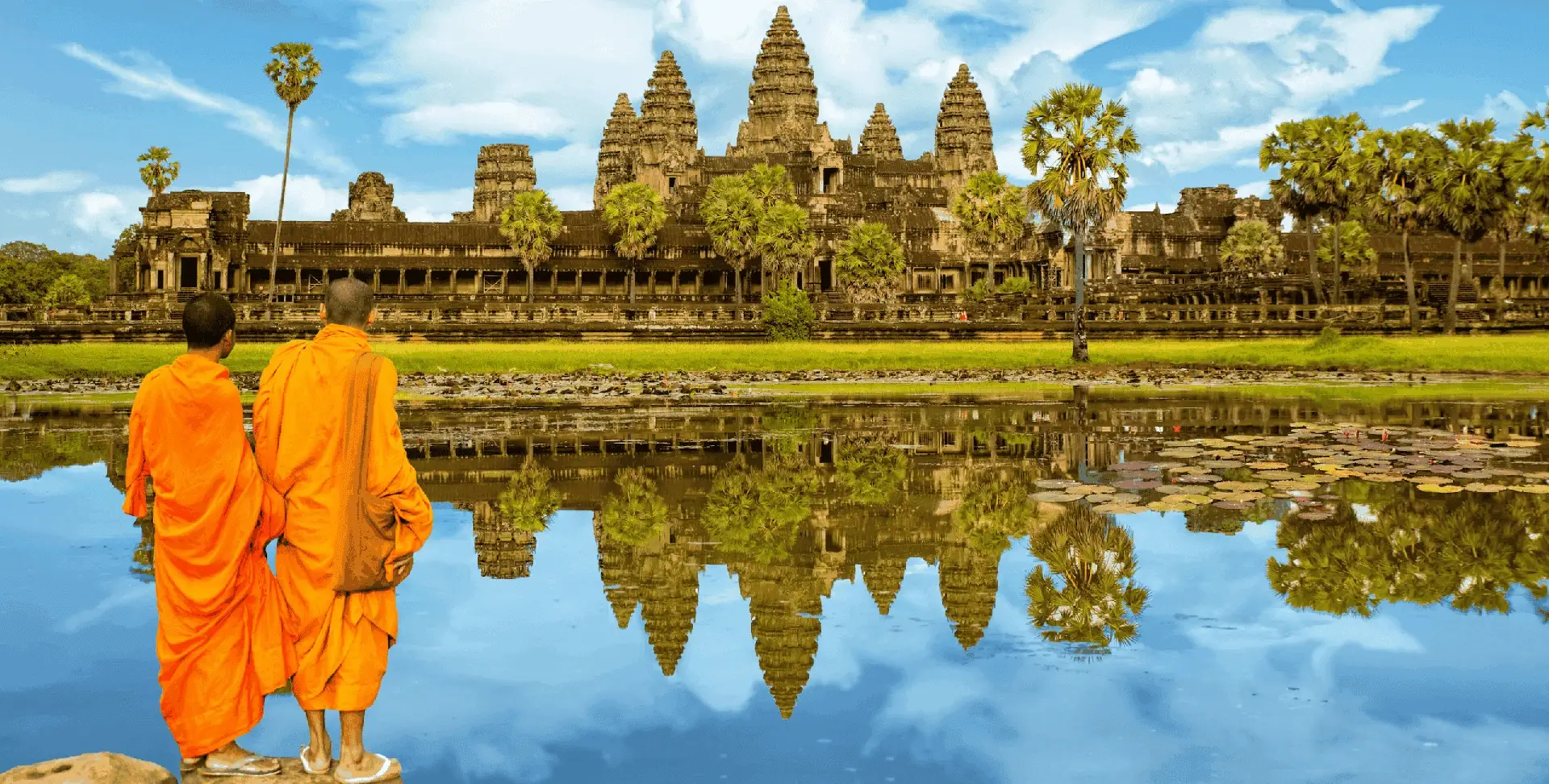
Love markets in Vietnam's Northern Highlands: A tradition of courtship and connection
Once a year, or once a week, whole valleys in northern Vietnam gather to sing, court and remember. This guide explains what a love market really is, which ones still run, when each takes place and how to visit without turning a tradition into a spectacle.
On the evening before the market at Khau Vai, the lanes leading into the valley fill with people walking. Some have been on their feet since first light, carrying a change of clothes wrapped in cloth so that the good silver and the good indigo arrive uncreased. By dusk there is woodsmoke, cooking pots, the reedy breath of a khen somewhere up the slope, and a great deal of quiet looking about. Nobody is shopping. That is the part travellers tend to find confusing, and it is also the whole point.

Northern Vietnam has several of these gatherings, and they are not all the same thing. This guide sets out what a love market actually is, why the tradition took root in these mountains, which markets still take place and when, and how to be a decent guest at one.
What is a love market in Vietnam? A love market, or chợ tình, is a highland gathering where courtship, reunion and community matter more than trade. Some run once a year and draw former sweethearts back to meet; others give young people a rare evening to sing, flirt and be seen. Among the northern gatherings commonly described as love markets are Khau Vai, Sa Pa, Moc Chau, Bao Lac and Xuan Duong.
What a love market actually is

The trouble with the translation
The Vietnamese phrase is chợ tình. Chợ is straightforwardly a market. Tình is the harder half: it covers love, affection, sentiment, the feeling that binds people. English collapses all of that into "love", which sends the imagination somewhere rather more transactional than reality. Nothing is bought. Nobody is on offer.
You will find articles online promising a market where married people meet their exes for one wild night a year. It is a good headline and a poor description. What actually happens is closer to a village reunion with a romantic memory folded inside it: people who once cared for each other and could not marry come back, sit down, ask after each other's children, and go home again. Spouses come too. So do grandparents, teenagers and small children who mostly want the food stalls.
Three traditions, one name
Once you accept that the label is loose, the picture clarifies. Three different customs shelter under it.
The first is the annual reunion, and Khau Vai is its clearest example. It happens on one fixed date in the lunar year and its emotional centre is memory rather than pursuit.
The second is the courtship gathering, where unmarried young people from scattered villages meet, sing to each other and decide whether to keep talking. Some gatherings, including those associated with Moc Chau, are closer to this courtship-and-community model. Sa Pa's modern event, by contrast, has moved much further towards a public cultural programme.
The third is the weekly social evening, which is what most visitors now encounter in Sa Pa: a scheduled, public, partly staged version of the second, running to a timetable so that it can be watched.
Why the tradition exists at all

When market day was the only meeting place
To understand why an entire valley would organise its romantic life around a market, picture the geography. Households in these mountains sit far apart, strung along ridges and tucked into side valleys, an hour or three of walking from the next hamlet. In mountainous communities where villages were separated by steep terrain and long walking distances, periodic markets were among the most important occasions for people from different settlements to meet. They were places for trading and exchanging news, but also for socialising, meeting potential partners and maintaining relationships beyond one's immediate village.
Market day broke that. It was where you sold your maize, bought salt, heard who had died, settled a debt, arranged a marriage and met somebody your own age from outside your own bloodline. Everything a society needs to do collectively had to happen on the same few mornings a month, in the same muddy square. Courtship was simply one of the things queuing for its turn.
Marriage, family, and the space in between
In many highland communities, marriage was shaped not only by the wishes of two people but also by family ties, community expectations and circumstances. The story associated with Khau Vai gives this tension a particularly memorable form: two people who loved each other but could not marry agreed to meet again once a year. Whether every detail of the story reflects a historical event is impossible to establish; like many oral traditions, versions differ. What matters is the social meaning the story has acquired, and the annual gathering that grew around it. They created one sanctioned day when a feeling that had no future was allowed a little air, in the open, in front of everyone, and therefore harmed nobody.
The legend attached to Khau Vai says exactly this. The best-known legend tells of a young couple from different ethnic communities whose love was opposed by their families and villages. Unable to marry, they agreed to meet again at Khau Vai on the same day each year. Versions differ on who belonged to which group and how the story ends, which is normal for oral tradition. Two small shrines stand there for them, and people still burn incense at both.

Music as the language of courtship
In several northern highland courtship traditions, music and song provided a socially accepted way for young people to express interest, tease one another and respond without having to make a direct declaration.
Hmong men played the khèn, a curved bamboo mouth organ that can be walked with, danced with and played into the dark. Then is part of the wider ritual practices of the Tày, Nùng and Thái peoples, which UNESCO inscribed on its Representative List of the Intangible Cultural Heritage of Humanity in 2019. Singing and the tính lute are central to the practice, although Then is more than a form of courtship music. In the wider culture of the northern highlands, Sli, Lượn, Then and instrumental music have all served as ways of expressing feeling, maintaining social ties and passing traditions between generations.
This is why every love market, even the tidied-up ones, is loud. The music is not decoration laid over the event. The music is the event.
The love markets of the north at a glance
|
Market |
Where it is now |
When |
Communities |
What you will actually find |
|
Khau Vai |
Khau Vai, Tuyen Quang province (formerly Ha Giang) |
Around the 26th–27th days of the 3rd lunar month |
Nung, Giay, Hmong, Dao, Lo Lo |
A genuine reunion, wrapped in an official festival |
|
Sa Pa |
Sa Pa, Lao Cai province |
Saturday evenings, year-round |
Hmong, Red Dao |
A public cultural programme, free to watch |
|
Moc Chau |
Moc Chau, Son La province |
31 August – 2 September |
Hmong |
A large Independence Day gathering with courtship traditions |
|
Bao Lac |
Bao Lac, Cao Bang province |
30th day of the 3rd lunar month and 15th day of the 8th |
Tay, Nung, Hmong, Lo Lo |
A working market with courtship customs intact |
|
Xuan Duong |
Na Ri area, Thai Nguyen province (formerly Bac Kan) |
25th day of the 3rd lunar month |
Tay, Nung |
Small, song-led, almost entirely local |
Why the province names have changed
If older articles give different province names, there is a reason. Vietnam's administrative structure changed in 2025, including the abolition of the district tier and several provincial mergers. For travel planning, use the current commune and town names when checking maps, accommodation and transport, while older names such as Ha Giang and Meo Vac remain widely used in travel writing.
The three you have probably heard of
Khau Vai
The most famous of them, and still the most affecting. The main market is traditionally held on the 27th day of the third lunar month, with festival activities often beginning around the 26th and extending beyond the main market day. Because it follows the lunar calendar, the Gregorian date shifts every year, usually landing somewhere between late April and mid-May, and the local authorities confirm the programme a few weeks ahead.
The event has grown a formal shell — an incense ceremony at the two shrines, costume parades, folk games, a stage. In 2021, the social practices and beliefs associated with Phong Luu Khau Vai Market were added to Vietnam’s National List of Intangible Cultural Heritage. Underneath the programme the older thing continues, mostly after the speeches stop. Khau Vai sits within the Dong Van Karst Plateau UNESCO Global Geopark, a short but slow detour from Meo Vac, and beds in the area disappear early during the festival.
Sa Pa
Sa Pa's love market is the one everybody has heard of and the one that has changed most. Historically, Saturday evening in Sa Pa followed the weekly market day and offered young people from surrounding Hmong and Red Dao communities an opportunity to meet, socialise and court.

Today what you will find on a Saturday evening is a public cultural programme in the square in front of the Stone Church, free to attend, with a separately staged showcase at the town's culture park later in the night. Songs, khen, traditional dress, an audience. Go if you are in Sa Pa on the right evening and enjoy it for what it is.
Moc Chau
Moc Chau is sometimes described in travel writing as a ‘love market’, although the annual gathering around Vietnam’s Independence Day is better understood as a broader Hmong cultural and community celebration. Around 31 August to 2 September, families and young people gather from across the Moc Chau plateau and surrounding areas. Traditional dress, music, socialising and courtship are part of the atmosphere, but the occasion is larger than courtship alone.
Two markets few visitors ever reach
Bao Lac, Cao Bang
Bao Lac holds its love market twice a year, on the 30th day of the third lunar month and the 15th day of the eighth, which places them roughly in spring and early autumn. Twice is unusual, and there is a reason for it.

One traditional courtship custom associated with the market involves a young woman taking the measure of a man's foot after meeting him in spring. She may then make a pair of cloth shoes by hand and give them to him at the autumn gathering — a tangible gesture of interest that can unfold over several months. The shoes are the answer. It is a slower, more deliberate way of saying yes than anything a phone allows, and it survives in a town most itineraries drive straight past on the way to Ban Gioc.
The autumn market also coincides with the rice harvest around Cao Bang, when the terraces turn and the weather cools, which makes it the easier of the two to build a few days around.
Xuan Duong, Thai Nguyen
The Xuan Duong gathering in the Na Ri area is one of the lesser-known courtship traditions of northern Vietnam. It is associated with a local story of separated lovers and is particularly known for the singing traditions of Tay and Nung communities. Sli, Lượn and other forms of folk singing remain central to the gathering, making it very different from a tourism-oriented stage programme.
What tourism changed, and what it didn't
It would be dishonest to describe all five markets as untouched, and unkind to describe them as ruined.
What changed is the framing. Several of these gatherings now have a stage, a sound system, a printed programme and a tourism budget, because provincial authorities correctly identified them as something worth promoting. That brings crowds, cameras and a certain self-consciousness, and it pushes the intimate parts of the day further from the microphone. In Sa Pa the public portion has become almost entirely presentational.

What did not change is the reason people show up. For local families, these gatherings remain community occasions rather than performances created solely for visitors. Tourism may shape the public programme around them, but the underlying social and cultural reasons for attending do not disappear simply because tourists are present. The most rewarding hours are almost always the unscheduled ones — early morning at the food stalls, or late evening once the programme has finished and the square empties of everyone except the people it was originally for.
Set your expectations by that rhythm and these markets are wonderful. Arrive expecting an uninterrupted window onto the nineteenth century and you will spend the day feeling let down by a place that owes you nothing.
Going as a guest, not an audience
A few things worth carrying with you.
Ask before you photograph, and accept a no. A stage is public; a conversation between two people who have not seen each other in a year is not. Avoid pointing long lenses into private conversations or reunions.
Buy rather than tip. If you want to put money into the community, buy textiles, food or a bottle of corn wine from the people selling them. Handing cash to children performing for tourists creates the very economy that troubles people about Sa Pa's square.

Bring small notes. Carry small amounts of cash, especially for food and small purchases, as card and digital payment options can be limited in rural market areas.
Dress for altitude and for rain. Spring in the north-east means warm afternoons and cold, wet nights, sometimes in the same twelve hours.
Take someone who speaks the local language. Not just Vietnamese. A guide from the community turns a colourful crowd into a set of conversations, and it is the difference between watching a market and being at one.
Fitting a love market into a wider journey
If you are already riding the Ha Giang loop. Khau Vai is a detour from Meo Vac rather than a stop on the standard route, and the road is slow. Budget an extra night in Meo Vac and book it early, because accommodation in and around Meo Vac fills early during the festival.
If you have two weeks in Vietnam. A love market is a reason to give the north four days instead of two. That usually means trimming a beach or a domestic flight elsewhere, and it is worth being honest with yourself about that trade before you commit, especially if you are also determined to see the centre and the south.
Pair it with the weekly markets. The love markets are single dates; the ordinary highland trading markets run every week, and they are where daily life actually happens. Khau Vai pairs naturally with the Sunday market at Meo Vac; a Saturday evening in Sa Pa pairs with the big Sunday market at Bac Ha. Seeing both in one weekend is the clearest way to understand what makes the love market different.
If the dates do not line up. Most trips will not coincide with any of these, and that is fine. The weekly markets, the Hmong new year celebrations of Gau Tao in the first lunar month, and a homestay in a village during harvest all offer the same thing the love markets offer — time among people, at their pace — without requiring you to build a whole itinerary around one date in a calendar that moves.

Frequently asked questions
What is a love market in Vietnam?
It is a highland gathering, called chợ tình in Vietnamese, where courtship, reunion and community matter more than buying and selling. Some are annual and centre on former sweethearts meeting once a year; others are regular occasions for young people to meet, sing and get to know each other.
When is the Khau Vai love market held?
The main Khau Vai market is held on the 27th day of the third lunar month each year. Festival activities may begin around the 26th and continue beyond the main market day. The Gregorian date changes every year, so check the confirmed local programme before booking.
Which province is Khau Vai in now?
Khau Vai is now in Tuyen Quang province. Older travel information may still refer to it as part of Ha Giang province because of Vietnam's 2025 administrative reorganisation, which also abolished the district tier, so "Meo Vac district" is no longer an official address even though everyone still uses the name.
Is the Sa Pa love market still authentic?
The Saturday evening event in Sa Pa is now primarily a public cultural programme rather than the informal courtship gathering associated with the market's earlier history. It is free to attend and gives visitors a glimpse of local music, dress and performance traditions, but it should not be confused with an unchanged continuation of the older courtship practice.
Can foreign travellers attend a love market?
Visitors can generally attend these gatherings, although the experience varies from one place to another. Some are now organised partly as public cultural programmes, while smaller community gatherings may feel much more local. In every case, visitors should follow local instructions, stay clear of ceremonies and ask before photographing people.
Can I combine a love market with the weekly ethnic markets?
Very easily, and it is the best way to see both sides of highland market culture. Weekly markets run on fixed weekdays across Ha Giang and Lao Cai, so a love market date can usually be slotted next to one or two of them within the same few days.

Plan it around your own dates
The hardest part of seeing a love market is not the road or the altitude. It is the calendar. These dates move every year, some of them sit a long way off the usual routes, and beds in the surrounding towns go quickly once a festival programme is announced.
If you tell us roughly when you are travelling, how long you have, what pace suits you and how comfortable you want to be at night, our team in Vietnam can tell you which of these markets your dates can realistically reach, and what a route around one would mean for the rest of your trip. If none of them fits, we will say so and suggest what to do instead.
Vietnam Original Travel is a Vietnam-based team designing private, tailor-made journeys for English-speaking travellers across Vietnam and its neighbours.
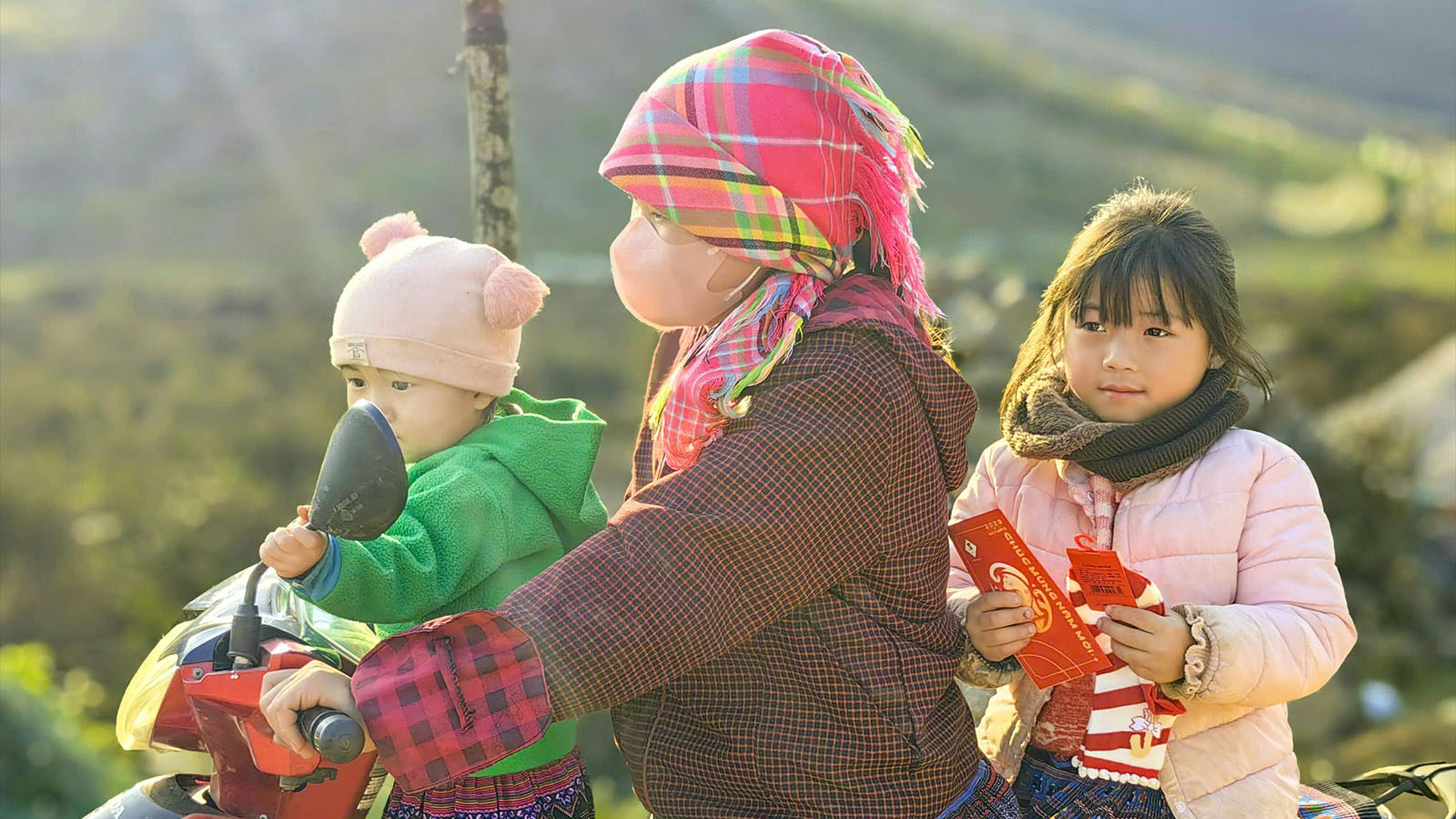
Thuy Nguyen is a passionate travel blogger and storyteller who has spent years exploring the hidden corners of Vietnam and Southeast Asia. With a love for authentic experiences, she writes about local life, culture, and off-the-beaten-path adventures. Through her words, Anh invites readers to travel deeper, connect with people, and find beauty in every journey — whether it’s a quiet sunrise in Hoi An or a mountain trail in Ha Giang.
Send us your comments about : Love markets in Vietnam's Northern Highlands: A tradition of courtship and connection
Required fields*
You may also like
You may also like

Safari Phu Quoc: A Wild Adventure You Shouldn’t Miss on Phu Quoc Island
Discover Safari Phu Quoc, Vietnam’s largest safari park, home to thousands of animals across 380 hectares. Explore wildlife, safari bus tours, conservation programs and nearby VinWonders.

Kiss Bridge Phu Quoc: a complete guide to the island's sunset landmark
Kiss Bridge Phu Quoc is more than a photo stop. This guide explains what the Vietnamese name Cau Hon really means, how to reach Sunset Town, what time to arrive for sunset, which tickets are separate, and how to build the visit into a wider island itinerary.

Vietnamese Egg Coffee: A Unique Hanoi Specialty You Must Try
Discover Vietnamese egg coffee, Hanoi’s creamy coffee specialty made with whipped egg yolks, sugar and strong Vietnamese coffee. Learn its history, taste and where to try it.
Travel ideas
Need some inspiration? Discover some of the best tours in Vietnam, which are highly appreciated by our clients. An excellent starting point to help you choose the right trip to Vietnam, Laos, Cambodia, Burma or Thailand, whether you are traveling alone, as a couple, as a family or with friends.
And because this trip is yours, feel free to customize it as you wish!
Vietnam Itinerary 2 Weeks
Hanoi - Ninh Binh - Lao Cai - Sapa - Muong Hum market - Ha Long Bay - Hue - Danang - Hoi An - Saigon - Mekong Delta - Cai Rang floating market - Departure

The Best of Ha Giang Trekking Tours
Discover Ha Giang on trekking tours where you live local life, enjoy breathtaking views and escape the crowded routes.

Vietnam and Laos 14 days
Saigon - My Tho - Da Nang- Hoian – Hue - Hanoi - Halong Bay - Vientiane Luang Prabang - Pak Ou – Khuang Si - Luang Prabang – Departure
Vietnam Cambodia Itinerary 14 Days
Hanoi – Hoa Binh – Mai Chau – Ninh Binh – Halong bay – Hue - Danang – Hoian – Saigon – Ben Tre - Can Tho – Saigon - Siem Reap Angkor - Tonlé Sap - Siem Reap – Ta Prohm - Departure

Authentic Hoang Su Phi Trekking Tours
Hoang Su Phi trekking tours take you to stunning terraces, meet few tourists, connect with locals and enjoy authentic culture.

Honeymoon Tour Packages In Vietnam 12 Days
Saigon Arrival - City Tour – Mekong Delta – Danang – Hoian - by flight - Da Nang – Hanoi - by flight – Halong - overnight on junk – Departure
Are you interested in this tour?

Our testimonials
Whether it's a short or long tour, to discover must-see sites or to travel less-traveled paths, by car, junk, on foot, by bike or by motorbike... upon their return from their trip to Indochina, our clients tell us about their experiences. We thank them for entrusting us with the organization of their stay in Vietnam, Cambodia, Laos, Thailand and Myanmar!
Tailor-made trips to Vietnam
Are you a couple, a family, a group of friends? Are you planning a trip to Vietnam and/or Southeast Asia? Or maybe you want an individual, personalized trip, operated directly by a local agency? Perhaps you're thinking of a customized trip accompanied by a perfectly French-speaking guide and a private car with a professional driver... Are you the kind of traveler who likes to go where others don't? Our tailor-made tours adapt to your desires, your choices, your pace and your budget.... You decide, we create a trip that suits you!

Don't miss anything from Southeast Asia
The press talks about us




Comment
No comments yet. Be the first to leave a comment!