 Français
 Deutsch
 Italiano
 Português
 Español


Cai Be, Vietnam: The Ultimate Travel Guide to One of the Mekong Delta's Most Authentic Destinations
Discover Cai Be - the gateway to Mekong Delta. Explore floating markets, lush fruit orchards, cycling trails, local cuisine, and practical tips for an authentic travel experience.
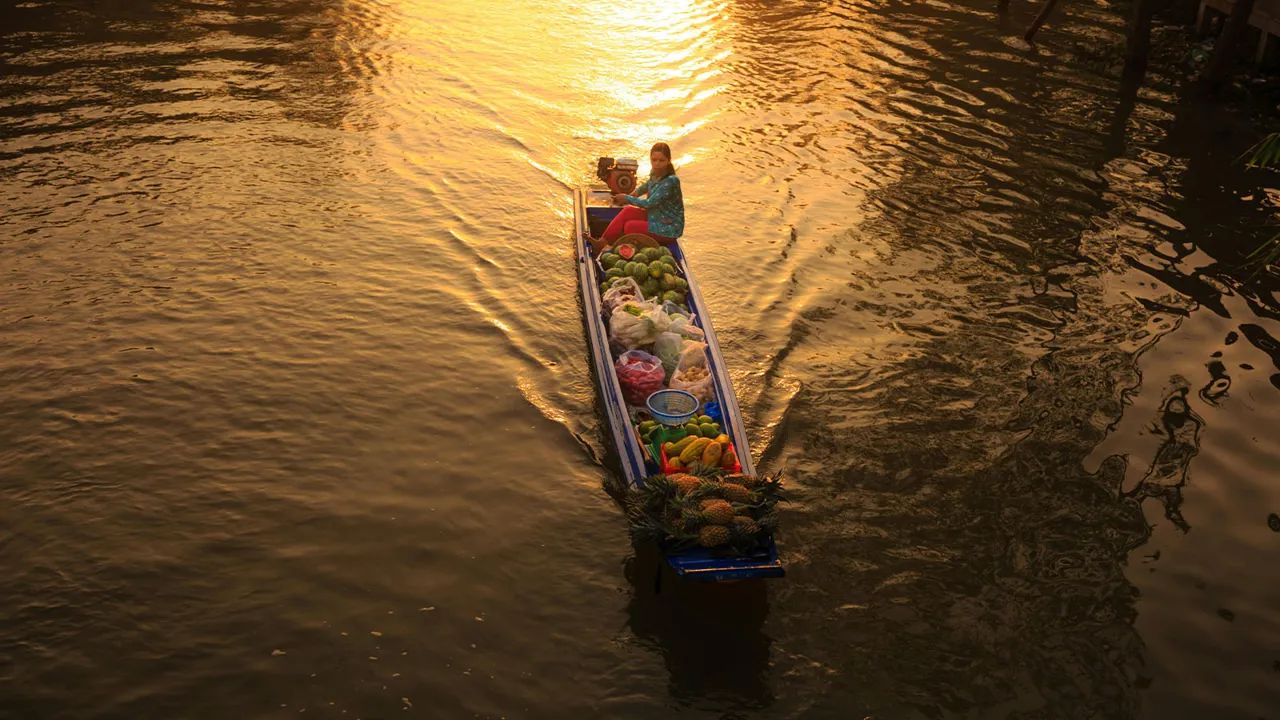
The morning mist still hangs low over the water as the first hum of a long-tail boat engine wakes the river. If you sit on the wooden deck of a riverside café at 6:00 AM, the smell of strong Vietnamese iced coffee blends with the scent of damp earth and river water. A wooden sampan glides past, laden high with green bananas and pineapples. The vendor doesn’t shout; instead, a fresh pineapple dangles from a long bamboo pole erected at the bow—the traditional Mekong scoreboard showing exactly what is for sale today.
As the sun climbs higher, the emerald canopy of the surrounding orchards catches the light. Unlike the roaring motorbikes and neon signs of nearby Ho Chi Minh City, the soundtrack here consists of splashing water, bird calls, and the occasional laughter of neighbors chatting across a narrow canal.
This is Cai Be, a peaceful riverfront town in Tien Giang province. For international travelers looking to escape the well-worn tourist trail, this corner of the Mekong Delta Vietnam offers an authentic look at southern riverside life. It is a place where time slows down, where roads give way to water, and where hospitality is measured in plates of freshly plucked tropical fruit.
Where Is Cai Be?
Cai Be sits on the northern branch of the Mekong River (known locally as the Tien River) in Tien Giang Province. Positioned roughly 100 kilometers (62 miles) southwest of Ho Chi Minh City, it serves as the natural gateway to the deeper reaches of the Mekong Delta.
For travelers crafting a broader Vietnam itinerary, Cai Be occupies a strategic location. It rests right between the urban sprawl of Saigon and the larger delta cities like Vinh Long and Can Tho. The drive from Ho Chi Minh City takes just under two hours thanks to the Trung Luong Expressway, making it accessible for both quick excursions and extended river journeys.

Why Visit Cai Be?
With so many towns dotting the southern waterways, choosing where to experience the Mekong Delta Vietnam can feel overwhelming. Many travelers default to larger hubs, but Cai Be retains a distinct character that sets it apart.
Intricate Canal Networks: Unlike wider, industrial stretches of the river, Cai Be is famous for its narrow, labyrinthine canals. Shaded by water coconuts and weeping willows, these waterways allow you to experience the delta at eye level.
Living Agricultural Traditions: This region is often called the "fruit basket" of Vietnam. The land here is incredibly fertile, supporting multi-generational family orchards that grow everything from durian to rambutan.
Preserved Heritage Architecture: Beyond the river life, Cai Be home to remarkably well-preserved Nha Co (traditional ancient houses) that blend 19th-century Vietnamese architecture with French colonial design touches.
A Slower, Authentic Pace: Cai Be has resisted the hyper-commercialization seen in some other delta towns. There are no massive tour buses blocking the lanes; instead, you share the pathways with local kids cycling home from school and farmers transporting crates of fruit.
Is Cai Be Floating Market Still Worth Visiting?
This is the question every modern traveler asks, and it deserves an honest answer. If you are expecting a massive, chaotic traffic jam of hundreds of boats like you might see in vintage travel documentaries or postcards from decades ago, you will be disappointed.
The expansion of modern roads, concrete bridges, and trucks has shifted much of the agricultural trade from the water to the highway. Today, the Cai Be floating market is much smaller than it used to be.
However, it is absolutely still worth visiting, provided you adjust your expectations.
|
Cai Be Floating Market |
Cai Rang Floating Market (Can Tho) |
|
|
What makes Cai Be special now is its authenticity. The boats out on the water are not putting on a performance for tourists; they are real wholesale traders selling sweet potatoes, pumpkins, and sugar cane. Visiting at dawn allows you to see the real interactions between buyers and sellers, watch breakfast noodle boats serve steaming bowls of hu tieu to workers, and observe a way of life that is gradually adapting to the modern world. It offers a quiet, observational experience rather than a commercial spectacle.
Best Things to Do in Cai Be
To truly appreciate this region, you need to step off the asphalt and onto the water and dirt paths. Here are the most rewarding things to do in Cai Be to ensure an authentic Mekong Delta experience.
Take a Boat Through Narrow Canals
The quintessential Cai Be experience begins on a wooden motorized boat to navigate the main river, before transferring to a traditional hand-rowed sampan. As the local rower guides you into the narrow back-canals, the roar of the motor fades, replaced by the rhythmic dip of wooden oars. The banks are lined with water coconut palms, their fronds arching over the water to create a cool, green tunnel. Look closely and you will see local houses with small wooden piers where families wash vegetables, fish, or moor their own boats.

Visit the Floating Market at Dawn
Set your alarm for 5:30 AM. Arriving at the Cai Be floating market just as the sky turns shades of soft pink and orange is unforgettable. Watch how the boat captains maneuver their vessels with incredible precision. Buy a hot cup of local drip coffee from a mobile café boat, and watch the exchange of goods using the cay bueo (bamboo poles) to advertise what each boat is selling.
Explore Fruit Orchards and Taste Seasonal Fruit
The silt-rich soil of Tien Giang province produces some of the finest fruit in Southeast Asia. Walk through a local orchard where jackfruit, longans, guavas, and mangos hang low from the branches. Many family-run orchards open their gardens to travelers, allowing you to sit in the shade, listen to traditional southern folk music (Don Ca Tai Tu), and sample platters of freshly sliced fruit served with a pinch of chili salt to bring out the sweetness.

Cycle Through Local Villages
The islands surrounding Cai Be, such as Tan Phong Island, are virtually free of cars. Renting a bicycle is the best way to explore. Pedal along narrow concrete paths, crossing small humpbacked bridges over canals. You will ride past gardens, small shrines, and smiling locals who will greet you with a warm "Xin Chao." It is a wonderful way to experience the rural peace of the Mekong Delta Vietnam.
Visit Cottage Industries and Artisans
Cai Be's economy relies heavily on traditional, family-run workshops. You can spend an afternoon visiting these small home setups to see how everyday staples are made by hand:
Coconut Candy Workshops: Watch how fresh coconuts are shucked, grated, pressed for milk, and boiled down in massive cauldrons before being hand-rolled and wrapped in edible rice paper.
Rice Paper Making: See artisans spread thin rice batter onto steam-heated cloths, creating perfect circles that are then transferred to bamboo mats to dry in the sun.
Popped Rice Houses: Discover the Mekong version of popcorn, where whole grains of rice are tossed with black river sand in a giant wok until they pop, then sweetened with ginger syrup and nuts.

Visit Traditional Ancient Houses
In the village of Dong Hoa Hiep, several 19th-century homes have stood the test of time. The most famous is the Ba Duc Ancient House, built in 1838. Walk through the grand interior to admire the intricate mother-of-pearl inlay on the wooden pillars, French colonial floor tiles, and antique furniture. The descendants of the original owners still live here and love to share stories about their ancestors over tea.
Join a Riverside Cooking Class
Many local homestays and lodges offer cooking sessions in their gardens. You will head out to pick fresh herbs like lemongrass, Thai basil, and laksa leaves directly from the garden beds before learning how to prepare classic southern dishes. Cooking over traditional clay braizers while watching the river traffic crawl past is a highly therapeutic experience.
Enjoy Lunch in a Riverside Garden
An open-air lunch in an orchard garden is a highlight of any Mekong Delta itinerary. The settings are casual—usually wooden tables set under the shade of rambutan trees. The meal is served family-style, encouraging you to slow down, share dishes, and enjoy the cooling breeze coming off the river.

Take a Sunset Boat Ride
As the afternoon heat breaks, the river changes character entirely. Take a late afternoon boat ride as the sun dips below the horizon. The water turns to liquid gold, fishing nets are cast for the evening catch, and smoke begins to rise from the kitchen chimneys of riverside homes as families prepare dinner.
What to Eat in Cai Be
Southern Vietnamese cuisine is characterized by its freshness, its use of abundant herbs, and a subtle sweetness drawn from coconut milk and fresh cane sugar. When visiting Cai Be, look out for these local specialties:
Elephant Ear Fish (Ca Tai Tuong): Deep-fried until the scales are crispy. Served whole, standing upright on a wooden stand, used for wrapping in rice paper with various fresh vegetables and herbs.
My Tho Noodle Soup (Hu Tieu My Tho): A noodle soup with a rich broth made from pork bones. The dish uses characteristic chewy rice noodles, served with fresh shrimp, minced meat, fried garlic, and local fresh vegetables.
Mekong Hotpot (Lau Mam): A hotpot with a rich, distinctive flavor thanks to its broth made from fermented snakehead fish or other local fish sauces. The hotpot is served with river fish, pork belly, eggplant, and various wild river vegetables such as water lilies and water spinach.
You will most likely encounter Elephant Ear Fish during a garden lunch. The fun is in the assembly: you pluck the crispy meat and skin, place it on a sheet of thin rice paper, pile on wild herbs, green banana, and starfruit, then roll it up and dip it into a sweet and tangy tamarind sauce.
Best Time to Visit Cai Be
Cai Be is a year-round destination, but the atmosphere and landscape shift dramatically between seasons.
The Dry Season (November to April): This is generally considered the most comfortable time for international travelers. The weather is dry, skies are clear, and humidity is lower. It is the ideal season for cycling along the rural paths and spending long hours exploring outdoors without the threat of rain.
The Rainy/Flooding Season (May to October): Don't let the term "rainy season" scare you off. Rain in the delta usually arrives in short, dramatic afternoon downpours that cool the air down quickly. This is actually the best time to visit the Mekong Delta if you love fruit, as the orchards are heavy with ripe mango, rambutan, durian, and mangosteen. The rivers are high, making the canal boat rides incredibly scenic.
Floating Market & Daily Timing: Regardless of the month, the best time of day to experience Cai Be's river life is between 6:00 AM and 8:30 AM. By midday, the sun is fierce, the floating market vendors have wrapped up their trades, and locals retreat indoors for a midday siesta.

How to Get to Cai Be
Reaching Cai Be is straightforward, whether you prefer a fully arranged journey or independent travel.
Private Transfer: The most comfortable option for international travelers. A private car or limousine van from Ho Chi Minh City takes about 1.5 to 2 hours via the expressway. This gives you total flexibility over your departure time.
Day Tours: Many visitors book a structured day trip to Cai Be departing from Saigon. These tours usually include round-trip transport, a boat guide, a visit to a traditional house, and lunch. It is efficient if you are short on time.
Public Buses: For independent travelers, regular buses run from Saigon's Mien Tay Bus Station to My Tho or Cai Be town. From the drop-off point, you can take a local motorbike taxi (Xe Om) to the boat pier.
River Cruises: Multi-day boutique river cruises frequently use Cai Be as a key stopover point. These vessels travel between Ho Chi Minh City and Phnom Penh (Cambodia), allowing you to disembark directly onto a sampan for canal excursions.
How Many Days Should You Spend?
The length of your stay depends entirely on your travel style and how much time you have allocated in your broader Vietnam itinerary.
The Day Trip (1 Day)
-
Who it’s for: Travelers with a tight schedule who want to see the Mekong Delta without packing up their bags.
-
What it looks like: You leave Saigon early, enjoy a boat trip, see the workshops, eat a garden lunch, and return to the city by evening. It is efficient but can feel a bit rushed during peak afternoon hours.
The Overnight Stay (2 Days, 1 Night) — Recommended
-
Who it’s for: Travelers who want to experience the slow-travel magic of the delta.
-
What it looks like: You arrive in the afternoon, enjoy a quiet sunset boat ride, and stay at a riverside lodge or local homestay. The next morning, you can visit the floating market at sunrise before the day-trippers arrive from Saigon, followed by a long, relaxed bicycle ride through the orchards.
The Deep Delta Exploration (3 Days, 2 Nights)
-
Who it’s for: Slow-travel enthusiasts and photographers.
-
What it looks like: Spend your first night in Cai Be, then take a boat or vehicle deeper into the delta toward Vinh Long or Can Tho on day two. This lets you see the transition from small agricultural canals to the grand scale of the larger delta waterways.

Suggested Mekong Delta Itinerary Including Cai Be
Cai Be acts as a natural stepping stone for a multi-day journey through southern Vietnam. Here is how it fits into a classic overland river route:
-
Ho Chi Minh City to Cai Be (Tien Giang): A 2-hour drive brings you to your first stop. Here, you will spend your time exploring floating markets, historic ancient houses, and lush fruit orchards.
-
Cai Be to Vinh Long: Take a short boat ride or drive across the river to reach Vinh Long, where you can explore the peaceful landscapes and traditional pottery kilns of An Binh Island.
-
Vinh Long to Can Tho: A 1.5-hour drive further south brings you to the delta's capital. Stay overnight here so you can wake up early to visit the massive, bustling Cai Rang Floating Market.
-
Can Tho to Chau Doc: Finish the overland route with a 3-hour drive to the border town of Chau Doc. You can explore the floating fish farms, visit sacred temples, or catch a sleek speedboat heading upriver into Cambodia.
By starting in Cai Be, you begin with an intimate, green, orchard-heavy experience before moving on to the bustling trade hubs further south.
Travel Tips for Cai Be
To ensure your trip is smooth, respectful, and highly enjoyable, keep these practical tips in mind:
What to Wear: Opt for lightweight, breathable clothing. Long sleeves and loose trousers are great for protecting your skin from both the sun and mosquitoes. Wear easily removable shoes or sandals, as you will be stepping on and off boats frequently.
Cash is Essential: While hotels and upscale lodges accept credit cards, local boat drivers, fruit vendors, and small workshops only accept Vietnamese Dong (VND). Keep small denominations handy.
Sun & Bug Protection: Bring high-SPF sunscreen, a wide-brimmed hat, and quality insect repellent containing DEET. The mosquitoes near the canals are particularly active around dusk.
Photography Etiquette: Local people in Cai Be are exceptionally friendly and used to cameras. However, always make eye contact and ask for a quick nod of permission before taking close-up portraits of vendors or artisans at work.
Support the Local Economy: When visiting cottage industries, consider buying a small package of coconut candy, popped rice, or dried fruit. It goes directly to supporting the livelihood of the family hosting you.
Cai Be, Vietnam: FAQ
Is Cai Be worth visiting?
Yes. Cai Be is highly worth visiting, especially for travelers looking for a mix of pristine canal networks, historic houses, and traditional fruit orchards without traveling too deep into the delta.\
Is the Cai Be floating market still active?
Yes, but it is much smaller than it was in past decades. It functions primarily as a local wholesale market for agricultural goods rather than a large-scale tourist attraction.
How early should I visit the floating market?
The best time to visit is between 6:00 AM and 7:30 AM. This is when the traders are most active and the morning light is perfect for photography.
Can I visit Cai Be without a tour?
Yes, you can rent a private car or take a bus from Saigon, then hire a local boat captain independently at the main Cai Be tourist pier. However, having a guide can make communicating with workshop owners and choosing paths significantly easier.
Is Cai Be better than Can Tho?
Neither is inherently better; they offer different experiences. Cai Be is smaller, greener, quieter, and closer to Saigon, making it excellent for narrow canal boat rides and cycling. Can Tho is a bustling city with a much larger, highly commercial floating market (Cai Rang).
Can I stay overnight in Cai Be?
Absolutely. There are several beautiful riverside eco-lodges, boutique resorts, and rustic local homestays that offer a wonderful overnight experience away from the town center.
What fruit is in season when I visit?
While fruits like bananas and coconuts grow year-round, peak fruit season runs from May to August, when rambutan, mangosteen, durian, and mango are harvested in massive quantities.
Is Cai Be suitable for family travel?
Yes, children generally love the boat rides, checking out coconut candy workshops, and cycling along the flat, traffic-free paths of the local river islands.
Can I cycle around Cai Be?
Yes. The islands across from the main town, such as Tan Phong Island, are highly flat and feature paved paths that are ideal for casual bicycle exploration.
How much does a local boat trip cost?
A private 2-to-3-hour boat trip hired at the pier typically costs between 500,000 to 800,000 VND ($20 to $33 USD), depending on the size of the boat and the specific itinerary stops you arrange.
Cai Be, Vietnam: Conclusion
Cai Be isn't a destination meant for checking sights off a bucket list. There are no grand monuments or bustling entertainment complexes here. Instead, its charm lies entirely in the spaces between—in the slow rhythm of the river, the shade of the fruit trees, and the genuine smiles of the people who call these waterways home.
If you allow yourself to slow down, linger over an iced coffee on a wooden pier, and explore the back-canals by bicycle or sampan, you will discover the true soul of the Mekong. Many customized Vietnam travel itineraries weave Cai Be into the journey to provide a necessary, peaceful contrast to the high energy of Vietnam's major cities. It offers a chance to disconnect from the modern rush and connect with a lifestyle tied beautifully to the rise and fall of the river tide.
>>> Top 5 Most Beautiful Floating Markets In The Mekong Delta
>>> Map Of Tien Giang: A Scenic Journey Through Vietnam’s Western Waterway
Giang is a Vietnam destination expert with over a decade of experience guiding travelers through the country’s most inspiring regions. Born and raised in the Red River Delta, Giang has an intimate understanding of local traditions, cuisine, and culture. Her articles reflect her mission: to help travelers discover the authentic Vietnam — beyond the postcards — through meaningful encounters and immersive journeys.
Send us your comments about : Cai Be, Vietnam: The Ultimate Travel Guide to One of the Mekong Delta's Most Authentic Destinations
Required fields*
You may also like
You may also like

Top Beautiful Churches in Vietnam: 12 Historic Landmarks Worth Visiting
Discover the most beautiful historic churches in Vietnam. From pink chapels to wooden cathedrals, explore remarkable architecture, rich history, and must-visit heritage sites.

Hanoi Opera House: Everything You Need to Know Before You Visit
Planning a trip to Vietnam? Discover how to visit the historic Hanoi Opera House, buy tickets for live performances, explore the French Quarter, and enjoy expert travel tips.

Tailor-Made Clothes in Hoi An: Why It's One of Vietnam's Most Memorable Travel Experiences
Planning a trip to Vietnam? Discover how to get premium tailor-made clothes in Hoi An, including the step-by-step process, prices, fitting tips, and fabric selection advice.
Travel ideas
Need some inspiration? Discover some of the best tours in Vietnam, which are highly appreciated by our clients. An excellent starting point to help you choose the right trip to Vietnam, Laos, Cambodia, Burma or Thailand, whether you are traveling alone, as a couple, as a family or with friends.
And because this trip is yours, feel free to customize it as you wish!
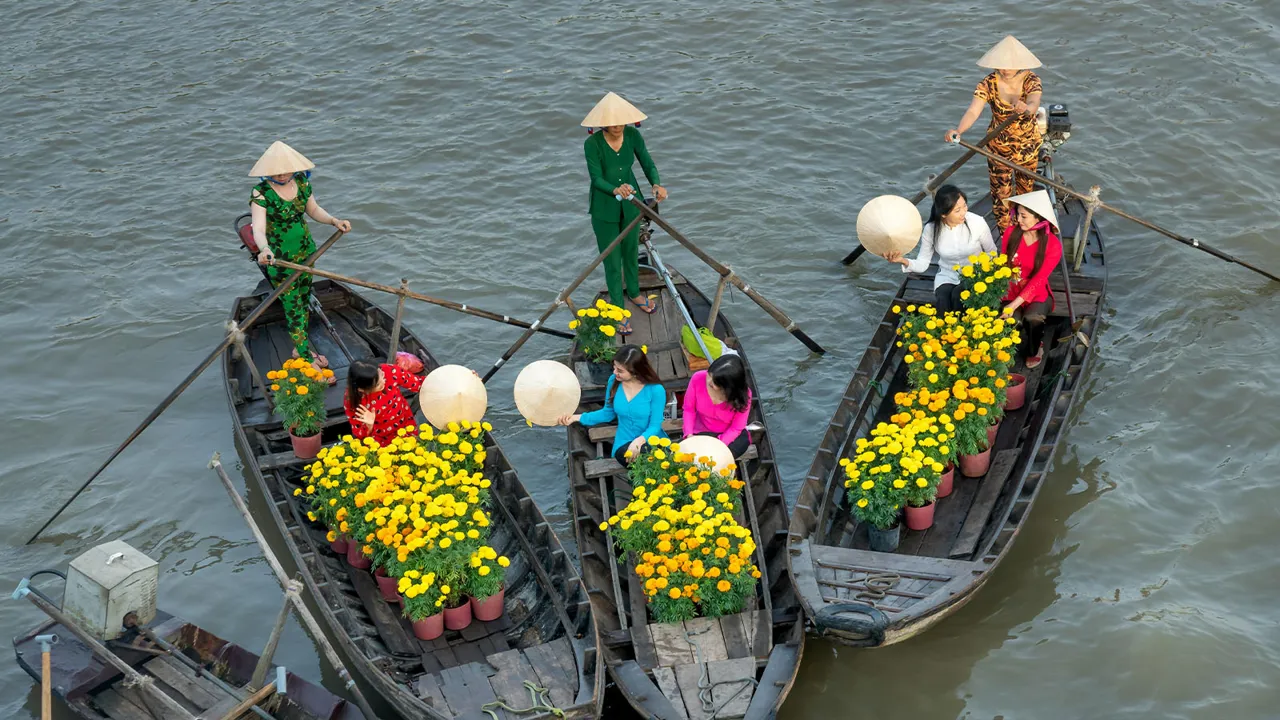
Vietnam Itinerary 2 Weeks
Hanoi - Ninh Binh - Lao Cai - Sapa - Muong Hum market - Ha Long Bay - Hue - Danang - Hoi An - Saigon - Mekong Delta - Cai Rang floating market - Departure

The Best of Ha Giang Trekking Tours
Discover Ha Giang on trekking tours where you live local life, enjoy breathtaking views and escape the crowded routes.

Vietnam and Laos 14 days
Saigon - My Tho - Da Nang- Hoian – Hue - Hanoi - Halong Bay - Vientiane Luang Prabang - Pak Ou – Khuang Si - Luang Prabang – Departure
Vietnam Cambodia Itinerary 14 Days
Hanoi – Hoa Binh – Mai Chau – Ninh Binh – Halong bay – Hue - Danang – Hoian – Saigon – Ben Tre - Can Tho – Saigon - Siem Reap Angkor - Tonlé Sap - Siem Reap – Ta Prohm - Departure

Authentic Hoang Su Phi Trekking Tours
Hoang Su Phi trekking tours take you to stunning terraces, meet few tourists, connect with locals and enjoy authentic culture.

Honeymoon Tour Packages In Vietnam 12 Days
Saigon Arrival - City Tour – Mekong Delta – Danang – Hoian - by flight - Da Nang – Hanoi - by flight – Halong - overnight on junk – Departure
Are you interested in this tour?


Our testimonials
Whether it's a short or long tour, to discover must-see sites or to travel less-traveled paths, by car, junk, on foot, by bike or by motorbike... upon their return from their trip to Indochina, our clients tell us about their experiences. We thank them for entrusting us with the organization of their stay in Vietnam, Cambodia, Laos, Thailand and Myanmar!
Tailor-made trips to Vietnam
Are you a couple, a family, a group of friends? Are you planning a trip to Vietnam and/or Southeast Asia? Or maybe you want an individual, personalized trip, operated directly by a local agency? Perhaps you're thinking of a customized trip accompanied by a perfectly French-speaking guide and a private car with a professional driver... Are you the kind of traveler who likes to go where others don't? Our tailor-made tours adapt to your desires, your choices, your pace and your budget.... You decide, we create a trip that suits you!

Don't miss anything from Southeast Asia
The press talks about us




Comment
No comments yet. Be the first to leave a comment!