 Français
 Deutsch
 Italiano
 Português
 Español

Bich Dong Pagoda: A Journey Through Nature, Spirituality and History in Ninh Binh
Discover Bich Dong Pagoda in Ninh Binh, Vietnam – an ancient Buddhist sanctuary nestled among limestone mountains, natural caves and lush rice fields. Explore its history, unique architecture, best visiting time, travel tips and nearby attractions.
Bich Dong Pagoda is one of the most captivating spiritual attractions in Ninh Binh, Vietnam. Nestled among magnificent limestone mountains, mysterious caves and lush green rice fields, this ancient Buddhist sanctuary offers a unique combination of traditional architecture, natural beauty and cultural heritage. Unlike large, modern temple complexes, Bich Dong Pagoda preserves a peaceful and intimate atmosphere, inviting visitors to slow down and appreciate the harmony between spirituality and nature.
The pagoda is particularly famous for its three-level temple complex, built along the slopes of a limestone mountain and partly integrated into natural caves. Each level reveals a different perspective of Vietnamese Buddhist architecture, while the higher sections reward visitors with beautiful views of the surrounding countryside.
Whether you are interested in Vietnamese history, Buddhist culture, photography or simply looking for a peaceful escape from busy tourist destinations, Bich Dong Pagoda is a wonderful addition to your Ninh Binh itinerary.

1. History and Origins of Bich Dong Pagoda
Bich Dong Pagoda has a long history dating back to 1428, during the early period of the Later Le Dynasty. Originally, it was a small Buddhist sanctuary located on the mountain, serving as a place of worship and spiritual practice.
The pagoda underwent significant development in 1705, when two Buddhist monks named Tri Kien and Tri The arrived in the area. Impressed by the peaceful atmosphere and extraordinary natural surroundings, they decided to stay, restore the existing sanctuary and expand the religious complex. Their efforts resulted in the construction of three separate pagodas: Ha Pagoda, Trung Pagoda and Thuong Pagoda.
In 1774, Lord Trinh Sam visited the area and was deeply impressed by the beauty of the mountains, caves, rivers and lush vegetation. He subsequently gave the pagoda the name Bich Dong, which is commonly translated as Green Pearl Cave.
The name carries a beautiful symbolic meaning:
- Bich: Refers to the colour green or jade, representing the lush vegetation and green limestone landscape surrounding the pagoda.
- Dong: Means cave, reflecting the natural limestone caves that form an essential part of the complex.
Together, Bich Dong can be understood as the Green Pearl Cave, a name that perfectly captures the relationship between the natural environment and spiritual life.
Over the centuries, Bich Dong Pagoda has become an important cultural and religious landmark in Ninh Binh. Today, it remains a place of worship for local Buddhists as well as an attractive destination for international travellers interested in Vietnam’s spiritual heritage.
2. Architecture and Unique Features of Bich Dong Pagoda
One of the most remarkable aspects of Bich Dong Pagoda is its three-level architectural layout, which follows the natural contours of a limestone mountain. Rather than occupying a large, flat area, the complex gradually climbs the mountainside, creating a harmonious relationship between traditional Vietnamese architecture and the surrounding landscape.
The three main structures are:
Ha Pagoda (Lower Pagoda)
Located at the foot of the mountain, Ha Pagoda is the first structure visitors encounter when entering the complex. Built in a traditional Vietnamese architectural style, it features wooden columns, curved tiled roofs and stone foundations. The pagoda serves as an important place of Buddhist worship and introduces visitors to the spiritual character of the site.
Trung Pagoda (Middle Pagoda)
Further up the mountainside, visitors reach Trung Pagoda, one of the most distinctive structures in the complex. Part of the building is constructed inside a natural limestone cave, while the remaining section opens towards the outside.
This unusual design creates a fascinating contrast between light and darkness. The cool cave interior, ancient religious statues and surrounding rock formations give the space a peaceful and contemplative atmosphere.

Thuong Pagoda (Upper Pagoda)
Situated near the summit of the mountain, Thuong Pagoda is the highest structure in the complex. Dedicated to Avalokitesvara Bodhisattva, the pagoda offers a more secluded spiritual setting and beautiful views of the surrounding limestone landscape.
From this elevated position, visitors can admire the mountains, rice fields and rural scenery stretching across the countryside.
Beyond the three main structures, the complex also features traditional Buddhist sculptures, stone inscriptions, ancient bells and naturally formed rock formations. The combination of these elements makes Bich Dong Pagoda particularly interesting for travellers who appreciate architecture, history and nature.
3. Location and Natural Surroundings
Bich Dong Pagoda is located in the Tam Coc area of Ninh Binh Province, northern Vietnam, approximately 100 kilometres south of Hanoi.
The pagoda lies within the famous Tam Coc – Bich Dong scenic area, which is part of the Trang An Landscape Complex, a UNESCO World Heritage Site recognised for its exceptional natural and cultural value.
The surrounding landscape is characterised by dramatic limestone karsts, winding rivers, peaceful valleys and extensive rice fields. These natural features create one of the most recognisable rural landscapes in northern Vietnam.
Visitors often combine their visit to Bich Dong Pagoda with a traditional boat trip along the Ngo Dong River in Tam Coc. During the journey, small wooden boats glide between towering limestone cliffs, green rice paddies and natural caves, offering a closer look at the region’s remarkable scenery.
Cycling is another popular way to explore the surrounding countryside. Small village roads connect the pagoda with local farms, traditional houses and quiet rural communities. Travelling at a slower pace allows visitors to appreciate everyday life in Ninh Binh beyond its main tourist attractions.
For travellers seeking a peaceful cultural experience, the natural surroundings of Bich Dong Pagoda are just as memorable as the religious complex itself.
4. Best Time to Visit Bich Dong Pagoda
Bich Dong Pagoda can be visited throughout the year, as each season brings a different atmosphere to the surrounding landscape. However, spring and autumn are generally among the most comfortable periods for exploring the area.
Spring (February – April)
Spring is an excellent time to visit Ninh Binh, with relatively mild temperatures and fresh green landscapes. The weather is generally suitable for walking, cycling and exploring outdoor attractions.
This period also coincides with various traditional festivals and Buddhist activities in northern Vietnam, allowing visitors to experience local religious traditions and cultural practices.
Golden Rice Season (Late May – Early June)
One of the most beautiful periods to visit Tam Coc – Bich Dong is during the rice harvest season.
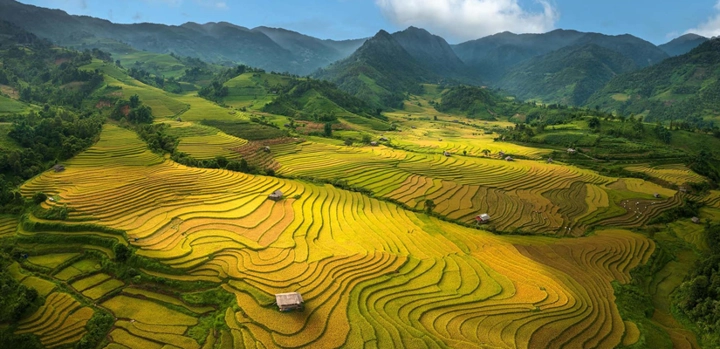
The rice fields surrounding the Ngo Dong River gradually turn golden yellow, creating a striking contrast with the dark green limestone mountains. This is particularly attractive for photographers and nature lovers.
Although temperatures can become quite high, the scenery during this period is among the most impressive in Ninh Binh.
Summer (June – August)
Summer brings hot and humid weather, with occasional heavy rain and thunderstorms. However, the countryside becomes exceptionally green, and the surrounding vegetation creates a vibrant natural atmosphere.
Visitors travelling during this period should prepare for changing weather conditions and plan outdoor activities in the early morning or late afternoon.

Autumn (September – November)
Autumn offers another attractive period for visiting Bich Dong Pagoda. Temperatures gradually become more comfortable, humidity decreases and the landscape takes on a calmer atmosphere.
The second rice-growing season also brings beautiful green and golden tones to parts of the countryside, depending on the harvest schedule.
Winter (December – January)
Winter is generally cooler and quieter in Ninh Binh. Although the rice fields may no longer display their characteristic golden colours, the limestone mountains and ancient pagoda create a peaceful atmosphere.
For travellers who prefer fewer crowds and a more contemplative experience, winter can be an appealing choice.
Recommendation: If you want to enjoy pleasant weather and beautiful landscapes, consider visiting between February and April or September and November. For the iconic golden rice fields of Tam Coc, late May and early June are particularly attractive.
5. How to Get to Bich Dong Pagoda
Travelling to Bich Dong Pagoda is relatively straightforward, as Ninh Binh is well connected to Hanoi and other major destinations in northern Vietnam.
From Hanoi to Ninh Binh
The distance between Hanoi and Ninh Binh is approximately 90–100 kilometres, depending on your starting point and destination. The journey usually takes around two hours by road.
Several transportation options are available:
- Limousine van or tourist bus: A convenient option for international visitors, with regular departures from Hanoi and drop-off points around Tam Coc or Ninh Binh.
- Train: Trains operate between Hanoi Railway Station and Ninh Binh Railway Station. The journey generally takes around 2–2.5 hours and offers a comfortable alternative to road travel.
- Private car: Ideal for families, small groups or travellers who prefer flexibility. Private transfers also make it easier to combine Ninh Binh with other destinations along the way.
- Motorbike: Suitable for experienced riders who enjoy independent travel and want to explore the countryside at their own pace.

From Ninh Binh to Bich Dong Pagoda
Once you arrive in Ninh Binh, reaching Bich Dong Pagoda is relatively easy. The pagoda is approximately 7–10 kilometres from central Ninh Binh, depending on your starting point.
Available transportation options include:
- Taxi or private transfer: The most convenient option for travellers who prefer a comfortable journey.
- Motorbike rental: A popular choice for independent travellers exploring Tam Coc and its surrounding attractions.
- Bicycle: Particularly recommended for visitors staying in Tam Coc, where the countryside roads offer beautiful views of rice fields and limestone mountains.
- Electric tourist vehicles: Available in parts of the Tam Coc area, although routes and availability may vary.
Cycling from Tam Coc to Bich Dong Pagoda is especially enjoyable. The relatively short journey passes through peaceful villages and open countryside, allowing visitors to experience the rural atmosphere of Ninh Binh.
6. Visiting Route and Recommended Duration
A typical visit to Bich Dong Pagoda takes approximately 1–2 hours, depending on your walking pace, interest in the architecture and time spent enjoying the surrounding scenery.
Visitors usually begin at Ha Pagoda before gradually climbing the stone steps towards the higher sections of the complex.
The recommended route includes:
Stop 1: Ha Pagoda
Start your visit at the lower pagoda, where you can admire traditional Buddhist architecture, wooden structures and religious sculptures. This is also a good place to understand the overall layout of the complex.
Stop 2: Trung Pagoda and Dark Cave
Continue up the stone staircase to reach Trung Pagoda, which is partly integrated into the limestone mountain.
Explore the cave area and observe the natural rock formations, religious statues and the contrast between the dim interior and the daylight outside.
Stop 3: Thuong Pagoda
Follow the remaining steps towards Thuong Pagoda near the mountain summit. This section is particularly rewarding for visitors interested in photography and panoramic landscapes.
Stop 4: Mountain Viewpoints
Take some time to enjoy the views of the surrounding countryside. From the higher sections, visitors can appreciate the impressive limestone formations and peaceful rural scenery.
The route involves several stone staircases and uneven surfaces. Although the climb is relatively manageable for visitors with average fitness levels, it may be challenging for people with mobility difficulties.
For travellers who enjoy a slower pace, allowing extra time for photography and quiet observation can make the experience even more rewarding.

7. Entrance Fees, Opening Hours and Facilities
One of the appealing aspects of Bich Dong Pagoda is that it is generally accessible without a separate entrance ticket for the pagoda complex.
However, visitors should distinguish between the pagoda itself and other paid attractions in the surrounding Tam Coc area, such as boat trips and organised transportation services.
Entrance Fees
- Bich Dong Pagoda: Generally free to visit.
- Voluntary donations: Visitors may contribute to the maintenance of the religious site.
- Nearby activities: Boat tours, bicycle rentals and other tourist services require separate payment.
Opening Hours
Bich Dong Pagoda is generally accessible during daylight hours, from the morning until late afternoon.
As it remains an active religious site, visiting arrangements may occasionally change during Buddhist ceremonies, holidays or special events.
It is advisable to visit during daylight and avoid arriving too late in the afternoon, especially if you plan to explore the upper pagodas.
Available Facilities
Facilities immediately around the pagoda are relatively simple compared with larger tourist attractions.
Visitors can find small local shops, refreshments and basic services in the surrounding area. More extensive dining, accommodation and transportation options are available in Tam Coc.
Payment Methods
Cash remains useful when travelling around rural Ninh Binh, particularly for small purchases, bicycle rentals and local services.
Although some hotels and larger restaurants accept cards, visitors should carry Vietnamese dong (VND) for everyday expenses.

8. Experiences You Should Not Miss
A visit to Bich Dong Pagoda is more than a simple sightseeing stop. The combination of cultural heritage, natural scenery and peaceful surroundings creates several memorable experiences.
Exploring the Three Pagodas
Discover the distinctive architecture of Ha, Trung and Thuong Pagoda. Each structure offers a different perspective on Vietnamese Buddhist traditions and the relationship between religious architecture and natural landscapes.
Walking Through Natural Limestone Caves
The cave sections are among the most fascinating parts of the complex. Visitors can observe natural rock formations, cool cave interiors and religious sculptures surrounded by limestone walls.
Enjoying Panoramic Mountain Views
The higher sections of the pagoda offer beautiful views of the surrounding mountains and countryside. Take your time to appreciate the scenery rather than rushing through the climb.
Cycling Through Rural Villages
Rent a bicycle in Tam Coc and explore the quiet roads around Bich Dong. Along the way, you may encounter rice fields, traditional houses, small temples and local farmers going about their daily activities.
Combining the Visit with a Tam Coc Boat Tour
A traditional boat trip along the Ngo Dong River is one of the most popular experiences in Ninh Binh. Combining this activity with a visit to Bich Dong Pagoda offers a wonderful balance of nature, culture and relaxation.
Photography and Nature Observation
The pagoda’s traditional architecture, cave entrances and surrounding greenery create excellent photographic opportunities. Early morning and late afternoon generally offer softer natural light.

9. Practical Travel Tips
To make your visit comfortable and enjoyable, consider the following recommendations:
- Wear comfortable footwear: Stone steps and pathways can become slippery, especially after rain. Choose shoes with good grip.
- Dress respectfully: Bich Dong is an active Buddhist place of worship. Wear clothing that covers your shoulders and knees when entering religious buildings.
- Bring drinking water: Ninh Binh can become particularly hot and humid during summer.
- Prepare sun protection: Bring sunscreen, sunglasses and a hat, especially if you plan to explore the surrounding countryside.
- Visit early in the morning: Arriving early allows you to enjoy a quieter atmosphere and avoid the strongest midday heat.
- Respect religious practices: Speak quietly, avoid disturbing people who are praying and follow any photography restrictions.
- Be careful inside caves: Some sections may have low ceilings, uneven surfaces and limited natural lighting.
- Carry some cash: Small local businesses and service providers may not accept international bank cards.
- Check the weather forecast: Heavy rain can make outdoor pathways slippery and affect other activities around Ninh Binh.
Most importantly, allow yourself enough time to enjoy the destination. Bich Dong Pagoda is best experienced at a relaxed pace.
10. Attractions Near Bich Dong Pagoda
Bich Dong Pagoda is ideally located for exploring several of Ninh Binh’s most famous attractions. Many of them can be combined into a one- or two-day itinerary.
Tam Coc
Often described as the Ha Long Bay on Land, Tam Coc is famous for its spectacular limestone mountains, rice fields and peaceful river scenery.
A traditional boat trip along the Ngo Dong River takes visitors through three natural caves: Hang Ca, Hang Hai and Hang Ba.
The journey offers a wonderful opportunity to admire the natural beauty of Ninh Binh from the water.

Trang An Scenic Landscape Complex
Recognised as a UNESCO World Heritage Site, Trang An is one of Vietnam’s most remarkable natural and cultural destinations.
The area features an extensive network of rivers, caves, limestone mountains and ancient temples. Boat tours take visitors through spectacular waterways and hidden valleys.
Compared with Tam Coc, Trang An offers several different boat routes and a wider range of cave and cultural experiences.
Hoa Lu Ancient Capital
Hoa Lu served as Vietnam’s capital during the 10th and early 11th centuries.
Today, the ancient capital preserves important historical temples dedicated to King Dinh Tien Hoang and King Le Dai Hanh.
It is an excellent destination for travellers interested in Vietnamese history, traditional architecture and the country’s early dynasties.

Bai Dinh Pagoda
Bai Dinh Pagoda is one of the largest Buddhist temple complexes in Vietnam. The extensive site is known for its impressive architectural structures, enormous Buddha statues and long corridors lined with Arhat sculptures.
Unlike the intimate and natural atmosphere of Bich Dong, Bai Dinh offers a more monumental religious experience.
Visiting both pagodas provides an interesting comparison of different architectural styles and spiritual spaces.
Hang Mua
Hang Mua is one of the most famous panoramic viewpoints in Ninh Binh.
Visitors climb approximately 500 stone steps to reach the summit, where they are rewarded with breathtaking views of the limestone mountains, rice fields and winding Ngo Dong River.
Sunrise and sunset are particularly attractive times for photography.
Am Tien Cave (Tuyet Tinh Coc)
Often associated with the name Tuyet Tinh Coc, Am Tien Cave is a peaceful attraction surrounded by towering limestone cliffs and an emerald-coloured lake.
The scenery creates an almost secluded atmosphere, making it an appealing destination for visitors who enjoy quiet walks and photography.
11. Where to Eat and Stay Around Bich Dong Pagoda
The Tam Coc – Bich Dong area offers a variety of local restaurants, family-run eateries and accommodation options suitable for different travel styles and budgets.
Where to Eat
Local restaurants around Tam Coc serve traditional Vietnamese dishes, including regional specialities from Ninh Binh.
Some dishes worth trying include:
- Ninh Binh Mountain Goat (Dê núi): One of the region’s most famous specialities. The goat meat is often grilled, steamed with herbs or served with local dipping sauces.
- Com Chay (Crispy Rice): A popular Ninh Binh speciality consisting of crispy rice served with a savoury sauce, often accompanied by meat or mushrooms.
- Bun Moc: A comforting Vietnamese noodle soup featuring soft rice noodles, pork-based broth and tender meatballs.
- Com Nie u (Clay Pot Rice): Rice cooked in a traditional clay pot, often served with vegetables, meat and other local dishes.
- Vegetarian Vietnamese Food: Many restaurants offer tofu, fresh vegetables, mushroom dishes and other meat-free options, particularly around Buddhist sites.
For international travellers, restaurants in Tam Coc generally offer a wider selection of menus, including familiar Western dishes and vegetarian alternatives.

Where to Stay
Tam Coc is an excellent base for exploring Bich Dong Pagoda and other attractions in Ninh Binh.
Accommodation options include:
Homestays: Family-run homestays are popular among independent travellers. They often offer affordable rooms, a friendly atmosphere and opportunities to interact with local hosts.
Boutique Hotels: Boutique hotels provide a balance between comfort and local character. Many feature swimming pools, garden spaces and rooms overlooking rice fields or limestone mountains.
Resorts and Nature Retreats: For travellers seeking relaxation and privacy, resorts around Tam Coc offer more spacious accommodation, peaceful surroundings and additional facilities.
Staying overnight is highly recommended if you want to experience Ninh Binh beyond a quick day trip from Hanoi. Early mornings and evenings reveal a quieter side of the countryside, when the landscape feels more peaceful and less crowded.
12. Local Culture, Buddhist Traditions and Legends
Beyond its architectural and natural beauty, Bich Dong Pagoda represents an important part of the local religious and cultural heritage.
Buddhist Traditions and Spiritual Life
Buddhism has played a significant role in Vietnamese culture for centuries. Pagodas are not only places of worship but also community spaces where people gather to pray, practise religious traditions and seek spiritual comfort.
At Bich Dong Pagoda, visitors may encounter local people lighting incense, making offerings or quietly praying before Buddhist statues.
For many Vietnamese Buddhists, visiting a pagoda is an opportunity to express gratitude, wish for good health and happiness, and find inner peace.
The natural setting of Bich Dong further strengthens its spiritual character. The combination of mountains, caves and ancient religious structures reflects a traditional Vietnamese appreciation of harmony between humanity and nature.
Festivals and Religious Activities
Spring is an important period for Buddhist activities and traditional festivals throughout northern Vietnam.
During the first months of the lunar year, many Vietnamese families visit pagodas to pray for good fortune, health and prosperity.
Although Bich Dong Pagoda is not necessarily associated with a major annual festival of its own, visitors may encounter local worshippers and traditional religious activities during important Buddhist occasions.
These moments provide a valuable opportunity to observe Vietnamese spiritual traditions in an authentic setting.

Legends and Local Stories
The name Bich Dong, meaning Green Pearl Cave, reflects the distinctive appearance of the surrounding limestone mountains and vegetation.
Local stories also connect the pagoda with Buddhist monks who chose this secluded landscape as a place for meditation and religious practice.
Surrounded by caves, mountains and greenery, the sanctuary has long been associated with tranquillity and spiritual reflection.
For visitors, these stories add another layer of meaning to the experience, transforming the pagoda from a beautiful sightseeing attraction into a place with a deeper cultural and spiritual identity.
13. Final Thoughts
Bich Dong Pagoda is one of the most distinctive cultural attractions in Ninh Binh, offering a rare combination of natural beauty, traditional Vietnamese architecture and Buddhist heritage.
Unlike larger and more monumental religious complexes, Bich Dong captivates visitors through its intimate atmosphere and harmonious relationship with the surrounding limestone landscape. From the traditional structures of Ha Pagoda to the mysterious cave setting of Trung Pagoda and the panoramic views from Thuong Pagoda, every section reveals a different aspect of the site’s charm.
A visit to Bich Dong can also become part of a broader journey through Ninh Binh, combining peaceful cycling routes, traditional boat trips, ancient temples and spectacular natural landscapes.
Whether you are travelling independently, exploring Vietnam with your family or looking for meaningful cultural experiences, Bich Dong Pagoda is well worth including in your itinerary.
For those who want to discover a quieter and more authentic side of northern Vietnam, this ancient sanctuary offers something truly special: a place where nature, history and spirituality come together in perfect harmony.
>>> Ninh Binh or Mai Chau: which to choose from Hanoi
>>> Ha Long Bay On Land In Ninh Binh, Vietnam: A Complete Travel Guide
Giang is a Vietnam destination expert with over a decade of experience guiding travelers through the country’s most inspiring regions. Born and raised in the Red River Delta, Giang has an intimate understanding of local traditions, cuisine, and culture. Her articles reflect her mission: to help travelers discover the authentic Vietnam — beyond the postcards — through meaningful encounters and immersive journeys.
Send us your comments about : Bich Dong Pagoda: A Journey Through Nature, Spirituality and History in Ninh Binh
Required fields*
You may also like
You may also like

Wellness Retreat in Vietnam: A Unique Journey to Reconnect with Yourself
Discover wellness retreats in Vietnam, from yoga and meditation to spiritual journeys, silent retreats and relaxing spa escapes. Explore peaceful destinations, traditional healing practices and practical tips for planning your wellness journey.

Co To Island, Vietnam: A Complete Guide to Its Beaches and Local Life
Discover Co To Island in northern Vietnam, a peaceful coastal destination known for its sandy beaches, turquoise waters, dramatic rock formations and fresh seafood. This practical travel guide covers the best time to visit, how to get there from Hanoi, where to stay, local experiences and a suggested 3-day itinerary to help you plan your trip.

Ha Giang Loop by Car: A Complete Guide to Exploring Northern Vietnam
Discover the Ha Giang Loop by car with this complete travel guide. Explore dramatic mountain passes, ethnic minority villages, local markets, and a 3-day itinerary through northern Vietnam.
Travel ideas
Need some inspiration? Discover some of the best tours in Vietnam, which are highly appreciated by our clients. An excellent starting point to help you choose the right trip to Vietnam, Laos, Cambodia, Burma or Thailand, whether you are traveling alone, as a couple, as a family or with friends.
And because this trip is yours, feel free to customize it as you wish!
Vietnam Itinerary 2 Weeks
Hanoi - Ninh Binh - Lao Cai - Sapa - Muong Hum market - Ha Long Bay - Hue - Danang - Hoi An - Saigon - Mekong Delta - Cai Rang floating market - Departure

The Best of Ha Giang Trekking Tours
Discover Ha Giang on trekking tours where you live local life, enjoy breathtaking views and escape the crowded routes.

Vietnam and Laos 14 days
Saigon - My Tho - Da Nang- Hoian – Hue - Hanoi - Halong Bay - Vientiane Luang Prabang - Pak Ou – Khuang Si - Luang Prabang – Departure
Vietnam Cambodia Itinerary 14 Days
Hanoi – Hoa Binh – Mai Chau – Ninh Binh – Halong bay – Hue - Danang – Hoian – Saigon – Ben Tre - Can Tho – Saigon - Siem Reap Angkor - Tonlé Sap - Siem Reap – Ta Prohm - Departure

Authentic Hoang Su Phi Trekking Tours
Hoang Su Phi trekking tours take you to stunning terraces, meet few tourists, connect with locals and enjoy authentic culture.

Honeymoon Tour Packages In Vietnam 12 Days
Saigon Arrival - City Tour – Mekong Delta – Danang – Hoian - by flight - Da Nang – Hanoi - by flight – Halong - overnight on junk – Departure
Are you interested in this tour?


Our testimonials
Whether it's a short or long tour, to discover must-see sites or to travel less-traveled paths, by car, junk, on foot, by bike or by motorbike... upon their return from their trip to Indochina, our clients tell us about their experiences. We thank them for entrusting us with the organization of their stay in Vietnam, Cambodia, Laos, Thailand and Myanmar!
Tailor-made trips to Vietnam
Are you a couple, a family, a group of friends? Are you planning a trip to Vietnam and/or Southeast Asia? Or maybe you want an individual, personalized trip, operated directly by a local agency? Perhaps you're thinking of a customized trip accompanied by a perfectly French-speaking guide and a private car with a professional driver... Are you the kind of traveler who likes to go where others don't? Our tailor-made tours adapt to your desires, your choices, your pace and your budget.... You decide, we create a trip that suits you!


Don't miss anything from Southeast Asia
The press talks about us




Comment
No comments yet. Be the first to leave a comment!